The unglamorous mid-western hub valley that everyone passes through on the way to Humla or Jumla, and that turned out to be worth a day of its own.
We landed in Surkhet expecting a one-night formality — a place to sleep before the connecting flight to Simikot, nothing more. The flight got delayed two days by weather, the way flights here often do, and what began as an inconvenience turned into an accidental, genuinely enjoyable stop in a part of Nepal almost no foreign travelers linger in on purpose.
A Valley, Not a Town
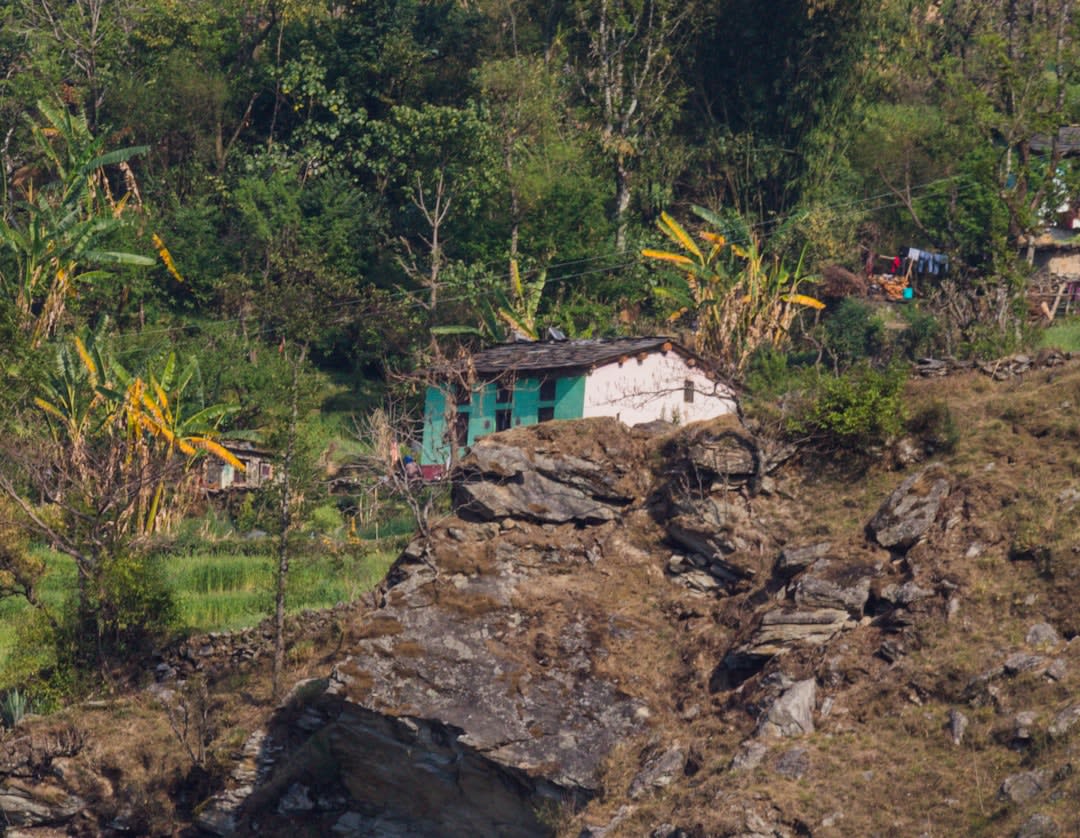
Surkhet is really a broad inner-Terai valley rather than a single town, the administrative capital of Karnali Province and the effective supply hub for the entire roadless mid-west and far-west. It has none of the postcard drama of the mountains further north, but the valley floor is intensively farmed — rice, mustard, wheat depending on the season — and ringed by forested Mahabharat foothills that stay green even in the dry months.
Deuti Bajai Temple and a Very Long Staircase
With two unplanned days, we ended up climbing to Deuti Bajai, a Hindu temple on a forested ridge above the valley, reached by a stone staircase that felt, by the four-hundredth step, considerably longer than the guesthouse owner had implied. The temple itself is modest, but the view from the top — the entire Surkhet valley laid out below, the airstrip a grey scar in the green, the hills folding back toward Jumla in blue layers — made the ascent worth the burning thighs.
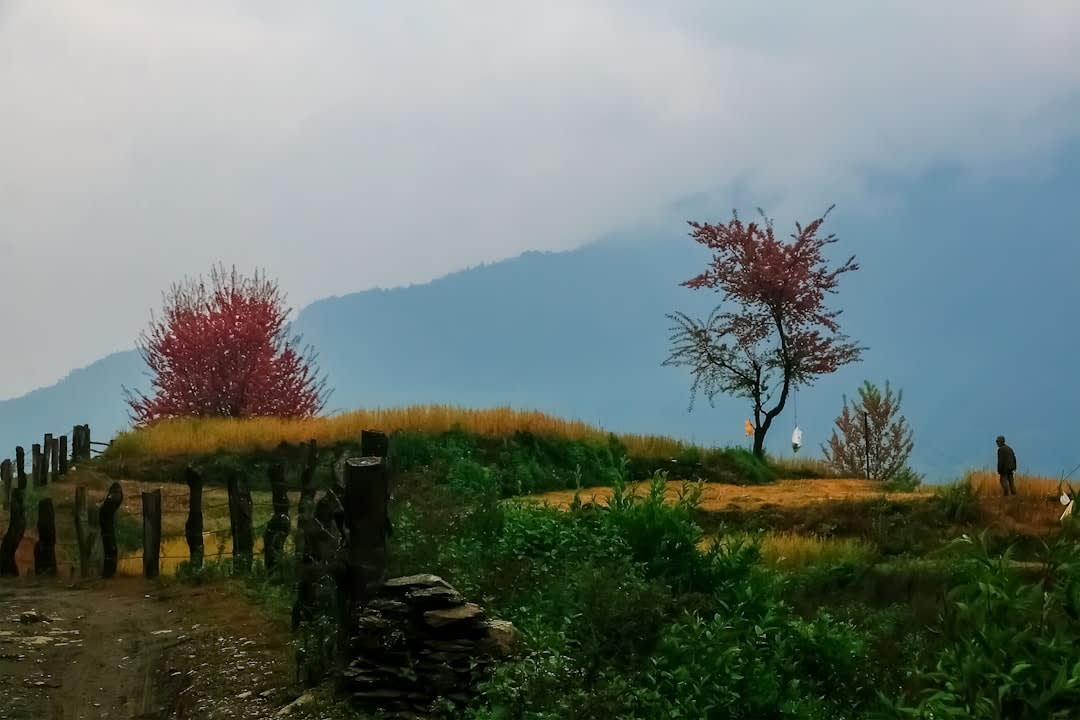
Lia struck up a long conversation with a group of women resting halfway up, on a pilgrimage from a village two valleys over, who found the fact that we’d come all this way just to wait for a plane both baffling and very funny. They shared their tea and their oranges with us without a second thought. It’s the kind of exchange that only happens when your itinerary breaks and you stop trying to fix it.
When to go: October through March offers the driest, most comfortable weather for exploring the valley itself. If you’re passing through en route to Humla or Jumla, build at least one buffer day into your schedule — flight delays here are the rule, not the exception.
Keep exploring
More from Nepal
 nepal
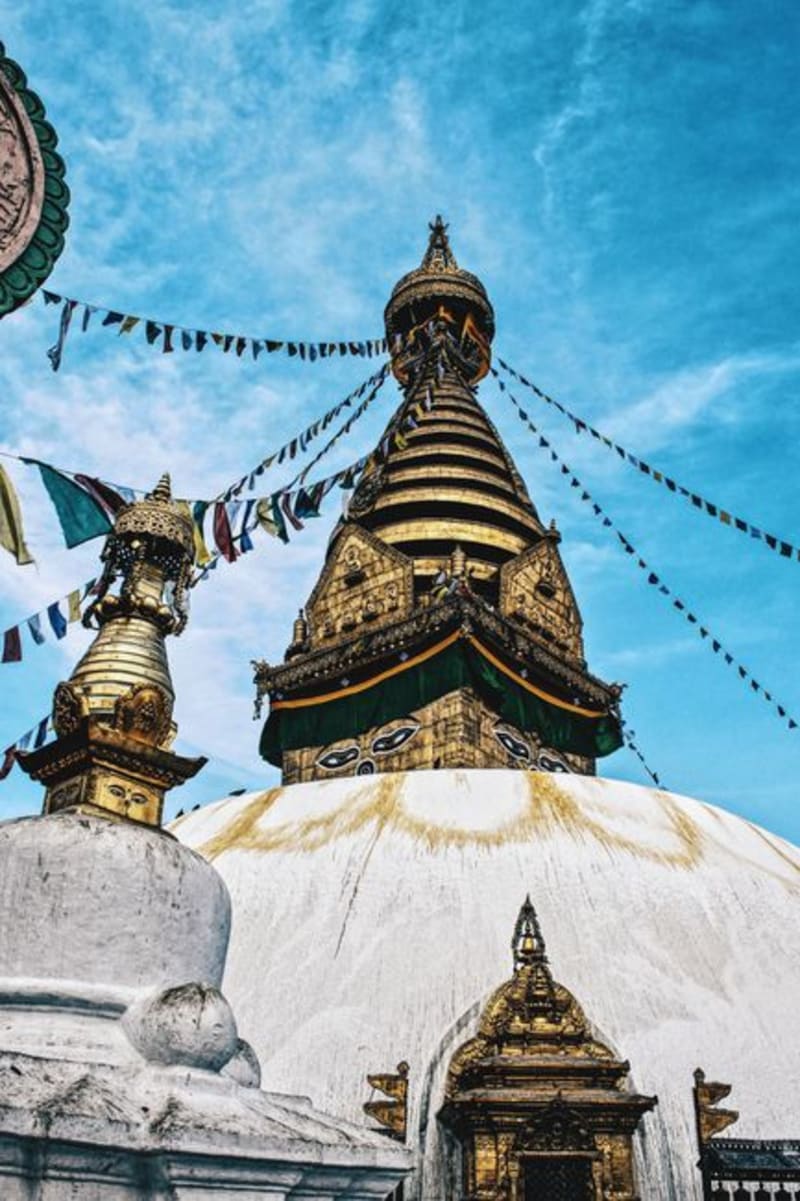
nepal Swayambhunath
The hilltop stupa Kathmandu calls the Monkey Temple, 365 steps up to a panorama shared with rhesus macaques and pilgrims.
Explore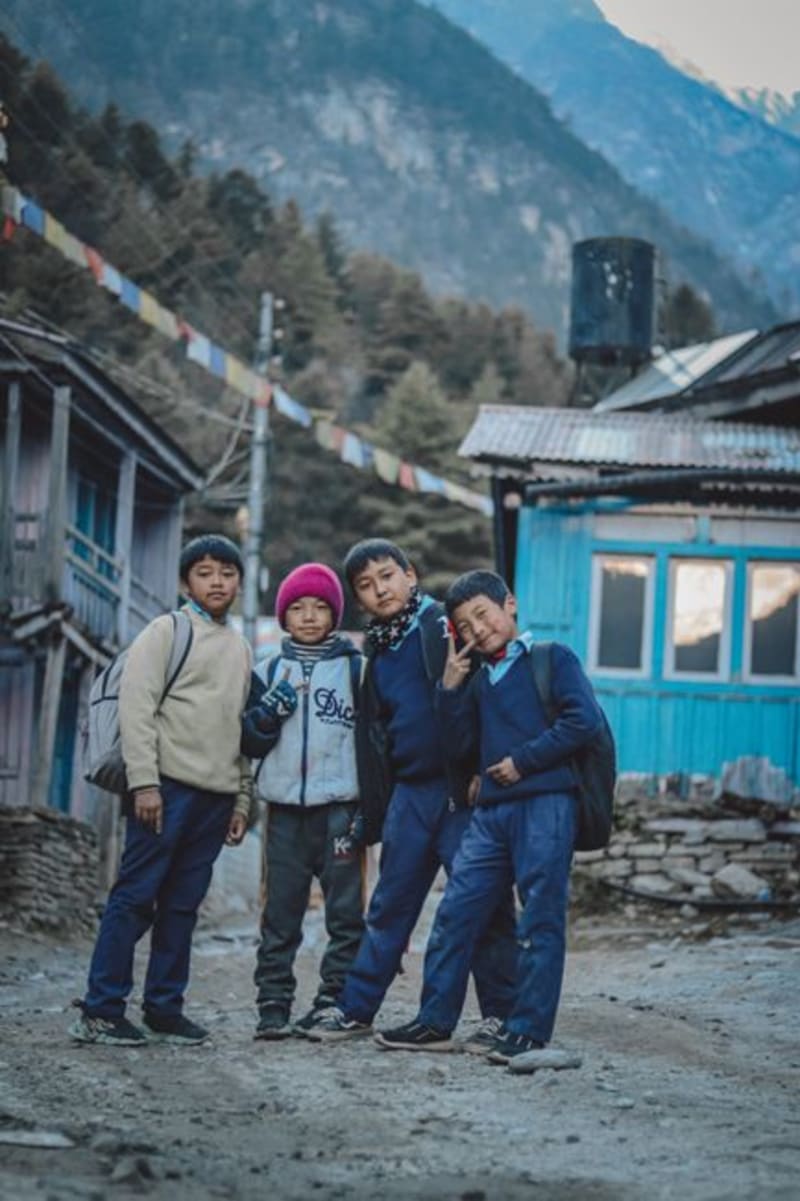 nepal
nepal Syabrubesi
The dusty trailhead town on the Tibetan border road where the Langtang trek actually begins — half transit hub, half last-chance outfitting stop, all business before the mountains take over.
Explore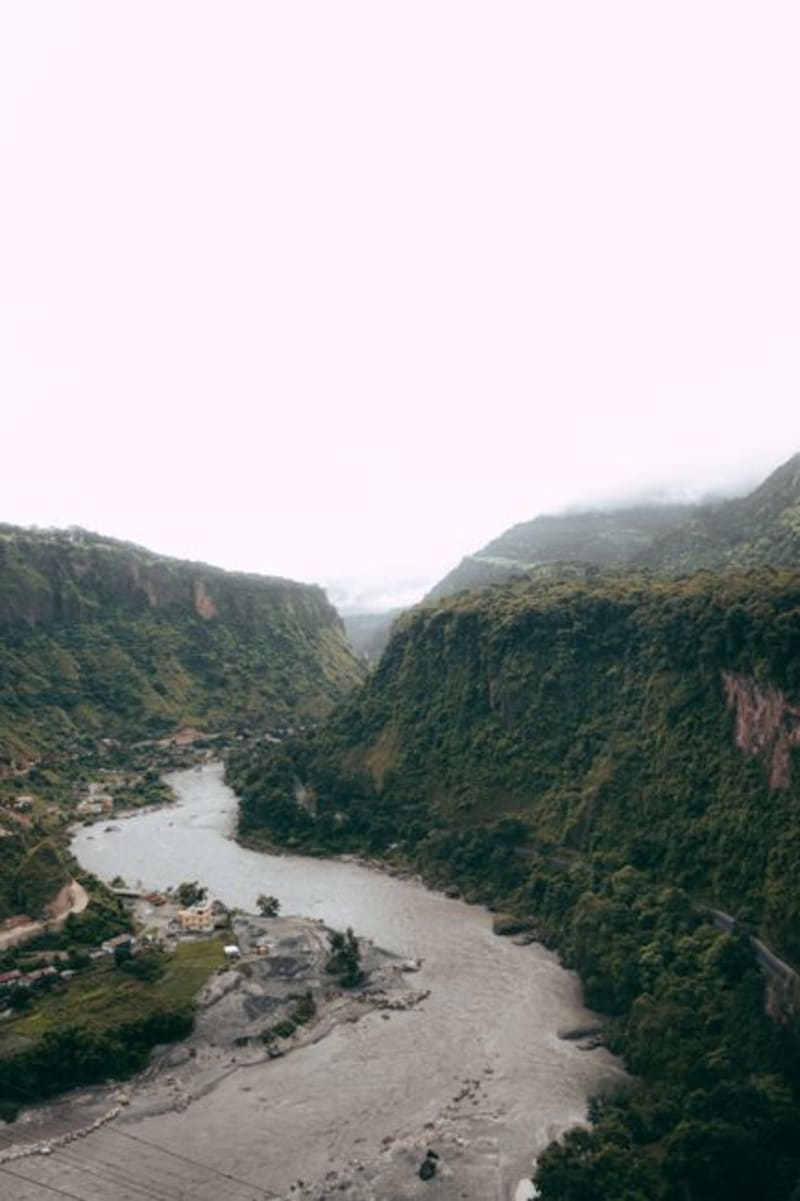 nepal
nepal Tansen
A Newari hill town in western Nepal, once the seat of the Magar kings, now a maze of red-brick lanes and umbrella workshops that tourism has barely touched.
Explore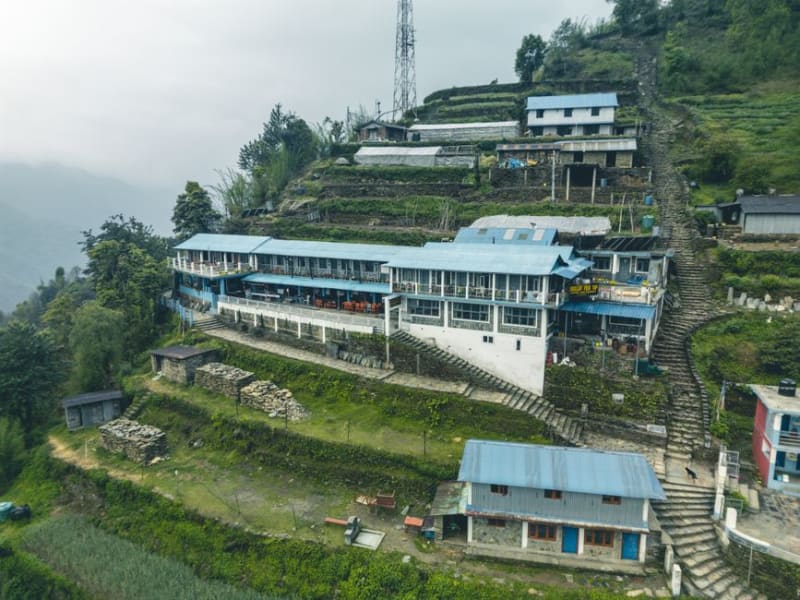 nepal
nepal Taplejung
The last real town before the trails climb toward Kanchenjunga, a hill bazaar of Limbu culture and terraced cardamom farms.
Explore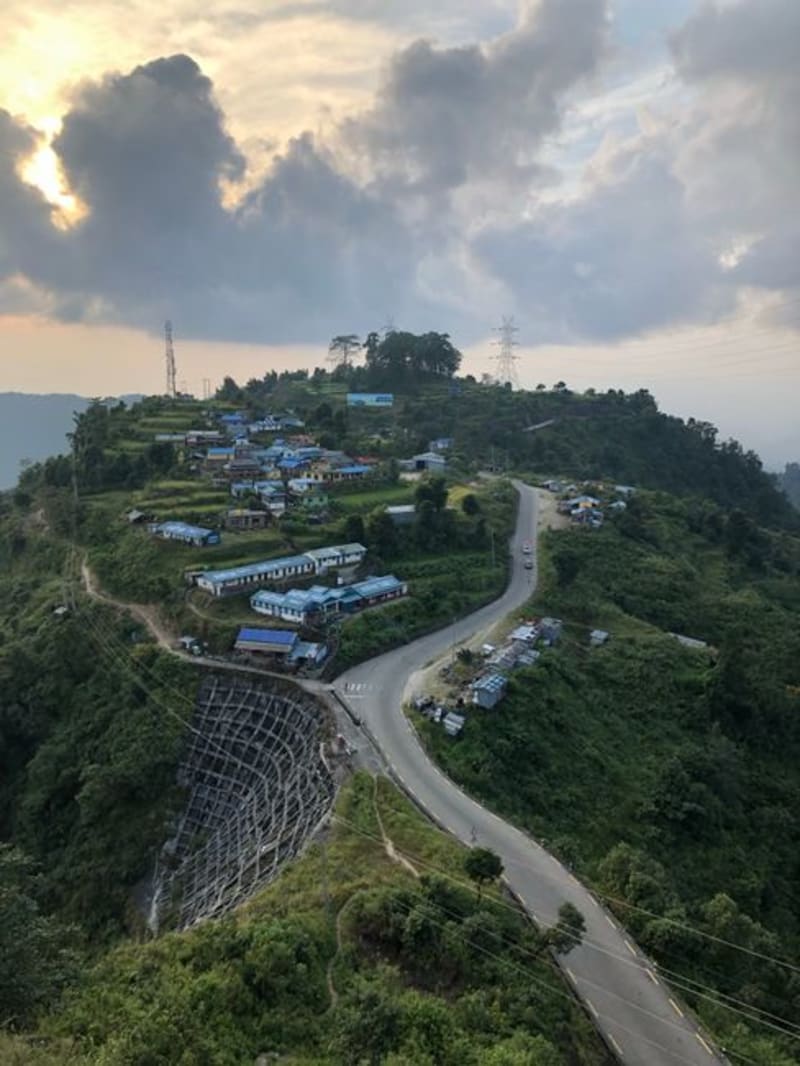 nepal
nepal Tarkeghyang
The largest Sherpa village in the Helambu region, a cluster of carved wooden houses and prayer wheels around a 700-year-old monastery, reached by a trail with almost none of the foot traffic of the bigger-name treks.
Explore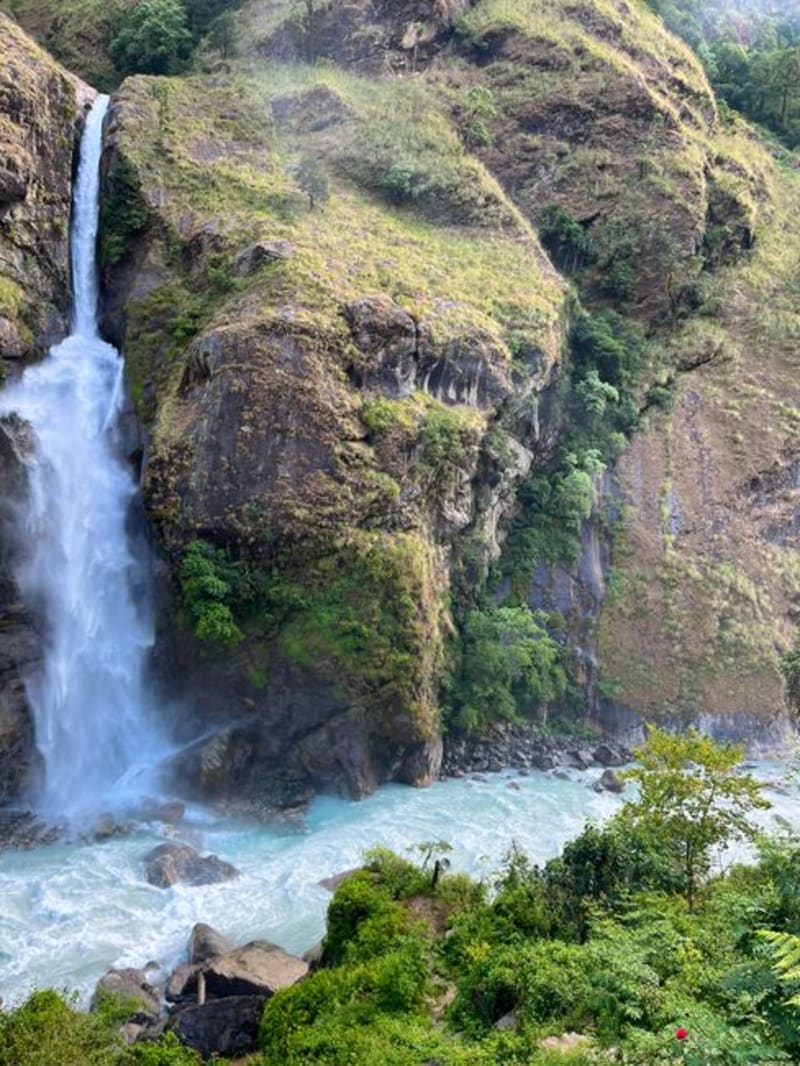 nepal
nepal Tatopani
A low-altitude village on the Kali Gandaki whose name literally means 'hot water' — natural hot springs at the end of a hard trekking day, and one of the few genuinely restful stops on the circuit.
Explore