Suklaphanta National Park
"Suklaphanta looks nothing like the Nepal in anyone's head, and that's exactly why I loved it."
A far-western grassland reserve holding the world's largest population of swamp deer, wide open plains that feel more African savanna than Himalayan foothill.
By the time I reached Suklaphanta, in Nepal’s far southwestern corner near the Indian border, I had more or less stopped expecting surprises from the country’s landscape. I was wrong to. The park’s core is an enormous, near-treeless grassland — locally called a phanta — that opens out flat and gold to the horizon in a way that looks far more like an African savanna than anything I associated with Nepal before arriving.
The Deer That Outnumber Everyone
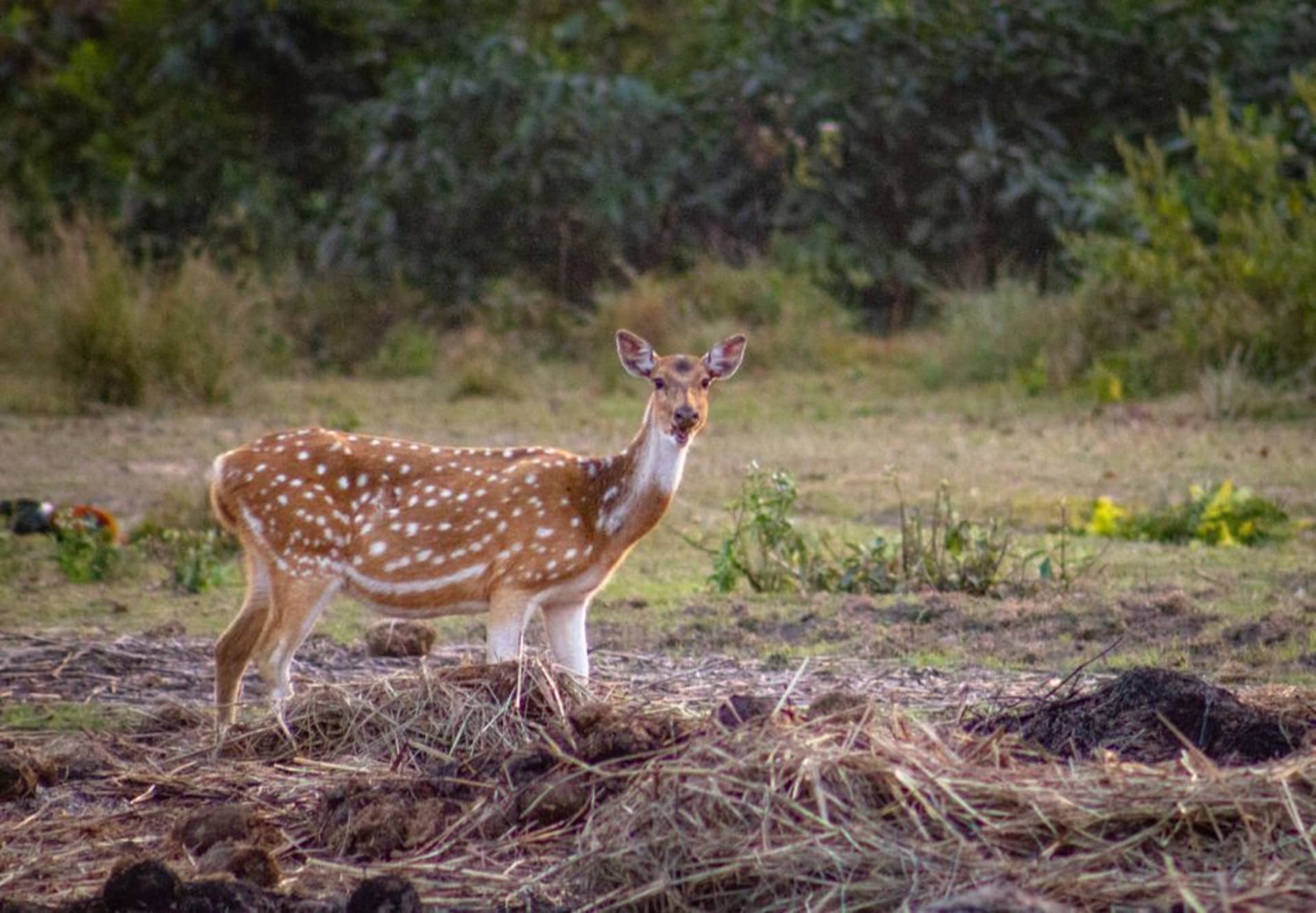
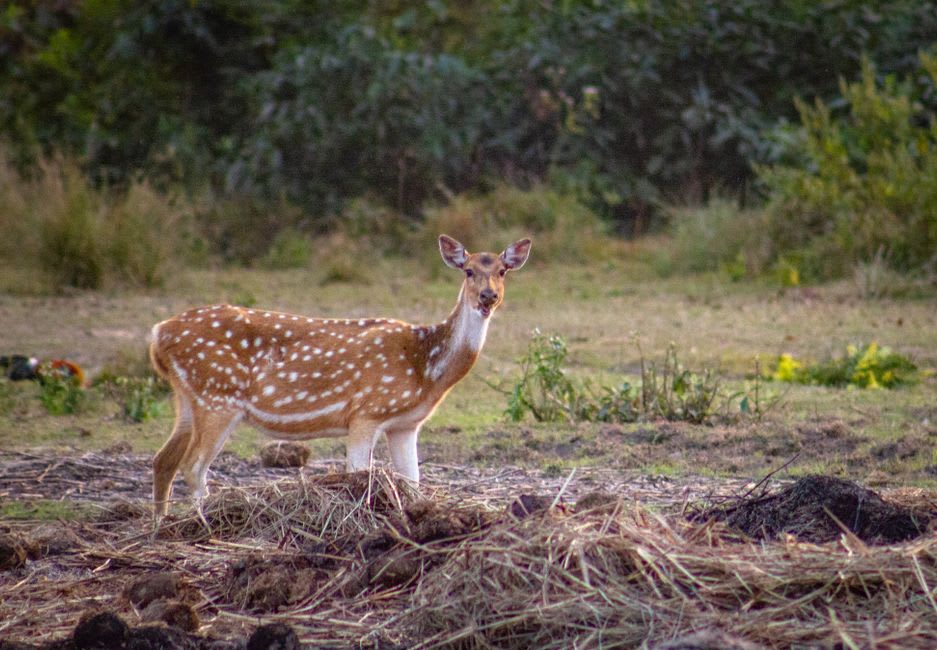
Suklaphanta holds the world’s largest surviving population of swamp deer, known locally as barasingha, and the scale of the herds took me by surprise even after the guide had warned me to expect it. From a wooden watchtower at dawn, we counted herds numbering in the hundreds moving across the open phanta, their antlers catching the low light in a way that made the whole grassland look like it was bristling. A pair of jackals trotted along the herd’s flank the entire time we watched, opportunistic and unbothered by our presence.
Elephants, Wild and Otherwise
The park sits along a corridor used by wild elephants moving between Nepal and India, and our guide pointed out fresh dung and flattened grass trails within the first hour of our jeep safari — evidence, he said, of a herd that had passed through only hours before us. We didn’t see them that day, which he treated as entirely ordinary rather than a disappointment; wild elephants here move mostly at night and avoid the same open ground the deer prefer during daylight. What we did see, late in the afternoon, was a Bengal florican, one of the world’s rarest bustards, stepping through the grass with an almost comic deliberateness that had our guide more excited than anything else all day.
A Park Still Finding Its Visitors
Suklaphanta’s lodges are basic and its visitor numbers a fraction of Chitwan’s or even Bardia’s, which meant our evening at the park boundary was spent almost entirely with park staff rather than other travelers — sharing dal bhat, hearing stories about a tiger that had wandered into a nearby village the previous winter, and turning in early to the sound of something large moving through grass just beyond the fence line.
When to go: November through March for the coolest temperatures and best wildlife visibility, once the tall monsoon grass has been cut back. The park closes to visitors during the monsoon season from June through September, when much of the grassland floods.
Keep exploring
More from Nepal
 nepal
nepal Surkhet
The unglamorous mid-western hub valley that everyone passes through on the way to Humla or Jumla, and that turned out to be worth a day of its own.
Explore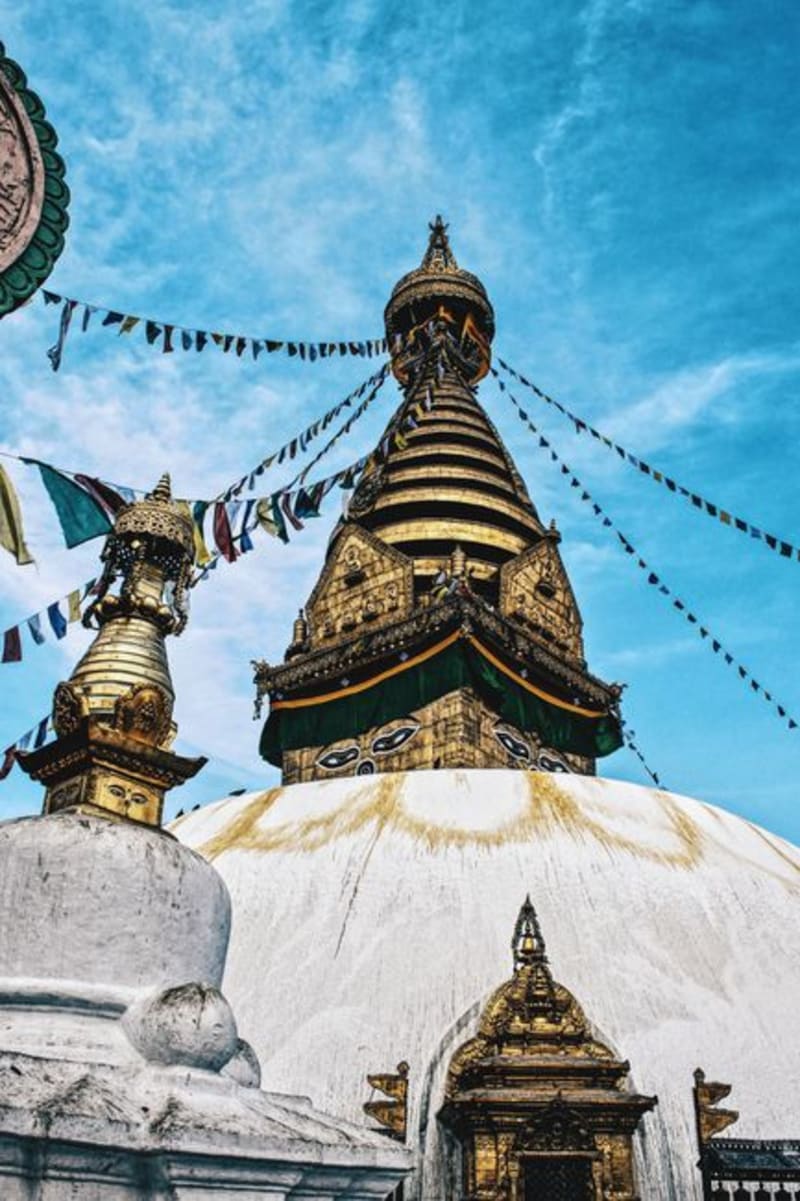 nepal
nepal Swayambhunath
The hilltop stupa Kathmandu calls the Monkey Temple, 365 steps up to a panorama shared with rhesus macaques and pilgrims.
Explore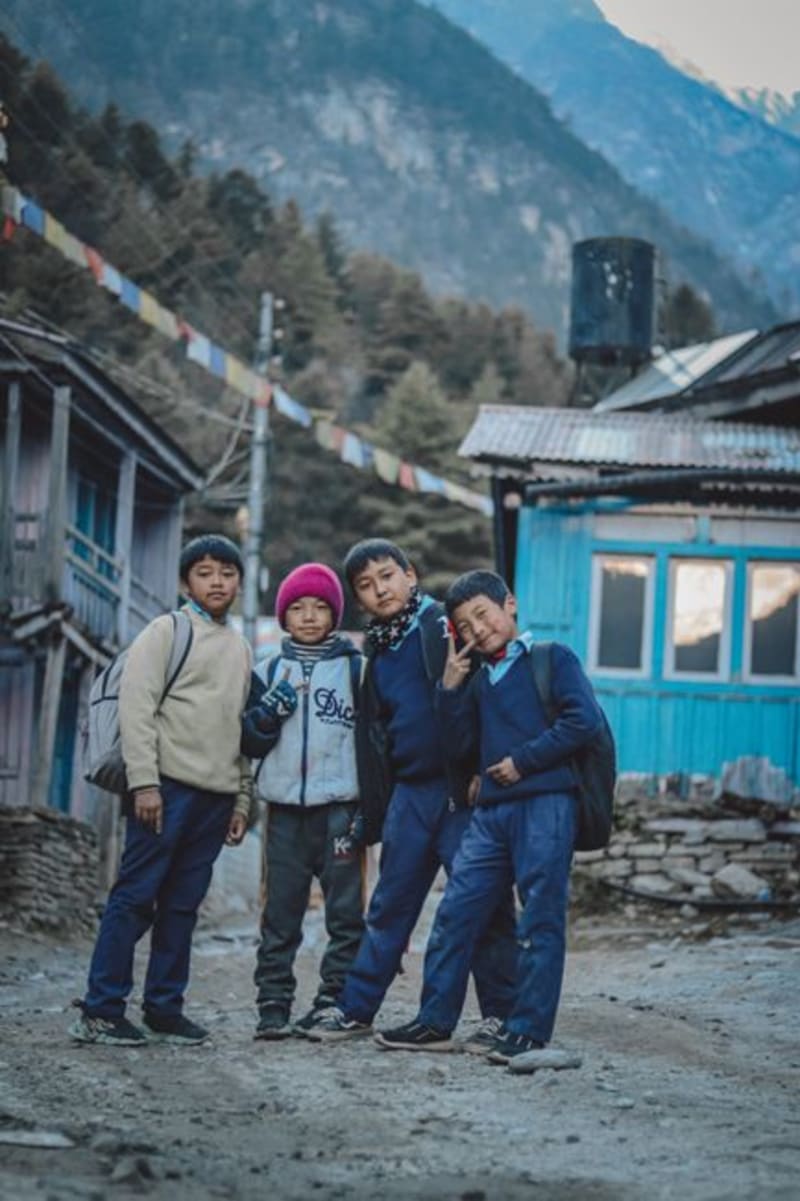 nepal
nepal Syabrubesi
The dusty trailhead town on the Tibetan border road where the Langtang trek actually begins — half transit hub, half last-chance outfitting stop, all business before the mountains take over.
Explore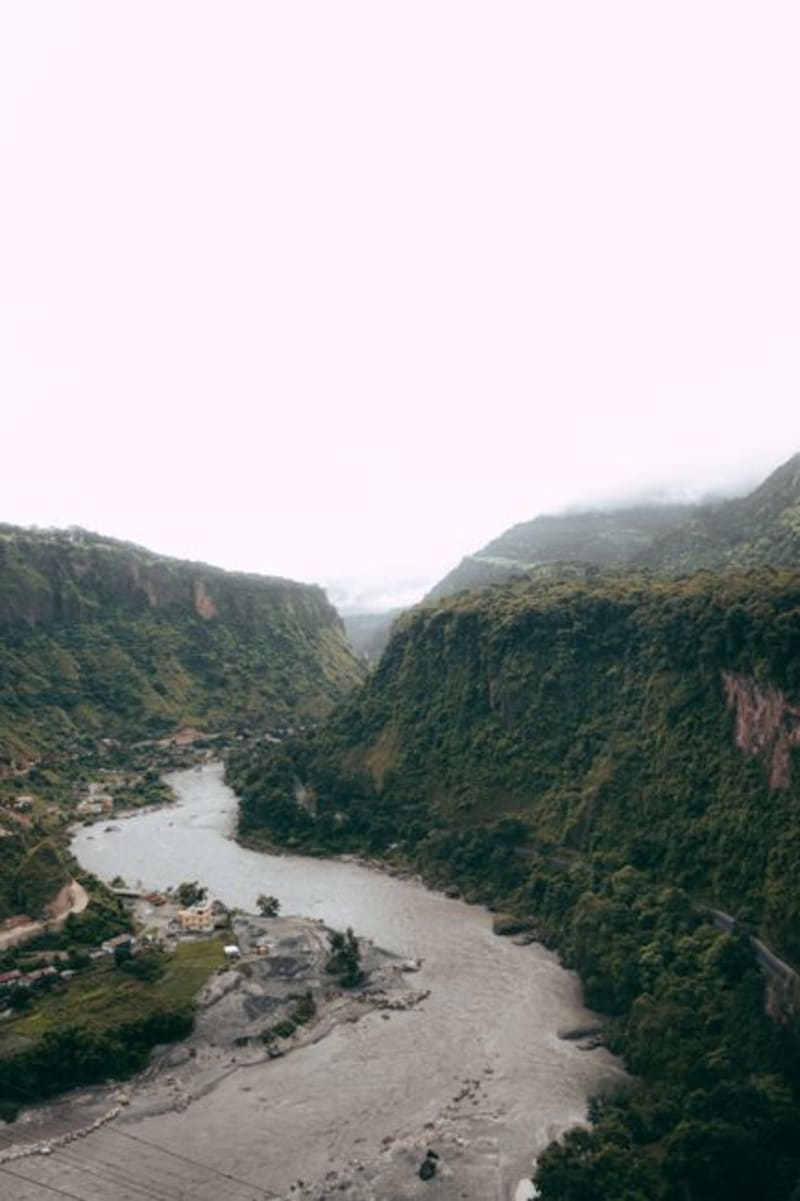 nepal
nepal Tansen
A Newari hill town in western Nepal, once the seat of the Magar kings, now a maze of red-brick lanes and umbrella workshops that tourism has barely touched.
Explore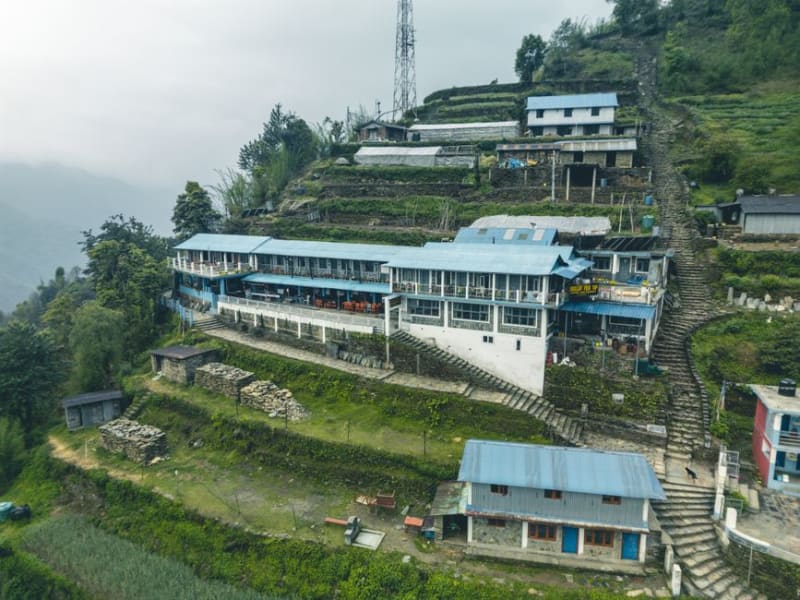 nepal
nepal Taplejung
The last real town before the trails climb toward Kanchenjunga, a hill bazaar of Limbu culture and terraced cardamom farms.
Explore nepal
nepal Tarkeghyang
The largest Sherpa village in the Helambu region, a cluster of carved wooden houses and prayer wheels around a 700-year-old monastery, reached by a trail with almost none of the foot traffic of the bigger-name treks.
Explore