Shey Phoksundo Lake
"Phoksundo is the color a lake becomes when almost no one has been allowed to disturb it."
A turquoise glacial lake in Upper Dolpo so vivid it seems retouched, ringed by cliffs, chortens, and one of Nepal's oldest Bon monasteries.
I had read about Phoksundo’s color for years before I saw it and assumed, as one does, that the photographs were exaggerated. They were not. The lake sits at nearly 3,600 meters inside Shey Phoksundo National Park, and the water is a turquoise so saturated it looks lit from beneath — a mineral trick of glacial silt and depth that no filter I own has ever managed to replicate honestly.
Getting There Is the Trek
There’s no shortcut into Dolpo. From Juphal airstrip it’s four to five days of walking through pine forest, past the Bon Buddhist village of Ringmo, before the lake reveals itself at a bend in the trail. Ringmo itself deserves its own attention — a cluster of flat-roofed stone houses and a Bon monastery, the oldest surviving pre-Buddhist tradition of the Tibetan plateau, still practiced here largely undisturbed by the sectarian tourism that has reshaped so much of the rest of the Himalaya.
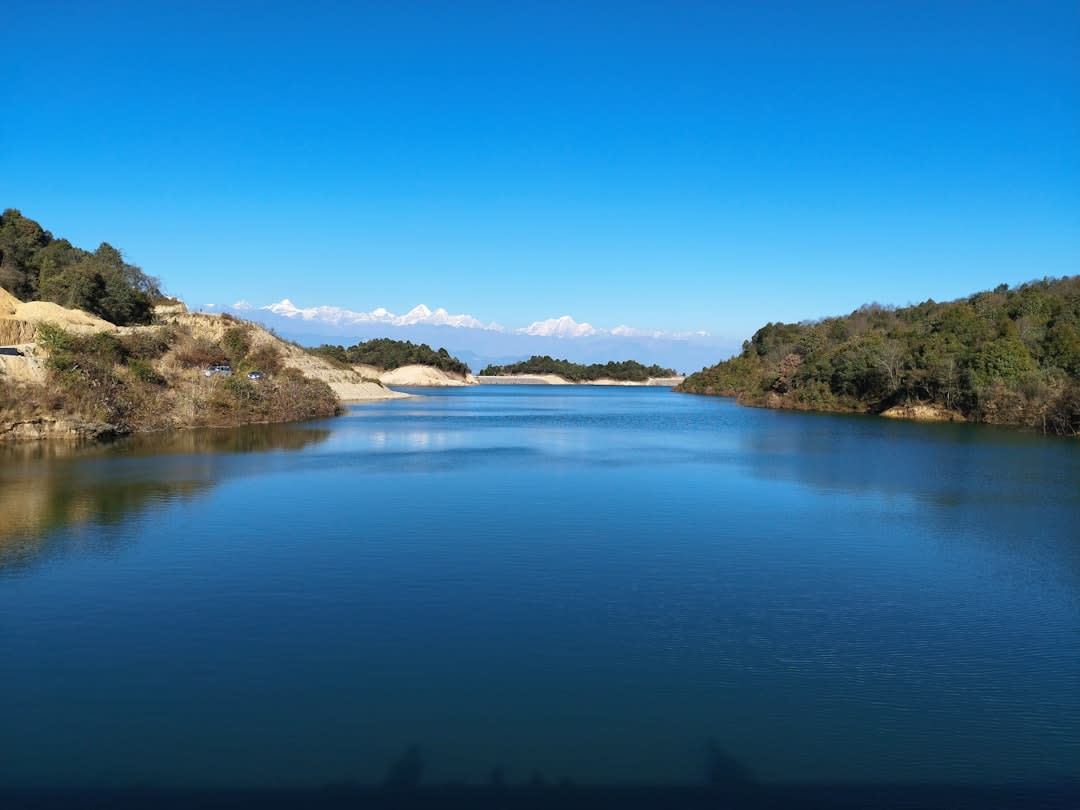
I sat with a Bon monk one evening who explained, patiently and with visible amusement at my confusion, that Bon predates Buddhism in Tibet and that the swastika motifs painted on the monastery walls run counterclockwise rather than clockwise — the opposite of the Buddhist version. I had never once considered that a symbol could carry two entirely separate meanings depending on which direction it curled.
A Lake With No Fish
Local legend holds that Phoksundo has no fish because a local deity forbade it after a fisherman’s greed angered the lake spirit. Whatever the explanation, the water really is fishless, and the effect is a stillness that feels almost engineered — nothing rising, nothing rippling, just wind on glass. I walked the trail above the lake’s northern shore toward the waterfall that drains it, one of the tallest in Nepal, and stood there for a long time doing nothing useful at all.
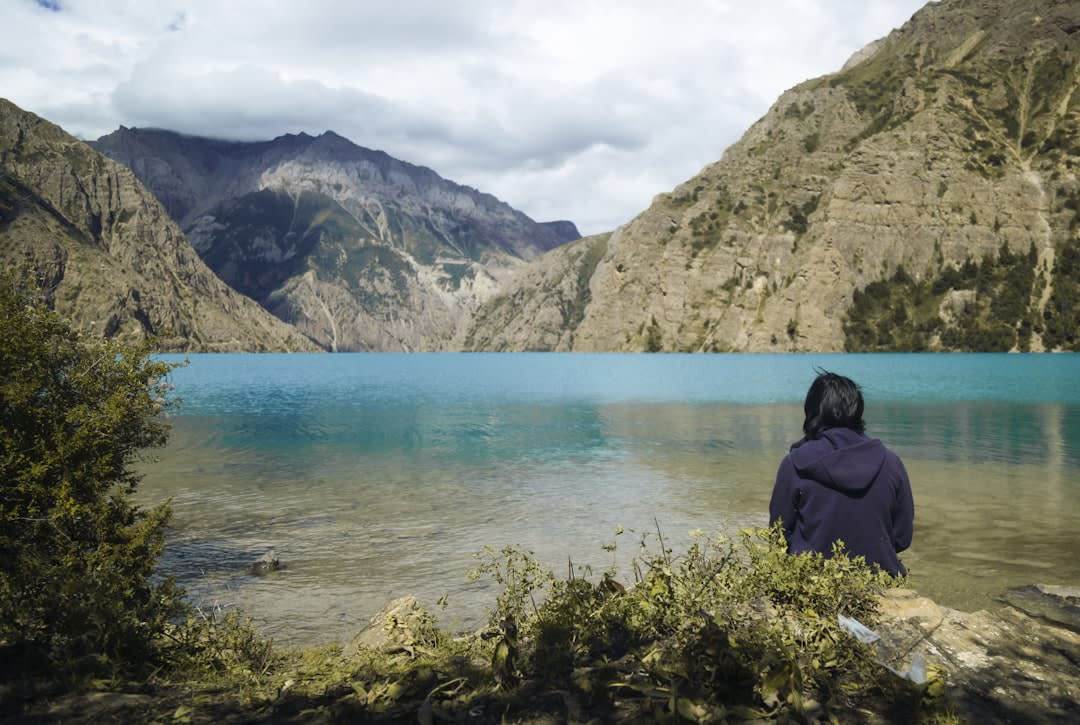
The permit system here — a restricted-area fee on top of the park entrance — keeps numbers genuinely low, which is rare for anywhere this photogenic. I met perhaps a dozen other foreign trekkers across five days, and half of them were on their way to the higher passes toward Shey Gompa, a further trek I didn’t have the days left to attempt. I’ve already decided I’m coming back for it.
When to go: Late May through October is the only realistic window, since the high passes into Dolpo close under snow the rest of the year. September and early October bring the clearest skies right after monsoon, though the trek requires a restricted-area permit and typically a registered guide.
Keep exploring
More from Nepal
 nepal
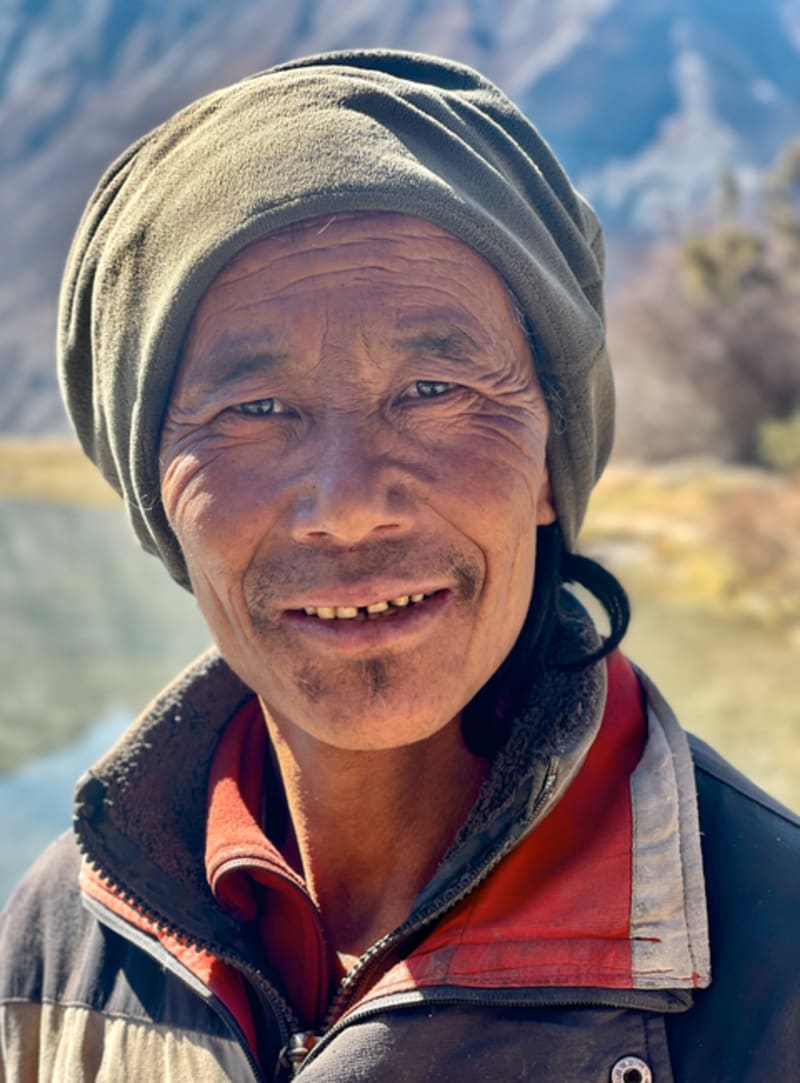
nepal Sikles
One of the largest Gurung settlements in Nepal, tucked into the Annapurna Conservation Area on a trail almost nobody outside serious trekking circles has heard of.
Explore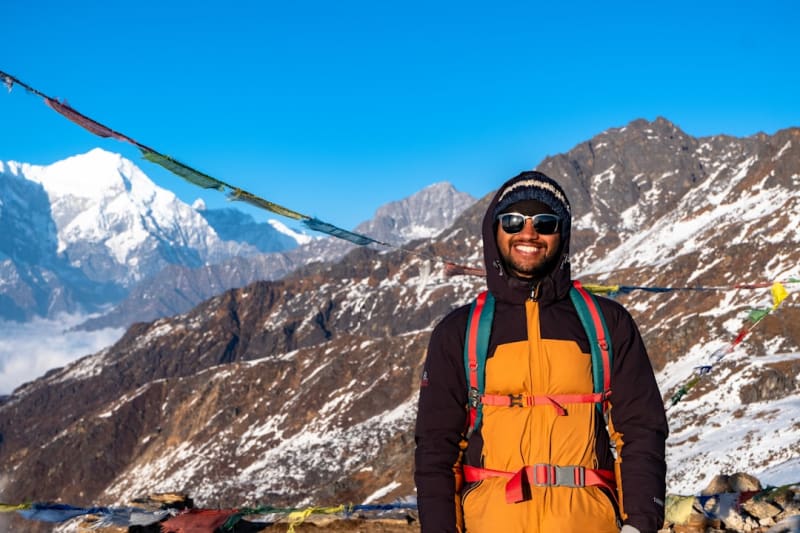 nepal
nepal Simikot
The roadless district capital of Humla, a cluster of stone-and-tin rooftops clinging to a ridge, and the last real outpost before the trail to Tibet.
Explore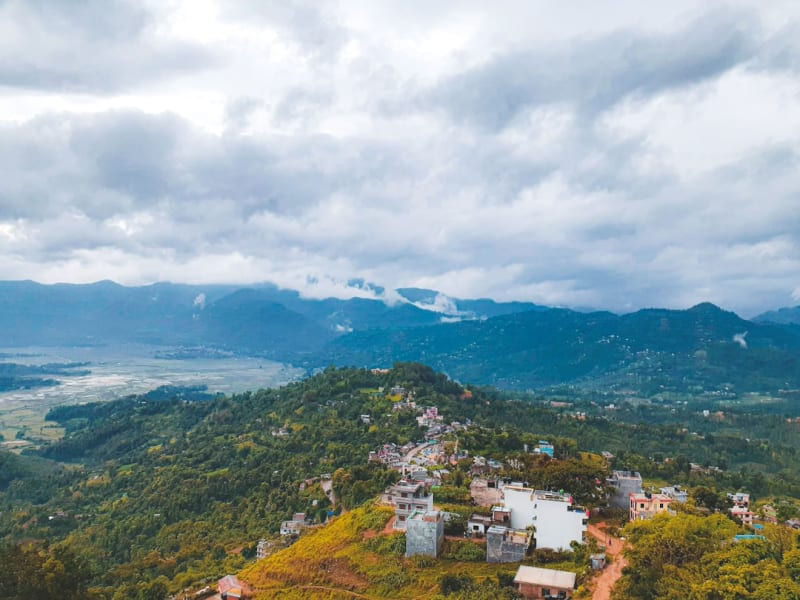 nepal
nepal Sindhuligadhi
A ruined hilltop fort on the old trade route between Kathmandu and the Terai, where a single 18th-century battle against the British East India Company is still remembered as a founding act of Nepali resistance.
Explore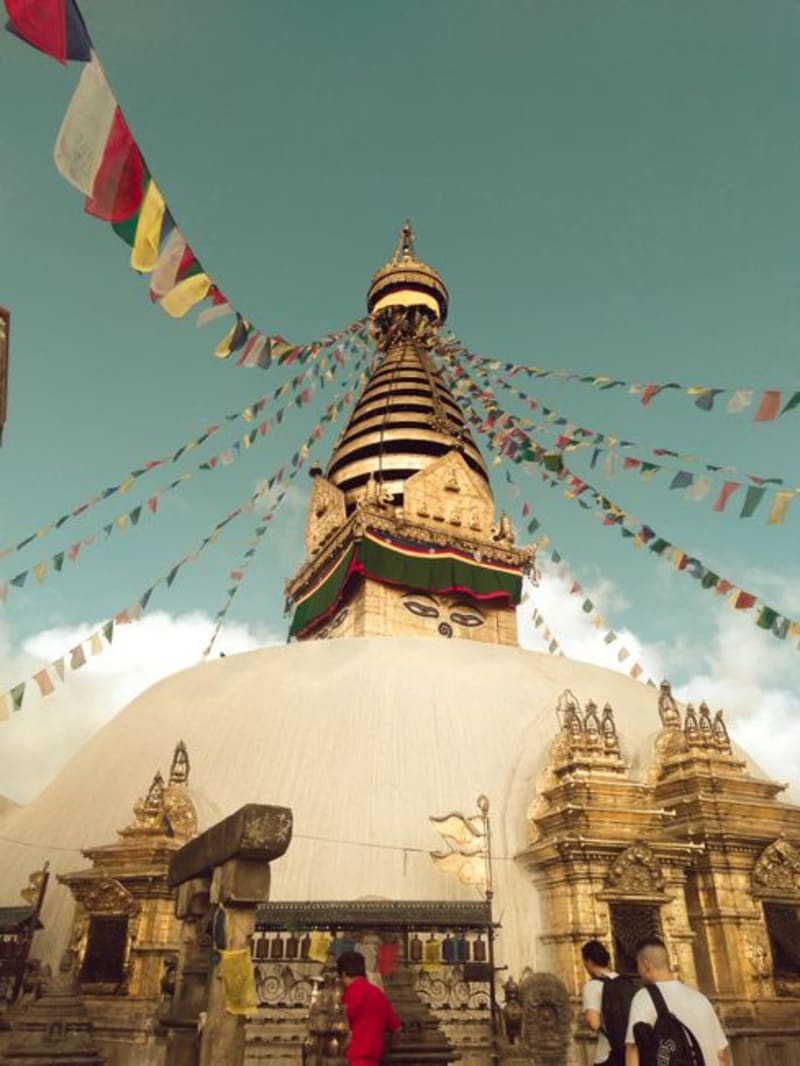 nepal
nepal Sing Gompa
A single-street cheese-making hamlet on the ridge between Langtang and Gosaikunda, where a Swiss-founded dairy has been turning yak milk into surprisingly good cheese since the 1980s.
Explore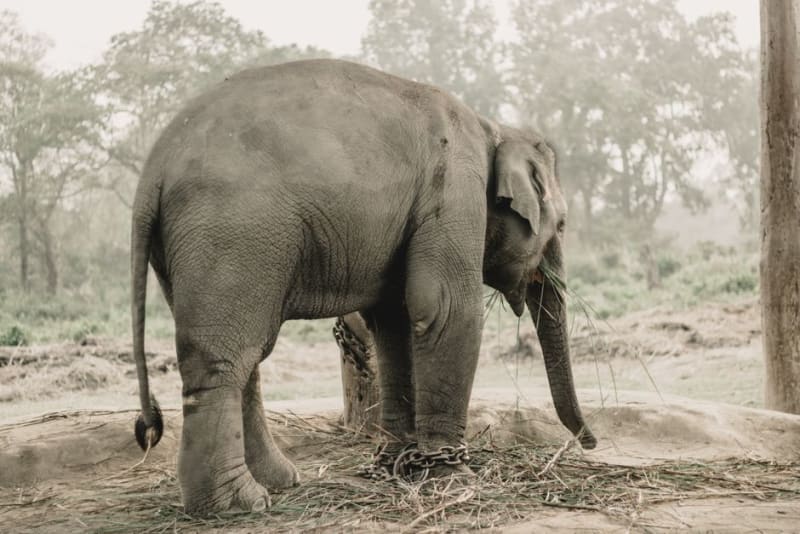 nepal
nepal Suklaphanta National Park
A far-western grassland reserve holding the world's largest population of swamp deer, wide open plains that feel more African savanna than Himalayan foothill.
Explore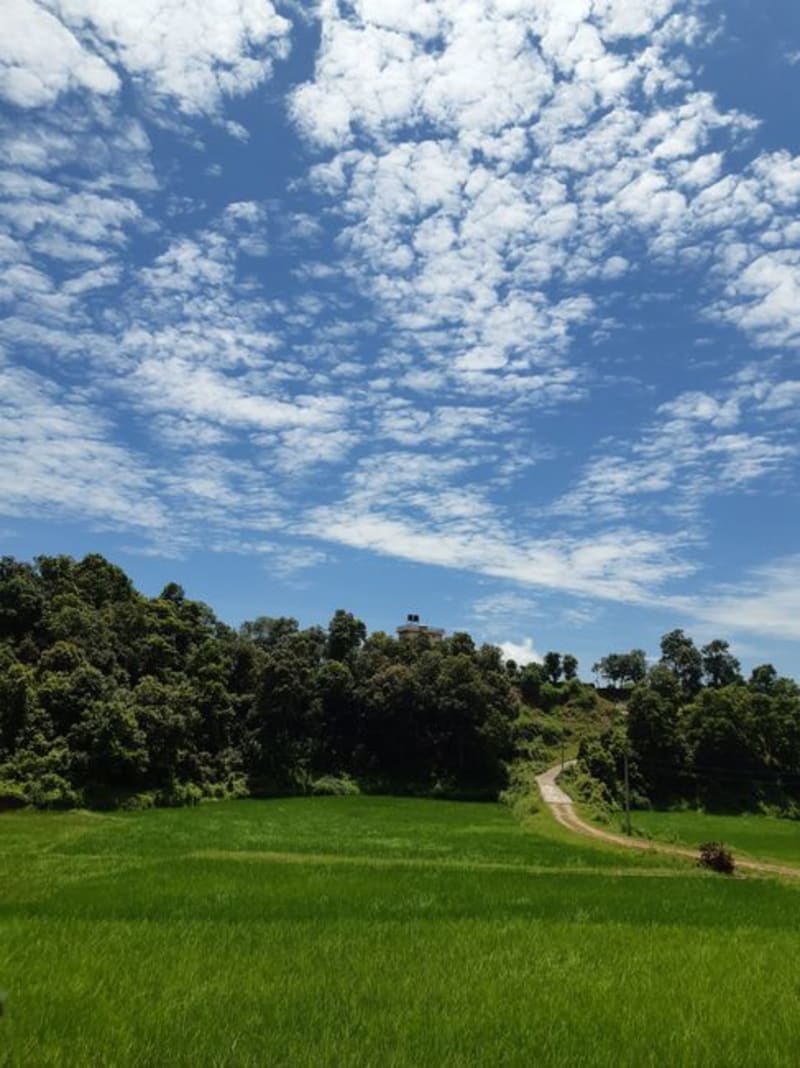 nepal
nepal Surkhet
The unglamorous mid-western hub valley that everyone passes through on the way to Humla or Jumla, and that turned out to be worth a day of its own.
Explore