Sarangkot
"Sarangkot doesn't show you the mountains. It shows you the exact second they catch fire."
The hilltop sunrise viewpoint above Pokhara where the entire Annapurna range catches fire at dawn.
Lia set the alarm for 4:40 and I hated her for it, briefly, in the dark. We’d arranged a taxi the night before — a shared Suzuki with two Korean backpackers and a driver who clearly did this run every morning of his life and had stopped finding it remarkable. The road out of Lakeside climbs fast, switchback after switchback, until the lights of Pokhara drop away below and you’re just headlamps and cold and the smell of someone’s instant coffee in a thermos.
The Viewpoint Before Light
We got out at the main tower a little after five, and it was already half full — a couple dozen people standing in the dark with their phones out, breath visible, nobody talking much. There’s a strange communal patience to a sunrise crowd. You’re all there for the same reason and none of you want to be the one who breaks the silence. I found a spot on the stone wall and Lia leaned into me for warmth, and we waited while the sky went from black to the deep blue that isn’t quite morning yet.
When the Range Catches Fire
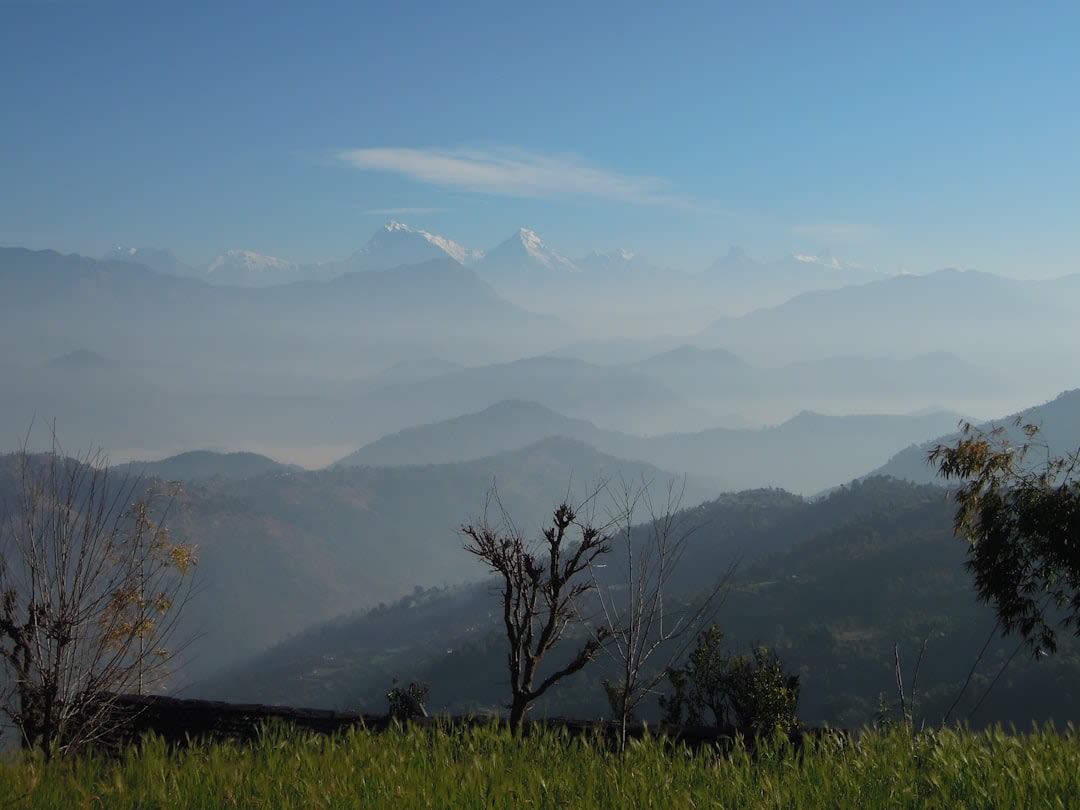
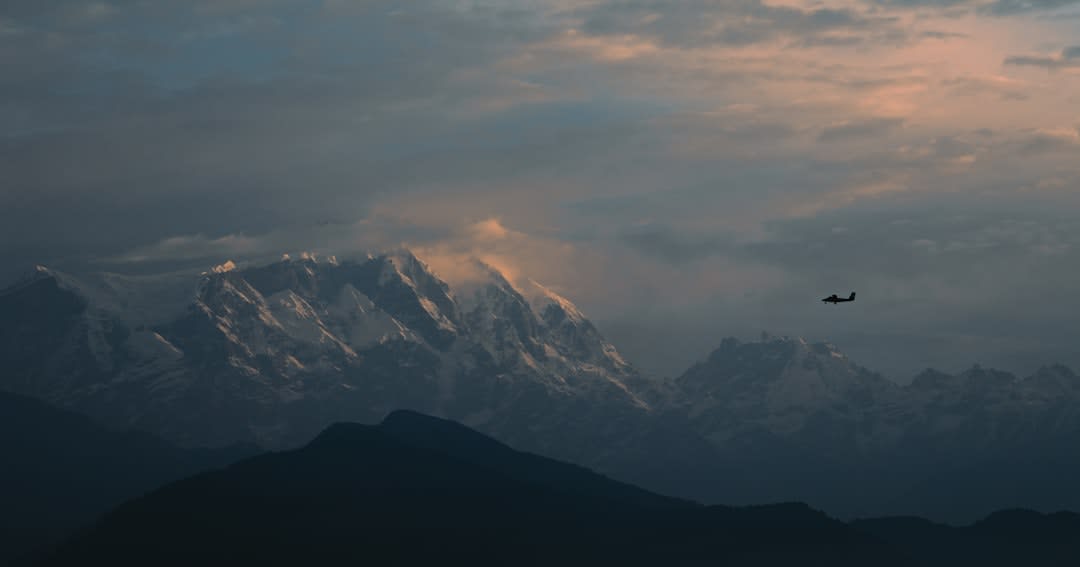
What happens next takes about eleven minutes, start to finish, and I know because I checked my watch obsessively the first time, terrified I’d miss it doing something stupid like adjusting a lens cap. The first color hits Machapuchare — a faint pink on the fishtail summit, nothing else touched yet — and then it spreads west along the ridgeline, peak by peak, Annapurna South and Hiunchuli and Dhaulagiri catching the same rose-gold in sequence, like someone is lighting them with a torch one at a time. Below, the Pokhara valley is still in shadow, Phewa Lake a dark smudge, and the contrast between the burning peaks and the sleeping valley floor is the whole point of climbing up here in the cold.
Paragliders and the Walk Down
By seven the tea stalls near the tower were doing brisk business in milk tea and boiled eggs, and the first paragliders of the day were already running off the launch site just below the main viewpoint, catching thermals out over the valley in slow lazy circles. We skipped the taxi back and walked down instead, a two-hour descent on a stone-stepped trail through terraced millet fields and small Gurung villages where kids were already walking to school in the opposite direction. It’s a better way to leave than you’d think — the mountains stay visible for most of the walk, shrinking slightly with every switchback, as if reluctant to let you go.
When to go: October through December gives the clearest, driest air and the sharpest sunrise visibility. Arrive before dawn regardless of season — clouds tend to build over the peaks by mid-morning even on clear days.
Keep exploring
More from Nepal
 nepal
nepal Seti Gorge
A river that vanishes into a slot canyon so narrow you can stand directly above it in the middle of Pokhara and barely notice.
Explore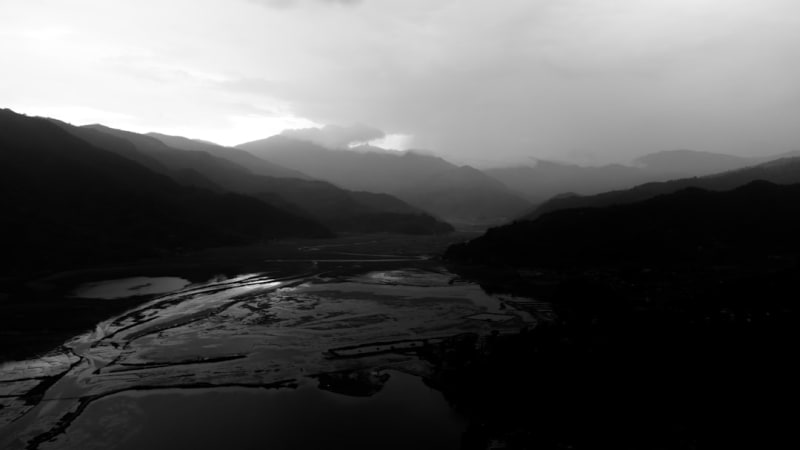 nepal
nepal Shey Phoksundo Lake
A turquoise glacial lake in Upper Dolpo so vivid it seems retouched, ringed by cliffs, chortens, and one of Nepal's oldest Bon monasteries.
Explore nepal
nepal Sikles
One of the largest Gurung settlements in Nepal, tucked into the Annapurna Conservation Area on a trail almost nobody outside serious trekking circles has heard of.
Explore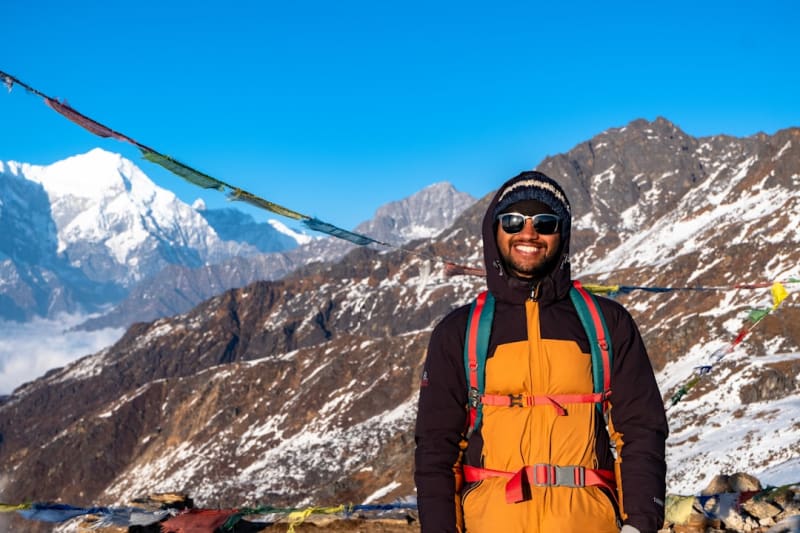 nepal
nepal Simikot
The roadless district capital of Humla, a cluster of stone-and-tin rooftops clinging to a ridge, and the last real outpost before the trail to Tibet.
Explore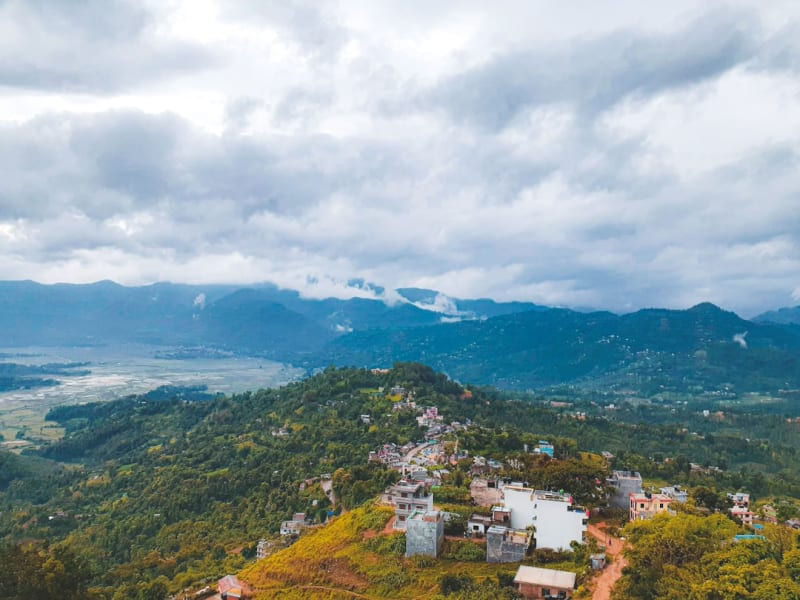 nepal
nepal Sindhuligadhi
A ruined hilltop fort on the old trade route between Kathmandu and the Terai, where a single 18th-century battle against the British East India Company is still remembered as a founding act of Nepali resistance.
Explore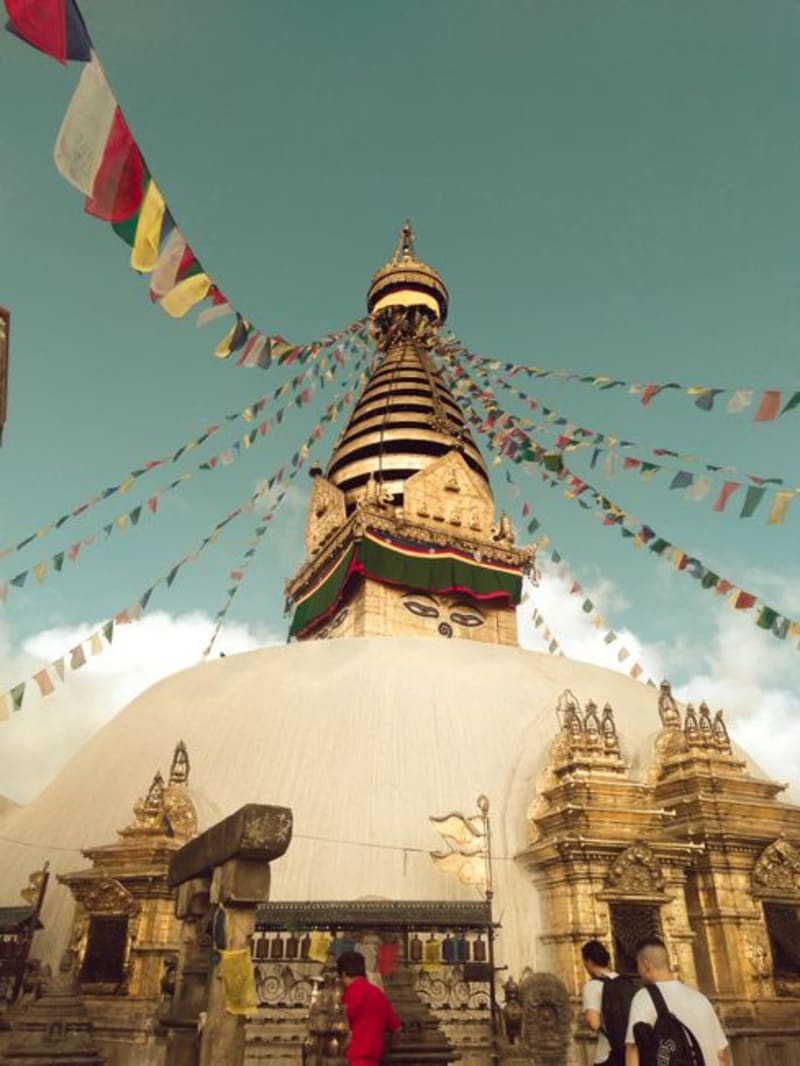 nepal
nepal Sing Gompa
A single-street cheese-making hamlet on the ridge between Langtang and Gosaikunda, where a Swiss-founded dairy has been turning yak milk into surprisingly good cheese since the 1980s.
Explore