The gentle first stop on the Everest trail, low enough that nobody feels the altitude yet and quiet enough that it never gets the credit it deserves.
Every guide to the Everest region rushes past Phakding to get to the famous names — Namche, Tengboche, Base Camp itself. It’s easy to see why: at 2,610 meters, barely below Lukla, it’s the mildest day of the entire trek, three hours of gentle riverside walking that nobody remembers as difficult. But I’ve come to think Phakding is underrated precisely because it’s the one evening where the trip still feels like a pleasant walk rather than an endurance test.
The Dudh Kosi Valley
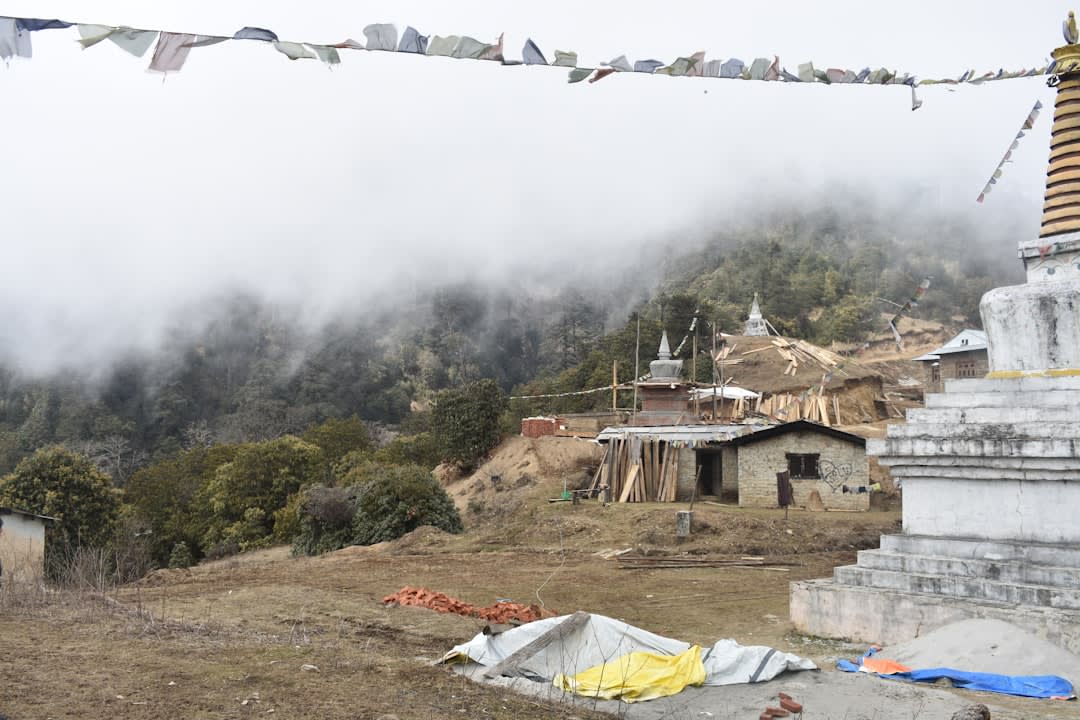
The trail out of Lukla drops down into the Dudh Kosi gorge, and Phakding sits right on the river, close enough that you fall asleep to the sound of glacial meltwater moving fast over stone. The village is small — a scattering of teahouses, a couple of shops selling last-minute gear, a monastery on the far bank — but the setting does the work. Pine forest climbs the slopes on both sides, and the first of the trek’s many suspension bridges crosses just south of the village center, cables straining under the weight of yaks, porters, and prayer flags all at once.
An Easy Night Before the Climb Begins
We arrived early enough to sit outside the teahouse for an hour before dinner, which almost never happens later in the trek once the days get longer and harder. Lia ordered the garlic soup that every guide insists prevents altitude sickness — dubious science, delicious regardless — and we watched porters coming down from Namche unhurried, done for the day. It’s a strange kind of calm, knowing the real climbing starts tomorrow.
Why It’s Worth Slowing Down For
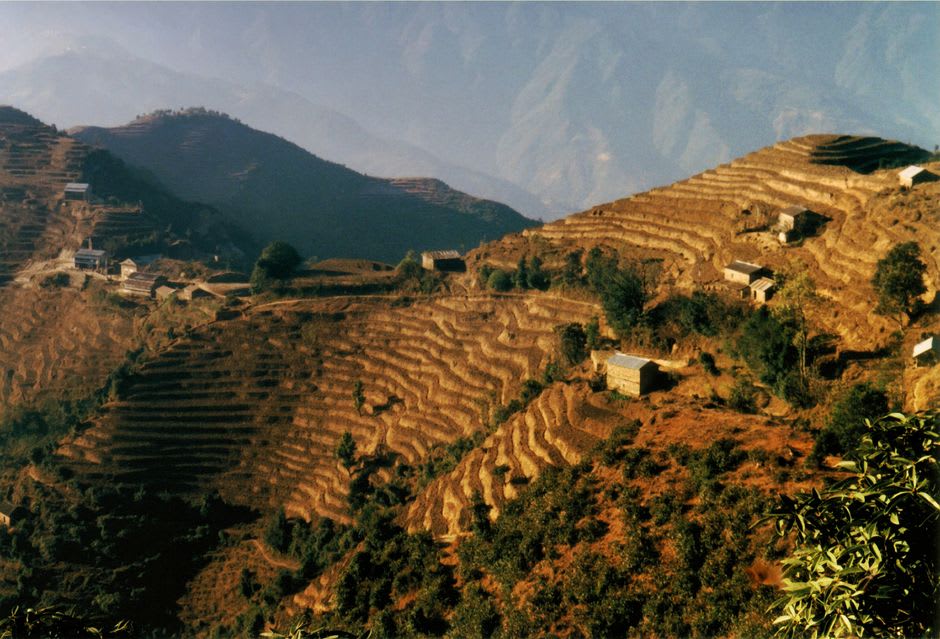
Because Phakding sits low, it’s also one of the few places on the route where rhododendron and pine forest still feel properly alive rather than thinned by altitude — birdsong in the morning, real green rather than scrub. Trekkers who blow through it in an afternoon miss a version of the Khumbu that disappears within a day’s walk.
When to go: Pleasant nearly year-round given its lower elevation, but October–November and March–April align it with clear weather for the harder days that follow. Monsoon season (June–August) brings leeches and slick trail sections along the river.
Keep exploring
More from Nepal
 nepal
nepal Pokhara
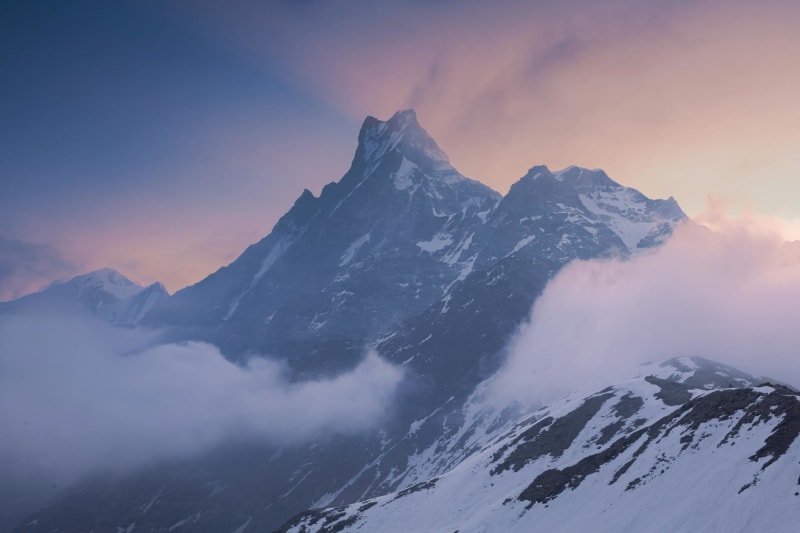
Trekking hub beside a mirror lake with the Annapurna range hovering in perfect reflection.
Explore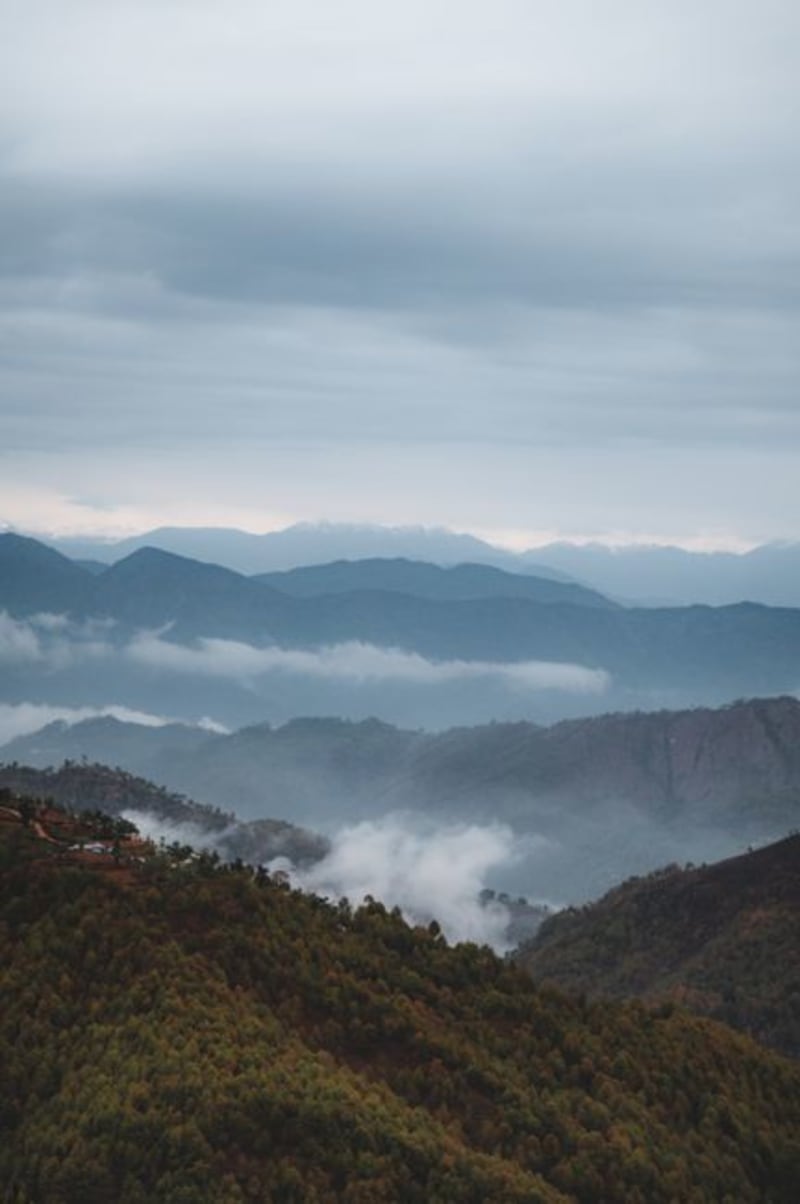 nepal
nepal Poon Hill
A 3,210-meter viewpoint above Ghorepani where a short, unglamorous pre-dawn climb delivers one of the widest mountain panoramas in Nepal without requiring a single high-altitude night.
Explore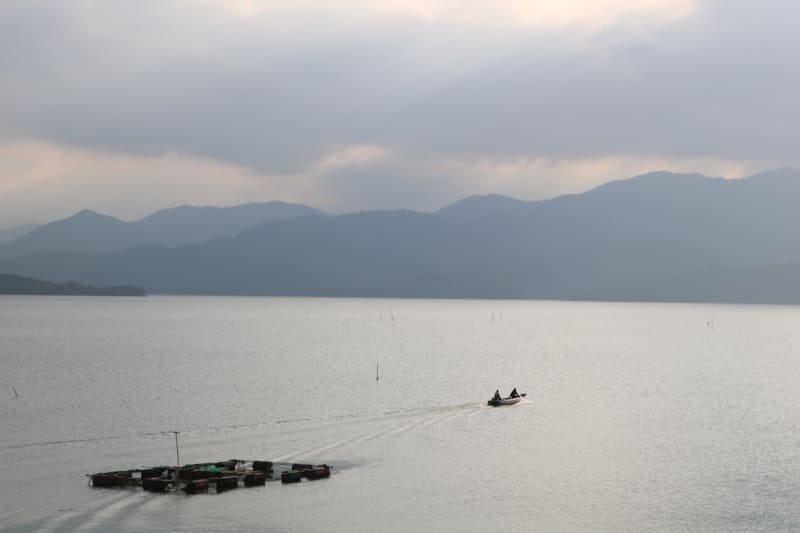 nepal
nepal Rara Lake
Nepal's largest lake, a sheet of cobalt water inside a remote national park in the far northwest, reached only on foot or by a small plane.
Explore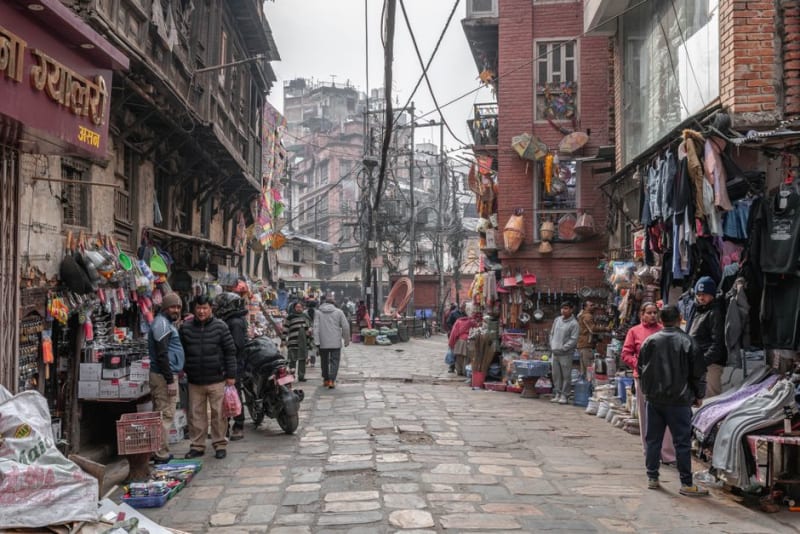 nepal
nepal Ridi Bazaar
A riverside pilgrimage town at the confluence of the Kali Gandaki and Ridi rivers, home to a black-stone temple and a bazaar tourism forgot entirely.
Explore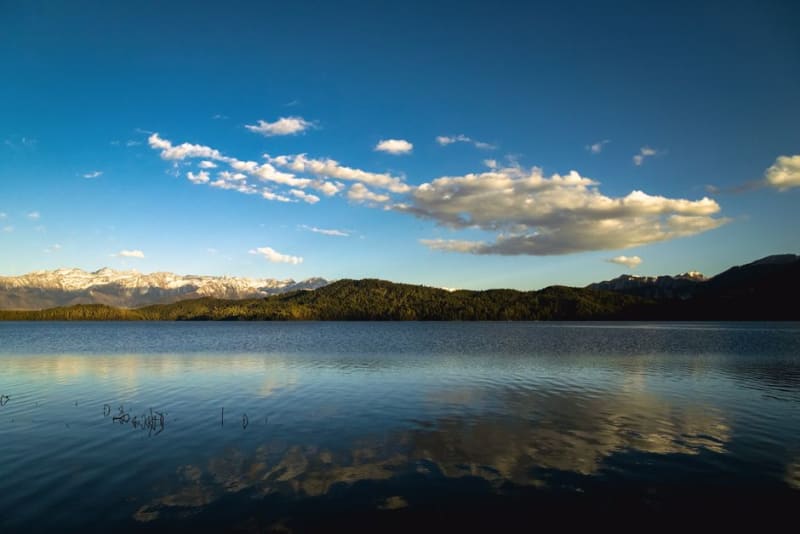 nepal
nepal Rupa Lake
The smallest and least visited of Pokhara's three lakes, worked by fishing cooperatives instead of tour boats.
Explore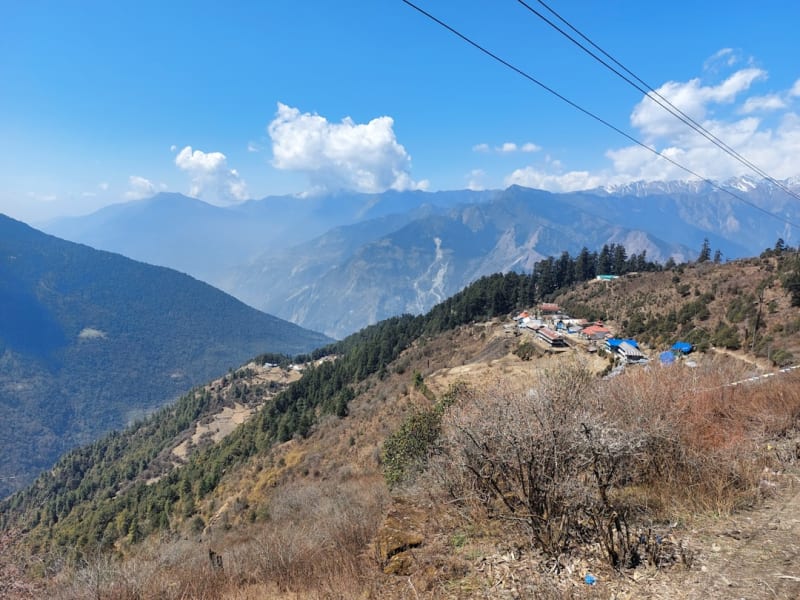 nepal
nepal Sarangkot
The hilltop sunrise viewpoint above Pokhara where the entire Annapurna range catches fire at dawn.
Explore