Kakani
"Everyone I know who's been to Nagarkot hasn't been to Kakani. I'm still not sure why, because the view is at least as good."
A quiet ridge-top hamlet northwest of Kathmandu, less famous than Nagarkot but with an arguably better angle on the Langtang and Ganesh Himal ranges, plus a pine forest that smells like nowhere else in the valley.
Kakani sits on a ridge northwest of Kathmandu, about an hour by road, and it gets a fraction of the visitors that Nagarkot pulls in for essentially the same trick: a high vantage point with a clean line of sight to the Himalaya, in this case angled more directly at the Langtang and Ganesh Himal ranges than the peaks visible from Nagarkot’s east-facing terraces. I went on a friend’s recommendation, without much expectation, and came away wondering why this side of the valley gets so overlooked.
Pine forest and a war memorial
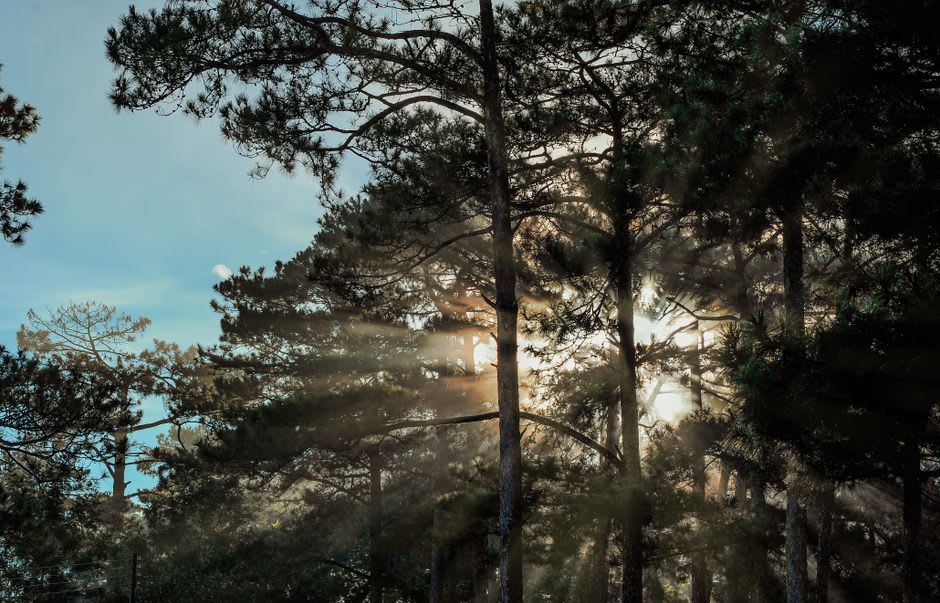
The road up to Kakani climbs through terraced farmland into a belt of tall pine forest planted decades ago, partly for watershed protection, and the smell of it — resin and cool air after the exhaust and dust of Kathmandu — is worth the drive on its own. There’s a small British Gurkha war memorial near the top of the ridge, a quiet, slightly incongruous cluster of gravestones commemorating soldiers who died in a 1970s air crash nearby, tucked into the pines with almost no signage and almost no visitors when I passed through.
The view without the crowd
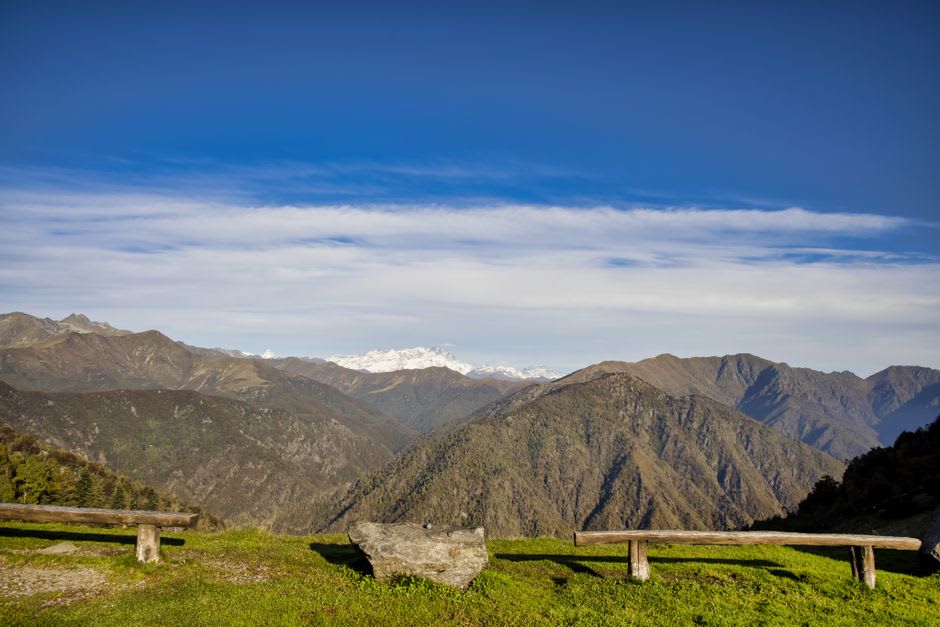
From the open viewpoint above the forest, the Langtang Himal range fills a huge stretch of the northern horizon — closer, in some ways, than the more distant peaks visible from Nagarkot — and on the clear October afternoon I visited, I had the entire viewpoint to myself except for two local teenagers filming a video for social media. No hotel terraces competing for the same angle, no tour buses, just a bench, a view, and enough quiet to actually sit with it for an hour.
A genuine alternative to Nagarkot
If you’ve already done Nagarkot, or want the same category of experience without the marketing machine around it, Kakani is a legitimate substitute — arguably a better one for anyone specifically hoping to see Langtang Himal up close. It’s less developed for tourism, which means fewer dining options and simpler accommodation, but for a half-day or overnight escape from the valley floor, that trade-off felt entirely worth it.
When to go: October through December gives the clearest views of the Langtang and Ganesh Himal ranges. March and April add blooming rhododendron to the forest sections. Avoid the monsoon months of June through September, when cloud cover blocks the mountain view almost entirely.
Keep exploring
More from Nepal
 nepal
nepal Kala Patthar
The pre-dawn viewpoint above Gorak Shep that delivers the Everest photograph nobody actually gets from Base Camp itself.
Explore nepal
nepal Kanchenjunga Base Camp
A remote three-week trek to the base of the world's third-highest mountain, through Nepal's most biodiverse and least-crowded conservation area.
Explore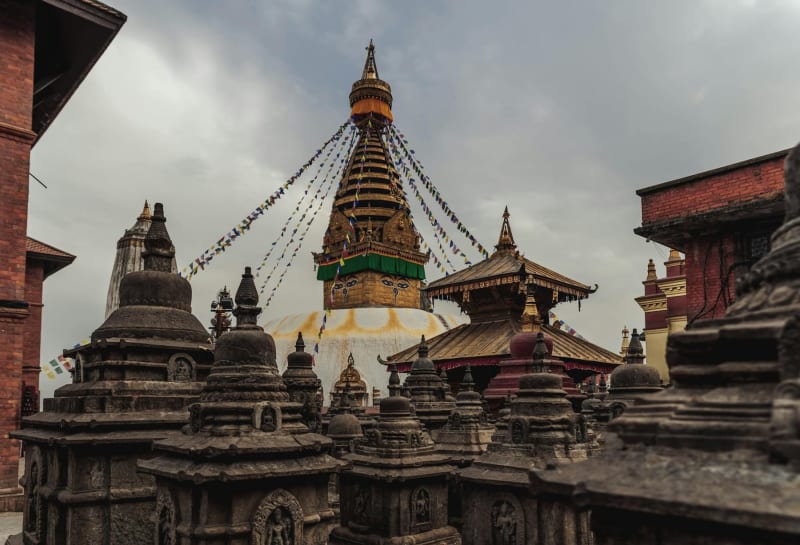 nepal
nepal Kathmandu
A labyrinth of medieval alleys, spinning prayer wheels, and the Boudhanath stupa's all-seeing eyes.
Explore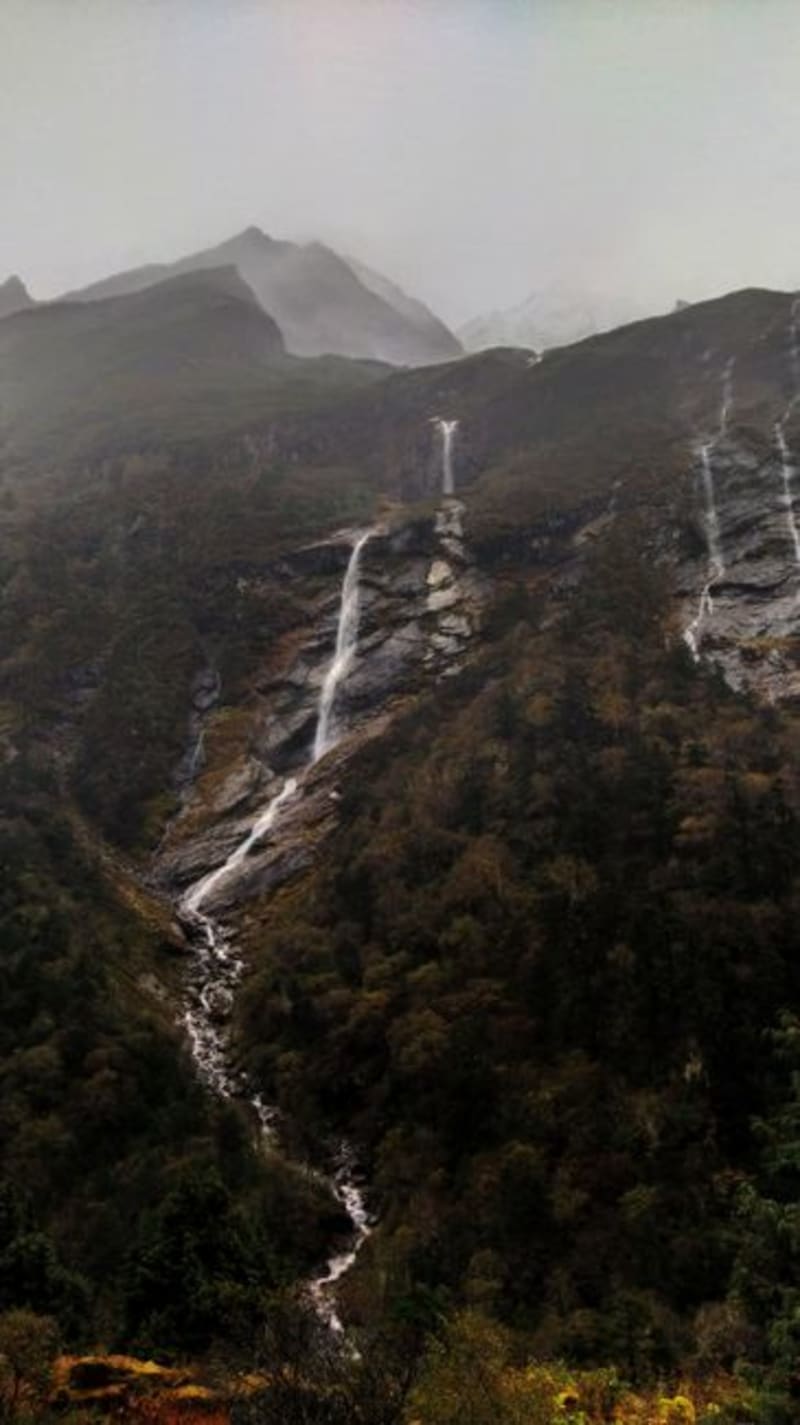 nepal
nepal Khaptad National Park
A high plateau of rolling meadows, oak forest, and hidden lakes in far-western Nepal, sacred to pilgrims and visited by almost no one else.
Explore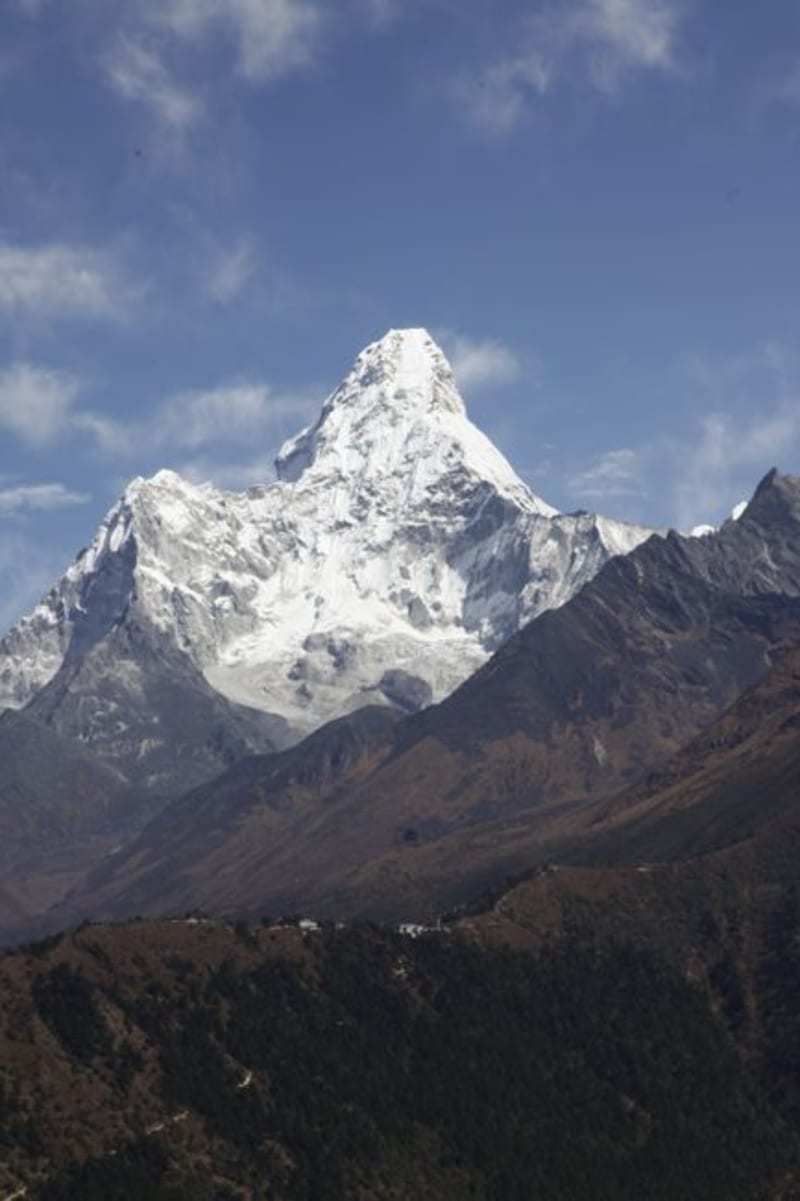 nepal
nepal Khumjung
A quiet Sherpa farming village above Namche, home to Edmund Hillary's oldest school and a monastery relic that draws its own peculiar kind of pilgrim.
Explore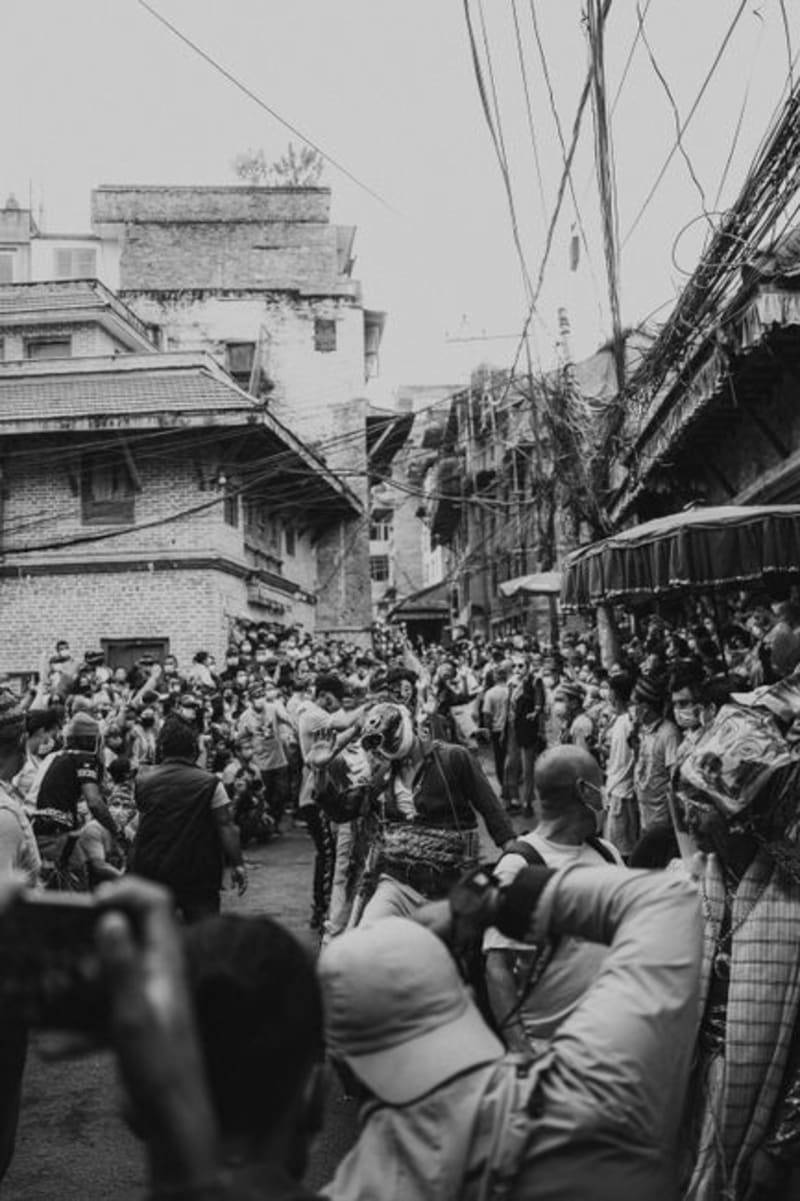 nepal
nepal Kirtipur
A hilltop Newari town on Kathmandu's edge that skipped the tourist economy entirely and kept its temples, weaving, and quiet.
Explore