Chisapani
"Two days out of Kathmandu, no altitude sickness, and a horizon full of the highest mountains on Earth. Chisapani felt like cheating."
A ridge-top viewpoint two days' walk from Kathmandu, where the Shivapuri forest gives way to open grassland and, on a clear morning, an unbroken wall of Himalayan peaks from Annapurna to Everest.
I’ll be honest about why I went to Chisapani: I had two spare days before a flight and no interest in another taxi ride to another temple. What I got instead was a short, steep walk out of the Kathmandu Valley through Shivapuri National Park’s protected forest, ending on a ridge at 2,165 meters with a 180-degree view of Himalayan peaks that, on a clear morning, reportedly stretches from the Annapurna range to Everest itself.
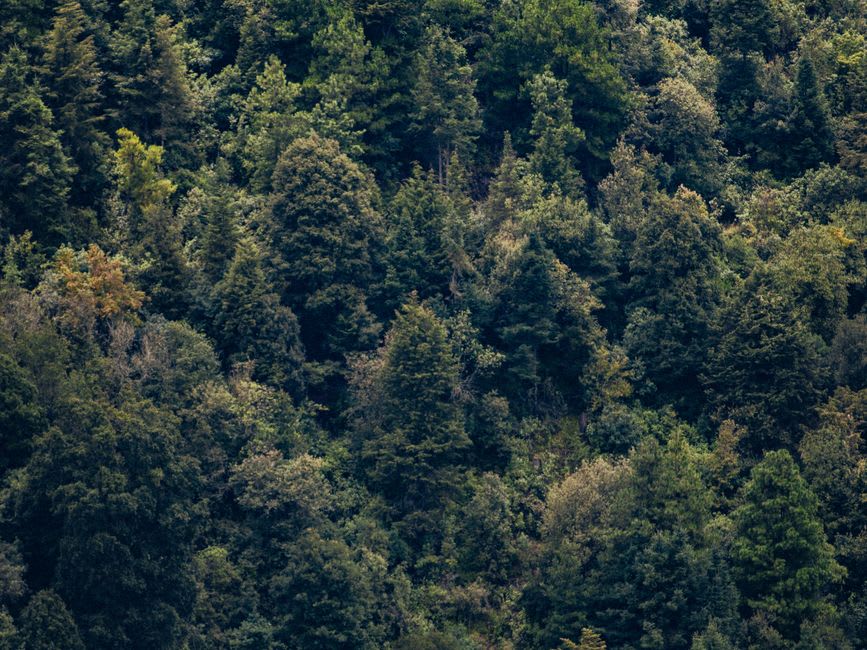
Through Shivapuri’s forest
The trail begins at Sundarijal, on the northeastern edge of the Kathmandu Valley, and climbs almost immediately into Shivapuri National Park — a protected watershed forest that supplies much of the capital’s drinking water and, as a side effect, has kept a stretch of old-growth oak and rhododendron forest intact within sight of a city of two million people. It’s an odd sensation: the trail is steep and genuinely forested, langur monkeys crash through the canopy overhead, and yet you’re never more than a few hours from Kathmandu traffic. The contrast is part of what makes it worth doing.
The ridge at dawn
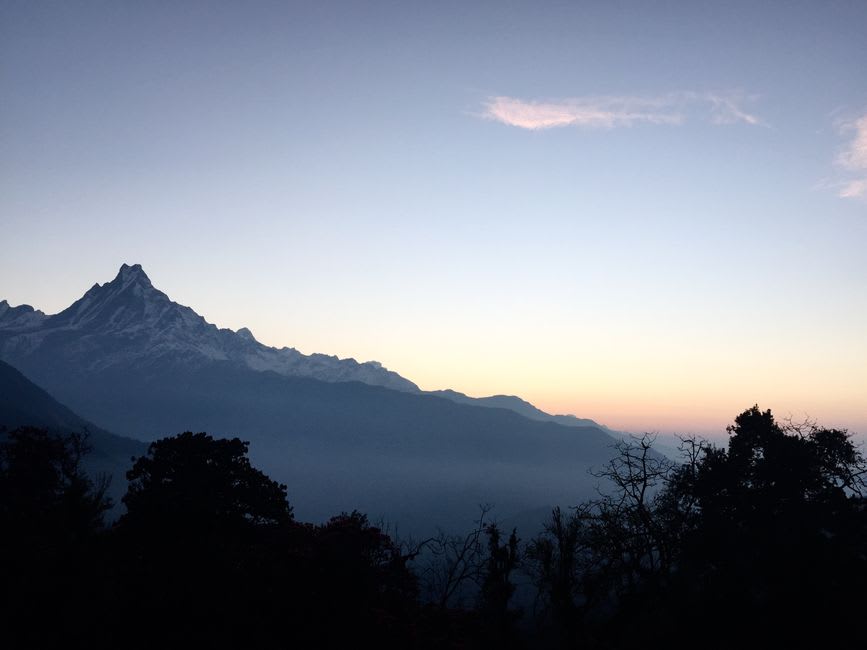
Chisapani itself is barely a village — a scattering of guesthouses and a police checkpoint on a exposed grassy ridge that marks the boundary of the park. I arrived in the afternoon under a hazy sky and assumed I’d missed the view entirely, then woke before sunrise to a completely different atmosphere: the haze had settled into the valleys below, and above it, catching the first light, was an actual wall of snow peaks running from west to east as far as I could see. I’m not exaggerating when I say it’s one of the most efficient mountain views in Nepal — no multi-day trek, no altitude risk, just an early alarm and a short walk to the ridge edge.
A trek for people short on time
Chisapani works as a standalone overnight trip from Kathmandu, or as the first leg of the longer Helambu circuit toward Tarkeghyang and beyond. For most visitors — the ones with a week in Nepal and a long list of temples and treks competing for the same days — it’s a genuinely efficient way to get a real Himalayan panorama without committing to altitude, logistics, or a week away from the capital. I’ve recommended it to more first-time visitors than almost anywhere else in the country.
When to go: October through December gives the clearest, haze-free mountain views. Late February through April also works, though afternoon haze builds up more often as the dry season progresses. Avoid the monsoon months of June through September, when clouds obscure the range almost entirely.
Keep exploring
More from Nepal
 nepal
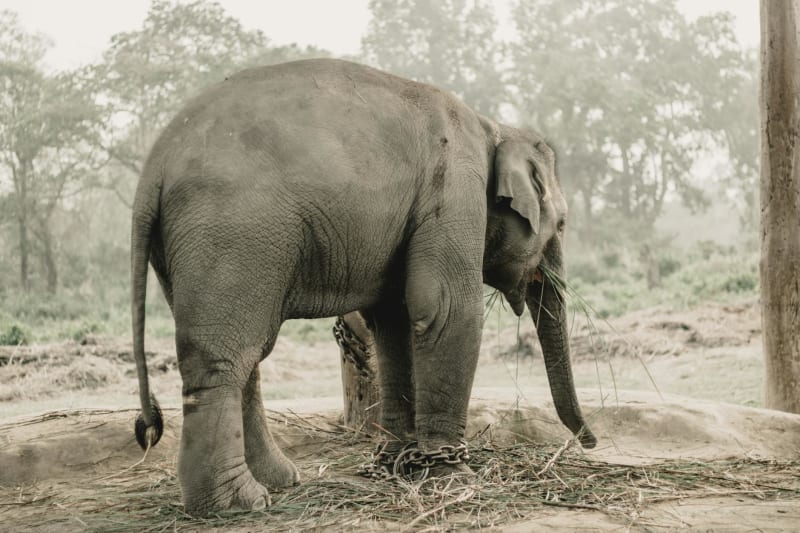
nepal Chitwan
Dense lowland jungle with one-horned rhinos, Bengal tigers, and guided canoe safaris on jungle rivers.
Explore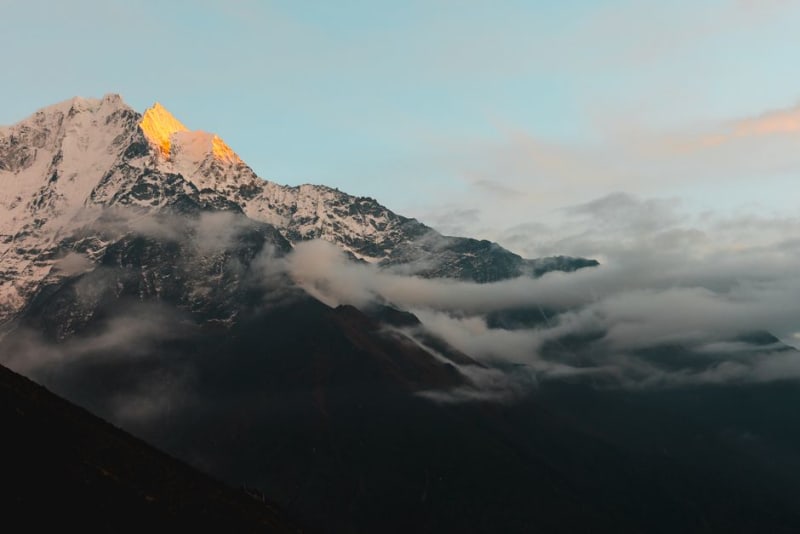 nepal
nepal Chukhung
A tiny valley outpost beyond Dingboche, the last stop before Island Peak, where the crowds thin out and the mountain walls close in from every side.
Explore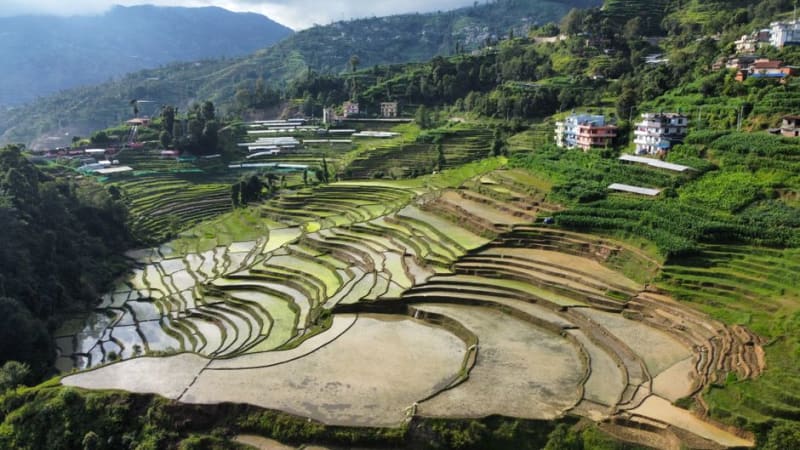 nepal
nepal Dadeldhura
A hill-station district capital in the deep far-west, cooler and quieter than anywhere on the standard Nepal itinerary, with views toward India and Tibet alike.
Explore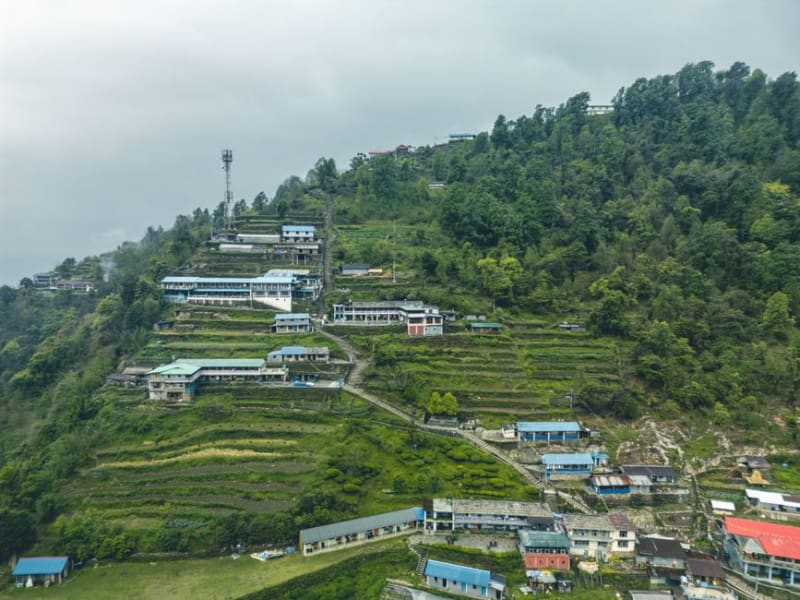 nepal
nepal Daman
A sleepy ridge-top viewpoint on the old Tribhuvan Highway where, on a clear morning, you can see more Himalayan peaks at once than anywhere else in Nepal.
Explore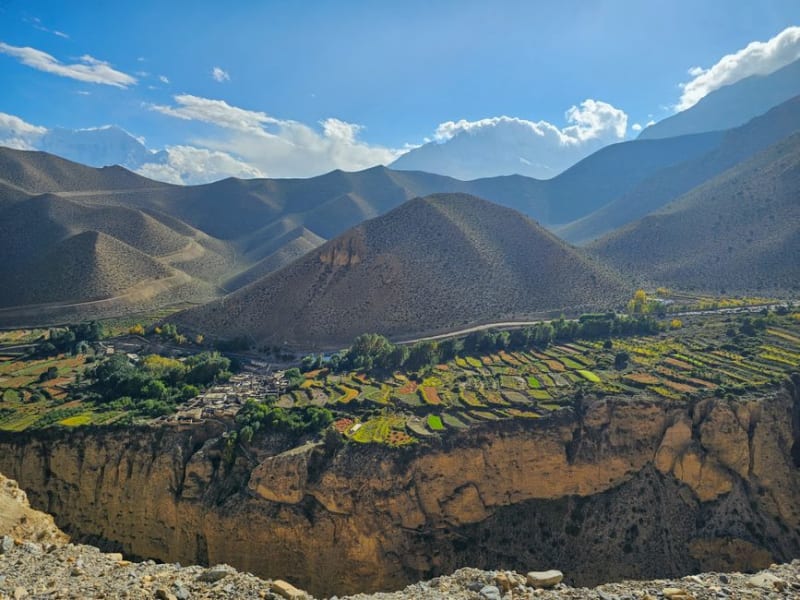 nepal
nepal Dang Valley
A wide inner-Terai valley ringed by hills, historically resistant to malaria eradication and settlement, that today offers a slower, largely undiscovered version of lowland Nepal.
Explore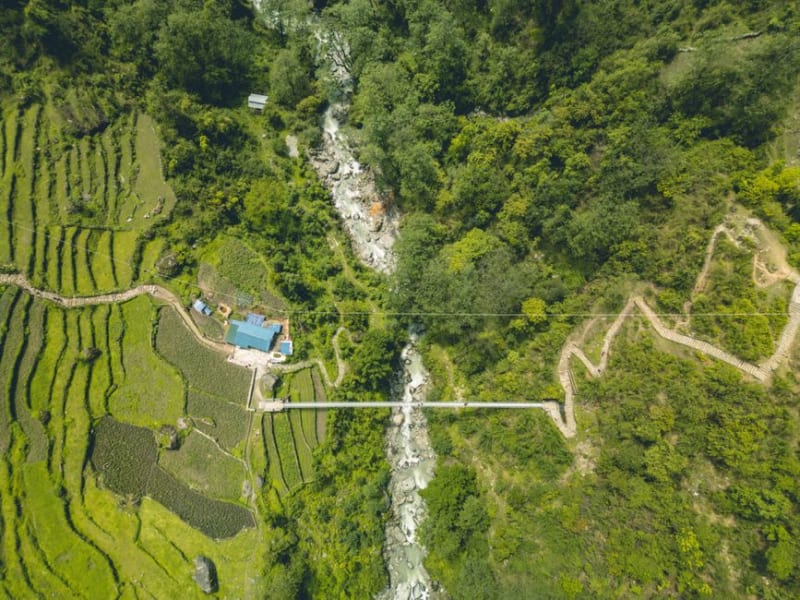 nepal
nepal Darchula
Nepal's northwesternmost district, a Himalayan border corridor along the Mahakali River beneath the Api and Nampa peaks, as far from Kathmandu as the country gets.
Explore