The medieval Newari city that survived intact when Kathmandu didn't, all red brick, carved wood, and pottery drying in the sun.
Lia and I took a local bus out to Bhaktapur mostly to escape the noise of Thamel for a day, and ended up staying until the entry gates closed. The 2015 earthquake hit this city hard — you can still see the gaps where certain temples used to stand, marked now with small plaques and photographs — but what remains is so dense with carved wood and fired brick that it barely registers as damage. It registers as history, still working.
Durbar Square Without the Rush
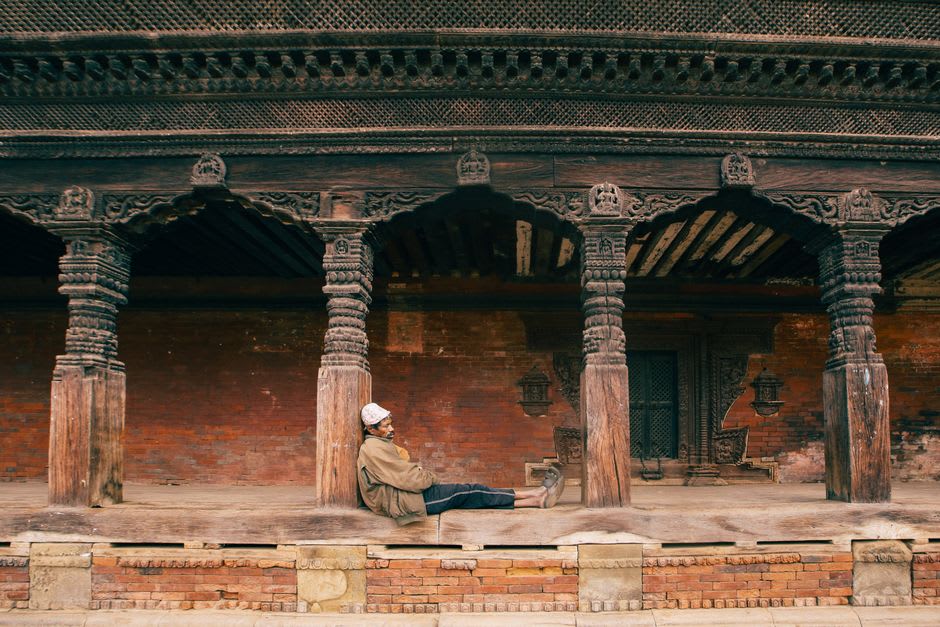
Bhaktapur charges an entrance fee that keeps the crowds thinner than Kathmandu’s own Durbar Square, and the money reportedly goes toward restoration, which felt like the rare tourist fee I didn’t resent paying. The 55-Window Palace stretches along one side in dark, oiled wood, its windows genuinely uncountable from any single vantage point. I sat on the stone steps of the Vatsala temple’s plinth for the better part of an hour, watching an old woman feed pigeons from a brass bowl at exactly the same spot every fifteen minutes, as if she and the birds had negotiated a schedule decades ago.
Pottery Square and the Smell of Wet Clay
A ten-minute walk south brought us to Pottery Square, where entire courtyards are given over to men throwing pots on stone wheels spun by hand and laid out to dry in the sun in geometric rows — hundreds of identical clay vessels baking under the same light. One potter, noticing Lia’s camera, waved her closer and let her spin the wheel herself for a few turns, laughing at the wobble she produced. We bought two small yogurt cups from a stall nearby just for the excuse to eat juju dhau, Bhaktapur’s famous “king of yogurt,” out of a clay pot that had probably been made a hundred metres from where we stood.
Taumadhi Square at Dusk
We ended the day at Taumadhi Square, dominated by the five-tiered Nyatapola Temple — the tallest pagoda in Nepal, guarded by pairs of stone figures said to each be ten times stronger than the pair below. As the light dropped, the square filled with people simply sitting, not performing tourism, just occupying the steps the way people occupy a park bench. A man sold sel roti, the ring-shaped rice doughnut, from a cart lit by a single bulb, and we ate ours standing in the shadow of the temple’s steep staircase, unwilling to leave before the last color drained from the brick.
When to go: October through December for clear air and comfortable walking temperatures after the monsoon. Early morning or just before the 6pm closing is when the square empties of day-trippers.
Keep exploring
More from Nepal
 nepal
nepal Bhojpur
A remote hilltop bazaar famous for hand-forged khukuri blades, reached only on foot or by a single short mountain flight.
Explore nepal
nepal Bindhyabasini Temple
Pokhara's oldest temple, a working Hindu shrine in the old bazaar where the city's actual daily life unfolds.
Explore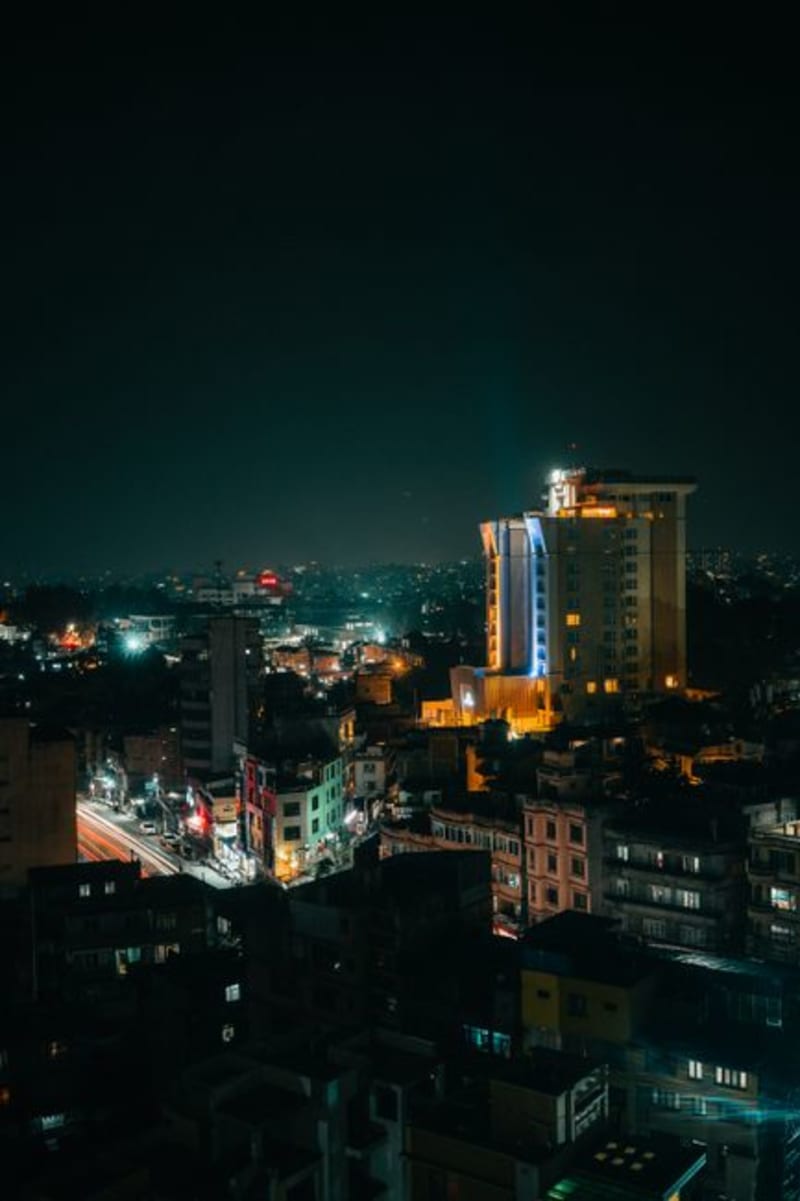 nepal
nepal Biratnagar
Nepal's industrial second city and eastern gateway, a hot, unglamorous, genuinely working town that revealed a side of the country the tourist trail skips entirely.
Explore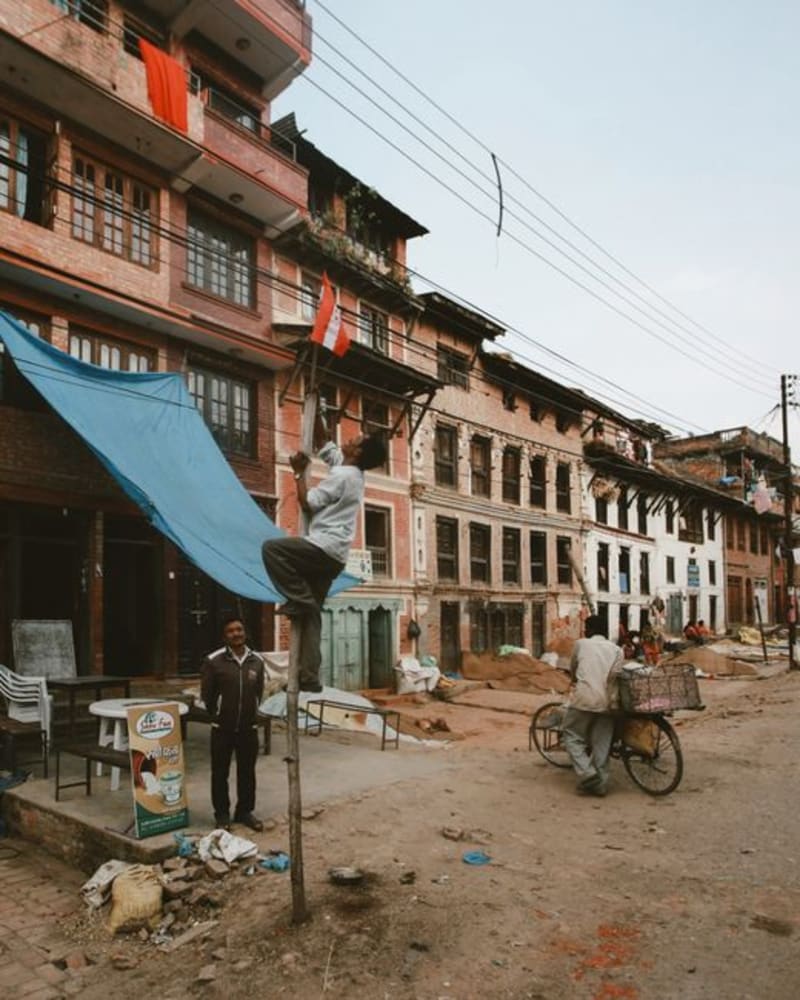 nepal
nepal Birgunj
Nepal's busiest border crossing city, a hot, transactional, endlessly fascinating gateway town where nearly all overland trade with India funnels through one road.
Explore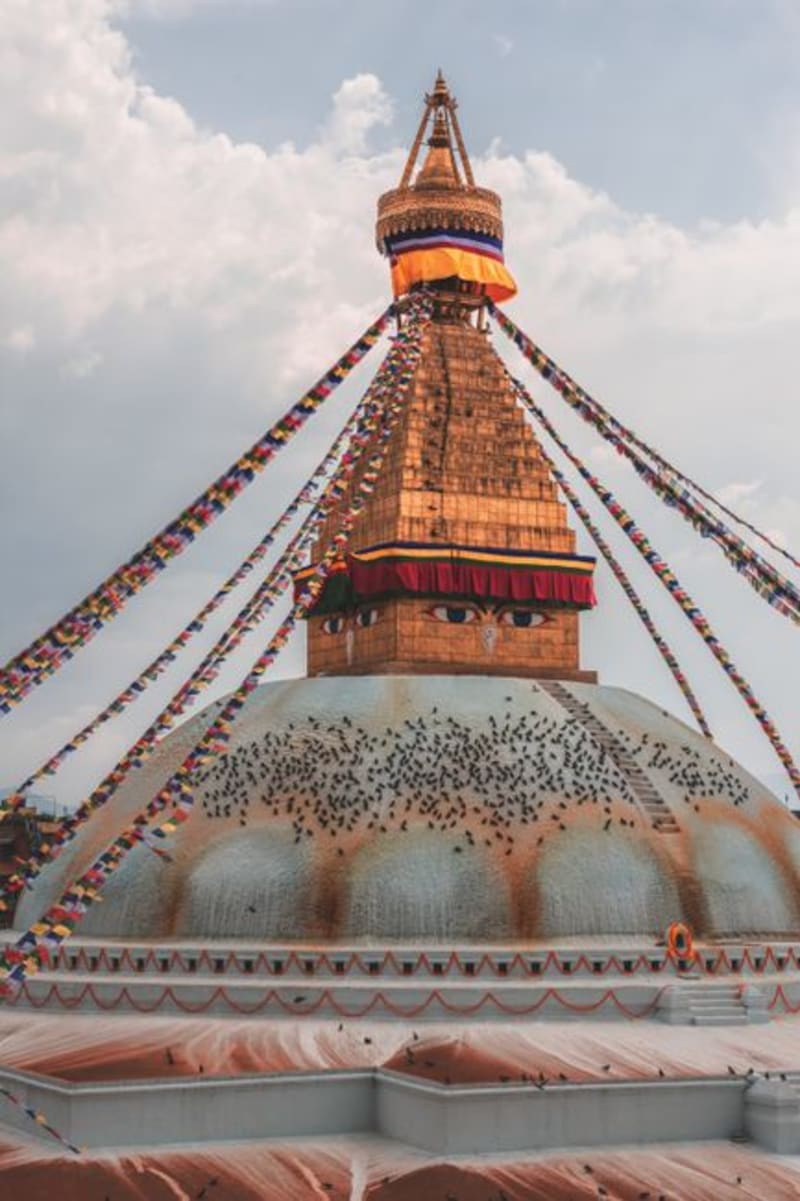 nepal
nepal Boudhanath
The largest Buddhist stupa in Nepal, its painted eyes watching over a neighborhood of monasteries, maroon robes, and butter tea.
Explore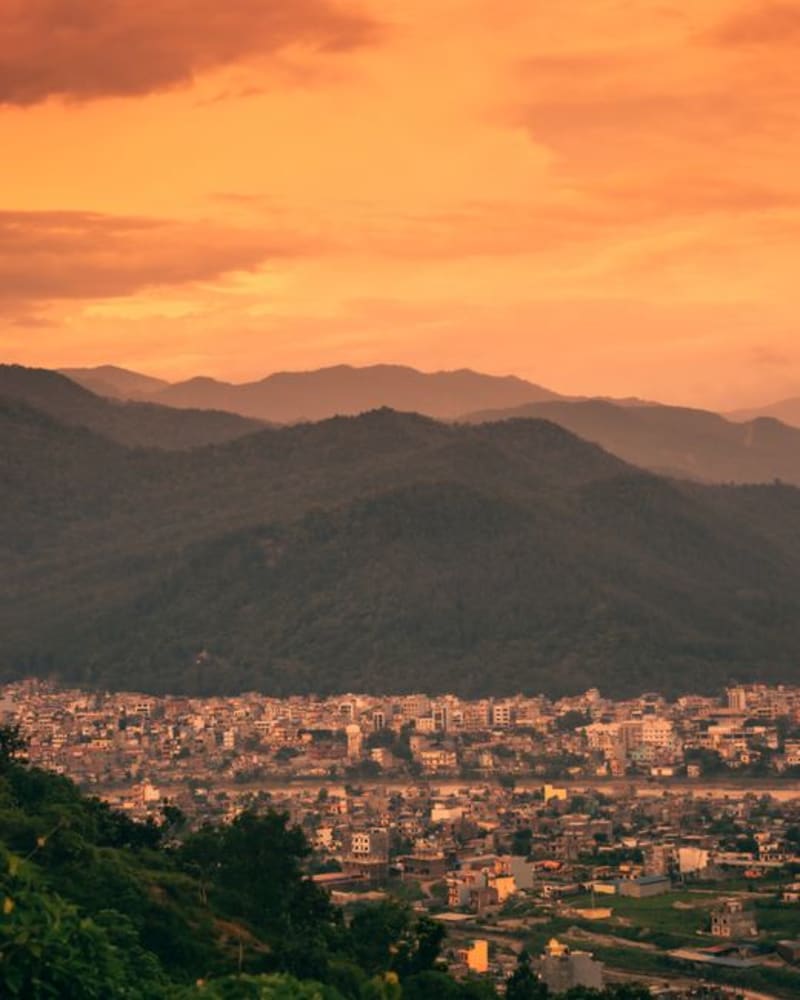 nepal
nepal Butwal
A fast-growing crossroads city where the Terai plains meet the first hills, and where the Tinau River carves a surprisingly scenic gorge right through downtown.
Explore