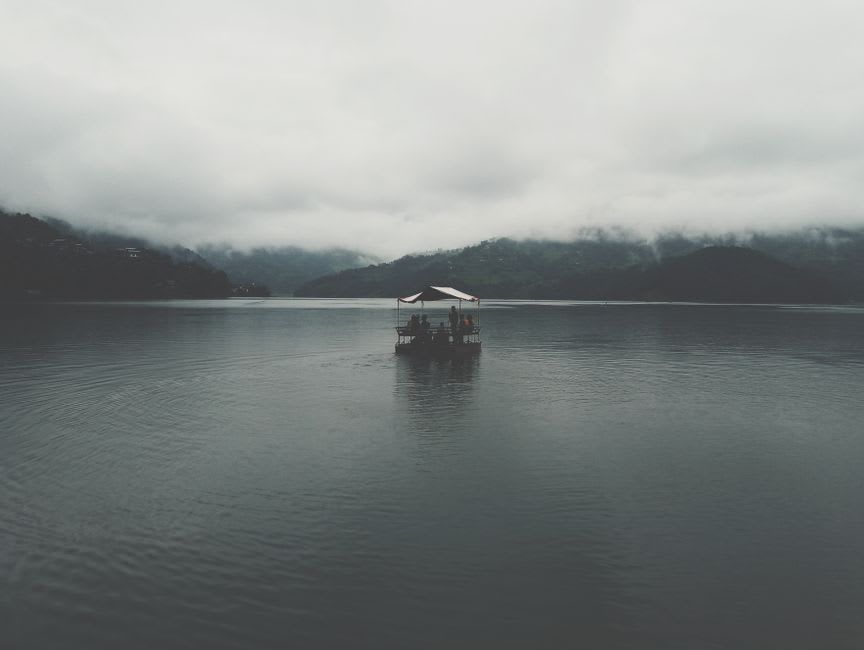
Pokhara's quieter second lake, ringed by forested hills and almost entirely free of the Lakeside crowds.
We hired two bicycles from a shop near our guesthouse and rode the twenty-some kilometers out to Begnas on a whim, mostly because a Danish couple at breakfast had described it as “Phewa but nobody’s there,” which turned out to be almost exactly right. The road east of Pokhara climbs gently through rice terraces and small roadside settlements, past buffalo standing in irrigation channels, and by the time we crested the final rise and the lake opened up below us, we’d worked up enough of a sweat that the view felt earned rather than delivered by taxi.
A Lake Without a Lakeside
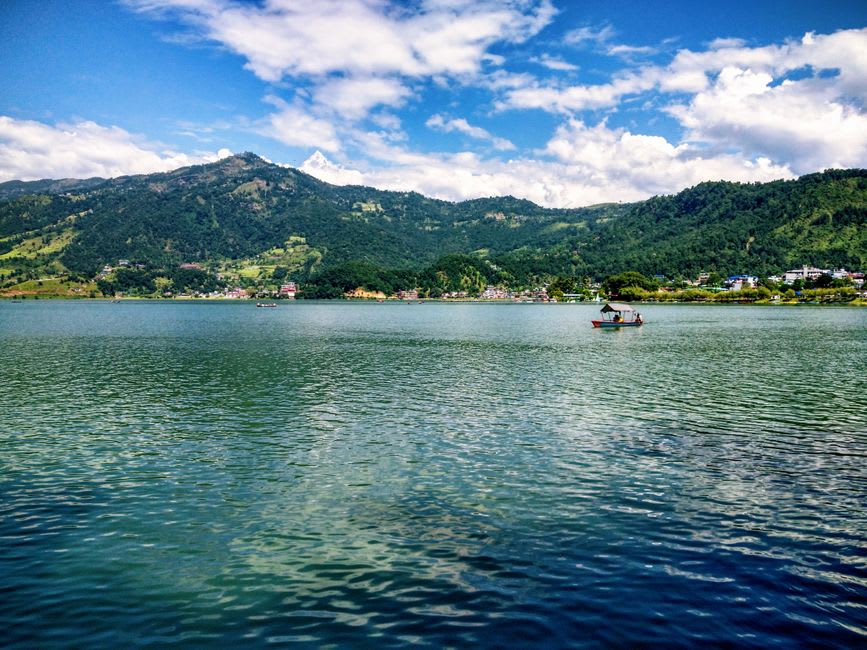
There’s no strip of guesthouses and pizza restaurants here, no rental shops stacked three deep. Begnas is ringed instead by forest and modest farmland, the water a deep, still green that reflects the hills with none of the haze that sometimes softens Phewa’s reflection in the afternoon. A handful of wooden rowboats sat pulled up on a muddy bank near a small dock, and an older man who turned out to be the boat’s owner rowed us out himself, refusing to let us do it, occasionally pointing out fish traps set by local families who still fish the lake commercially.
Fish, Cooked Simply
Lunch happened at a lakeside shack that specialized in exactly one thing — fish caught that morning from Begnas itself, gutted, stuffed with garlic and chili, and grilled whole over charcoal until the skin blistered. We ate it with our hands at a plastic table six feet from the water, and it remains one of the simplest, best meals I had anywhere in the Pokhara valley, precisely because there was nothing to it beyond good fish and a hot fire.
The ride back into Pokhara felt longer than the ride out, mostly because we’d eaten too much fish and the afternoon heat had settled in, but I remember being glad we’d made the effort rather than staying comfortably at Phewa. Some lakes reward the extra twenty kilometers.
When to go: October through March offers the clearest water and coolest cycling weather. Avoid the peak of monsoon season if you’re riding a bicycle out — the road floods in sections and the lake turns a muddy brown that erases most of the appeal.
Keep exploring
More from Nepal
 nepal
nepal Bhaktapur
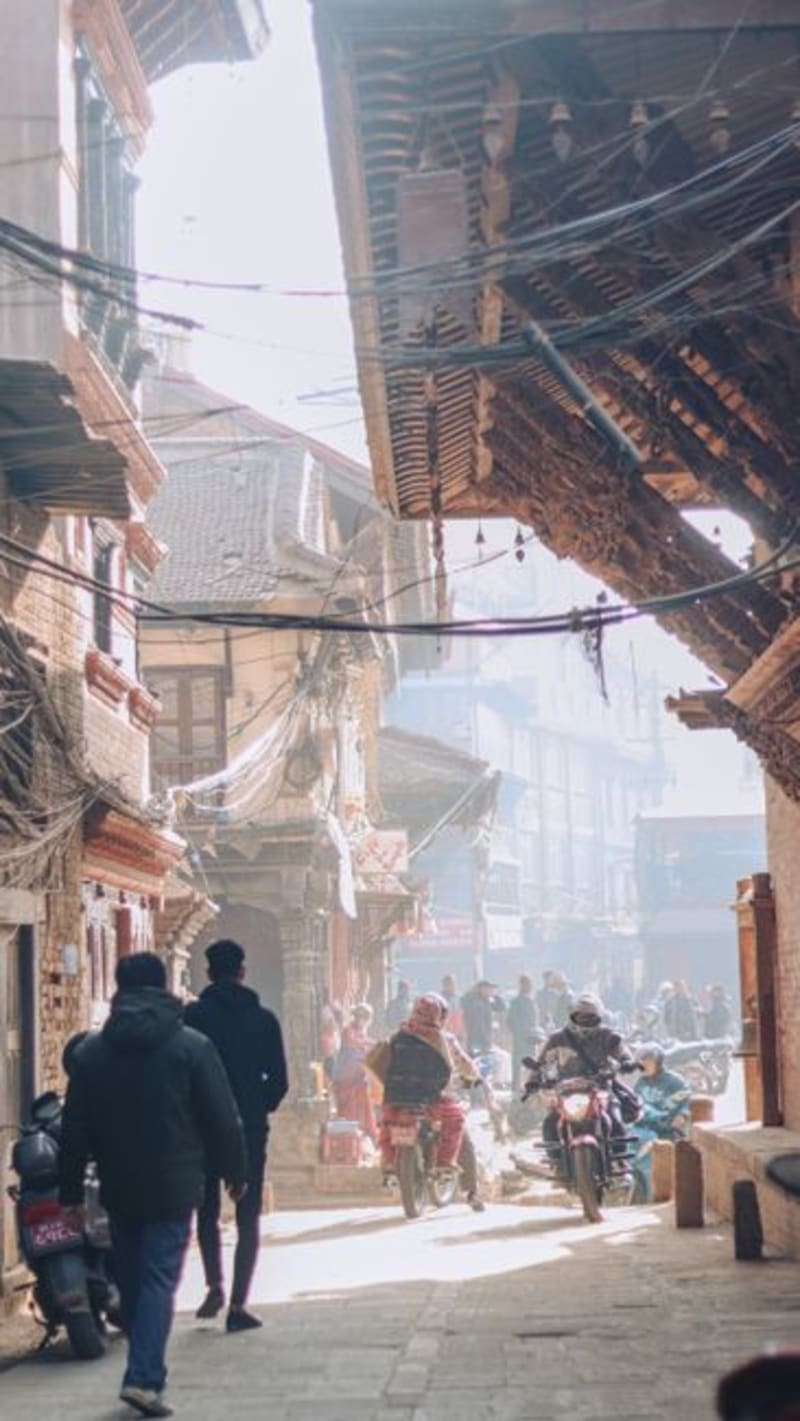
The medieval Newari city that survived intact when Kathmandu didn't, all red brick, carved wood, and pottery drying in the sun.
Explore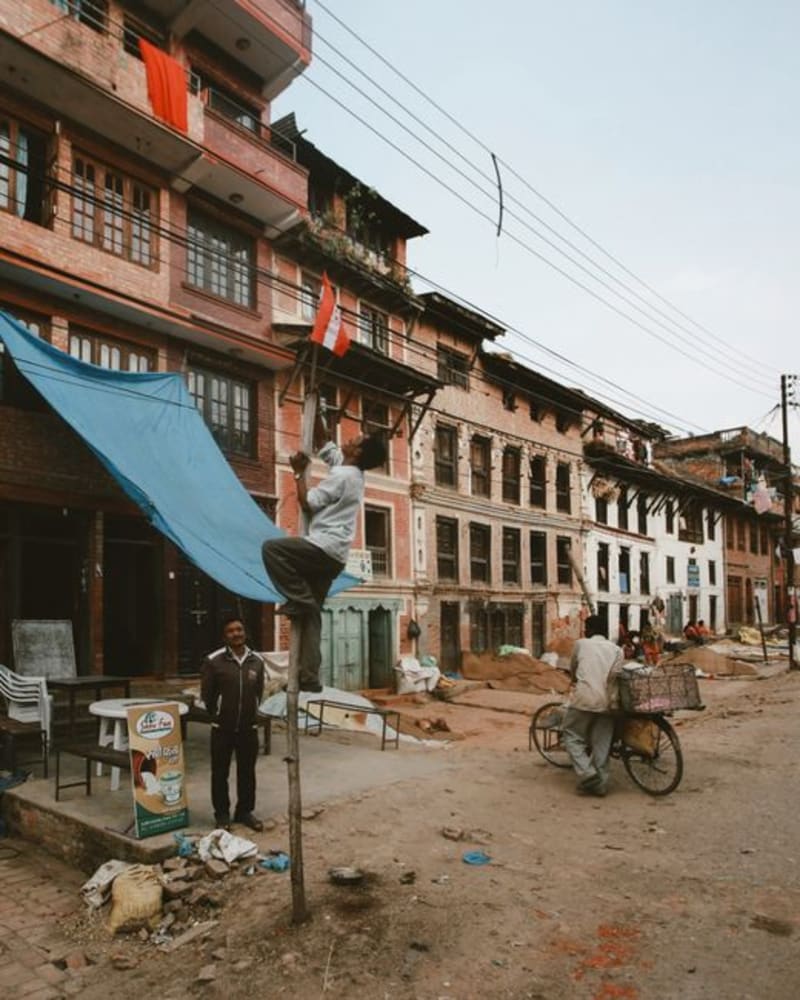 nepal
nepal Bhojpur
A remote hilltop bazaar famous for hand-forged khukuri blades, reached only on foot or by a single short mountain flight.
Explore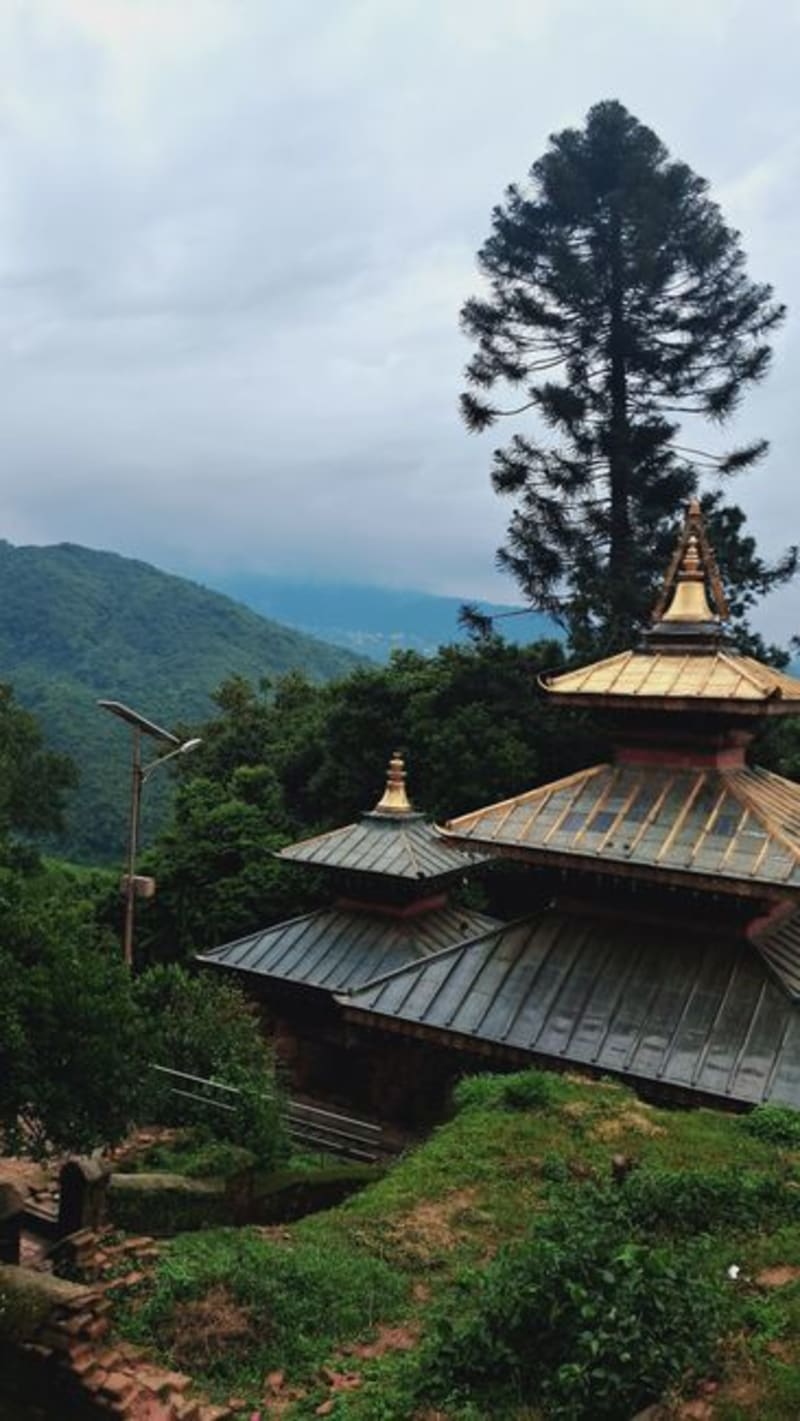 nepal
nepal Bindhyabasini Temple
Pokhara's oldest temple, a working Hindu shrine in the old bazaar where the city's actual daily life unfolds.
Explore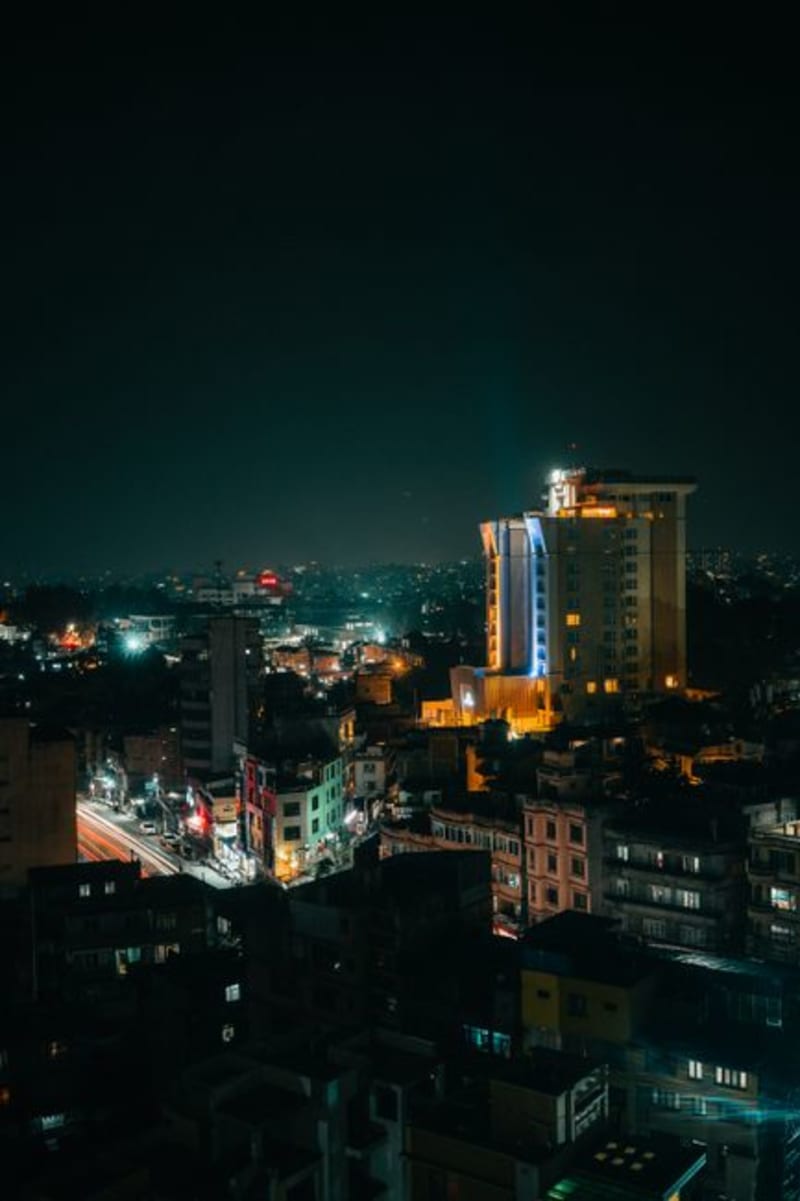 nepal
nepal Biratnagar
Nepal's industrial second city and eastern gateway, a hot, unglamorous, genuinely working town that revealed a side of the country the tourist trail skips entirely.
Explore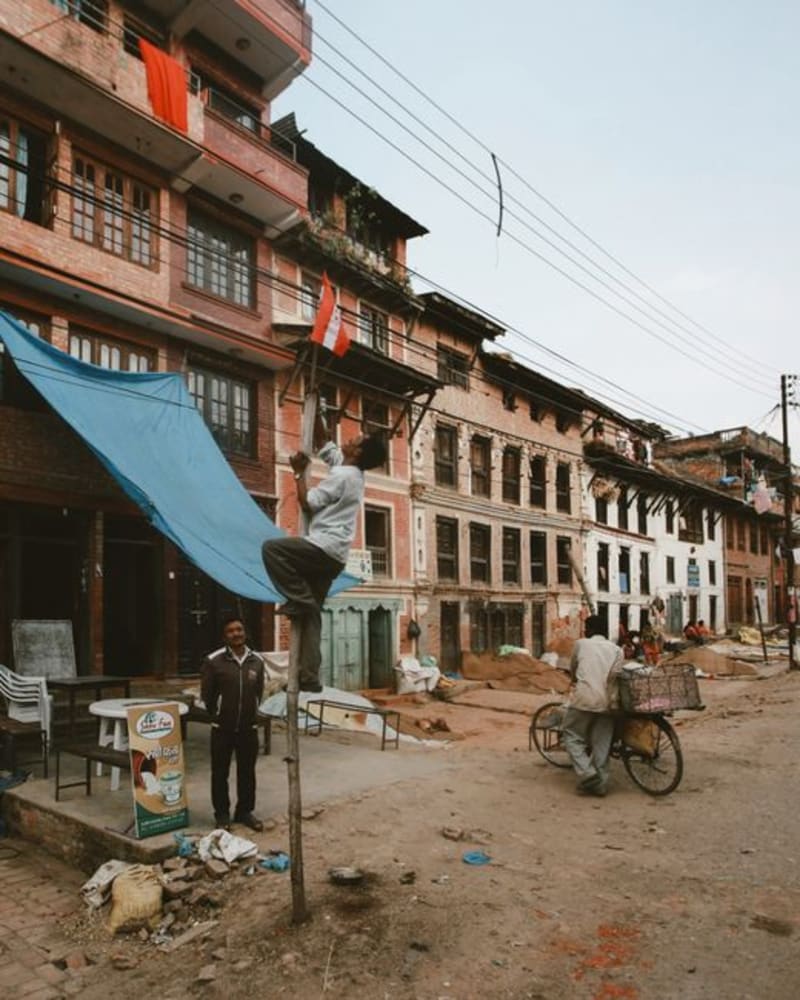 nepal
nepal Birgunj
Nepal's busiest border crossing city, a hot, transactional, endlessly fascinating gateway town where nearly all overland trade with India funnels through one road.
Explore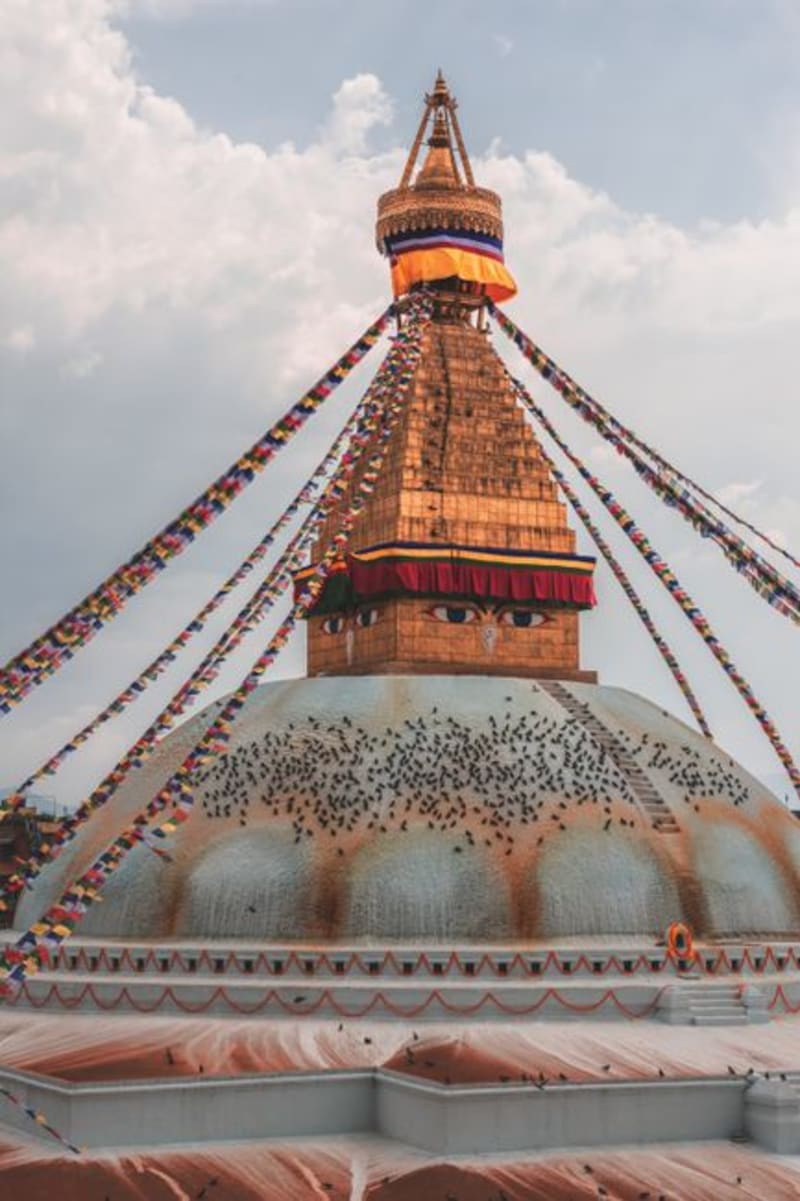 nepal
nepal Boudhanath
The largest Buddhist stupa in Nepal, its painted eyes watching over a neighborhood of monasteries, maroon robes, and butter tea.
Explore