Barahakshetra
"Some sacred sites need to announce themselves. Barahakshetra just sits quietly where two rivers happen to meet."
A sacred river confluence near Dharan where the Koshi meets its tributaries, marked by an ancient temple and a stream of quiet daily pilgrimage.
I found Barahakshetra almost by accident, mentioned in passing by the retired Gurkha I’d met in Dharan, who described it as “the place people go before they go to Kathmandu temples,” which struck me as such a specific piece of local pride that I rearranged a day to see it. It’s a forty-minute drive from Dharan to where the Sunkoshi and Koshi rivers converge, and the site turned out to be one of the quieter, more contemplative places I visited in eastern Nepal.
The Confluence and the Boar
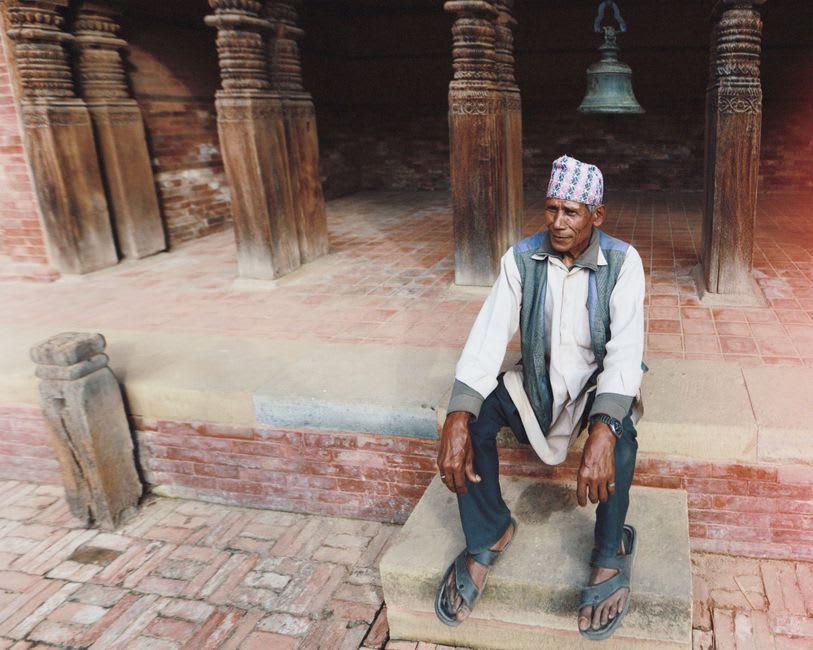
Barahakshetra takes its name from Varaha, the boar avatar of Vishnu, and the temple here — a modest pagoda-style structure with a black stone Varaha image inside — has drawn pilgrims for centuries as one of Nepal’s important Vishnu shrines, distinct from the mountain Shakti Peeths further west. Unlike Pashupatinath or the big Kathmandu Valley temples, there was no crowd management, no ticket booth, no separation between visitor and worshipper. I sat on the temple steps for a while and watched an elderly priest sweep the courtyard with a bundle of twigs, unhurried, as if the temple had nowhere else to be.
Bathing at the Sangam
The actual confluence, a short walk from the temple, is where the ritual weight of the site becomes visible. Pilgrims come here to bathe at the sangam — the meeting point of two rivers — believing it purifies in a way similar to Triveni confluences elsewhere in South Asia. I watched a family wade in together at midday, the water running fast and cold off the hills, the youngest child shrieking at the temperature while an older woman, presumably his grandmother, murmured what sounded like a prayer and cupped water over her own head three times. Nobody in the group paid the least attention to me standing at a respectful distance with a camera I mostly didn’t use.
The Walk Back Along the Embankment
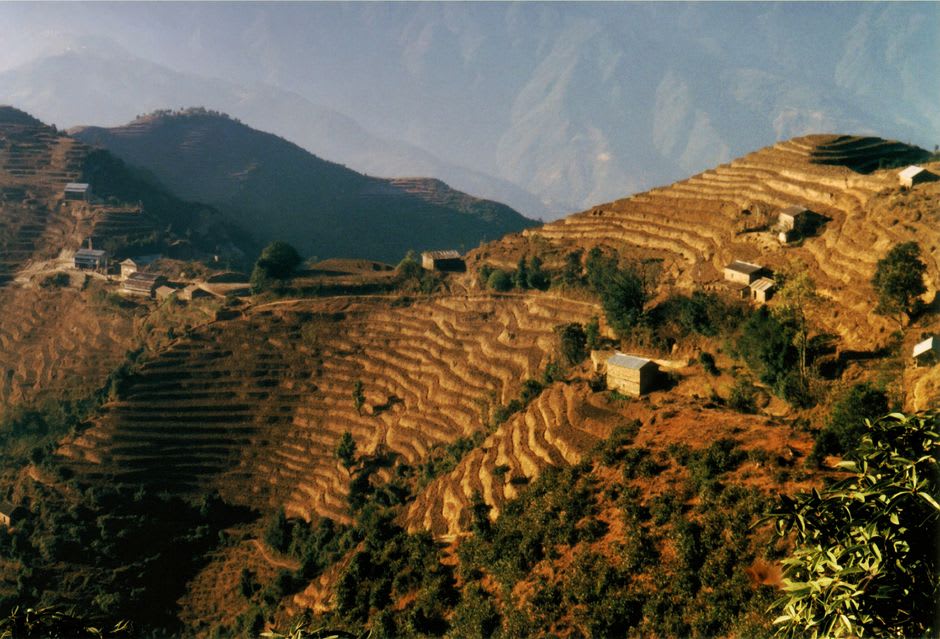
Afterward I walked the raised embankment above the river for close to an hour, past small shrines and the occasional sadhu camped under a tarpaulin, watching fishermen work the shallows with hand nets. A tea stall near the parking area served the sweetest, milkiest chiya I’d had anywhere in Nepal, and I drank two cups slowly while a group of schoolchildren on a field trip filed past the temple, giggling and shoving each other, entirely unimpressed by the significance of the place their teachers were clearly trying to instill in them. It was, in its own way, the most reassuring thing I saw there — a sacred site that had simply folded itself into ordinary life.
When to go: October through February for pleasant temperatures and the Makar Sankranti festival in mid-January, when the confluence draws its largest crowds of pilgrims for ritual bathing. March through May gets hot in the lower Terai-adjacent elevation. The monsoon (June–September) swells the rivers considerably and is best avoided for bathing rituals.
Keep exploring
More from Nepal
 nepal
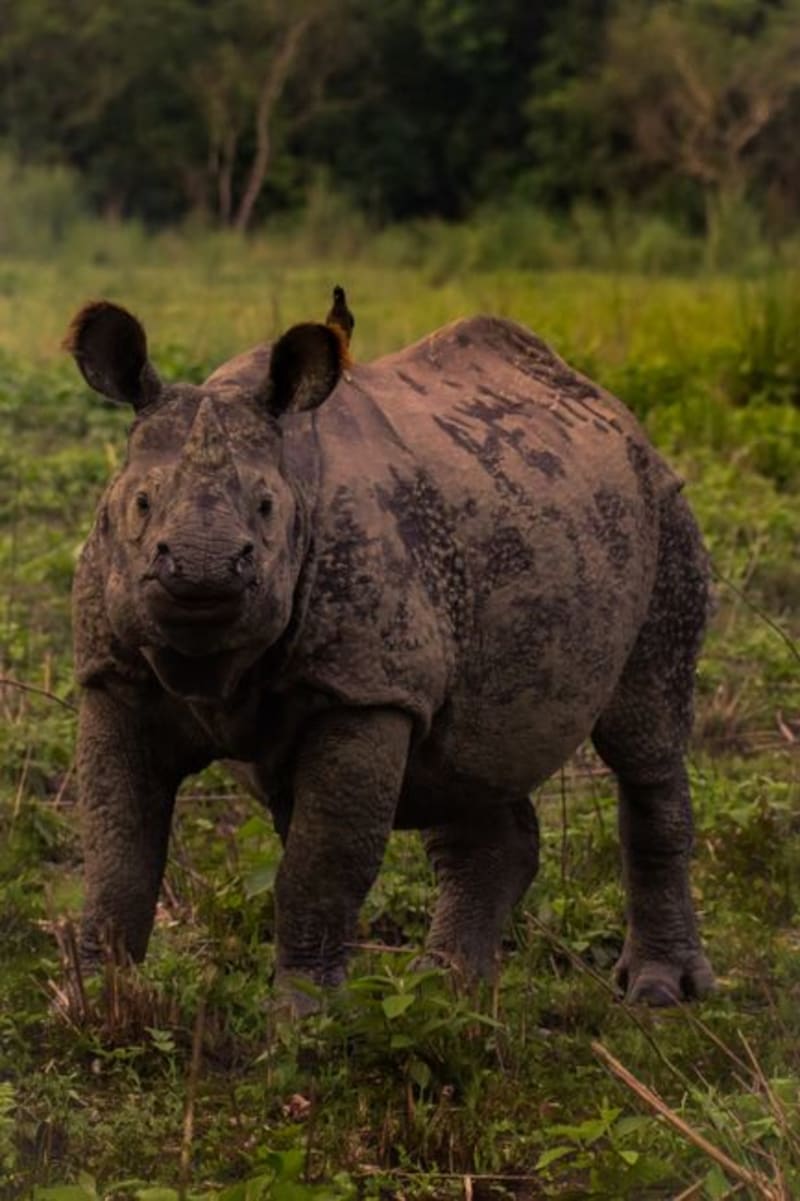
nepal Bardia National Park
Nepal's wildest and least visited tiger reserve, a stretch of sal forest and river grassland in the far southwest where you can walk for hours without meeting another traveler.
Explore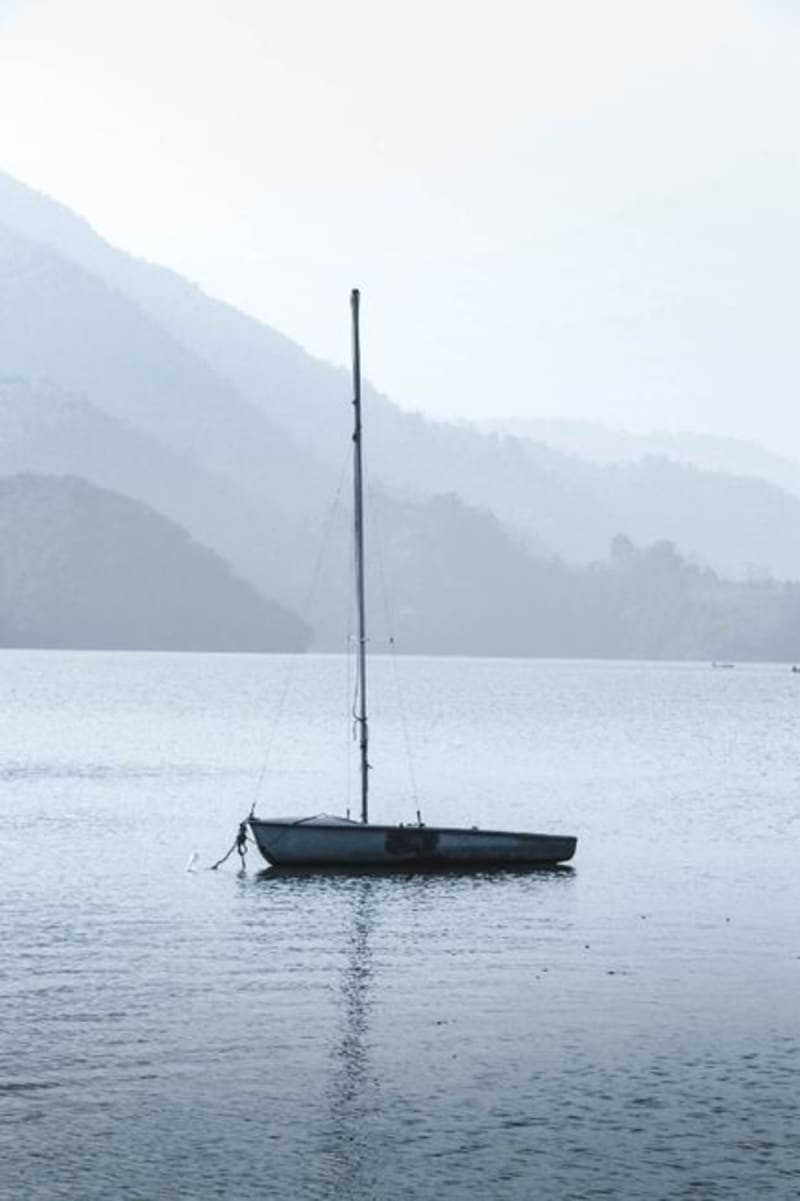 nepal
nepal Begnas Lake
Pokhara's quieter second lake, ringed by forested hills and almost entirely free of the Lakeside crowds.
Explore nepal
nepal Bhaktapur
The medieval Newari city that survived intact when Kathmandu didn't, all red brick, carved wood, and pottery drying in the sun.
Explore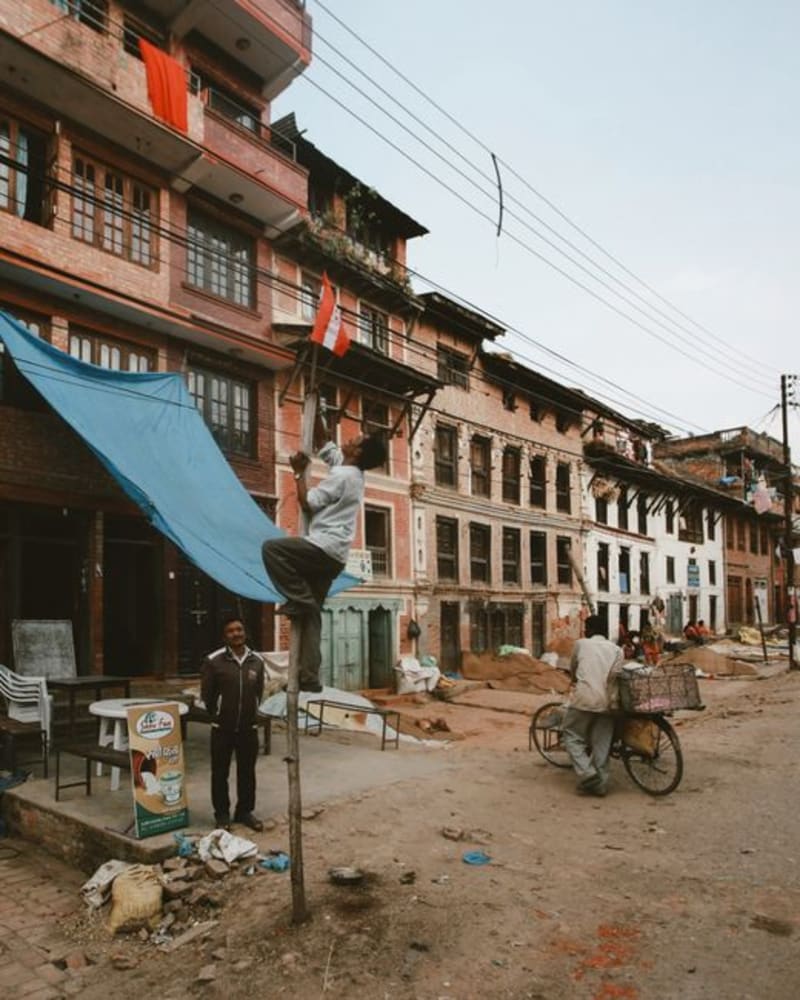 nepal
nepal Bhojpur
A remote hilltop bazaar famous for hand-forged khukuri blades, reached only on foot or by a single short mountain flight.
Explore nepal
nepal Bindhyabasini Temple
Pokhara's oldest temple, a working Hindu shrine in the old bazaar where the city's actual daily life unfolds.
Explore nepal
nepal Biratnagar
Nepal's industrial second city and eastern gateway, a hot, unglamorous, genuinely working town that revealed a side of the country the tourist trail skips entirely.
Explore