
Gorkhi-Terelj National Park
"I came for a day trip and stayed three nights. The park made the decision, not me."
Granite boulders shaped like animals, a cold river below pine-covered hills, and ger camps an hour from the capital that feel like the edge of the world.

Gorkhi-Terelj is the kind of place that absorbs time without you noticing. I left Ulaanbaatar at nine in the morning with a bag packed for a single night, and three days later I was still there, watching the mist come off the Tuul River while the ger camp’s cook stirred airag in a large clay vessel and a pair of brown kite hawks negotiated the updraft above the granite bluffs. The park sits seventy kilometres northeast of the capital — close enough to feel like a quick excursion, far enough that the city noise has completely evaporated by the time you pull off the paved road and start following the valley.

The park’s most recognizable landmark is Turtle Rock — Melkhii Khad — a granite formation that, from the right angle, presents an unmistakable tortoise shape: domed, plodding, permanently mid-shuffle. It is the kind of natural feature you photograph from a distance and then approach to find it larger than expected, the orange rock warm to the touch in afternoon sun. Near it, a smaller formation called Ariyabal climbs steeply to a small Buddhist monastery built into the hillside, reachable by a wooden staircase that is more ladder than stair in its upper sections. The view from the top over the valley and the river below is the view that makes you understand why someone decided to put a monastery there.
Horse riding in Terelj is not the manicured trail ride of a resort — you hire a horse from the ger family whose camp sits at the edge of the valley, they hand you the reins with minimal instruction, and you go. I followed the Tuul River upstream for three hours one morning, crossing it twice at shallow fords, the water cold enough to make the horse sidestep. The valley narrows in the upper section, the pines closing overhead, and the silence there was the particular silence of a place that has had very few visitors and has not adjusted its character to accommodate them.

The ger I slept in was warm from the iron stove, which required reloading with dried dung twice in the night, the low orange glow visible through the stove’s glass panel when I woke at three and could not find my socks. The family who ran the camp — a grandmother, her son, and his two children — served meals in the main ger: tsuivan noodles first, then khuushuur fried flat and slightly oily in the best way, then a bowl of suutei tsai, the salty milk tea that tastes wrong the first time and then becomes, by the third or fourth cup, the only sensible response to a cold morning. I asked the grandmother through the son’s translation how long the family had been in this valley. She shrugged and said a long time. He translated: “She says her grandmother was also here. So.”
When to go: June through September for green valley and rideable trails. July brings some tourist pressure but the landscape absorbs it. October turns the hillside larches gold against the granite. Winter is beautiful, cold, and very quiet — the ger camps that stay open do so with serious heating and a certain hardiness required of guests.
Keep exploring
More from Mongolia
 mongolia
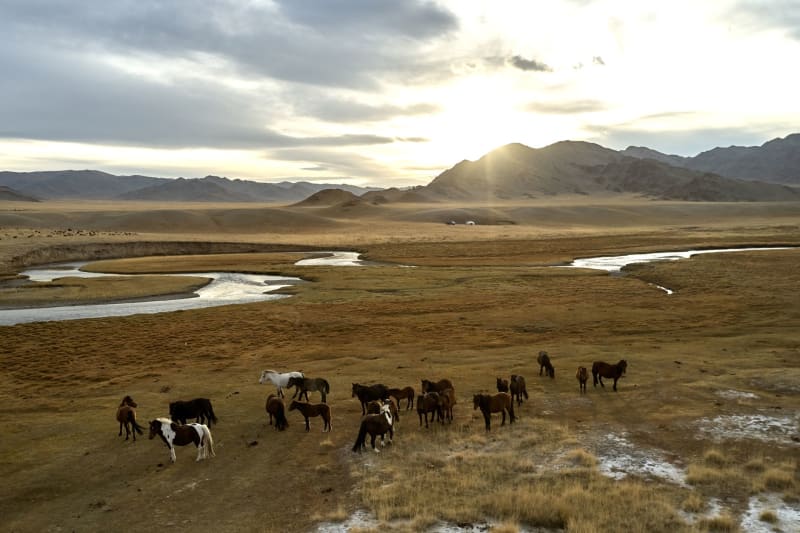
Terkhiin Tsagaan Lake
A volcanic white lake in the Khangai highlands, born from an ancient lava flow, ringed by craters, and still behaving like a geological surprise.
Explore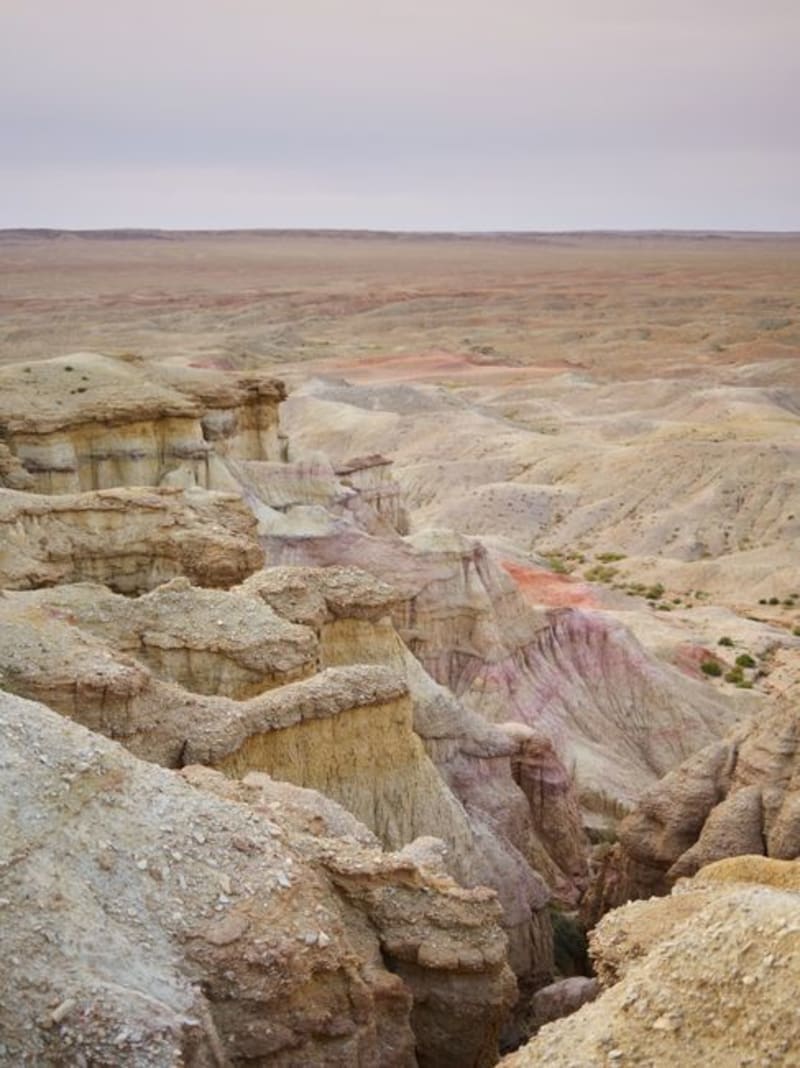 mongolia
Tsagaan Suvarga
A sixty-meter wall of eroded cliffs in the middle Gobi that turns the color of a struck match at sunset, with not another structure in sight for miles.
Explore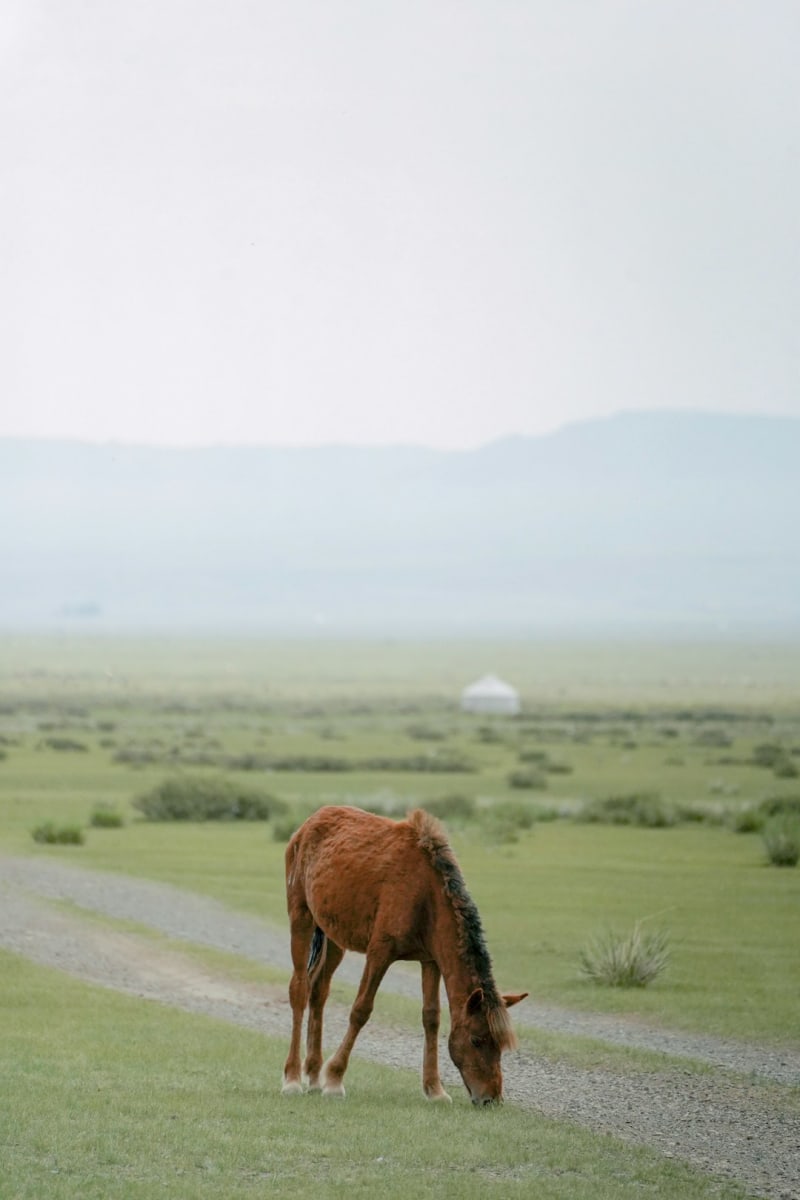 mongolia
Tsenkher Hot Springs
Mineral water at fifty-something degrees rising out of the Arkhangai steppe, with nothing around it but grass, horses, and a sky that turns violent colors at dusk.
Explore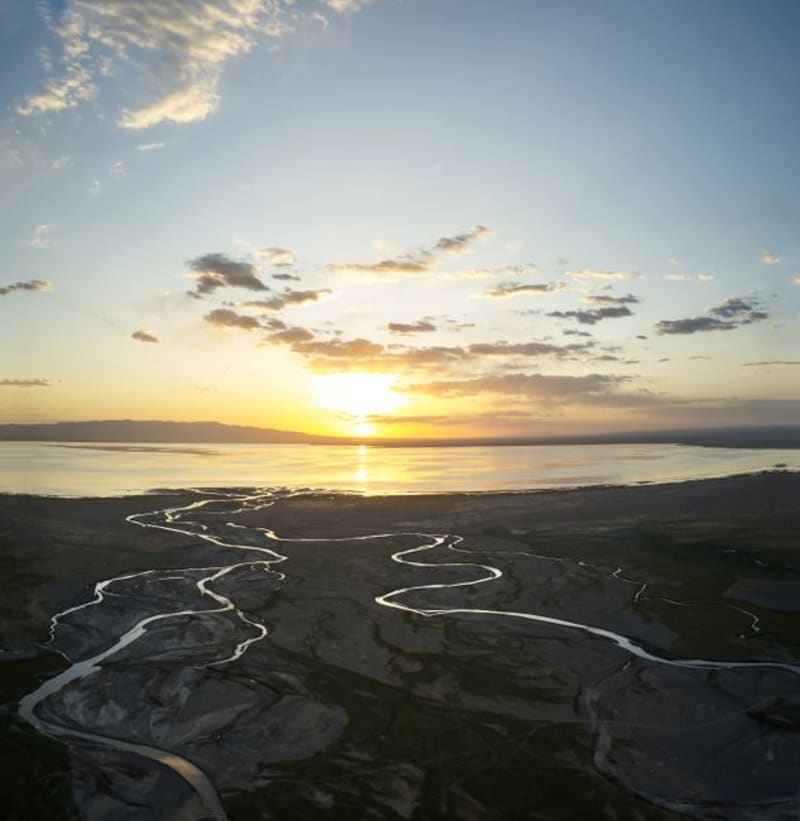 mongolia
Ugii Lake
A freshwater lake on the steppe between Karakorum and the Orkhon Valley, thick with waterbirds and quiet enough that a single ger camp feels like plenty.
Explore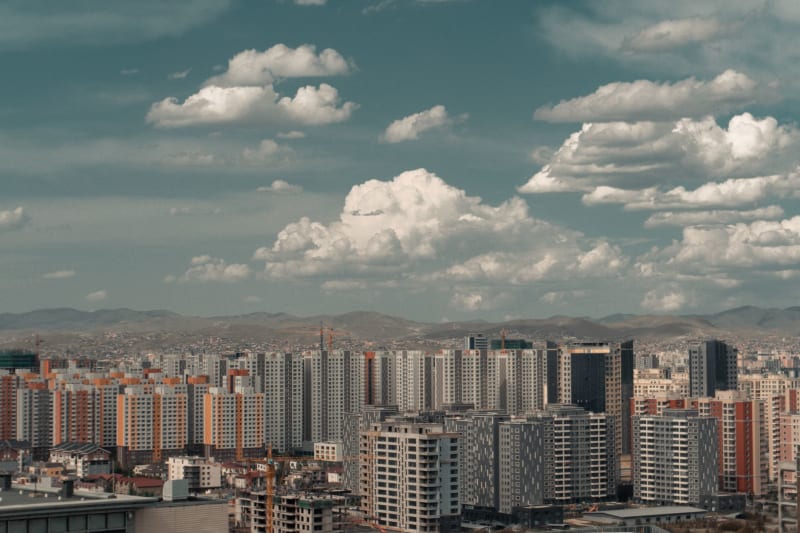 mongolia
Ulaanbaatar
A Soviet-built capital holding its contradictions together with surprising grace — part rusted bloc, part curious new world.
Explore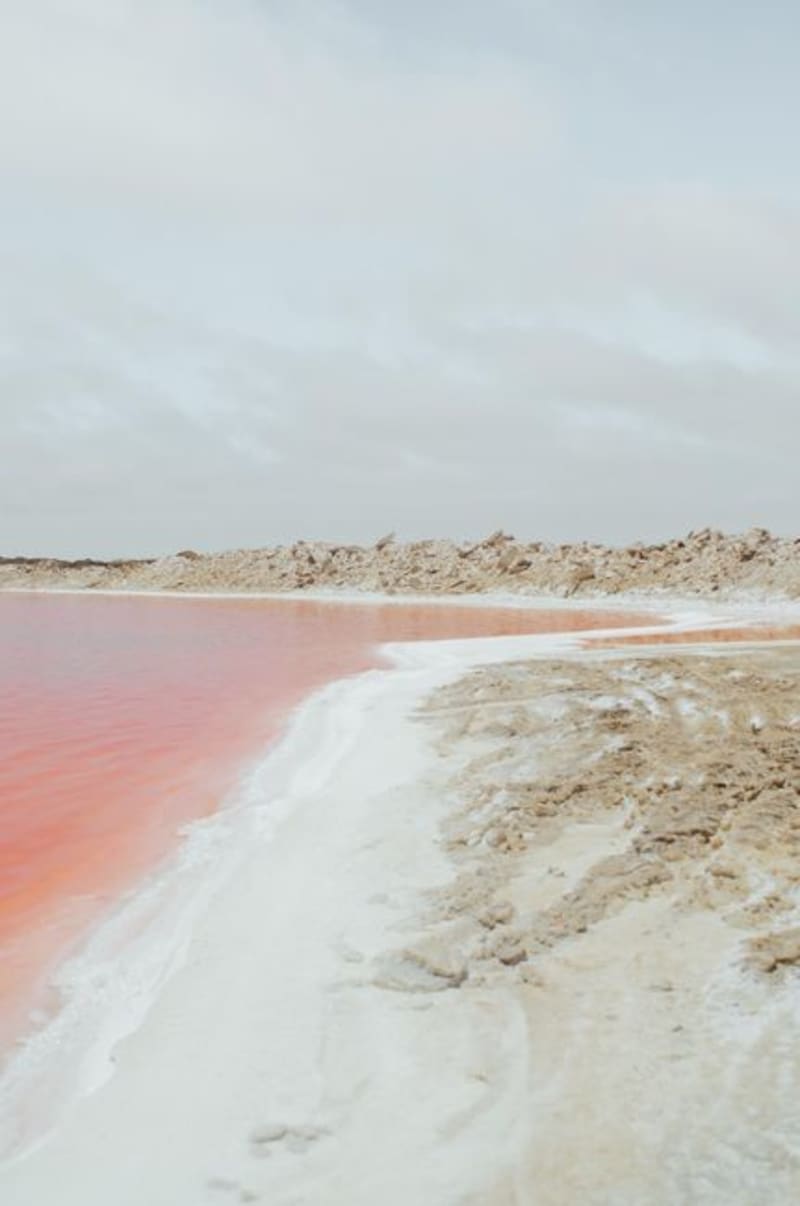 mongolia
Uvs Nuur Basin
Mongolia's largest lake, salty and shallow and ringed by a UNESCO-listed basin that stacks desert, steppe, and snowy peaks into one improbable panorama.
Explore