Asia
Mongolia
"I drove six hours without seeing a road sign. That was the point."
The last place on earth where the landscape is so vast it makes your sense of scale physically collapse — and where nomadic hospitality arrives without warning, in a ger at the edge of nowhere.

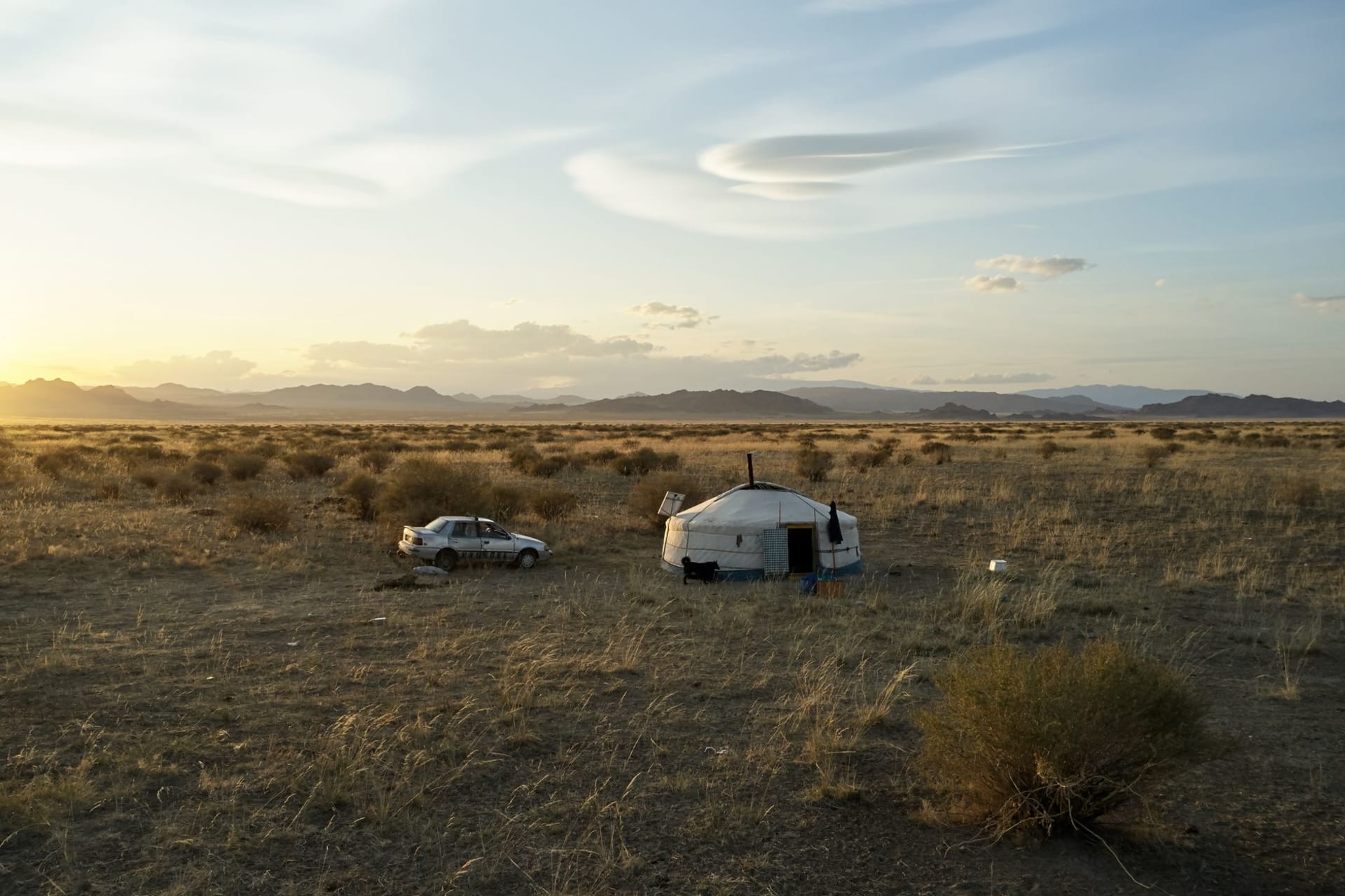
I arrived in Ulaanbaatar convinced I understood what emptiness looked like. I grew up near the Landes, I’d crossed the Sonoran Desert, I’d driven through the Bolivian altiplano at altitude. None of that prepared me for stepping out of a Russian van two days south of the capital and realizing the horizon was simply — gone. Not hidden. Not interrupted. Just absent, as if the earth had decided not to end.
Mongolia operates on a scale that rewires something in the brain. The Gobi is not the sandy dune field most people picture; it’s gravel plains, saxaul forests, and volcanic rock formations interrupted by the occasional camel train. The Khövsgöl in the north is a freshwater lake so cold and clear you can see fifteen meters down while sitting in a wooden boat. Between them, the central steppe rolls in every direction without a fence, without a road, without a cell tower — just grass, wind, and the occasional silhouette of a ger. I ate dinner that first night with a family I’d met an hour earlier, sitting cross-legged on a felt mat while the grandmother poured airag from a leather flask and the youngest child climbed onto my shoulder to see what I was writing. Nobody had invited me in a formal sense. The door was open, I was there, it was dinnertime. That is how it works.
The food took adjustment. Mongolian cuisine is built on meat and fat because the climate and the nomadic life demand it — boiled mutton, tsuivan noodles cooked in broth, khuushuur fried dumplings eaten with both hands over a fire. I came to love the directness of it. No garnish, no reduction, no concept of a sauce. You eat what the land produces. In Ulaanbaatar, the scene is different: Korean barbecue joints, surprisingly good espresso in Soviet-era buildings converted by art students, a central market where the dried dairy products — aaruul, byaslag — look alien until you try them and realize they taste like a very serious version of cheese.
When to go: June through August for the steppe in full green, and for Naadam (mid-July), the national festival of wrestling, archery, and horse racing. September is sharper, colder at night, and dramatically empty. Avoid November through March unless you are specifically prepared for -30°C and know what you are doing.
What most guides get wrong: They treat Mongolia as a destination for extreme adventurers and sell it on logistics: the visas, the Russian vans, the lack of roads. All of that is real, but it misses the point. Mongolia is not hard travel — it is different travel. The absence of infrastructure is not an obstacle, it is the experience itself. The moment you stop trying to manage the itinerary and let the landscape — and the families you meet along the way — decide what the day looks like, everything opens up. That is not a tip. It is the only way this place makes sense.
Explore
Places in Mongolia
 mongolia
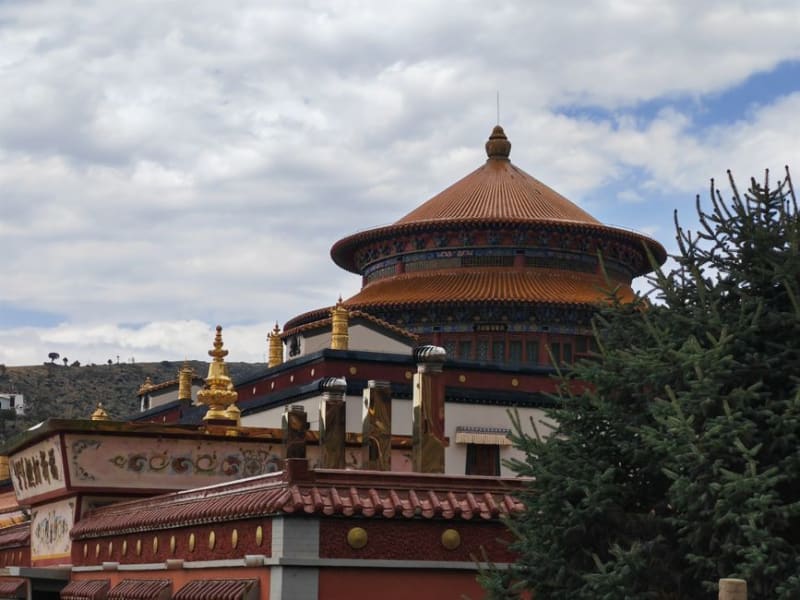
 Amarbayasgalant Monastery
One of Mongolia's three great monasteries, tucked into a forested valley in Selenge province and left largely intact when so much of the country's Buddhist heritage was destroyed.
Explore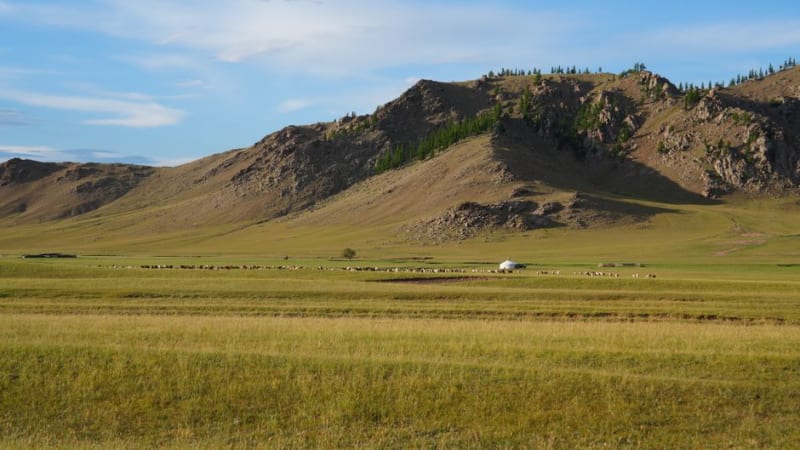 mongolia
 Arvaikheer
A working provincial capital in central Mongolia where livestock trading defines daily life more than any single monument, and the steppe stretches uninterrupted in every direction.
Explore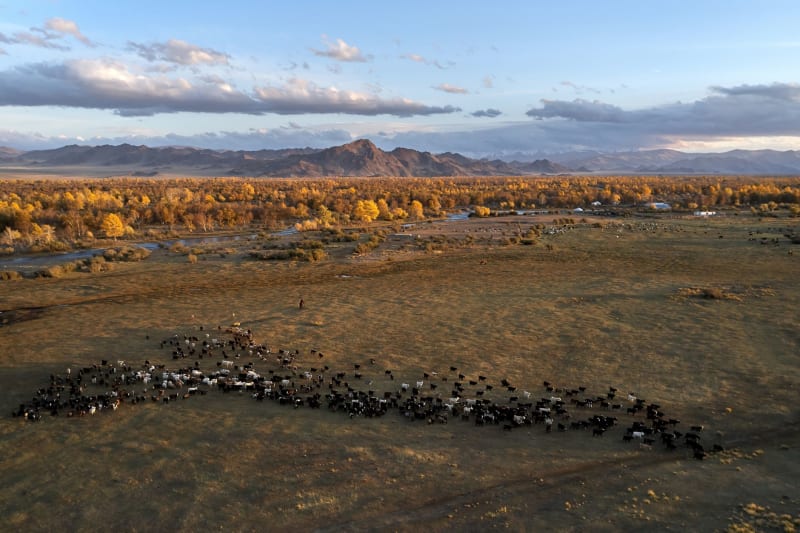 mongolia
 Bayan-Ölgii
Mongolia's far western province where Kazakh culture, eagle hunting, and snow-capped Altai peaks make you feel you've crossed into a different country entirely.
Explore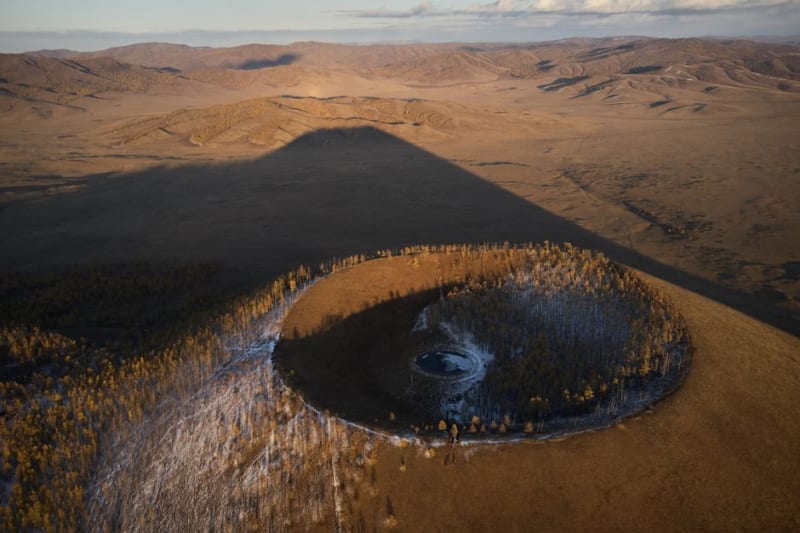 mongolia
 Bulgan
A quiet forested province in Mongolia's north where the steppe gives way to taiga, and a sleepy aimag capital sits on a river nobody outside the region has heard of.
Explore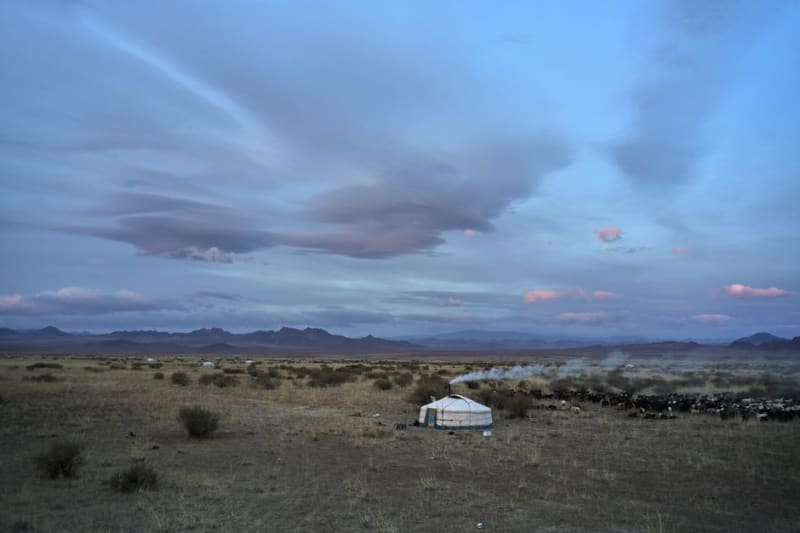 mongolia
 Choibalsan
A river town on the far eastern steppe, the biggest city almost nobody visits, where the Kherlen River curls past Soviet-era buildings and the grassland runs flat and empty toward Manchuria.
Explore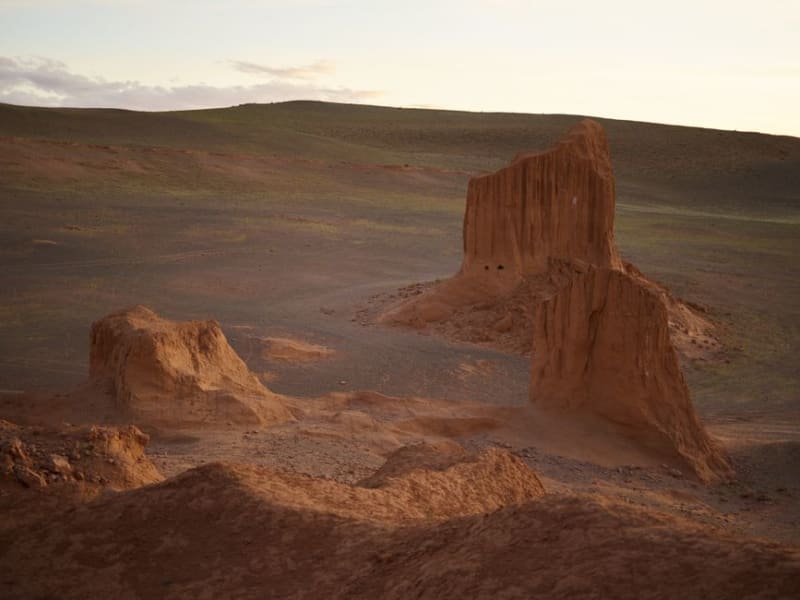 mongolia
 Dalanzadgad
The gateway town to the South Gobi, unglamorous by design, where every traveler heading toward the dunes and canyons of Gurvansaikhan passes through and few actually stop to look.
Explore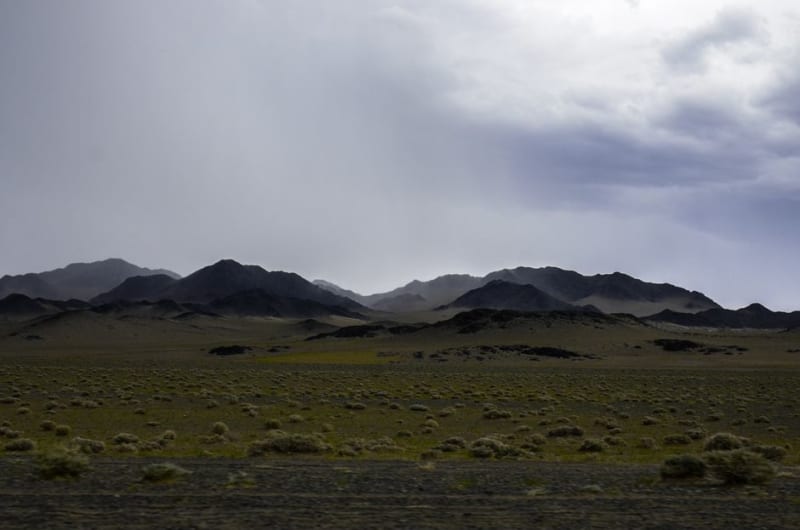 mongolia
 Dariganga
An extinct volcanic field in the far southeast where two hundred cinder cones rise out of the steppe and sand dunes creep up against grassland like they can't decide what desert means.
Explore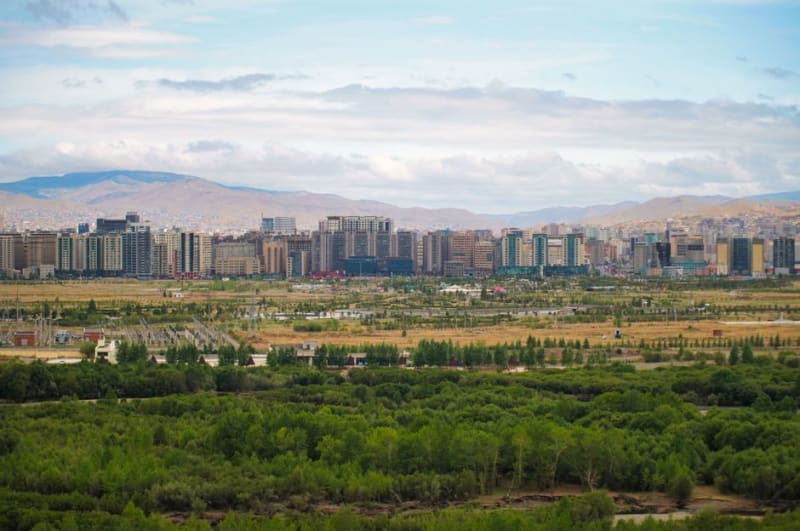 mongolia
 Darkhan
Mongolia's second city, a Soviet-planned industrial hub on the road north to Russia, more useful as a waypoint than a destination but honest about it in a way I respected.
Explore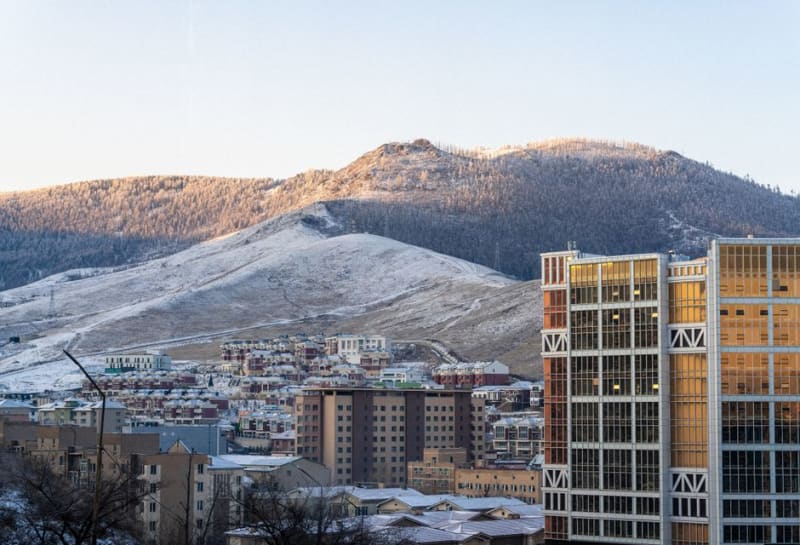 mongolia
 Erdenet
Mongolia's third-largest city, built almost overnight around one of the world's biggest copper mines, and a strange, honest window into the country's Soviet-era industrial past.
Explore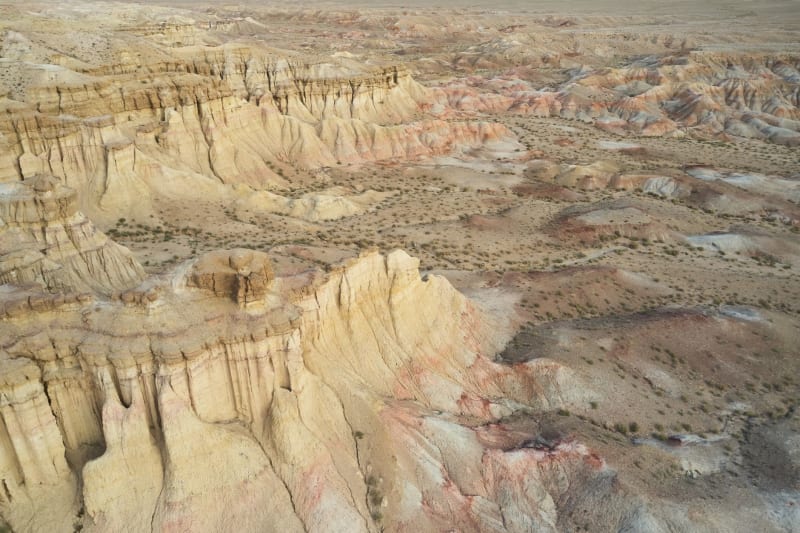 mongolia
 Flaming Cliffs
Orange sandstone badlands where dinosaur eggs were first discovered and the sunset turns the whole landscape into something between geology and theatre.
Explore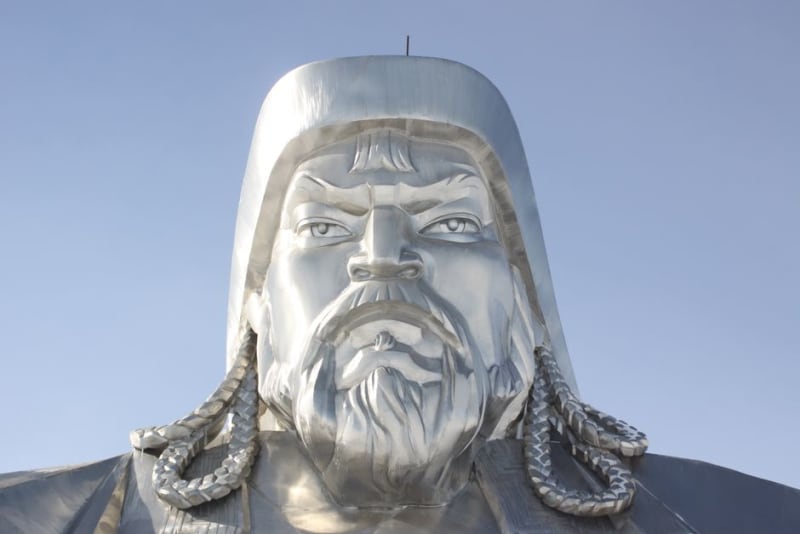 mongolia
 Genghis Khan Equestrian Statue Complex
A forty-meter stainless steel Genghis Khan on horseback, rising out of the open steppe an hour from Ulaanbaatar, more theatrical than anything else I saw in the country and unapologetic about it.
Explore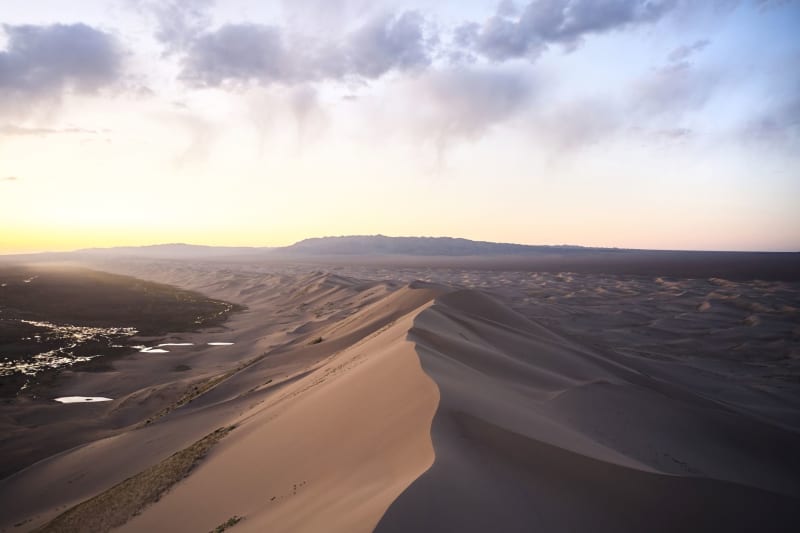 mongolia
 Gobi Desert
Not the sandy expanse you were sold — the Gobi is gravel, silence, and volcanic colour, with camels appearing from nowhere.
Explore mongolia
 Karakorum
The ancient capital of the world's largest land empire, now a modest town beside a great monastery — history so layered the ground feels different underfoot.
Explore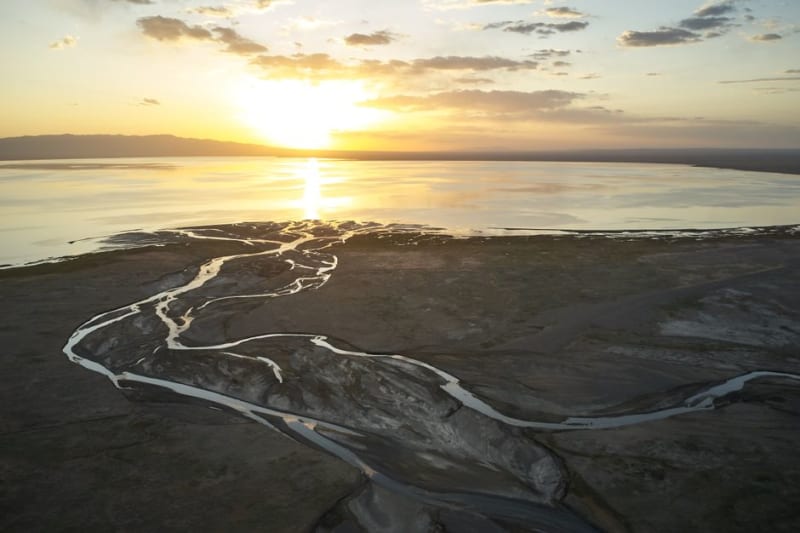 mongolia
 Khar Us Lake
A vast wetland at the foot of the Altai where reed beds hide pelicans, the second-biggest lake in Mongolia goes almost entirely unvisited.
Explore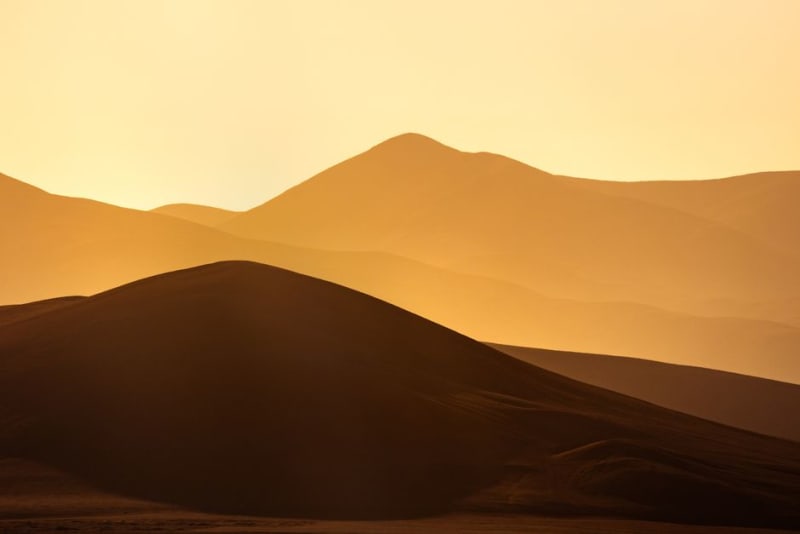 mongolia
 Khogno Khan Uul
A sacred granite mountain between the capital and the Gobi, with a ruined monastery on its slopes and a small dune field at its base that feels like a preview of the desert still to come.
Explore mongolia
 Khongoryn Els
The singing sand dunes of the Gobi, a wall of mountainous sand that rises three hundred metres straight out of the gravel desert and groans like a distant engine when the wind moves it.
ExploreAll areas in Mongolia
- Khovd
- Khustai National Park
- Khövsgöl Lake
- Manzushir Monastery
- Mongol Els
- Nalaikh
- Nemegt Basin
- Ongi Monastery
- Orkhon Valley
- Sükhbaatar
- Altai Tavan Bogd National Park
- Telmen Lake
- Gorkhi-Terelj National Park
- Terkhiin Tsagaan Lake
- Tsagaan Suvarga
- Tsenkher Hot Springs
- Ugii Lake
- Ulaanbaatar
- Uvs Nuur Basin
- Yolyn Am (Eagle Valley)