Pinos
"Founded 1563, mostly unchanged since 1763 — Pinos does not rush, and after five minutes there neither do you."
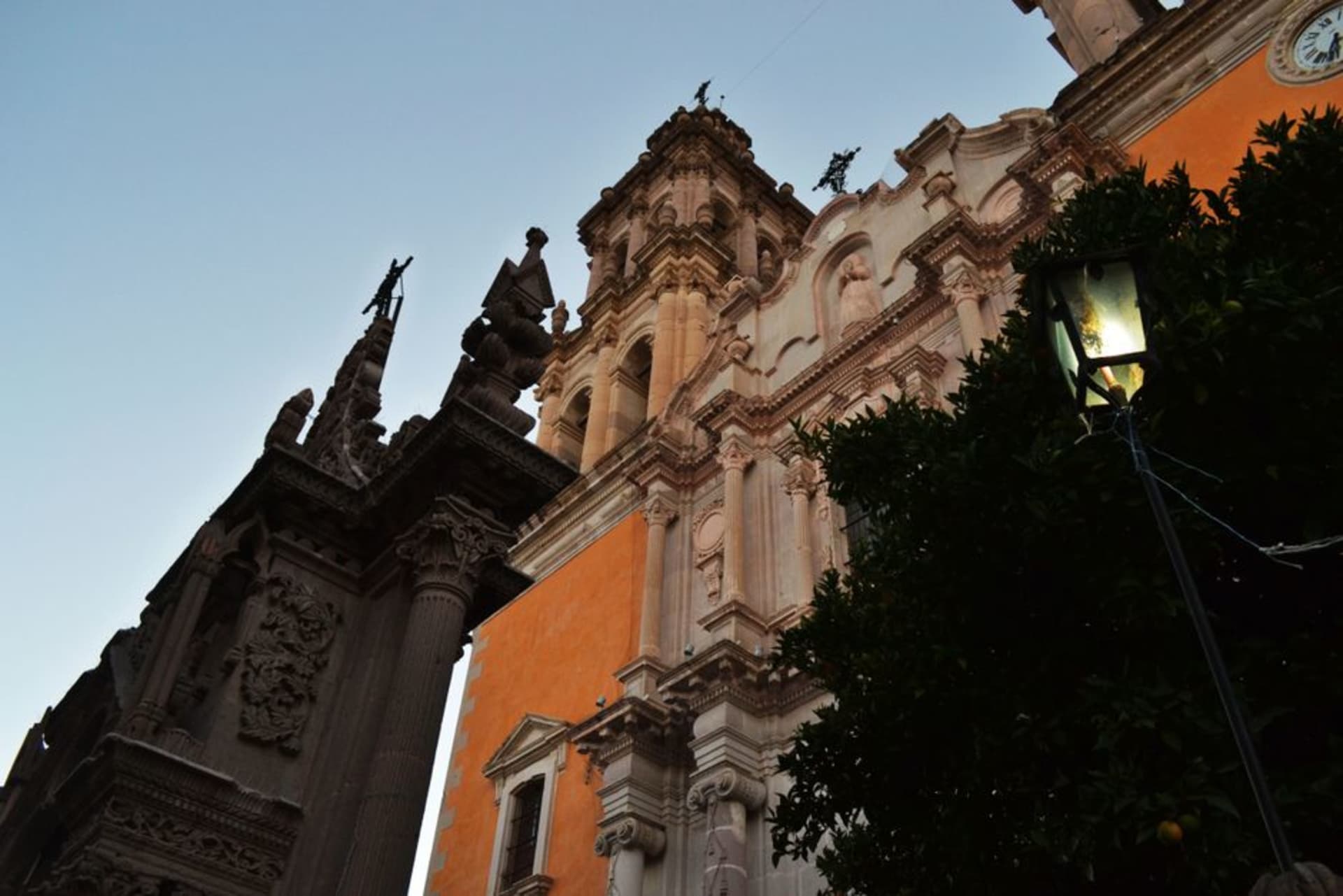
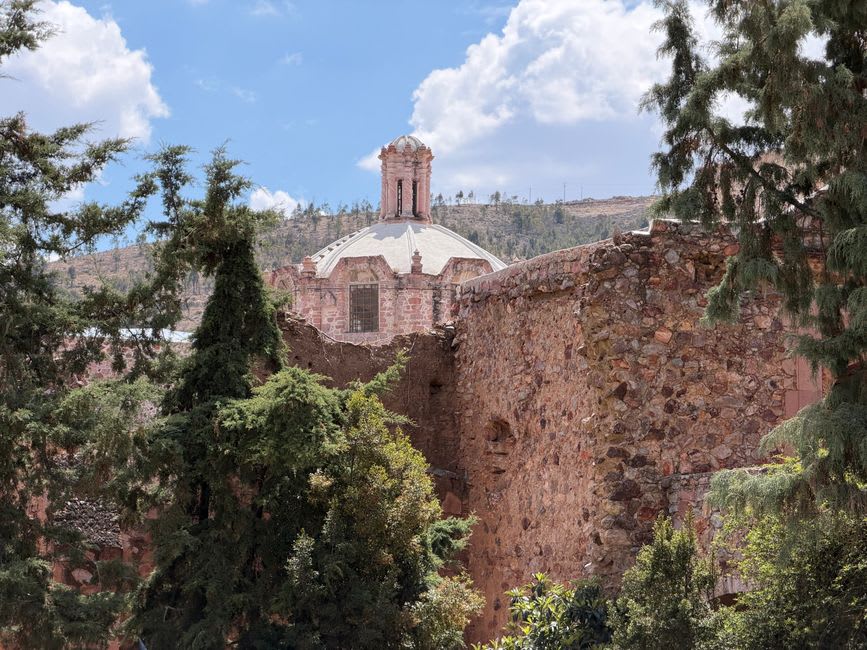
I arrived in Pinos on a Tuesday in March, when the Zacatecan plateau was still cold enough in the mornings to need a jacket. The bus dropped me at a corner I couldn’t immediately identify on any map, and for a moment I stood there — coat on, bag at my feet — trying to orient myself. Then I looked up. A carved stone doorway framed a sky so deeply blue it looked painted. Across the street, a Dominican convent was slowly returning to the earth it had been raised from. I stopped trying to find the plaza and just walked toward what looked oldest.
A Town That Ran on Silver and Prayer
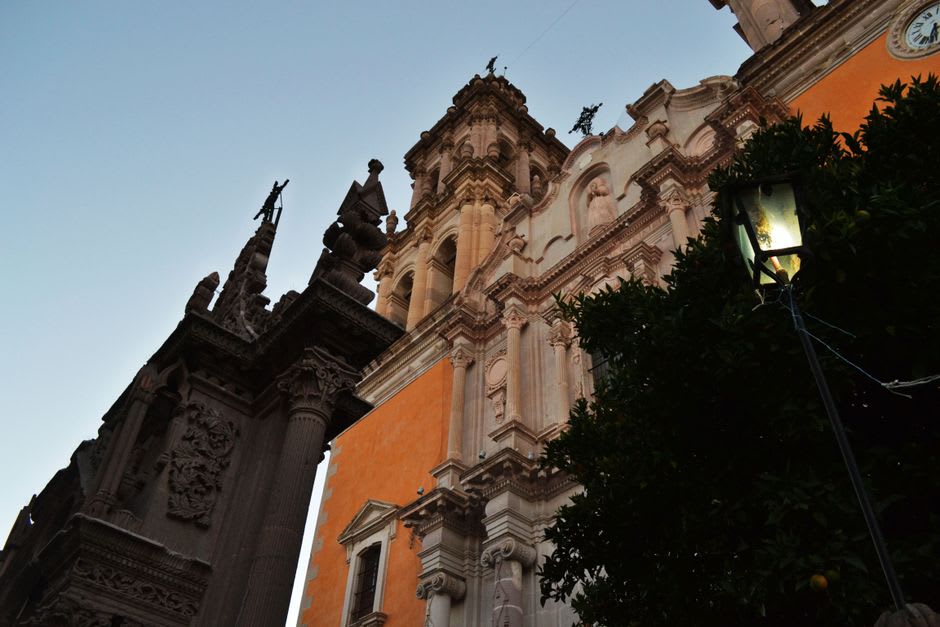
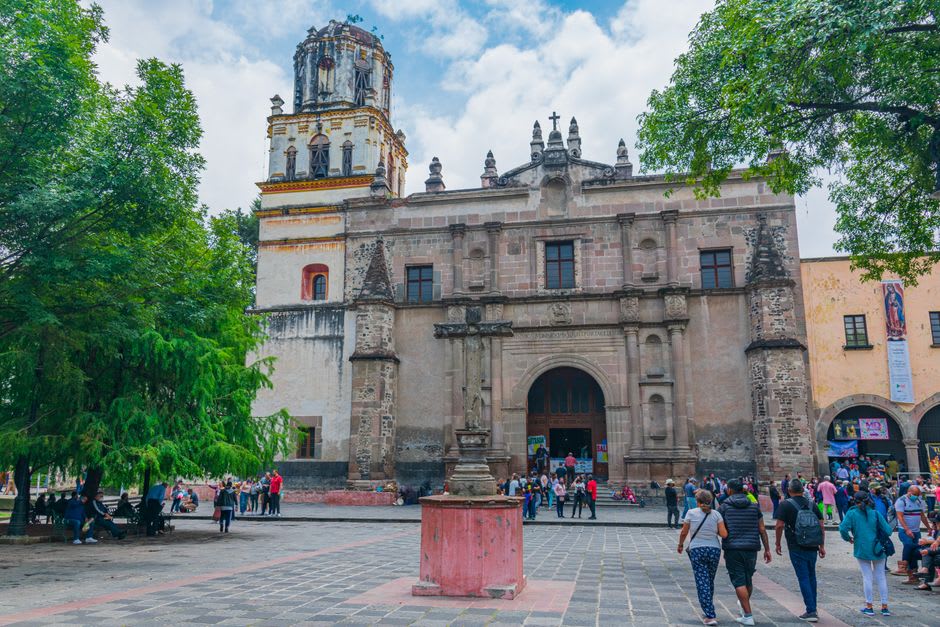
The mining wealth that built Pinos in the sixteenth and seventeenth centuries left visible receipts: church after church on streets too narrow for anything but foot traffic and the occasional truck that seems to appear from nowhere. The Parroquia de San Matías anchors the Plaza de Armas — a serious, thick-walled structure from the late colonial period that smells of old stone and beeswax when you step inside out of the afternoon sun. But what I kept returning to were the mansions behind their crumbling facade walls: iron-grilled windows, carved stone lintels, a coat of arms belonging to a family that has long since scattered. Nobody bothers to point these out to visitors because in Pinos they are simply the street. You walk past them the way you walk past a tree. The altitude — 2,480 meters above sea level — keeps everything slightly cooler than you expect for the latitude, and in the hour before sunset the entire centro turns the color of old bone and honey, the kind of light that photographers chase for years and occasionally find by accident.
The Museum That Kept Me an Extra Hour
I walked into the Museo Eulalio Gutiérrez on a quiet afternoon mostly because I was tired and it was close. Gutiérrez was a Constitutionalist-era president — not the most famous of that generation, which is perhaps why Pinos makes such a deliberate point of remembering him — and the museum occupies a handsome house on a side street off the main plaza. What I did not expect was how well curated it turned out to be. The timeline of the Revolution in Zacatecas is laid out with enough context to be legible to someone who did not grow up knowing these names. There are photographs from the period that are genuinely arresting — the kind that stop the idle museum-goer and make them stay longer than planned. I spent close to an hour. On my way out the attendant asked if I wanted to sign the guestbook. There were six signatures for the entire month of March. Pinos does not receive many visitors, and the museum does not seem especially troubled by this fact.
Eating Well and Knowing When to Leave
The mercado municipal, two blocks from the plaza, is the right place for lunch. I had a bowl of caldo de res that arrived in a clay pot too large for the table and stayed hot until I had finished every last spoonful. Tacos de asada appear at a few street stands around noon and disappear when the meat runs out, usually by two. For dinner, options narrow considerably; Pinos does not stay up late or feed many strangers. One evening I found a fondita on Calle Rayón that served enchiladas zacatecanas with a chipotle salsa I thought about for the rest of the week. One full day is the minimum; two is better. Stay a second night and you begin to understand the rhythm of this place in a way that cannot be absorbed in a single afternoon of walking around looking at things.
Getting There
Pinos sits roughly 100 kilometers southeast of Zacatecas city. From the Central Camionera in Zacatecas, there are direct buses that take about two hours on roads that improve and then abruptly do not. Look for Ómnibus de México or local operators — there is no ADO service. The drop-off point is near the plaza; there is no proper bus station.