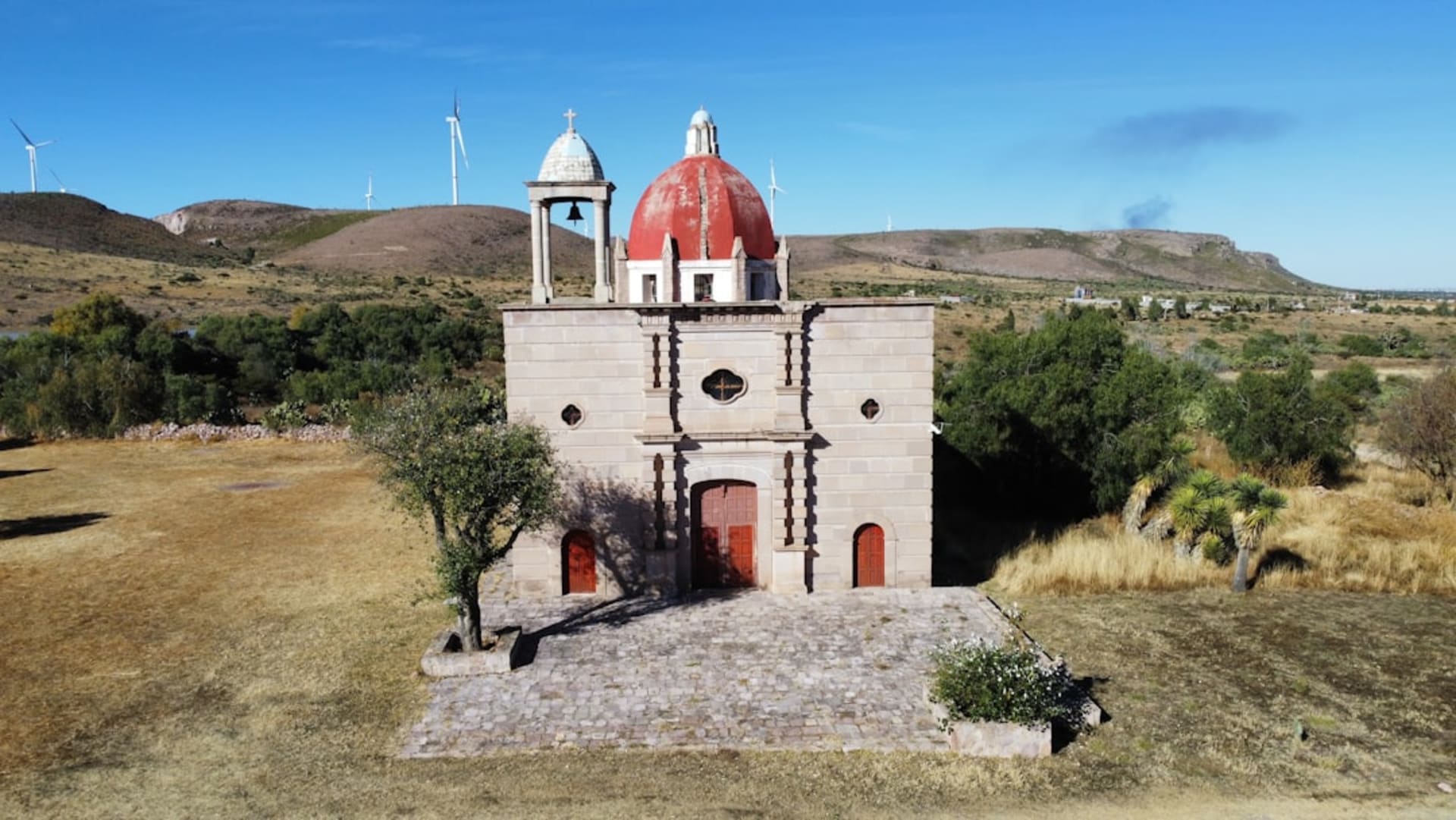
Zacatecas
"The city sits in a canyon. The cathedral is pink. The silver mine below it still runs. I stayed four nights and it wasn't enough."
Zacatecas is the best city in Mexico that most visitors have not heard of. The Mexicans know it — they come for the cathedral, the Rafael Coronel museum, the mine — but the international circuit that routes through CDMX, Oaxaca, and the Yucatán largely misses it. This is their loss and your opportunity.
The city sits at 2,496 meters in a narrow canyon in the high desert of north-central Mexico, its streets climbing the canyon walls at angles that make Taxco look level. The historic center is entirely built in rose-pink quarry stone, quarried from the hills immediately above the city and carved over three centuries into the most concentrated collection of baroque architecture in Mexico. It received UNESCO World Heritage status in 1993 and has, unlike some UNESCO cities, managed to remain fully inhabited rather than becoming an outdoor museum.
The Cathedral
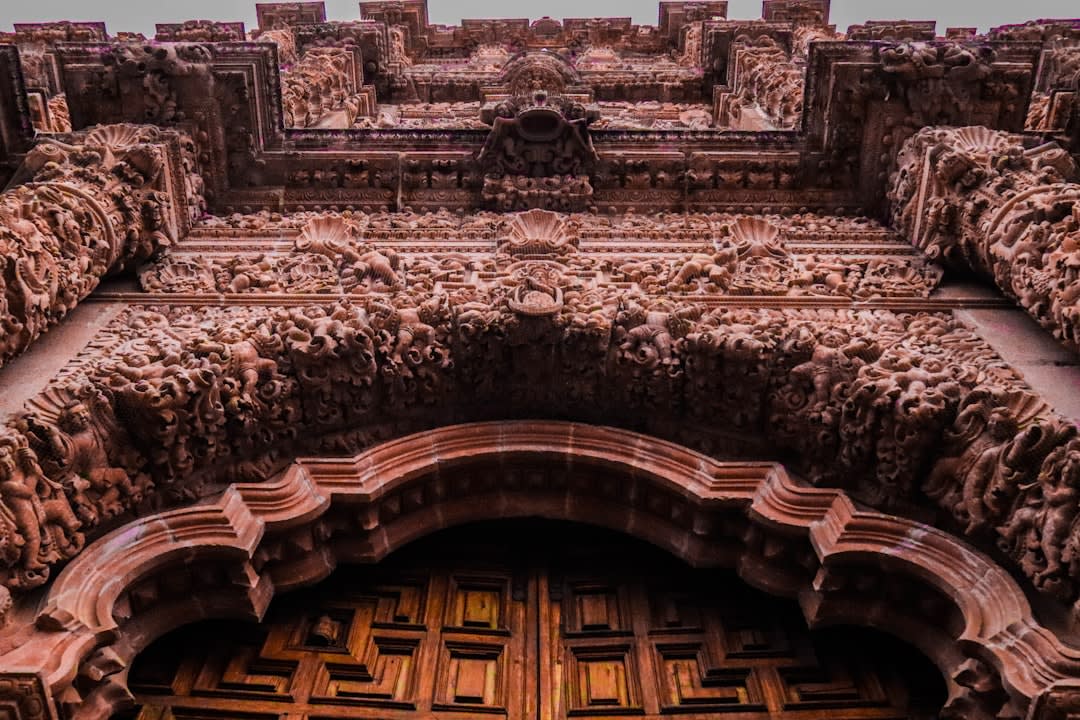
The Catedral Basílica de Zacatecas, completed in 1752, is to churrigueresque baroque what the Sagrada Família is to Art Nouveau: the style pushed to its absolute extreme, executed with total conviction, and better than it has any right to be. The west façade — the main entrance — is carved in three registers of extraordinary density, every surface populated with saints, vines, angels, shells, and architectural ornament that dissolves any boundary between structure and sculpture. Architectural historians use it as a textbook example of the style. Standing in front of it in the early morning, when the pink stone catches the first light and the plaza is still empty, it is something else: evidence of what humans do when they are trying very hard to honor something.
The interior is comparatively restrained — stripped of its original altarpieces in the 19th century — but the proportions are correct and the light through the windows illuminates the stone in a way that makes the interior feel warm even in winter, which at this altitude means most of the year.
El Edén Mine
The silver mine that built Zacatecas is still accessible, now as a tourist attraction that combines mining history with a somewhat surreal nightclub in one of the deeper chambers. The mine tour runs through tunnels bored in the 17th and 18th centuries, the walls still veined with the mineral deposits that financed the Spanish empire’s wars for two hundred years. The extraction continues at lower levels under different management; the historic upper tunnels are yours.
The nightclub operates on weekends in one of the larger caverns — a discotheque four hundred years in the making, which is either a profound statement about the uses of underground space or a completely logical extension of Zacatecas’s tendency toward architectural ambition. Either way, it exists and is genuinely enjoyable.
The Teleférico and La Bufa
The Teleférico cable car runs from the Cerro del Grillo on the east side of the canyon to the Cerro de la Bufa on the west, crossing directly over the cathedral and the historic center at a height that gives you the best view of the pink-roofed city available. The journey takes seven minutes and costs very little. Take it at sunset.
La Bufa — the hill that the cable car deposits you on — has a small museum, a chapel, and the best panorama of the city from any ground-accessible point. The silver district, the aqueduct, the cathedral, the canyon walls: all of it laid out below in the changing light of late afternoon.
The Coronel Museums
Zacatecas has two of the finest museums in Mexico, both founded by members of the Coronel family, both housed in colonial buildings, and both remarkable for different reasons.
Museo Rafael Coronel contains the largest collection of traditional Mexican masks in the world — over ten thousand pieces spanning every region, tradition, and century, displayed in the atmospheric ruins of an ex-convent whose roof partially collapsed and was left that way. Walking through the galleries — masks in vitrines, masks on walls, masks in the open courtyard — in near-silence is one of the stranger and more affecting museum experiences I have had in Mexico.
Museo Pedro Coronel houses Rafael’s brother’s collection: pre-Hispanic pieces, colonial art, and an extraordinary assembly of international modern art — Goya, Hogarth, Miró, Picasso — that Pedro Coronel acquired over a career as one of Mexico’s foremost 20th-century painters. Finding a Picasso sketch in a baroque mansion in a canyon city in the north Mexican desert is a specific kind of surprise that Zacatecas specializes in.
What to Eat
The north Mexican kitchen is different from the central and southern traditions — more cattle-ranching, more dried meat, more wheat alongside corn. In Zacatecas:
Caldillo de carne — a clear beef broth with dried chiles and potato, closer to a French pot-au-feu than anything you eat in Oaxaca. The market on Calle Tacuba serves it from seven in the morning.
Asado de bodas — a pork stew made with chile ancho and piloncillo, traditionally prepared for weddings, available in the restaurants around the Callejón de la Caja.
Mezcal de Zacatecas — the state produces its own mezcal from agave varieties found only in the high desert. The Mercado González Ortega, a 19th-century iron-and-glass market building converted into a shopping arcade, has a mezcal bar on the ground floor that pours regional bottles not available in the south.
Getting there: Direct flights from Mexico City (1h) on multiple carriers. Direct buses from CDMX Terminal Norte take approximately seven hours — overnight buses are comfortable and arrive at dawn.
When to go: April through October for milder weather. The Zacatecas Fair in September is the main annual celebration — a week of cultural events and regional food that fills the city. Winters are cold at this altitude: bring warm layers even in late October.