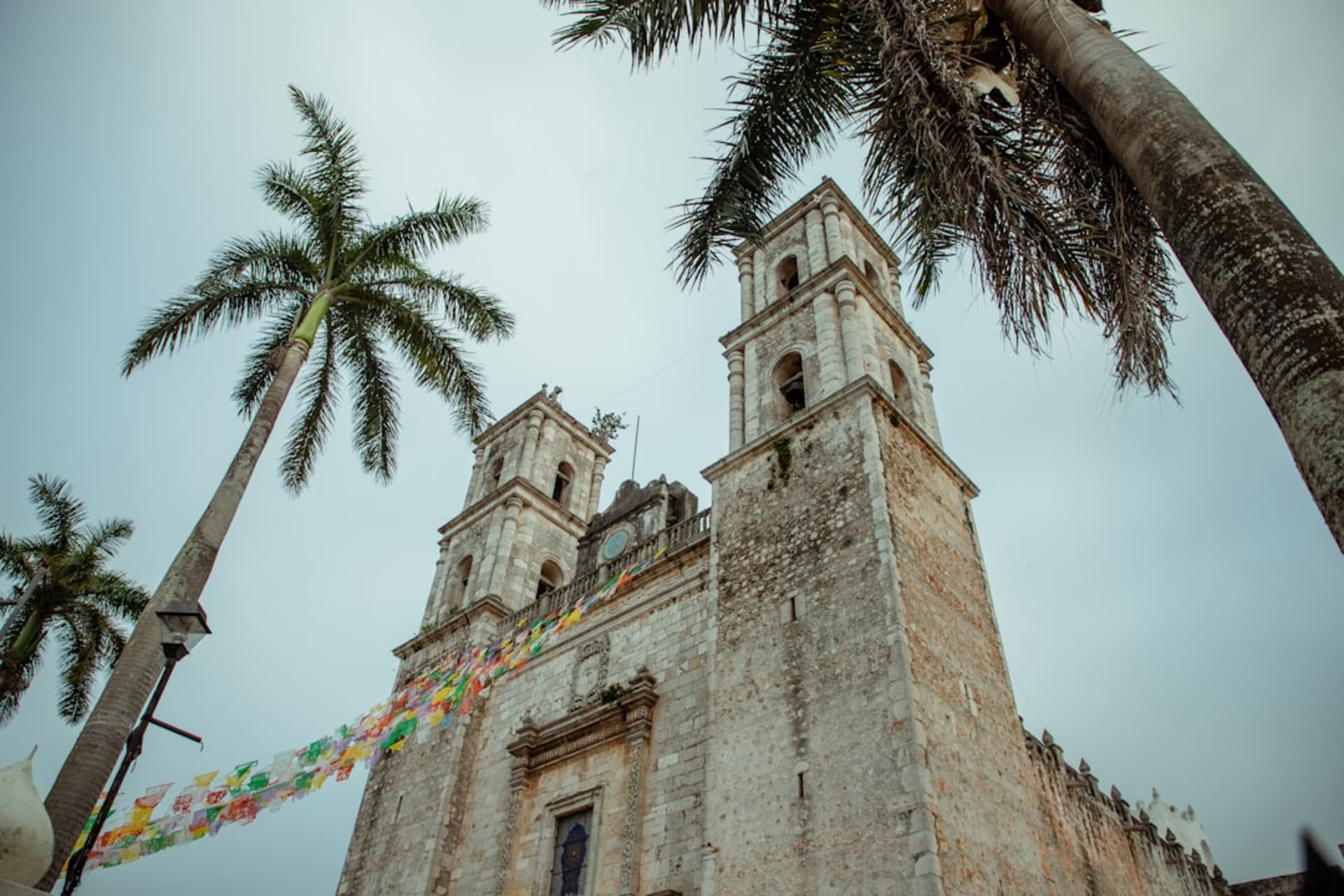
Valladolid
"The cenote is inside a house. You descend stone stairs into the earth and swim in light that comes from a hole in the ceiling."
A colonial Yucatán town between Mérida and Chichén Itzá — slower, cheaper, and more genuinely inhabited than either, with cenotes in its basement and one of the best markets in the peninsula.

Most people drive through Valladolid on the way between Mérida and Chichén Itzá and note the gas station and the taco stand on the highway. This is the correct behavior for people who have not been told to stop. I was told to stop by a Mexican couple who sat next to me on the ADO bus from Cancún and who, when I mentioned I was going to Mérida, looked at each other and said: get off at Valladolid.
I stayed three days.
The Cenote
Cenote Zací is in the middle of the city, entered through a gate on Calle 36 that opens into a courtyard that could be mistaken for a municipal park. You pay a small entrance fee, descend a stone staircase into the earth, and find yourself in a cavern whose ceiling has partially collapsed — the result is a pool of extraordinary blue-green water, lit from above by the opening in the rock, with swallows nesting in the walls and small catfish visible in the clarity below. The temperature is a constant 24°C.
I swam there alone at eight in the morning on a Tuesday. By ten, a school group had arrived. The Tuesday morning window is the right one.

Cenote Xkekén (also called Dzitnup), six kilometers west of town by bicycle or colectivo, is a different configuration: a near-complete cave, entered via a narrow passage, with a pool lit by a single shaft of light from a small hole in the ceiling above. The water is more turquoise, the cave more dramatic, and by mid-morning more crowded. Go at opening time (8am) or late afternoon.
The Town
Valladolid’s colonial center is modest in scale and well-preserved without being precious about it. The main plaza is functional — a large green square with a fountain, benches, and the church of San Servacio on one side — but the life of the town happens in the surrounding streets rather than the plaza itself.
The Mercado Municipal on Calle 32 is the best market I have used in the Yucatán peninsula, by which I mean the one most oriented toward people who actually live in the town rather than tourists who are passing through. The food stalls in the interior serve sopa de lima, poc chuc, and cochinita pibil from early morning at prices that reflect local purchasing power. A bowl of lime soup with hand-pressed tortillas costs about the same as a bus ticket to the next town.

La Casona del Venado, a textile and craft collective on Calle 41, sells regional Yucatecan embroidery, henequen products, and locally-made hammocks. The hammocks here are cheaper than in Mérida and the selection is better than the market stalls: ask to see the doble-tejido (double-woven) versions, which are heavier and last longer.
Walking the residential streets between the center and the calzada — the wide boulevard that runs south from the plaza — reveals a town that has mostly escaped the tourism economy that has transformed nearby cities. The houses are low, painted in the Yucatecan pastels, with hammocks visible through open front doors in the midday heat.
Getting to Chichén Itzá
Valladolid is forty-five minutes from Chichén Itzá by bus or colectivo, which makes it a far superior base than the resort hotels built immediately adjacent to the site. Staying in Valladolid, you can leave by the first colectivo (usually around 7am), reach the ruins before the tour buses from Cancún arrive at nine, see the site in relative quiet for two hours, and be back in Valladolid for lunch.
This is the correct way to see Chichén Itzá. The site itself — the Pyramid of Kukulcán, the Ball Court, the Cenote Sagrado — is genuinely extraordinary. The crowds that arrive between 10am and 3pm, when the tour buses disgorge, are extraordinary in a different way. The early morning, when the mist is still on the grass and the pyramid is lit at an angle, is when you understand why people have been making this journey for a thousand years.
When to go: November through March for dry, manageable heat. Avoid the equinox (March 20-21) when the shadow-serpent phenomenon on the Pyramid of Kukulcán draws enormous crowds. Cenotes are swimmable year-round.
Getting there: Direct ADO buses from Cancún (2h), Mérida (2h), and Mexico City (overnight). Valladolid is on the main Mérida-Cancún highway and accessible by colectivo from both.
Keep exploring
More of Yucatán
Keep exploring
More from Yucatán
 mexico
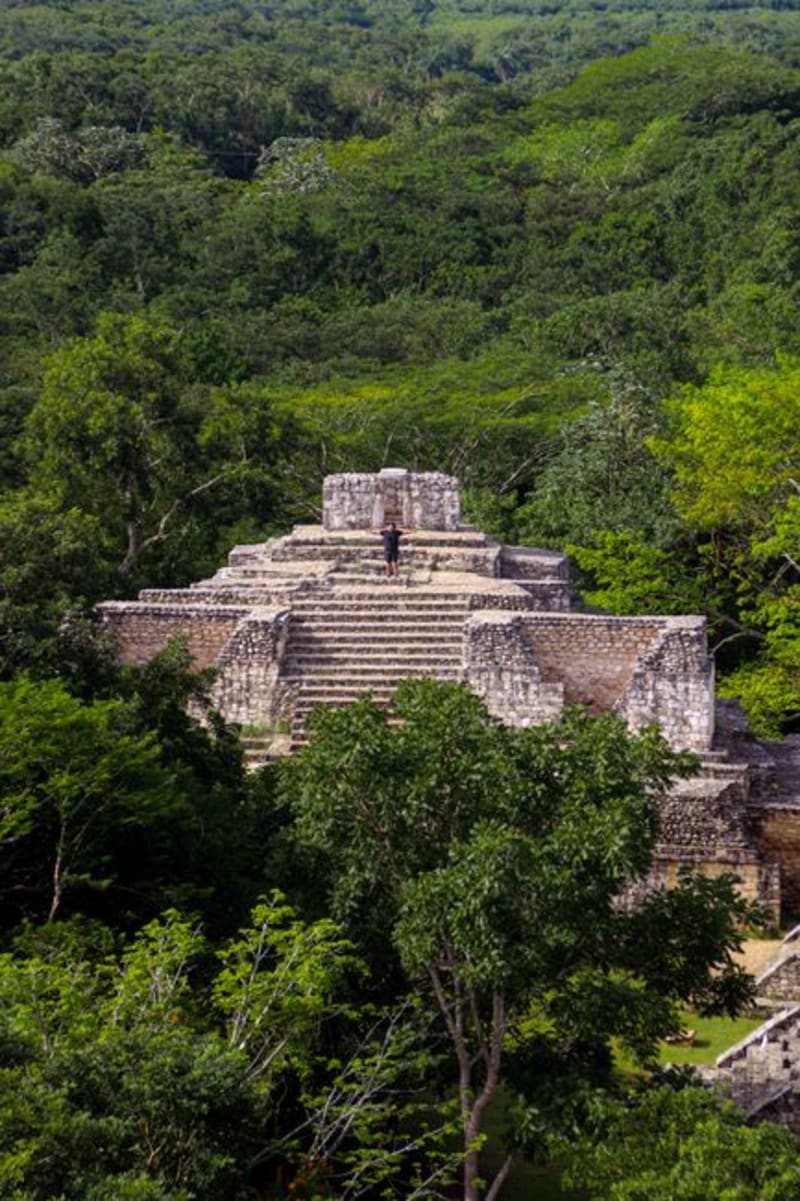
 Ek Balam
One of the few Maya pyramids still open to climbers, Ek Balam sits forty minutes north of Valladolid in near-total obscurity — which makes no sense once you see the stucco jaguar-mouth frieze waiting at the summit of the Acropolis. The site is thirty-two meters of original stone with the best-preserved Maya sculpture I have encountered in Mexico, and almost nobody comes.
Explore mexico
 Espita
A colonial town in the cattle country of northeastern Yucatán that almost nobody visits. Wide streets lined with 18th-century mansions going gently to seed, a church on the plaza that outlasted the henequen economy, and the particular silence of a place that has made peace with being off the tourist map.
Explore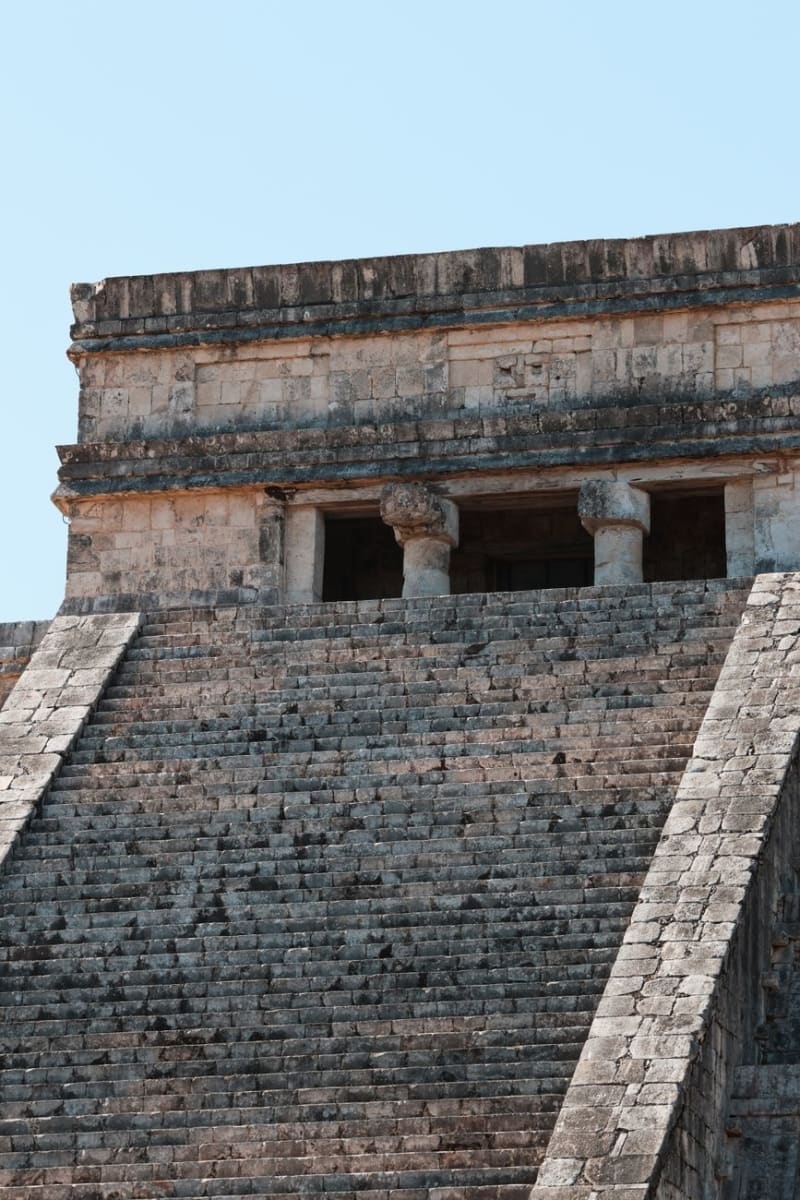 mexico
 Chichén Itzá
The most visited Maya archaeological site in the world and, visited with a strategy, one of the most extraordinary. El Castillo's geometry, the Great Ball Court's acoustics, El Caracol's astronomical precision — the crowds are real and manageable, and the nearby cenotes are not optional.
Explore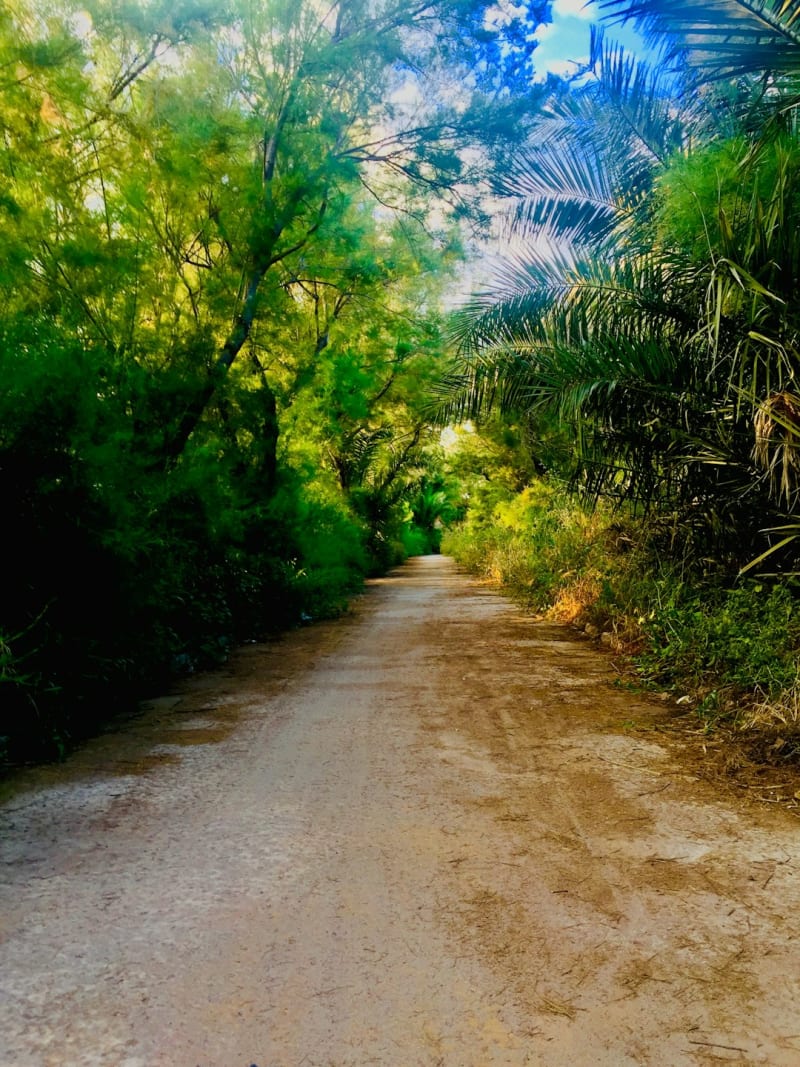 mexico
 Piste
Piste sits at the edge of Chichén Itzá and most visitors treat it as a lunch stop between buses. Those who stay overnight find a quiet Yucatecan town with genuinely good cochinita pibil, cenotes reachable by bicycle, and the rare privilege of arriving at the ruins before the tour groups.
Explore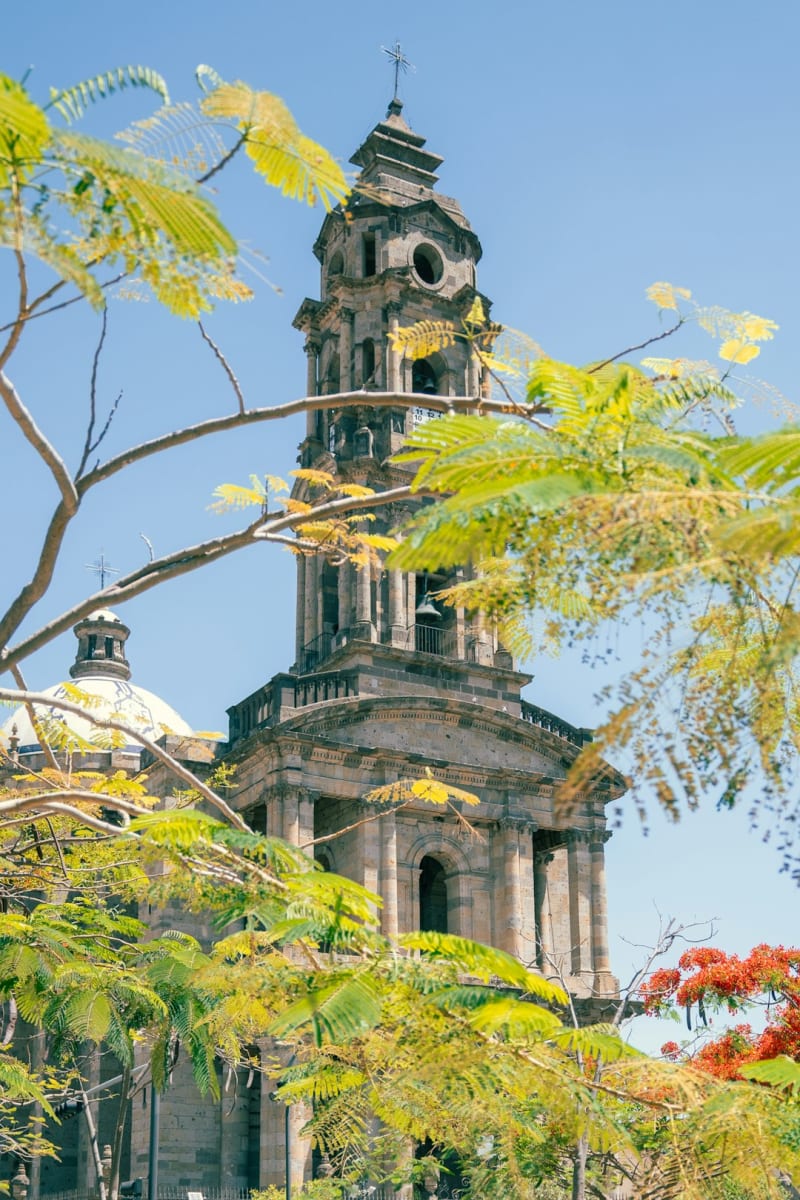 mexico
 Tizimín
The self-declared cattle capital of Yucatán, Tizimín is a working ranching town that comes spectacularly alive each January for a two-week feria centered on livestock, bullfighting, and regional food. Its colonial heart is anchored by the twin-towered Convento de los Santos Reyes — a structure that feels earned rather than preserved.
Explore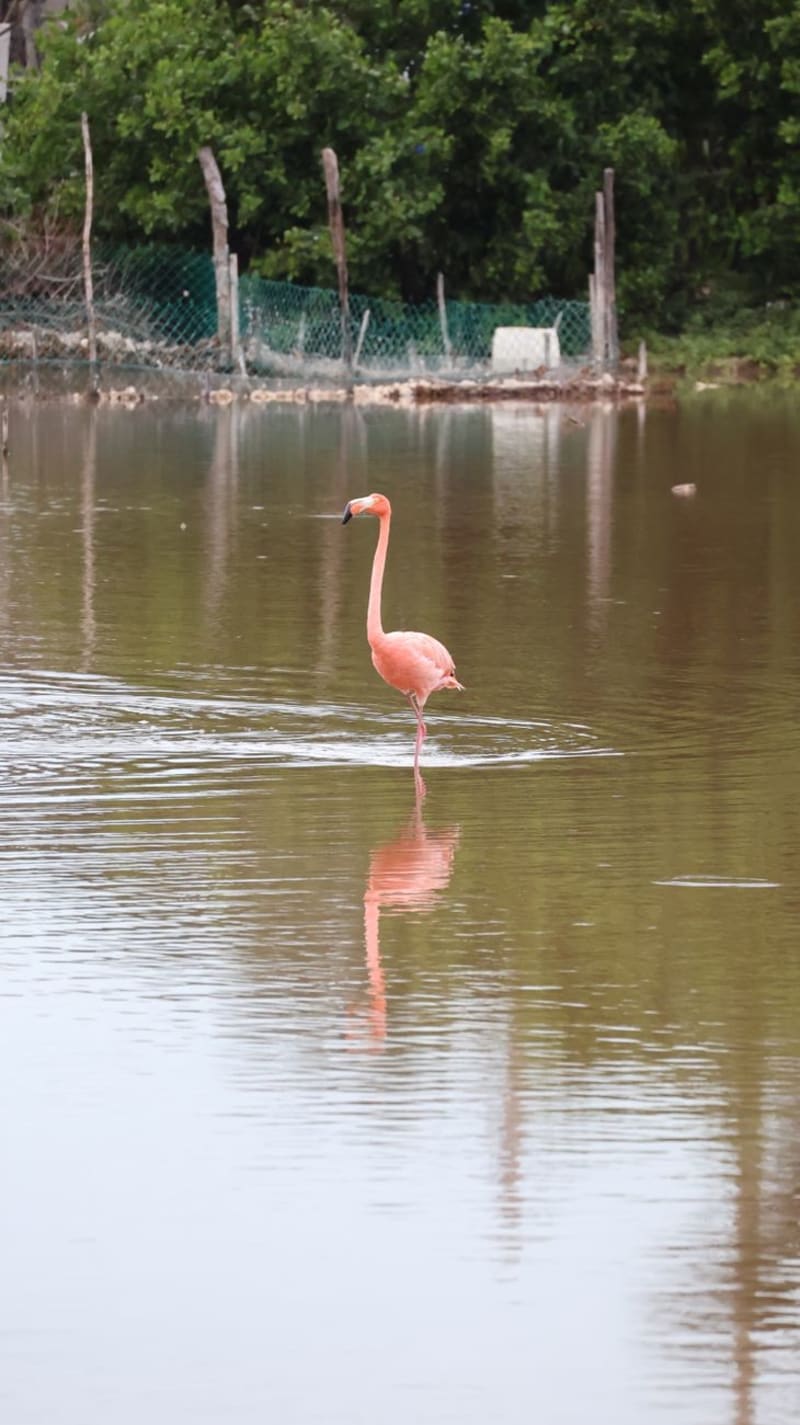 mexico
 Río Lagartos
A small fishing village on the north Yucatán coast inside the Ría Lagartos Biosphere Reserve, home to the largest flamingo colony in North America. Dawn boat tours through mangrove channels reach the nesting grounds, and the adjacent pink saltflats — Las Coloradas — offer a color that seems edited in.
Explore