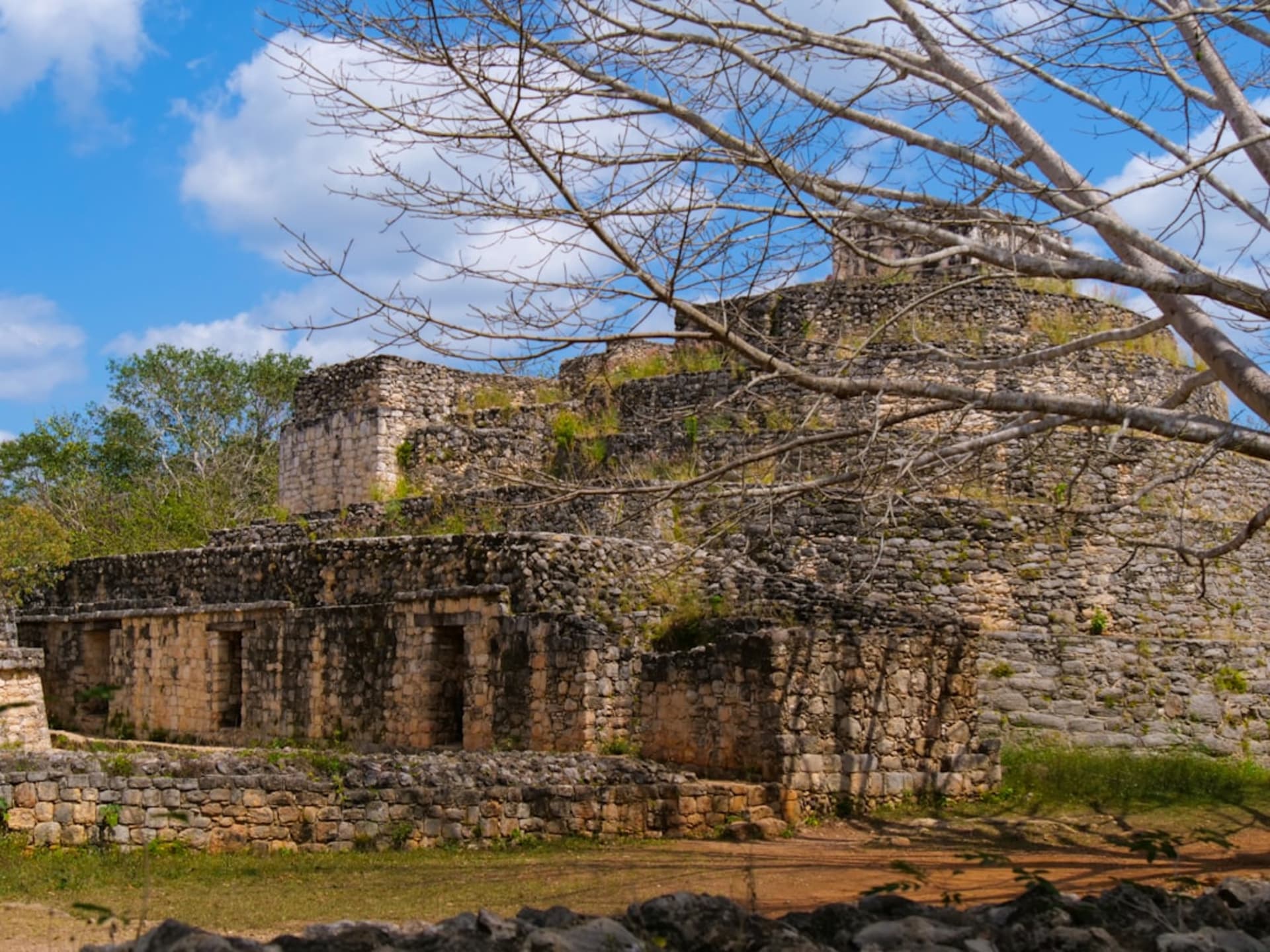
A colonial town in the cattle country of northeastern Yucatán that almost nobody visits. Wide streets lined with 18th-century mansions going gently to seed, a church on the plaza that outlasted the henequen economy, and the particular silence of a place that has made peace with being off the tourist map.

I turned off Federal Highway 180 on a Thursday morning because the road sign for Espita looked like it meant something, and I had nowhere particular to be. By the time I reached the central plaza and parked under a laurel tree, I’d passed exactly two other cars. A man swept the steps of the Iglesia de San Antonio de Padua with a long-handled broom. He didn’t look up. That indifference — unhurried, unbothered — is the first thing Espita teaches you. Nobody here is performing for an audience.
A Town That Stopped Caring About Its Own Grandeur
The mansions along Calle 24 and Calle 26 tell you everything about the henequen boom and what came after. Thick walls the color of old bone, carved stone doorframes, iron window grates oxidized to a deep rust. Most are still occupied — laundry dries behind wrought-iron gates, a television flickers in a dim sala — but the plaster peels without apology, and the gardens have gone native in the best possible way. What strikes me walking these blocks is how unembarrassed it all is. There’s no scaffolding, no heritage sign, no boutique hotel reclaiming the shell. Espita didn’t get the memo that ruins are marketable, and the result is something more honest than restoration: a town living inside its own history at its own pace, with cattle ranchers driving F-150s past doorways that were already old when Juárez was president.

The Market and the Afternoon Table
The Mercado Municipal is small enough to walk in two minutes and important enough to anchor the whole town. I ate at a plastic table near the back — poc chuc, the pork grilled over wood coals and finished with pickled red onion, served with a bowl of black beans and half a stack of handmade tortillas that arrived warm in a cloth. The woman running the stall, whose name I never caught, refilled my water glass without being asked and told me the afternoon rain would start around four. She was right to the minute. Espita’s market isn’t performing tradition; it’s just lunch.

The Plaza at Dusk
By five o’clock, the light in the Yucatán hits that particular angle where everything looks like it’s been painted in ochre. The plaza fills — slowly, without urgency — with teenagers on benches, older men in guayaberas circling the park, children running around the gazebo kiosk. The church facade goes amber. Someone sets up a cart selling marquesitas, the crispy rolled wafers filled with Edam cheese that you either love immediately or have to eat three times before you understand. I was the only non-local there. No one found this remarkable. I liked that.

Getting There
Espita sits about 120 kilometers east of Mérida, roughly two hours by car via Federal Highway 180 toward Valladolid, turning north at Calotmul. There is no direct ADO service; if you’re coming by bus, get off at Valladolid and take a colectivo north. A car makes more sense — the town rewards slow, unscheduled time.
Keep exploring
More of Yucatán
Keep exploring
More from Yucatán
 mexico
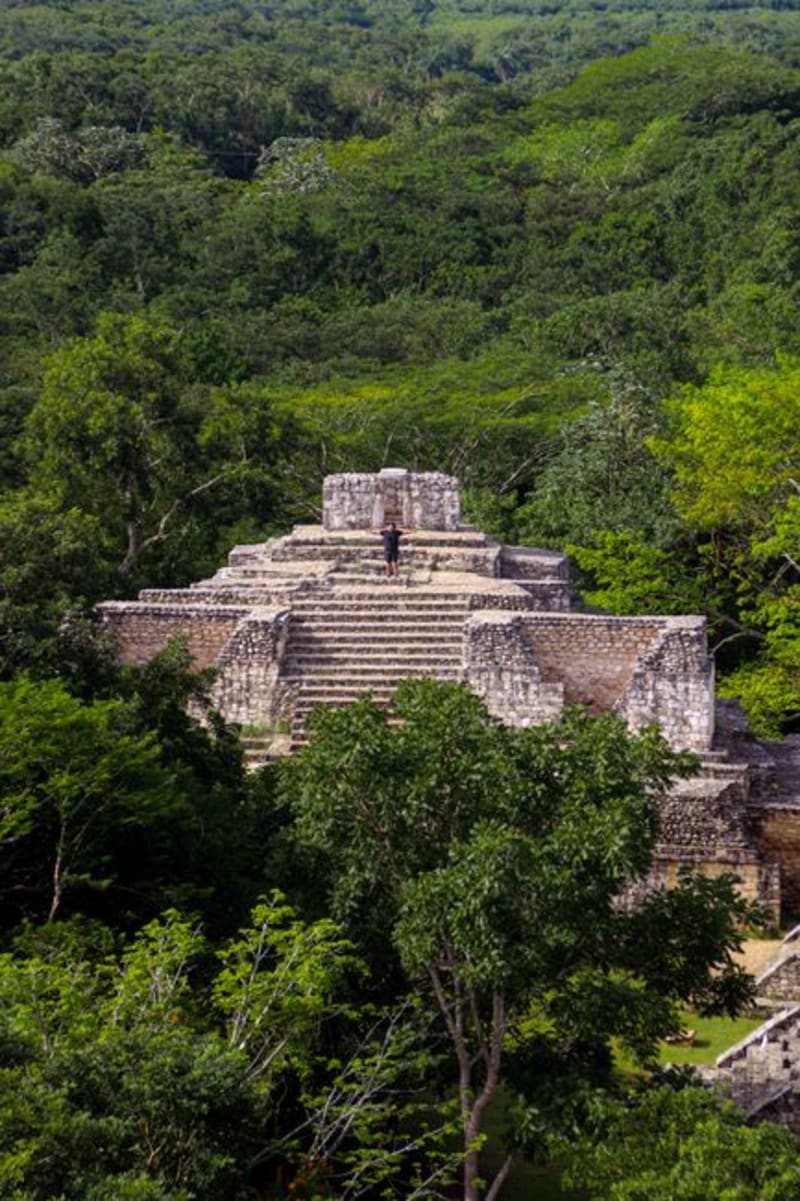
 Ek Balam
One of the few Maya pyramids still open to climbers, Ek Balam sits forty minutes north of Valladolid in near-total obscurity — which makes no sense once you see the stucco jaguar-mouth frieze waiting at the summit of the Acropolis. The site is thirty-two meters of original stone with the best-preserved Maya sculpture I have encountered in Mexico, and almost nobody comes.
Explore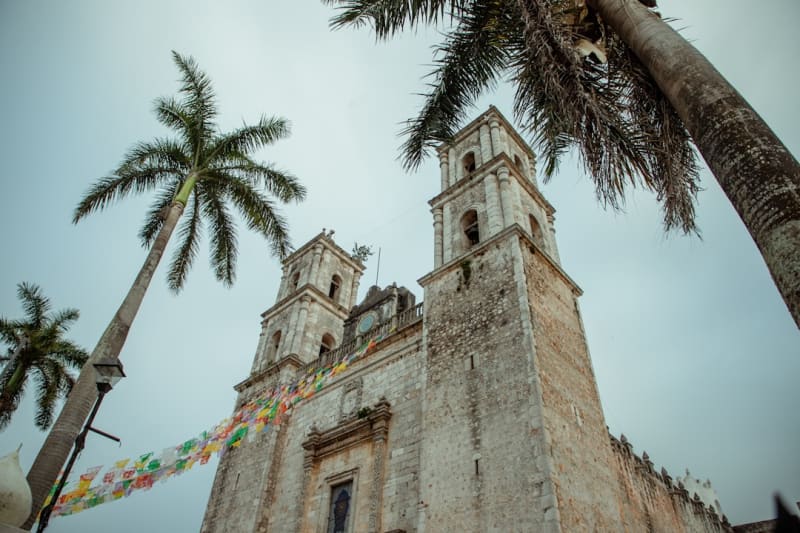 mexico
 Valladolid
A colonial Yucatán town between Mérida and Chichén Itzá — slower, cheaper, and more genuinely inhabited than either, with cenotes in its basement and one of the best markets in the peninsula.
Explore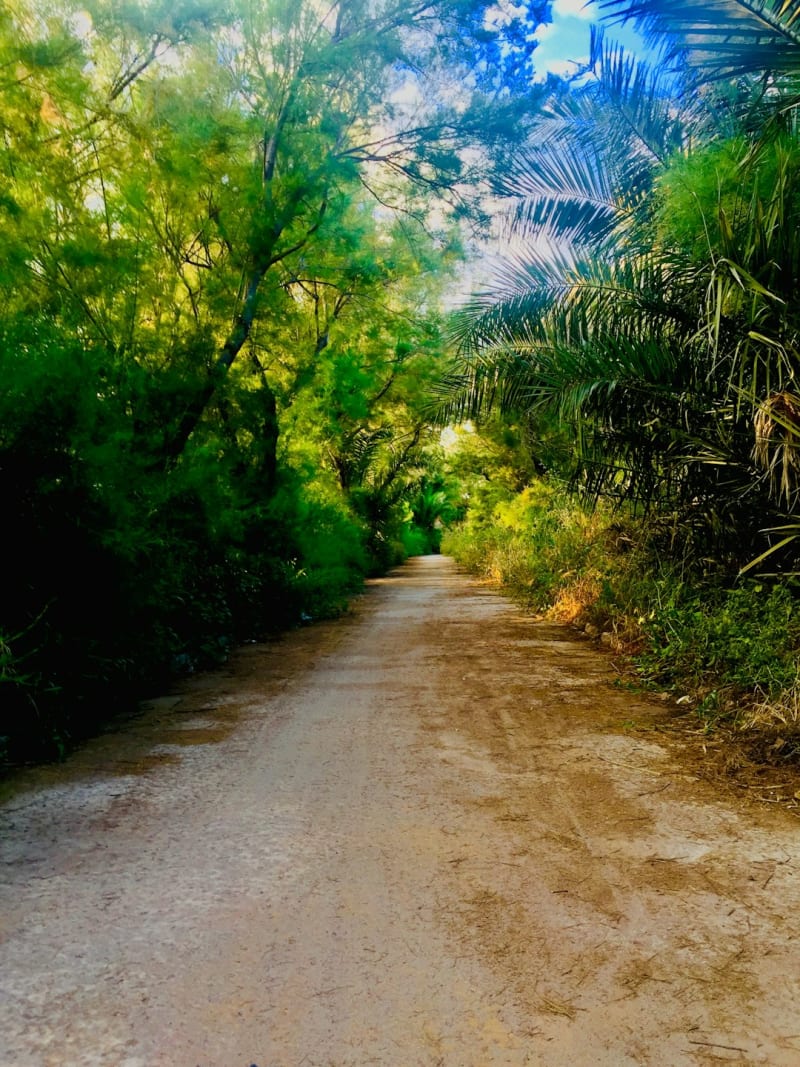 mexico
 Piste
Piste sits at the edge of Chichén Itzá and most visitors treat it as a lunch stop between buses. Those who stay overnight find a quiet Yucatecan town with genuinely good cochinita pibil, cenotes reachable by bicycle, and the rare privilege of arriving at the ruins before the tour groups.
Explore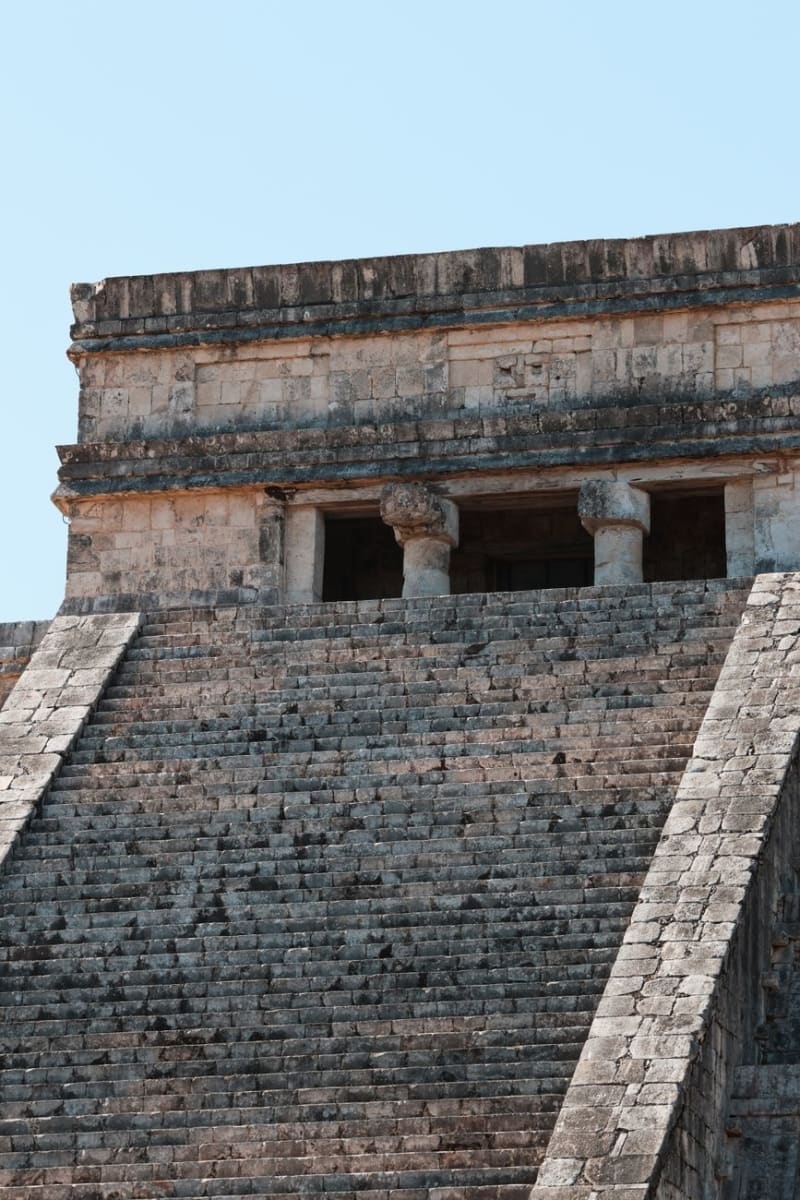 mexico
 Chichén Itzá
The most visited Maya archaeological site in the world and, visited with a strategy, one of the most extraordinary. El Castillo's geometry, the Great Ball Court's acoustics, El Caracol's astronomical precision — the crowds are real and manageable, and the nearby cenotes are not optional.
Explore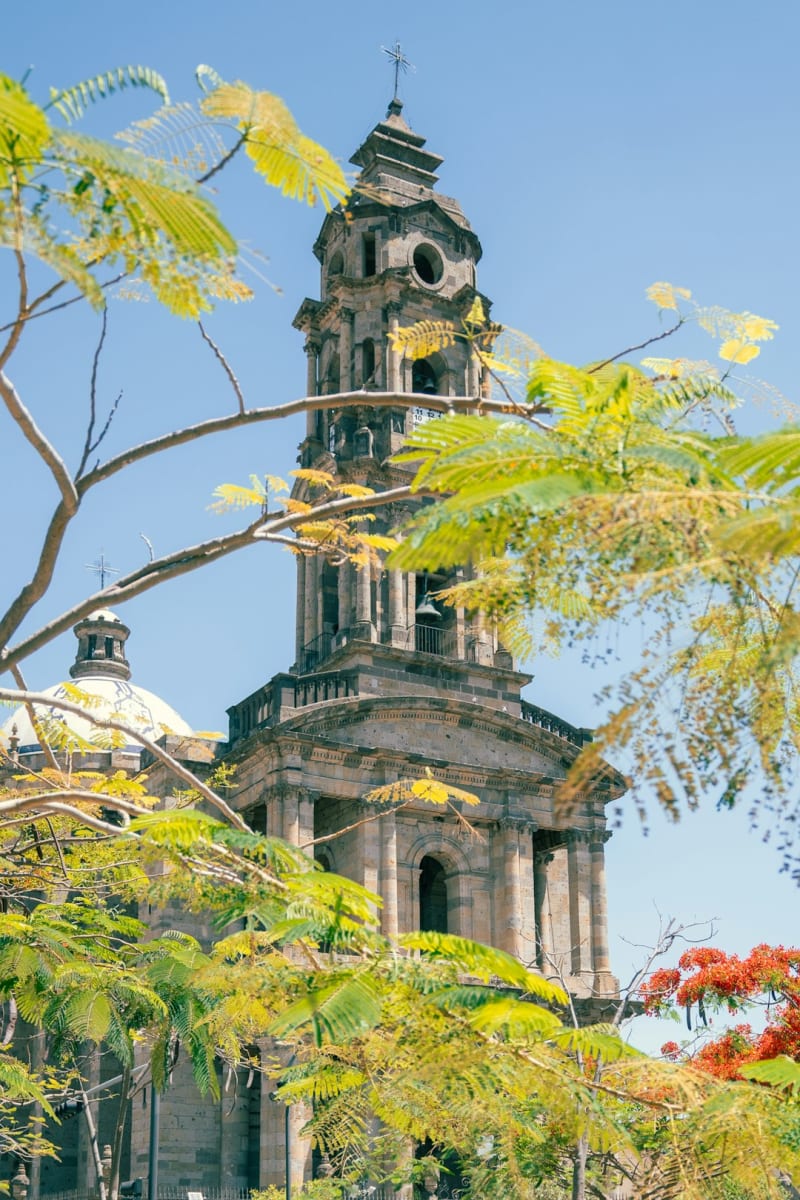 mexico
 Tizimín
The self-declared cattle capital of Yucatán, Tizimín is a working ranching town that comes spectacularly alive each January for a two-week feria centered on livestock, bullfighting, and regional food. Its colonial heart is anchored by the twin-towered Convento de los Santos Reyes — a structure that feels earned rather than preserved.
Explore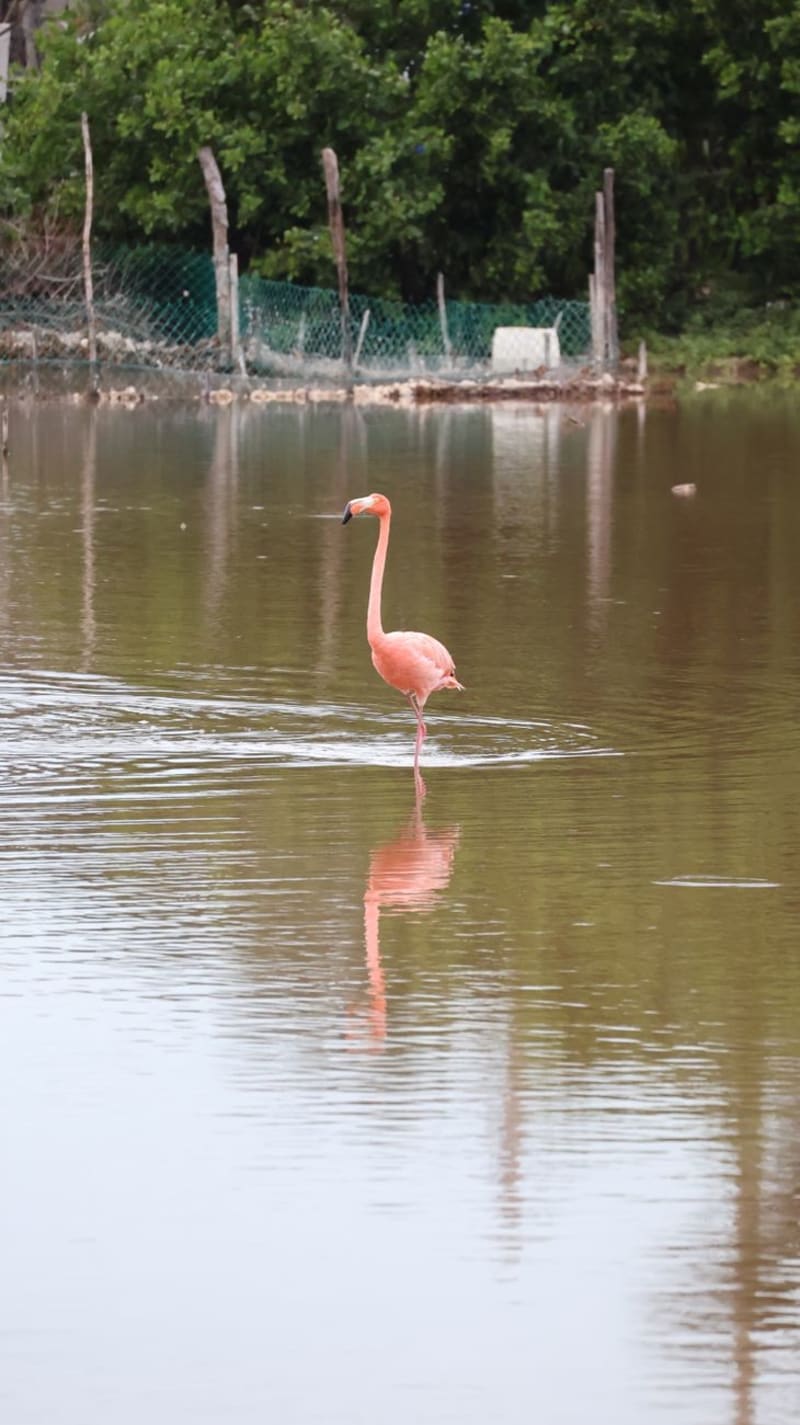 mexico
 Río Lagartos
A small fishing village on the north Yucatán coast inside the Ría Lagartos Biosphere Reserve, home to the largest flamingo colony in North America. Dawn boat tours through mangrove channels reach the nesting grounds, and the adjacent pink saltflats — Las Coloradas — offer a color that seems edited in.
Explore