Tizimín
"No curated food stalls, no tourist signage — just Yucatecans at their own party, and I happened to show up."
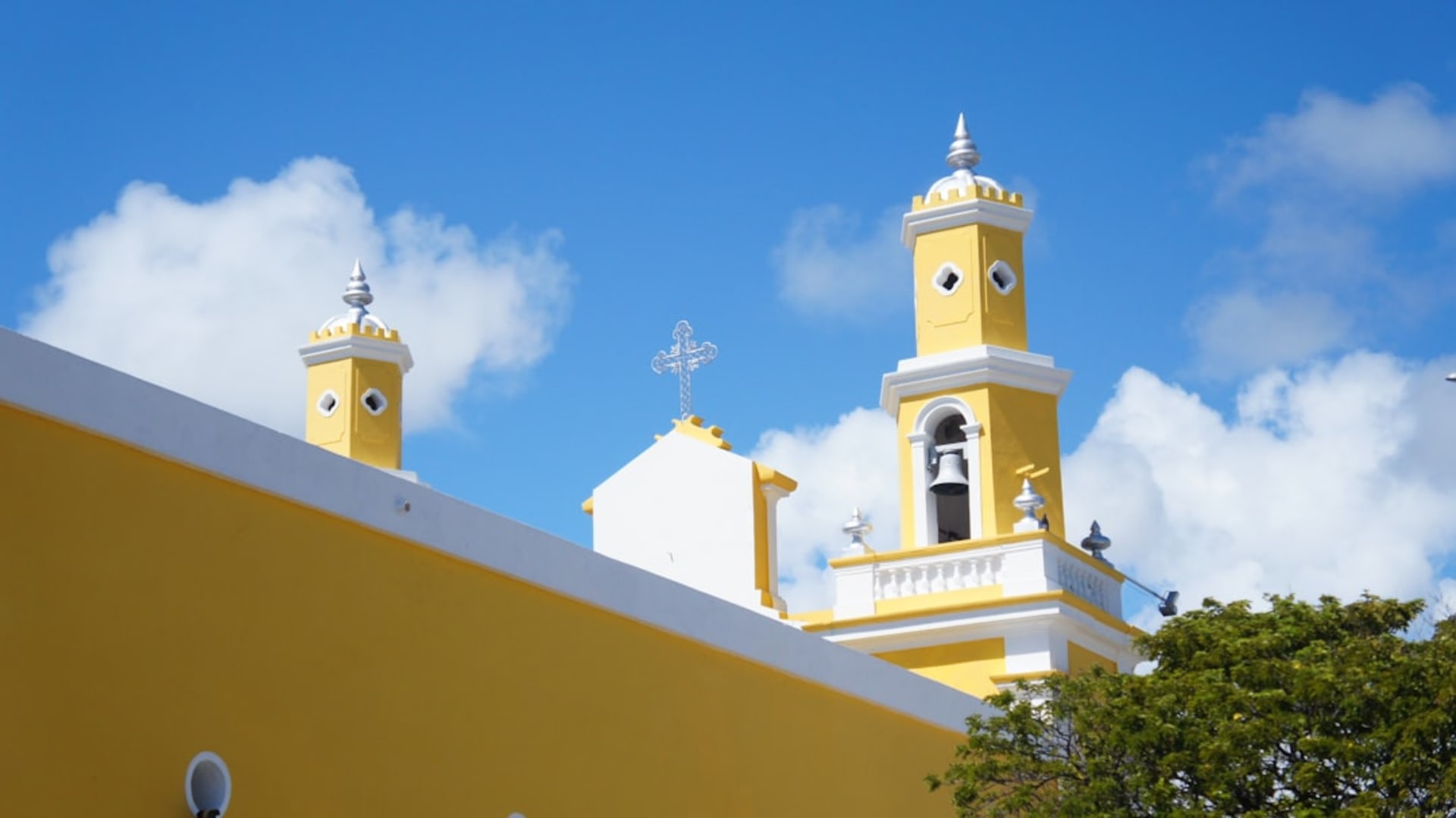
The self-declared cattle capital of Yucatán, Tizimín is a working ranching town that comes spectacularly alive each January for a two-week feria centered on livestock, bullfighting, and regional food. Its colonial heart is anchored by the twin-towered Convento de los Santos Reyes — a structure that feels earned rather than preserved.

I came through Tizimín on a Tuesday in early January because the ADO timetable gave me no better option between Valladolid and Río Lagartos. The bus dropped me next to the market at noon and I immediately understood I had landed somewhere that was not expecting me. The town smelled of grilled meat and animal feed in roughly equal measure, the streets were louder than the population count suggested they had any right to be, and somebody was setting off fireworks at one in the afternoon for reasons I couldn’t immediately identify. I checked into a room on Calle 50, ordered a plate of cochinita at the nearest counter, and did not leave for three days.
La Feria de los Santos Reyes
The January fair is the reason Tizimín exists in the national consciousness, if it exists there at all. Named for the Feast of the Epiphany, it runs for roughly two weeks and draws ranchers, their families, and their cattle from across eastern Yucatán. The fairgrounds sit on the edge of town and during the day they are genuinely agricultural — zebu bulls in temporary pens, ribbon competitions, men in straw hats appraising livestock with the quiet intensity a sommelier brings to a difficult glass. By evening the register shifts: corridas in the small bullring, regional bands playing jarana yucateca until late, and food stands serving things I hadn’t seen elsewhere — papadzules dressed with a different proportion of pepita paste than I was used to in Mérida, a pork-based relleno negro that was darker and funkier than any version I’d had before. The crowd was entirely local. Nobody was performing anything for anyone, which is the thing I find most difficult to manufacture on purpose and most impossible to replicate when it’s gone.

The Convent and the Plaza
The Convento de los Santos Reyes dates from the late sixteenth century and its two towers — asymmetrical in a way that reads as accidental rather than designed — frame the main plaza with an authority the surrounding town has never bothered to compete with. I spent a morning inside when the heat peaked around eleven. The interior is spare: whitewashed walls, a carved altarpiece, the particular silence of a space that has absorbed several centuries of use without being converted into a museum or a venue. Outside, the portales along the plaza held men drinking cold café de olla from plastic cups and arguing about something I couldn’t fully follow. The plaza fountain was half-drained. A dog slept on the church steps. It felt, in the best possible sense, like a town that had nothing to prove to anyone who showed up unannounced.

Eating at the Mercado
The Mercado Municipal on Calle 50 is where the town eats breakfast and it is where I spent my mornings. By seven the cocina stalls were already running: sopa de lima with torn tortillas floating in the broth, huevos motuleños built in proper layers, fresh tortillas pressed by hand at the back counter. The women running the stalls knew each other’s business and conducted three conversations simultaneously without missing a step on the prep. I ate well and cheaply, and nobody once asked where I was from or what I thought of their country.

Getting There
Tizimín is connected by ADO bus to Valladolid (roughly one hour) and Mérida (around three hours with a transfer). Colectivos run regularly north to Río Lagartos, making it a practical stopping point on a route through the biosphere reserve. The bus terminal is central and easy to navigate on foot. There is no particular reason to rent a car here.
Keep exploring
More of Yucatán
Keep exploring
More from Yucatán
 mexico
 Río Lagartos
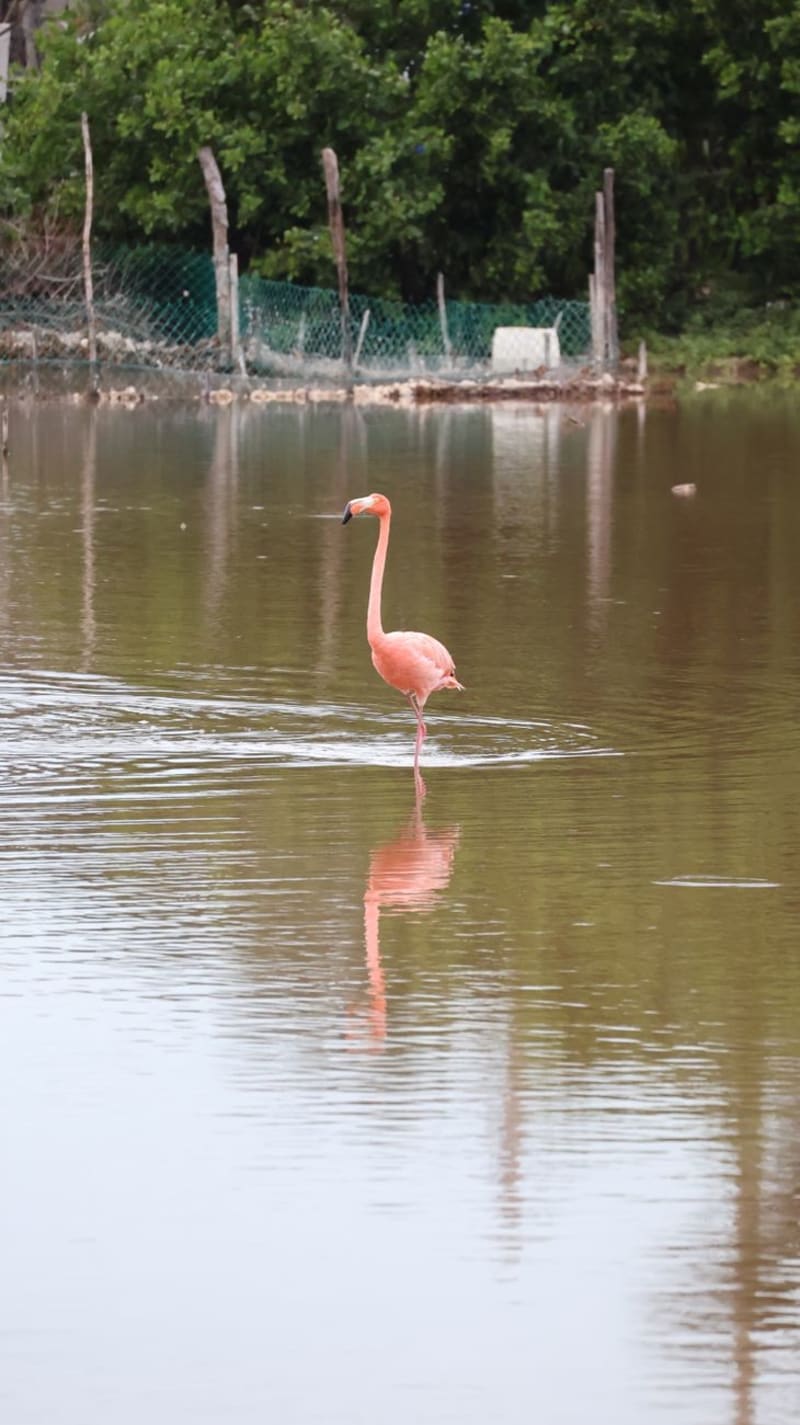
A small fishing village on the north Yucatán coast inside the Ría Lagartos Biosphere Reserve, home to the largest flamingo colony in North America. Dawn boat tours through mangrove channels reach the nesting grounds, and the adjacent pink saltflats — Las Coloradas — offer a color that seems edited in.
Explore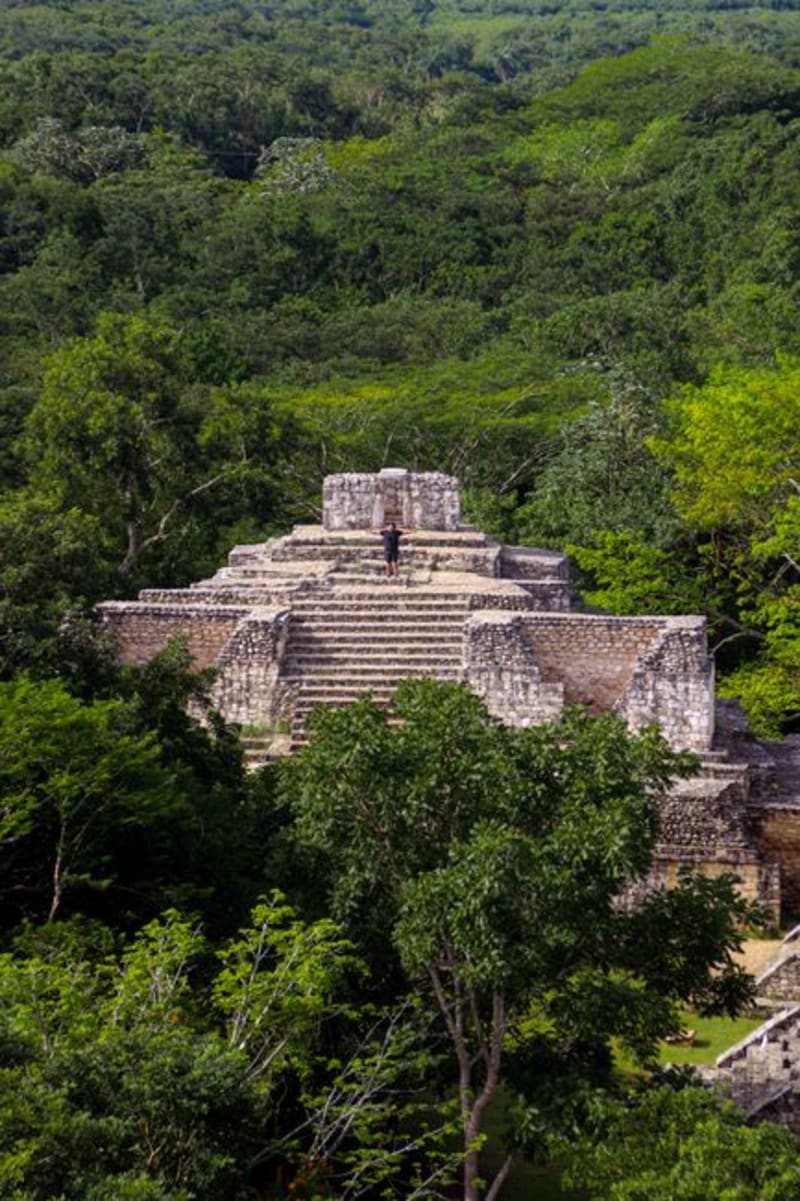 mexico
 Ek Balam
One of the few Maya pyramids still open to climbers, Ek Balam sits forty minutes north of Valladolid in near-total obscurity — which makes no sense once you see the stucco jaguar-mouth frieze waiting at the summit of the Acropolis. The site is thirty-two meters of original stone with the best-preserved Maya sculpture I have encountered in Mexico, and almost nobody comes.
Explore mexico
 Espita
A colonial town in the cattle country of northeastern Yucatán that almost nobody visits. Wide streets lined with 18th-century mansions going gently to seed, a church on the plaza that outlasted the henequen economy, and the particular silence of a place that has made peace with being off the tourist map.
Explore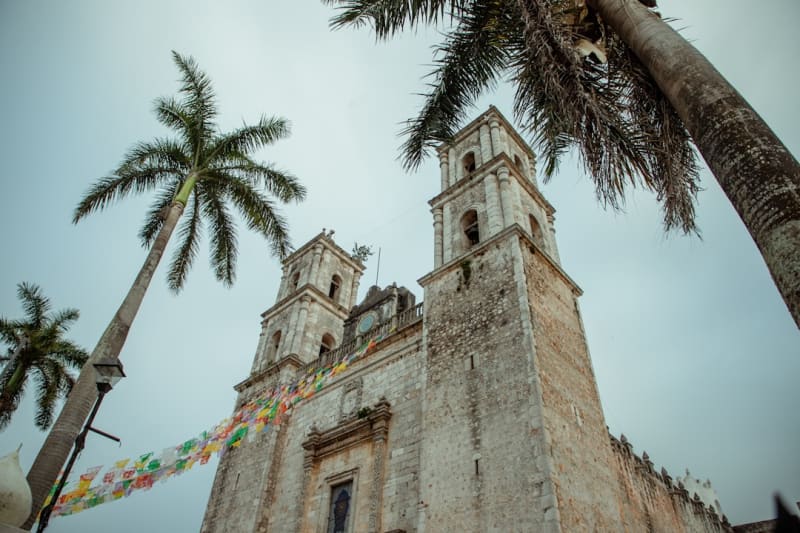 mexico
 Valladolid
A colonial Yucatán town between Mérida and Chichén Itzá — slower, cheaper, and more genuinely inhabited than either, with cenotes in its basement and one of the best markets in the peninsula.
Explore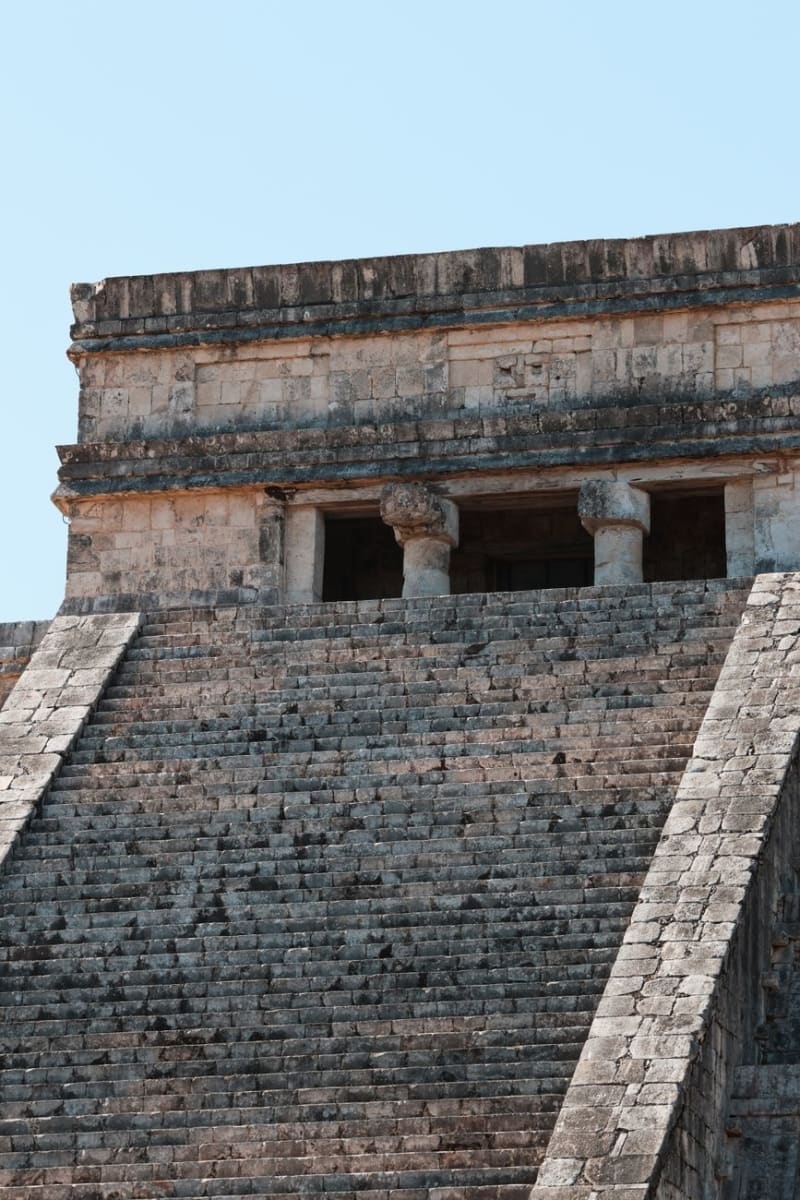 mexico
 Chichén Itzá
The most visited Maya archaeological site in the world and, visited with a strategy, one of the most extraordinary. El Castillo's geometry, the Great Ball Court's acoustics, El Caracol's astronomical precision — the crowds are real and manageable, and the nearby cenotes are not optional.
Explore mexico
 Piste
Piste sits at the edge of Chichén Itzá and most visitors treat it as a lunch stop between buses. Those who stay overnight find a quiet Yucatecan town with genuinely good cochinita pibil, cenotes reachable by bicycle, and the rare privilege of arriving at the ruins before the tour groups.
Explore