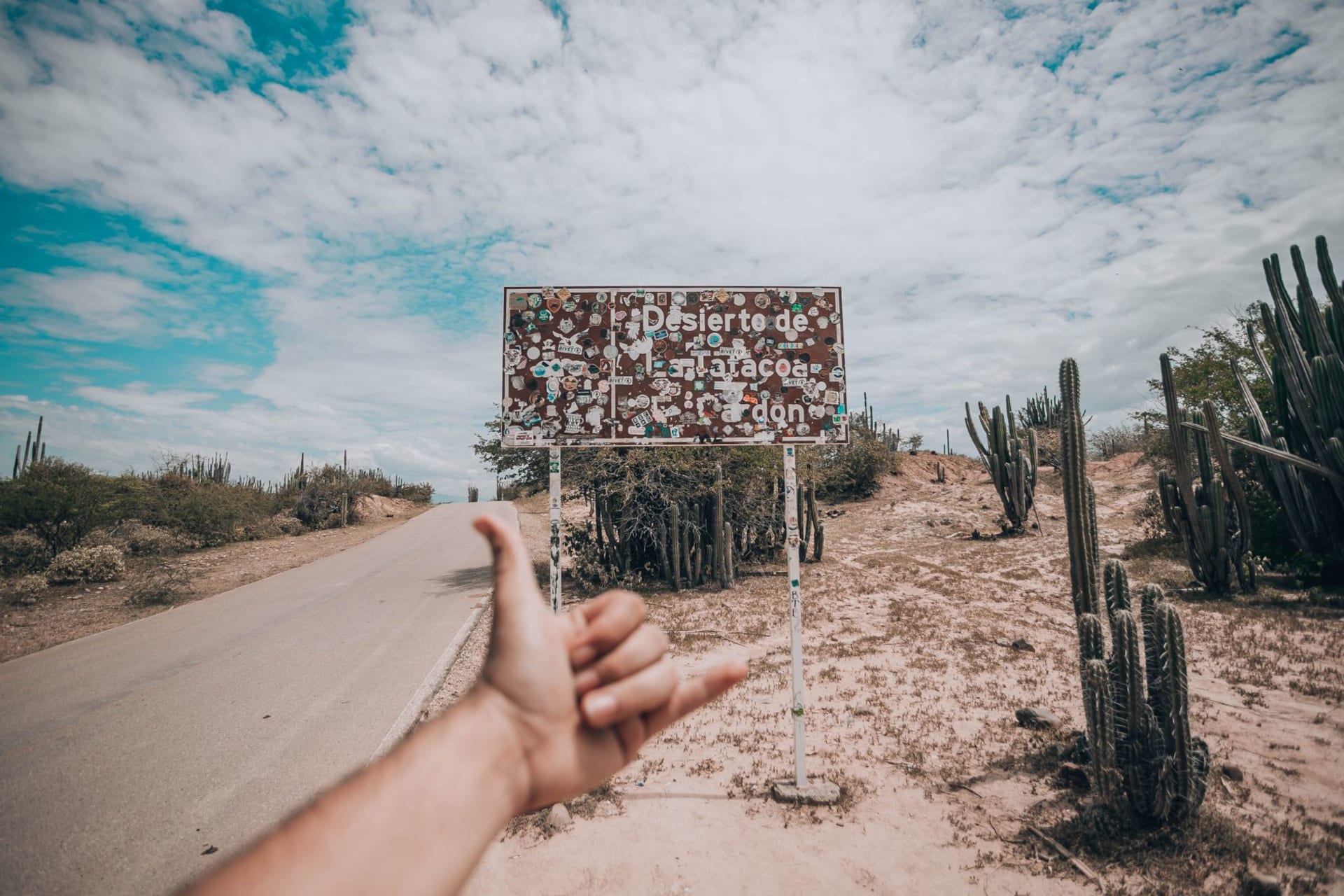
Magdalena de Kino
"The bones of a man who walked this desert three hundred years ago, in a glass case under the church floor. I had not expected to be so stopped by them."
Eusebio Francisco Kino was born in what is now northern Italy in 1645, joined the Jesuits, was assigned to New Spain, and spent the last twenty-four years of his life riding on horseback through the Sonoran Desert founding missions, mapping river systems, and making the first reliable geographical argument that Baja California was a peninsula rather than an island. He died in 1711 in the settlement that would eventually become Magdalena de Kino. He was buried in the mission chapel. The chapel was rebuilt. The location of his grave was lost. Then in 1966, archaeologists excavating beneath the floor of the church of Santa María Magdalena found human remains alongside Jesuit artifacts — a crucifix, vestment buttons — and the remains were identified as Kino’s through historical cross-referencing and physical analysis.
The bones are now in a glass case, visible through the floor. I had read this before I arrived and thought I understood what it would be like. I was wrong.
The Crypt and What It Does to You
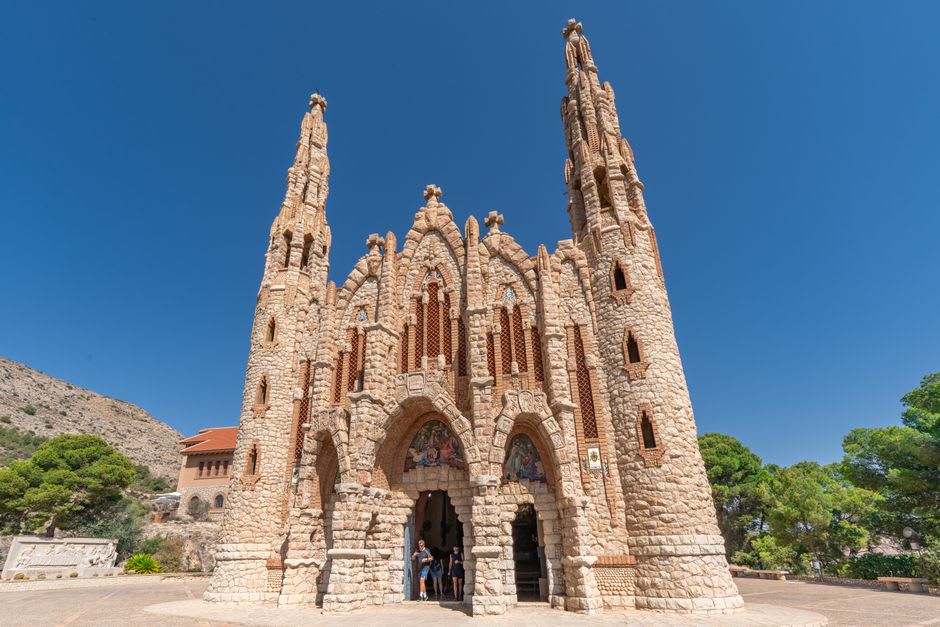
The church of Santa María Magdalena sits on the main plaza of Magdalena. It has two towers and a restored colonial facade — handsome, well maintained, the kind of church that in Mexico you might see twenty of in a week and stop registering individually. But you walk in, and near the apse, set into the floor, is a glass enclosure about two meters long. And inside are the bones.
They are laid out in approximate anatomical order — not a posed skeleton, just the actual bones as they were found, cleaned and arranged and labeled, lit from below in warm amber light. A placard explains the discovery, Kino’s life, the identification process. I read it, then stood there.
I am not a religious person. I have no particular relationship to the Jesuit order or to the history of Spanish colonization of the Americas, which is a complicated enough legacy that reverence doesn’t quite seem like the right response. But there is something specific and strange about standing over the actual physical remains of someone who covered this ground — this exact ground, this desert — three centuries ago. The bones are not symbolic. They are the bones. He was in this valley, on these roads, looking at this sky. He died not far from where I was standing.
I stayed there for a long time, which surprised me. Other visitors came, circled the case, read the placard, moved on. I kept staying.
Pilgrims and the Festival
Magdalena de Kino’s annual Fiesta de San Francisco Xavier, held in the first days of October, is one of the largest pilgrimage events in the Sonoran Desert region. Indigenous O’odham communities from both sides of the US-Mexico border walk to Magdalena for the festival, continuing a tradition that predates the international boundary and operates on a calendar that has nothing to do with it. Hundreds of thousands of people come over the course of the festival days — from Sonora, from Arizona, from communities scattered across the northern desert.
The pilgrimage is specifically to the image of Saint Francis Xavier, which rests in the church and is credited with miracles. The festival combines Catholic devotion with O’odham and other indigenous ceremonial traditions in ways that are not always tidy but have been continuous for a very long time. If you go in October expecting a tourist event, you will find something more porous and serious than that.
The rest of the year, Magdalena is a quiet market town of about fifty thousand people, a stopping point on the highway between Nogales and Hermosillo.
The Surrounding Desert
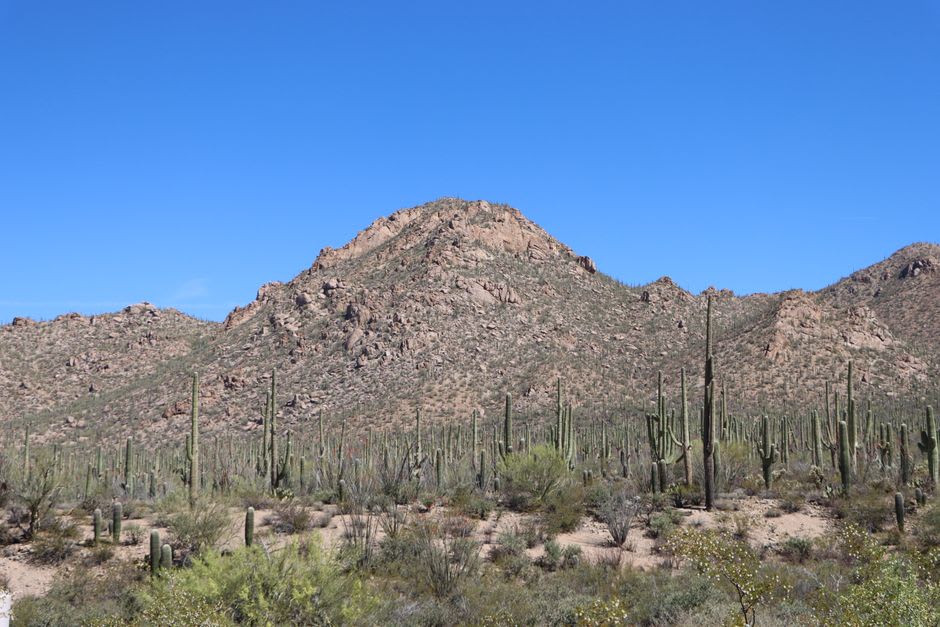
Magdalena sits in a valley of the Sonoran Desert at about 700 meters — high enough to moderate the summer heat somewhat, low enough that the landscape is fully desert: palo verde, saguaro, brittlebush, the creosote that smells exactly right after rain. The mission trail that Kino built across this region is still traceable — you can visit several of the original mission sites within a few hours’ drive, though most are in various states of ruin.
The highway town of Magdalena is 50 kilometers south of Nogales on Route 15 — straightforward to reach from Hermosillo (about 80km south) or from the Arizona border. It is not a place most people plan as a destination; most people stop on a longer trip through northern Sonora. I would argue it earns a stop of its own, even a brief one, purely for the twenty minutes you’ll spend standing over the bones trying to understand what you’re feeling.