Sonora
"Álamos was one of the wealthiest cities in New Spain when silver was coming out of the mines. The mines closed in 1910. The town stopped. Fifty years later, American retirees bought the colonial mansions for nothing and restored them. The result is the best-preserved colonial town in northwestern Mexico."
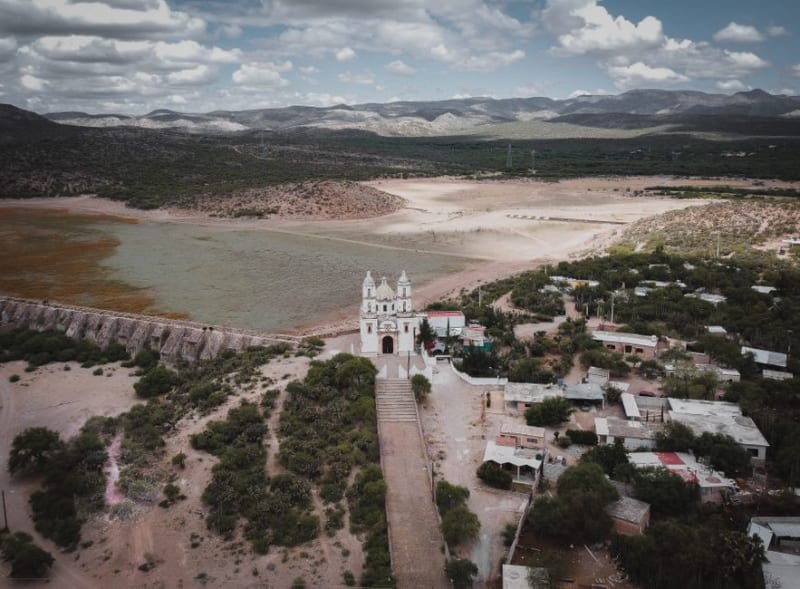
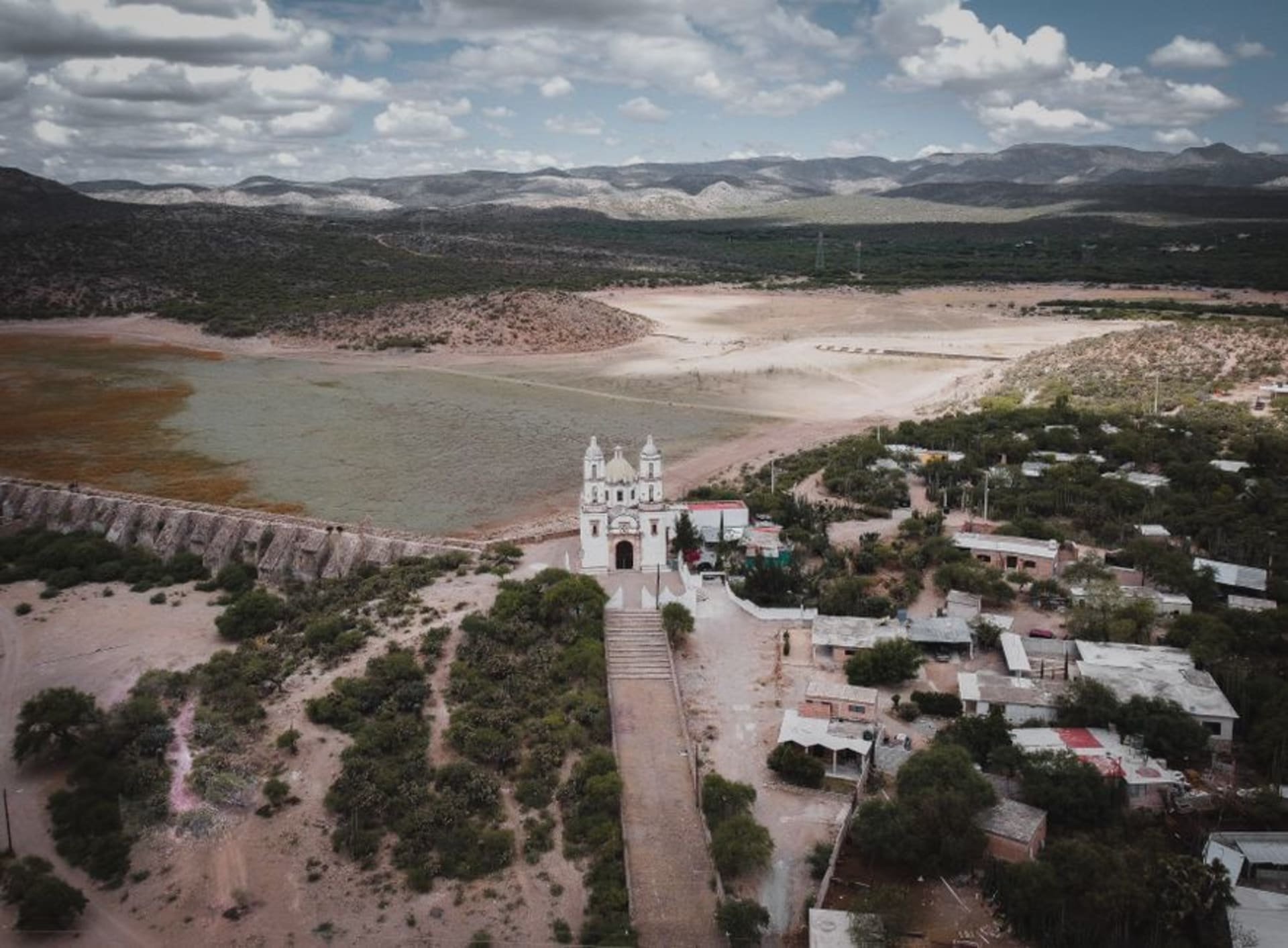
Sonora is Mexico’s second-largest state (after Chihuahua) and one of the most undercharacterized — a territory the size of Washington State plus Oregon that contains three distinct ecosystems (the Sonoran Desert, the Sierra Madre Occidental, and the Sea of Cortez coast), two major indigenous civilizations (the Yaqui and the Mayo, who maintained military resistance to the Mexican state into the 20th century), the most productive wheat and cattle economy in Mexico, and some of the most dramatic marine environments in the Gulf of California.
The Sonoran Desert — the “green desert,” characterized by its saguaro cactus forests, its diverse shrub layer, and its two rainy seasons — covers most of the western and northern state. The saguaro (Carnegiea gigantea), the giant columnar cactus that defines the Sonoran landscape, grows only in the Sonoran Desert (Sonora and Arizona); the largest specimens are over 150 years old.
The Sea of Cortez coast — running 650 kilometers from the Arizona border to the tip of the Baja peninsula — is the richest marine environment in the Gulf of California. The Sonora coast includes the Islas del Golfo de California (UNESCO World Heritage, the “Galápagos of North America”) and the fishing town of Puerto Peñasco (Rocky Point) at the head of the Gulf.
Álamos (covered separately) — the silver mining colonial town in the foothills of the Sierra Madre 340 kilometers southeast of Hermosillo — is the destination that represents what Sonora was in the colonial economy: a silver-extraction machine that produced one of the most architecturally refined colonial cities in northwestern Mexico. The silver ran out; the town preserved itself in amber. The tropic of Cancer runs through the municipality; the flora transitions from Sonoran Desert to tropical deciduous forest in the canyon below the town.
Hermosillo, the capital, is a modern desert city of 800,000 with serious food culture — the Sonoran hot dog (a bacon-wrapped frankfurter in a bolillo bun with beans, tomatoes, onion, mayo, and mustard) was invented here and has spread across the border to Tucson and Phoenix. The cattle culture of Sonora produces the beef for these hot dogs and for the carne asada tradition that defines northern Mexican cuisine.