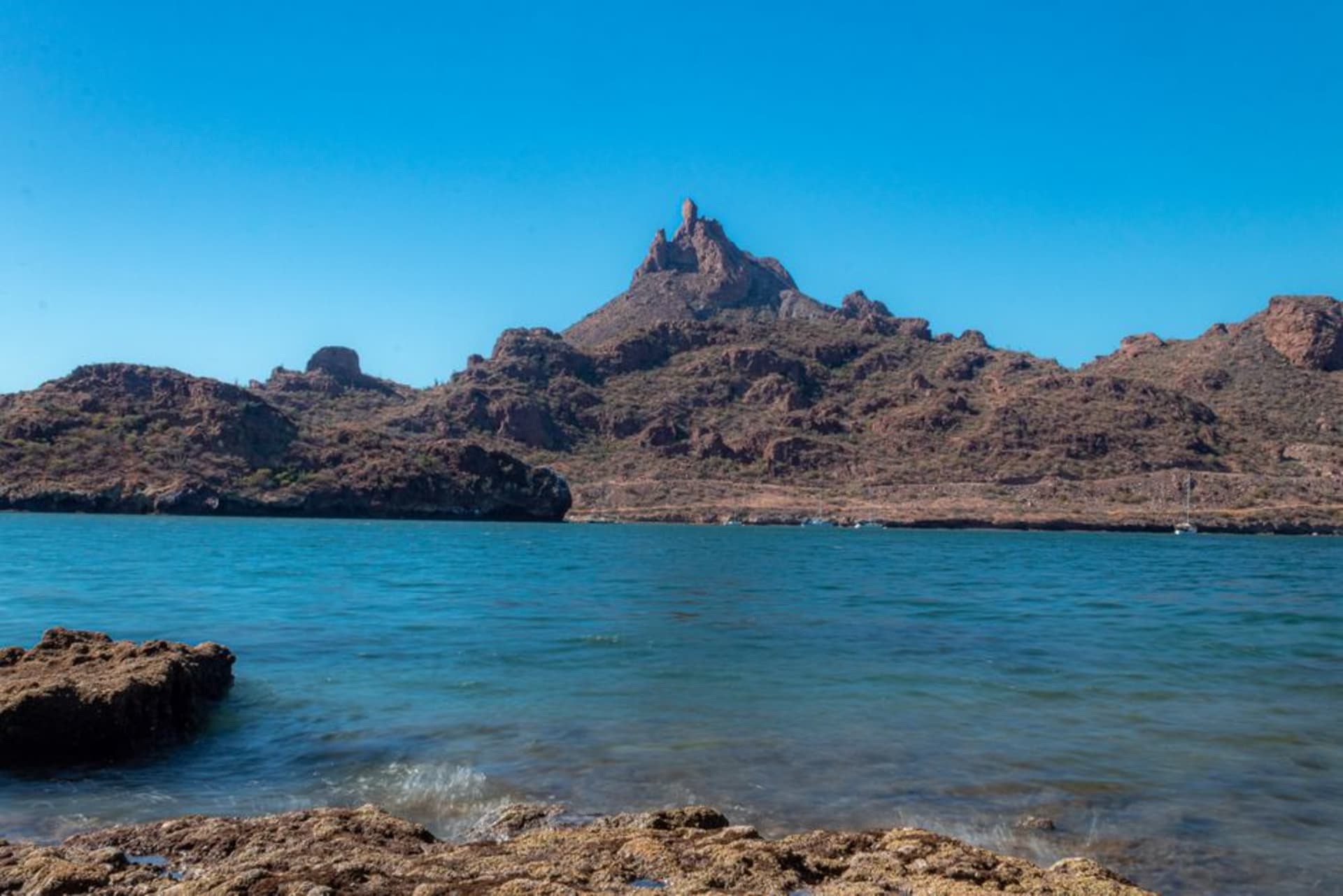
Arizpe
"The entire American Southwest was once governed from this sleepy canyon plaza. The guy selling mangonadas doesn't seem to know — and frankly neither did I until I looked it up the night before I arrived."
I pulled into Arizpe on a Thursday afternoon when the light was already going amber over the canyon walls. A goat crossed the main street in front of my car. A man on a bicycle waited. Nobody seemed bothered. I had driven north from Hermosillo — three and a half hours of mesquite and cattle country — expecting something more dramatic at the end. What I found instead was a town that has quietly decided to let its history be enormous and its streets stay small, and the combination is one of the stranger things I’ve encountered in Sonora.
The Church and the Man Who Founded San Francisco
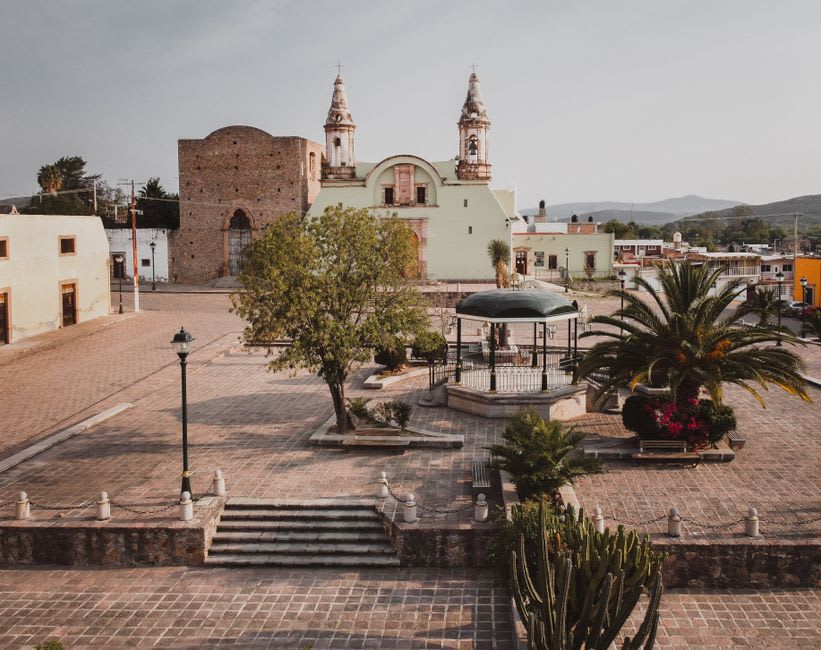
The Iglesia de Nuestra Señora de la Asunción sits at the corner of the plaza — a colonial church that looks exactly like a colonial church in a town of three thousand people. You could walk past it without slowing down. Inside, beneath a stone toward the front of the nave, are the remains of Juan Bautista de Anza. He led an overland expedition from Sonora to Alta California in 1775, established the presidio that would become San Francisco, then came back, was made governor of New Mexico, and eventually died in Arizpe in 1788, buried far from anything that carries his name. That afternoon I was the only person in the church for a long while. A woman came in to sweep. Neither of us said anything. I kept thinking about the fact that this quiet floor holds someone whose overland route became a modern interstate. The placards are modest. The town is modest. The history is not.
Flour Tortillas and Rooms That Open at Five
Sonoran food is different from what most people mean when they say Mexican food, and Arizpe is a fine place to understand why. The tortillas here are flour — large, soft, made at the tortillería three blocks from the plaza, where you can buy them warm by the dozen for nearly nothing. I ate my first meal standing at the counter of a small comedor near the market: a caldo de res dark with chiles and time, with a stack of those tortillas beside it. The menu on the wall offered machaca con huevo, chilorio, and what the woman behind the counter simply called carne — which turned out to be thin-cut beef grilled to exactly the right side of dry. Everything tasted like it was made for people who had been working since five in the morning. I was not one of those people, but I ate like I had been.
The Canyon at the End of the Day
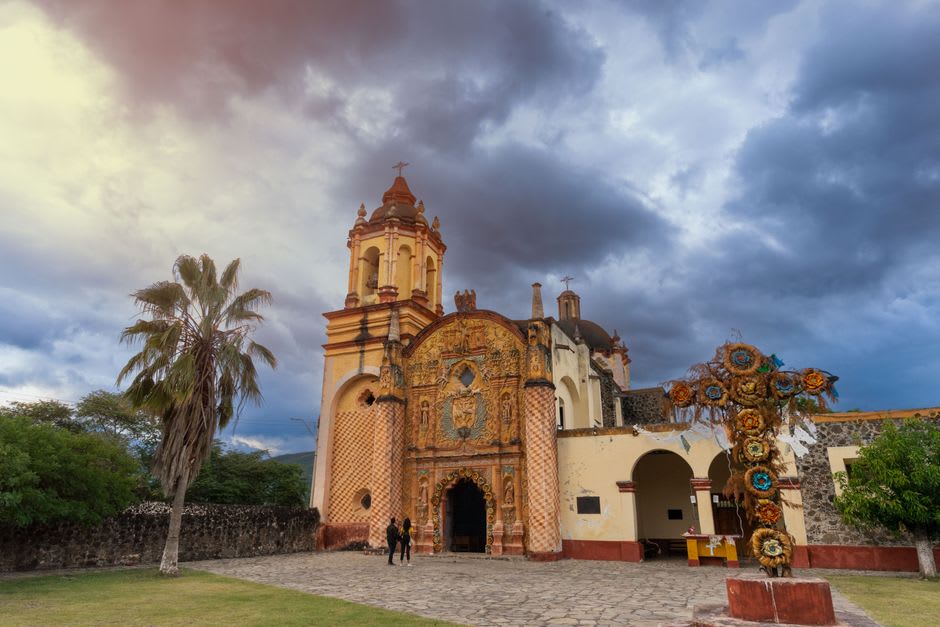
The Río Sonora runs along the edge of town — low in summer but clear, lined with cottonwoods that go bright yellow come November. I walked down to the bank in the late afternoon and sat on a rock for longer than I had planned. The canyon walls to the north are the color of dry rust. You can follow the river upstream for a couple of hours without meeting anyone. I recommend doing this before you get back in the car — it resets something. The light at that hour is the kind photographers drive hours for. Nobody here is driving for it. They’re cooking dinner.
Getting There
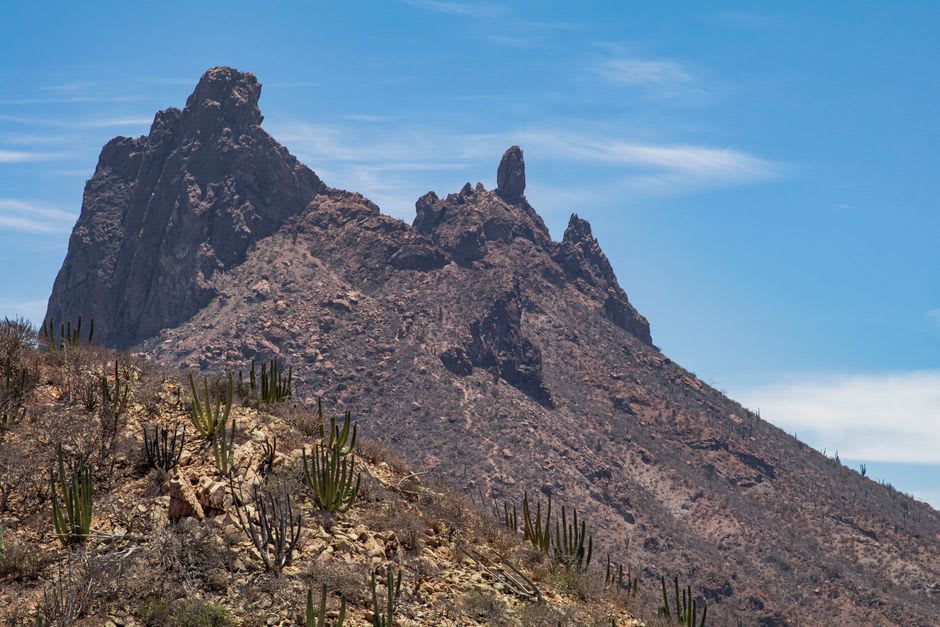
Arizpe sits about 200 kilometers northeast of Hermosillo on Highway 17 — roughly three and a half hours by car. There is no direct bus service; the realistic route connects through Ures or Baviácora. October through March is the comfortable window; the canyon heats up seriously in summer. Accommodation is limited to a couple of small guesthouses, so book ahead, especially around Semana Santa when the town actually fills.