Álamos
"They drove from Tucson to Álamos in 1948, planning to stay a week. They restored the mansion. They are buried in the local cemetery."
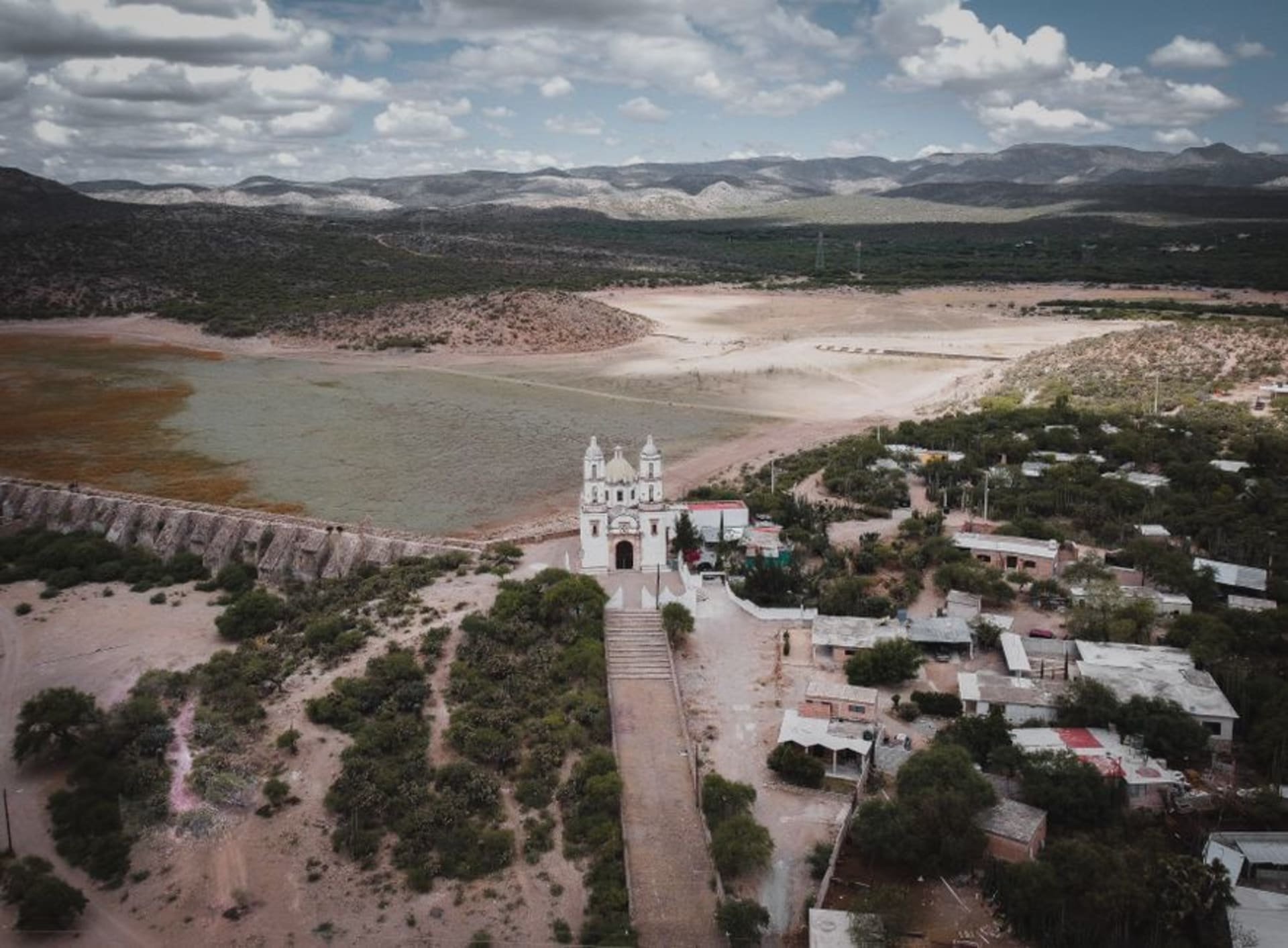
Álamos is the colonial town that rewards the effort of getting there. Five hours south of Hermosillo in the Sonoran foothills — or ten hours south of the US border at Nogales on the coastal highway — it sits at 427 meters in the transition zone where the Sonoran Desert gives way to the tropical dry forest of the Sierra Madre Occidental. This forest — known as the Sinaloan thornscrub — is one of North America’s most productive winter birding habitats, drawing species from both the Neotropics and the temperate north into a thorn-forest mosaic of extraordinary biodiversity.
The town itself was founded in 1685 after silver was discovered in the surrounding hills, became one of the most prosperous colonial cities in northwestern Mexico during the 18th century (when the silver production here made it briefly the capital of the entire northwestern colonial region), declined catastrophically after the revolution, and was largely abandoned by the 1930s. Then the Americans arrived.
The Colonial Town
The historical preservation of Álamos is an accident of poverty: because the town had no money to modernize after the decline of the silver industry, the 18th-century buildings were neither demolished nor significantly altered. The colonial center that remains — the plaza, the church, the mansions of the silver merchants — is one of the most intact examples of northwestern colonial Mexican architecture in existence.
The Parroquia de la Purísima Concepción — the parish church on the main plaza, begun in 1786 — has a baroque facade of white stucco that the dry Sonoran climate has preserved without the moisture damage that degrades similar structures in Veracruz or Oaxaca. The interior is austere in the northern colonial tradition: less gilded than the central Mexican churches, the light coming through high windows onto white plaster walls.
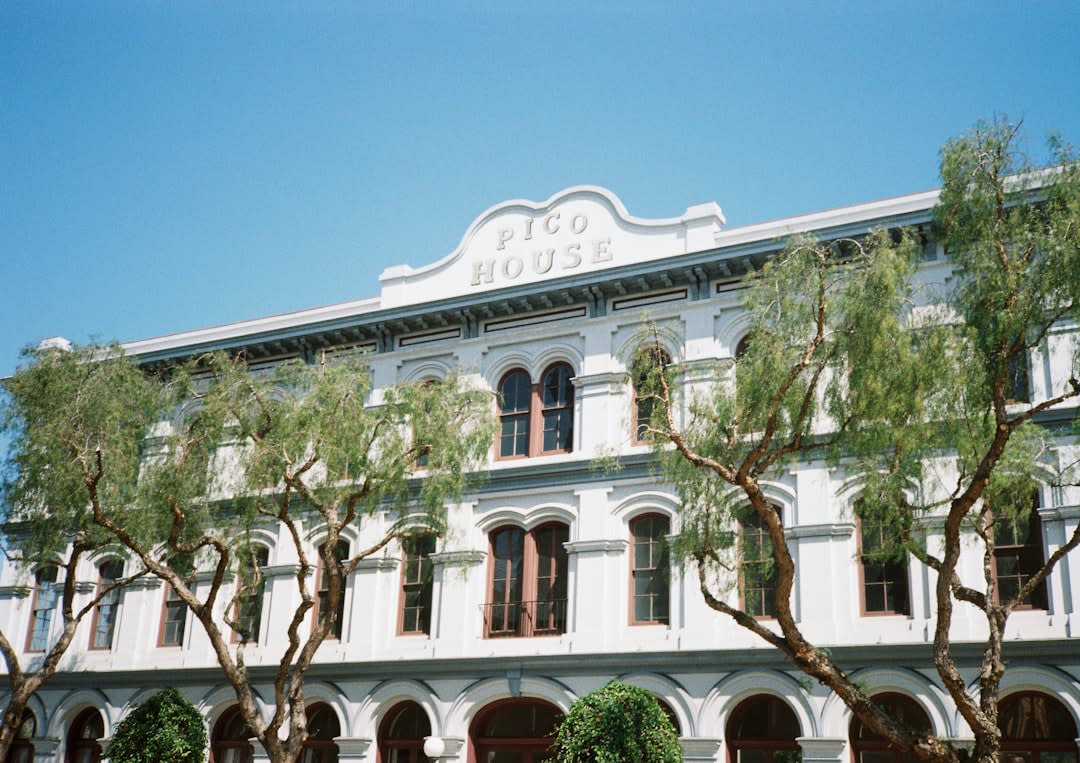
The colonial mansions around the plaza and on the adjacent streets were the grand residences of the silver barons. Most were roofless and deteriorating by the 1940s; many have since been restored, first by the American expatriates who began arriving after World War II and later by Mexican professionals from Hermosillo and Culiacán.
The American Community
The most specific thing about Álamos is what happened in 1948 when William Alcorn, an American artist, drove down from Tucson looking for somewhere cheap and beautiful to live, found the ruined colonial mansions of Álamos available for back taxes, bought several, and began restoring them. He told his friends in the American arts community; they came and bought their own ruins.
By the 1960s there was a community of American and Canadian artists, writers, and retirees living in the restored colonial mansions of Álamos, operating the town’s first hotel (the Hacienda de los Santos, in a restored 17th-century hacienda compound that is still the best hotel in Sonora), and producing the conservation culture that kept the colonial fabric intact through the subsequent decades.
The American community — now second and third generation in some cases, and thoroughly integrated into the town’s social life — is most visible in the Casa de los Tesoros hotel and the galleries around the main plaza, where the work of Álamos-based artists reflects both the colonial environment and the thorn forest landscape.
The Birding
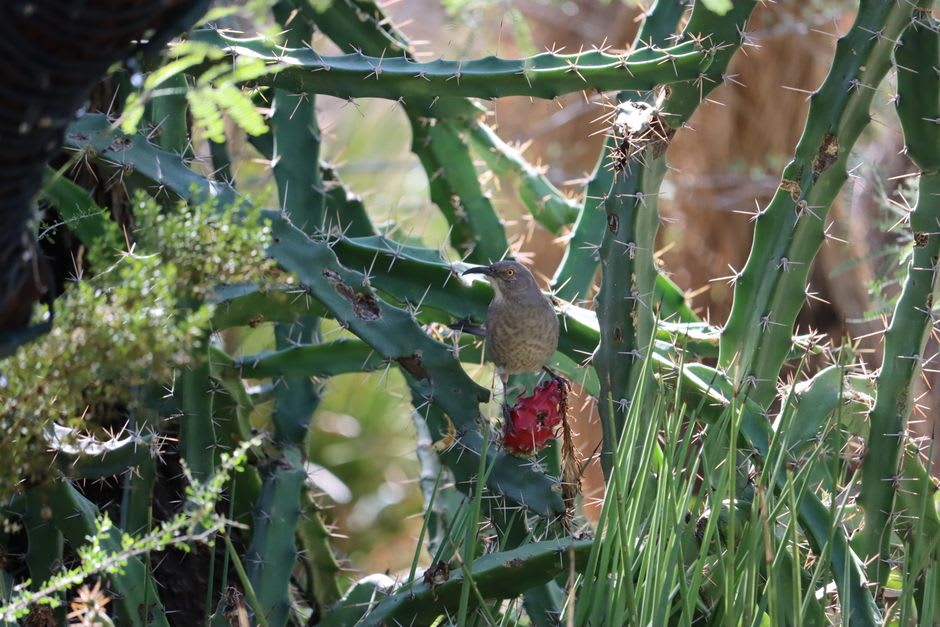
The tropical dry forest surrounding Álamos is the reason serious birders make the journey from Tucson, Phoenix, and beyond. In winter (November through March), the forest holds a combination of year-round residents and Mexican endemics that cannot be found easily anywhere else in the United States or Canada: the Military Macaw (in flocks that roost in the canyon walls above town), the Lilac-crowned Parrot, the Citreoline Trogon, the Rufous-backed Robin (a Mexican thrush found regularly in Álamos that rarely crosses into the US), and dozens of others that drive listers to this part of Sonora.
Rio Cuchujaqui — the river canyon a few kilometers below town — concentrates the water-dependent species in the dry season and produces morning bird lists that routinely exceed a hundred species. The resident naturalist guides at the Hacienda de los Santos have been running the canyon walks for decades.
Getting there: No direct bus service from major cities. Options: fly to Los Mochis (1.5h drive to Álamos), Hermosillo (5h drive), or Culiacán (3h drive). Rental car is the practical choice; the road south from Navojoa (the nearest junction on Highway 15) is good paved highway. The town has no airport.
When to go: November through March for birding (dry season, migrants present, temperatures ideal). July-September for the summer monsoon — the thorn forest greens dramatically and is beautiful but the humidity is high. Avoid the summer heat (April-June).