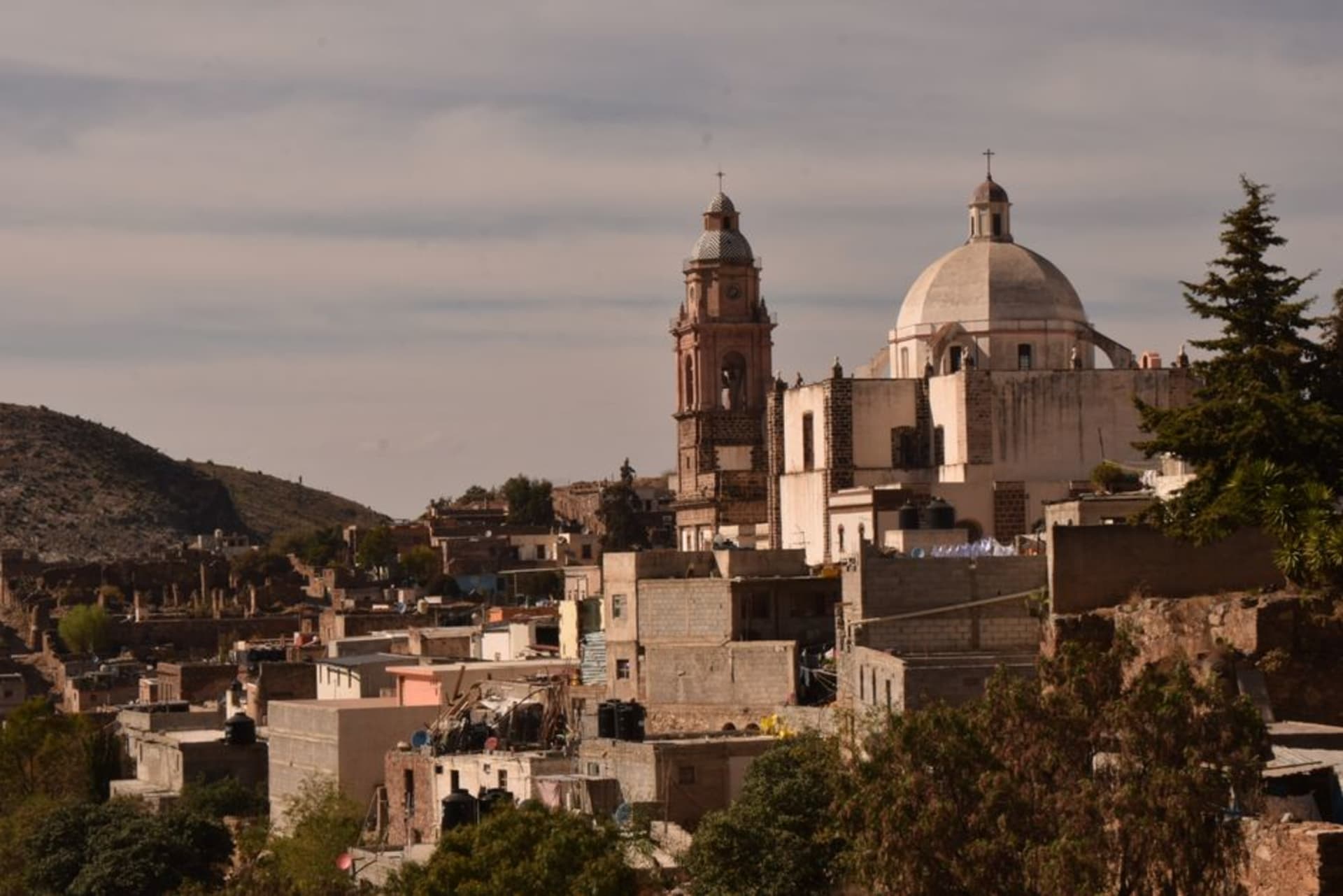
Matehuala
"I stopped for a coffee and ended up staying two nights — the kind of place that works on you slowly, without trying."
I pulled off Highway 57 at Matehuala because the fuel gauge said I should. That was two years ago, and I’ve gone back twice since. The city sits at nearly 1,600 meters on the Altiplano Potosino, a long flat hour north of San Luis Potosí, and most cars pass through without slowing — everybody’s headed for Real de Catorce, the ghost town in the sierra to the west. But at six in the evening, when the light goes sideways across the portales on the Plaza de Armas and the gordita stands are firing up for dinner, Matehuala is entirely itself, and that turns out to be enough.
A Market on Its Own Schedule
Getting into the Mercado Benito Juárez before nine in the morning is the right way to start a day here. The covered market on Calle Guerrero runs long and narrow, stalls packed close enough that you turn sideways past the cheese vendors, and the smell shifts in layers — first chile ancho, then fresh masa, then the faint sweetness of pitahaya stacked in crates near the back entrance. I had enchiladas potosinas for breakfast two mornings running: the red kind, filled with queso and folded flat, fried in manteca and served with rajas en vinagre that I kept reaching for even after the plate was technically empty. By the second morning the woman running the stall recognized me, refilled my agua de jamaica without being asked, and told me I was eating too fast. She was right. The mercado runs on its own logic — nobody is performing hospitality for outsiders, they’re running a market, and you’re welcome to be part of it if you’re not in a hurry.
The Desert Beyond Town
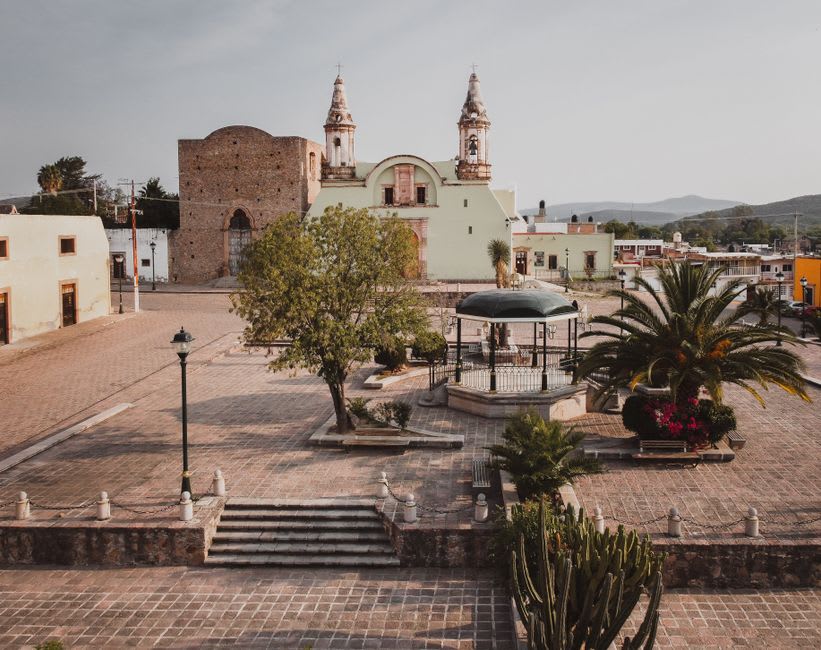
Drive fifteen minutes east on the road toward Cedral and the Altiplano opens up in a way that stops feeling like transit and starts feeling like arrival. This is the edge of Wirikuta, the sacred desert territory of the Wixáritari — the Huichol — who walk hundreds of kilometers each year from Jalisco and Nayarit to reach the springs at Real de Catorce, following a pilgrimage route that predates any road you’ll ever drive. I’m not going to suggest you hire a guide and call it a spiritual experience. What I will say is that standing at the edge of it in late afternoon, watching the light flatten over the nopal and the ocotillo as far as you can see in every direction, you understand something about why this geography generates the kind of meaning it does. The desert here is not empty. It’s attentive.
The Town Itself
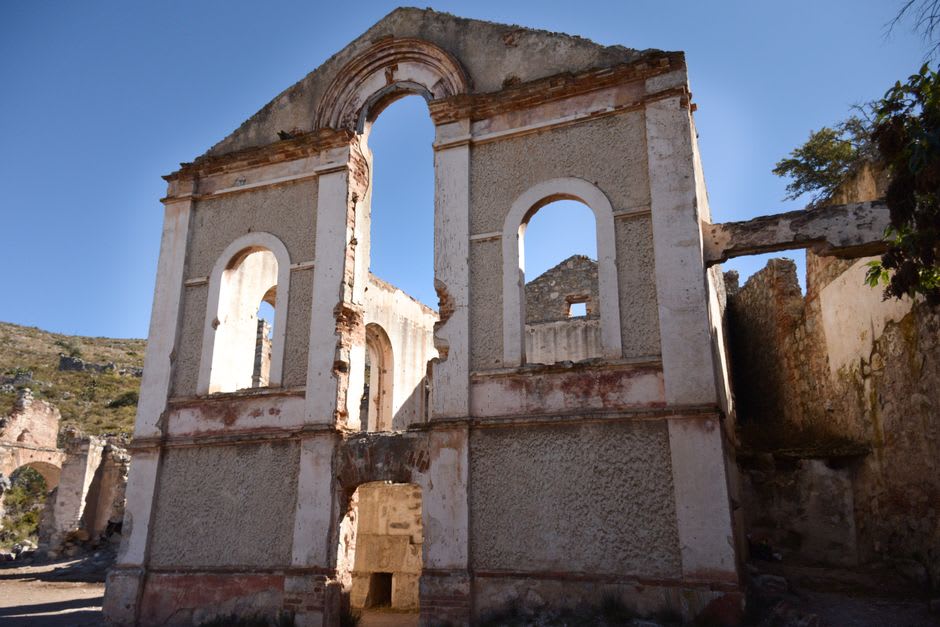
The centro repays slow walking. The Templo de la Inmaculada Concepción on the plaza is more interesting inside than out — the retablo above the altar has that particular baroque confidence of provincial churches that nobody has renovated into blandness. On Calle Hidalgo there are a couple of cantinas that open at noon and serve botanas automatically with each beer; a table of retired men was playing dominoes when I arrived both days and still playing when I left. If you find fresh tunas de pitahaya at the market, buy as many as you can carry — they bruise fast and they’re better than anything I’ve eaten with that name anywhere else. A room at one of the small hotels facing the plaza runs four hundred to six hundred pesos a night.
Getting There
Matehuala sits on Highway 57 between San Luis Potosí (roughly 200 km south, two and a half hours by car) and Saltillo (about three hours north). Primera Plus and Omnibus de México run direct buses from both cities several times daily. The plaza hotels are a five-minute walk from the bus terminal. October through April is the right time to visit — summers on the altiplano bring afternoon rains and occasional flash flooding on the desert roads.