Tolimán
"Most of Querétaro looks like colonial Mexico. Tolimán looks like it decided to sit that whole project out — and the desert around it seems to agree."
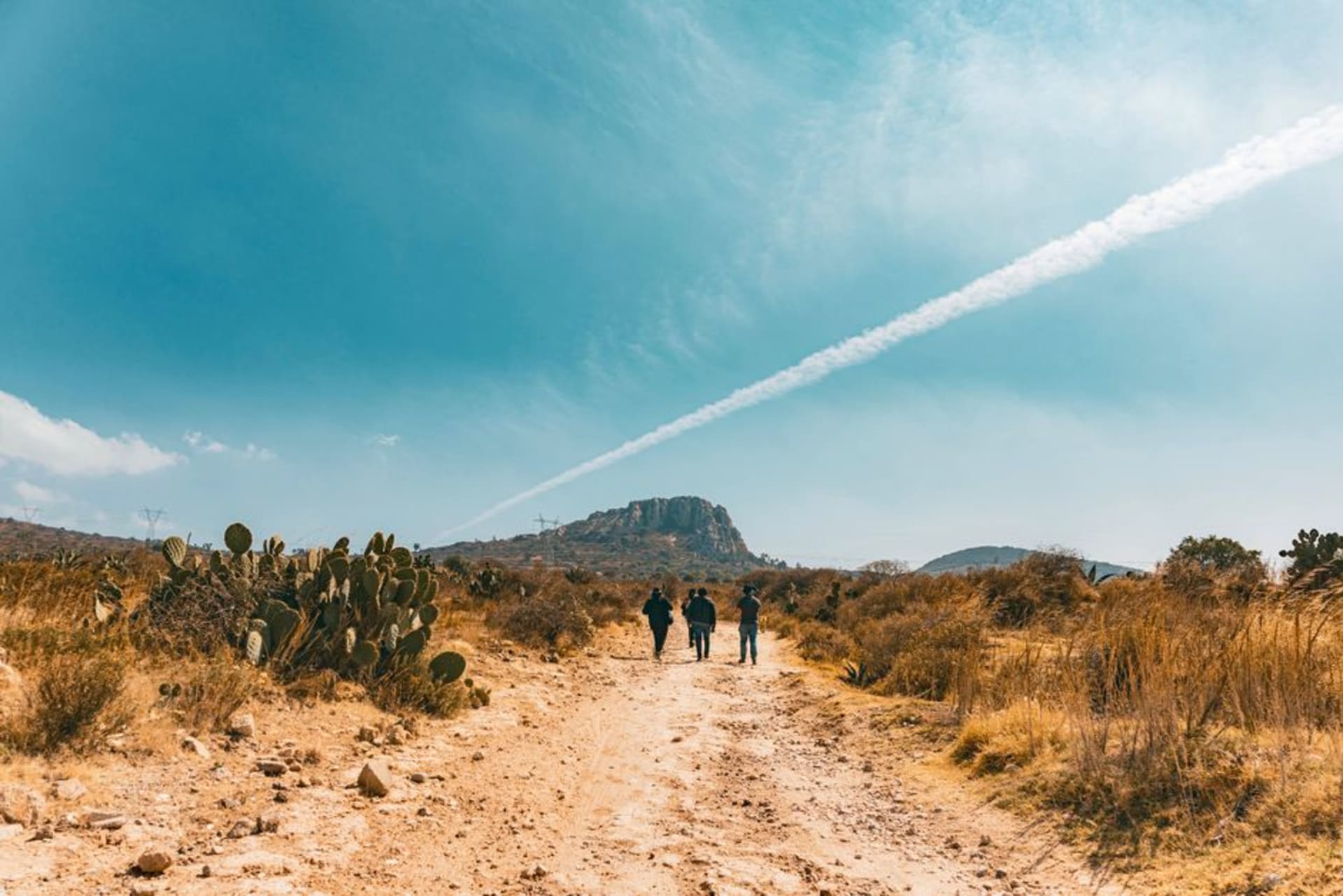
Tolimán occupies the semiarid edge of Querétaro where the colonial palette stops and the cardón forest takes over — volcanic outcrops, scrubland, and a Chichimec community whose resistance to Spanish expansion lasted nearly fifty years across these exact hills. The history is not curated here. It just sits in the landscape, the same way the cactus does.

I drove into Tolimán from Querétaro city on a Thursday morning, and the change came fast — one long bend in the road and the colonial valley disappeared, replaced by a drier world where the scrub thickened and cardón cacti stood in loose clusters along the volcanic hillsides, four meters tall in places, unhurried. The town materialized without ceremony: a church arguing with the sun at the far end of the plaza, a few women selling dried xoconostle and bundles of herbs from blankets spread on the ground, a dog at rest across the entrance to the palacio municipal. I found a bench in the shade and had no reason to leave it quickly.
The Desert That Chose a Side
The Gran Chichimeca — the war Spain fought across the north-central plateau — ran from roughly 1550 to 1590, and it went badly for the Spanish for longer than they would have liked. The Chichimec groups who controlled this zone, including the Jonaz whose territory overlapped present-day Tolimán, turned the semiarid landscape into a sustained problem: the same volcanic arroyos and cactus forests that complicate a drive here today complicated a mounted column three centuries before. When the war ended it ended through negotiation and attrition, not conquest — a distinction the town seems to understand even if it doesn’t announce it.
What I noticed is that the resistance isn’t packaged. There’s no interpretive center, no battlefield tour, no plaque at the edge of town listing notable engagements. Chichimec identity still runs through the community in ways that are simply present — in the woven patterns at the market stalls, in festivals organized around the church calendar that the Chichimec made their own without quite surrendering what came before. A man at the market told me the basket design I was holding was older than the town’s Spanish name. I bought it.

Xoconostle and the Logic of the Desert Table
The food in Tolimán follows the same logic as the landscape: nothing here wastes effort on looking soft. The xoconostle — the sour, pale-fleshed prickly pear that grows everywhere in this zone — turns up in stews and salsas and as a dried snack from the market baskets. I had a caldo de codorniz at a small comedor two streets behind the plaza, served with handmade tortillas and a salsa verde that had enough chile de árbol in it to require a second round of water. The woman running the place brought out a plate of nopal with queso fresco without being asked, the way some places do when they assume you’ll need it, and they were right.
The market runs properly on Sundays. Dried chiles arrive from the sierra alongside herbs I didn’t recognize, a few cuts of local meat, and the baskets and textiles that seem to be woven in a continuous tradition from one end of the week to the other.

What’s Worth Your Afternoon
The Templo de Santiago Apóstol on the plaza is the obvious anchor — colonial shell, Chichimec context, the usual pleasing contradiction of the Mexican church interior. The real value of a few hours here, though, is the walk into the cactus forest east of town, where the cardones get genuinely large and the volcanic rock formations take on a quality that feels less like a landscape and more like an argument. There is no marked trail. Ask at the market which direction the cerro is and walk toward it. The light around five o’clock makes the cacti read orange and the sky go very blue. Bring water. The desert doesn’t hedge.

Getting There
Tolimán is about 100 kilometers northeast of Querétaro city — an hour and forty minutes by car on the 120 toward Jalpan. Buses from Querétaro’s Central de Autobuses Norte reach Tolimán in roughly two hours with a stop in Cadereyta. October through April is the right window: warm days, cold nights, manageable roads. Avoid July and August unless you’re comfortable driving into sierra thunderstorms through cactus country.
Keep exploring
More of Querétaro
Keep exploring
More from Querétaro
 mexico
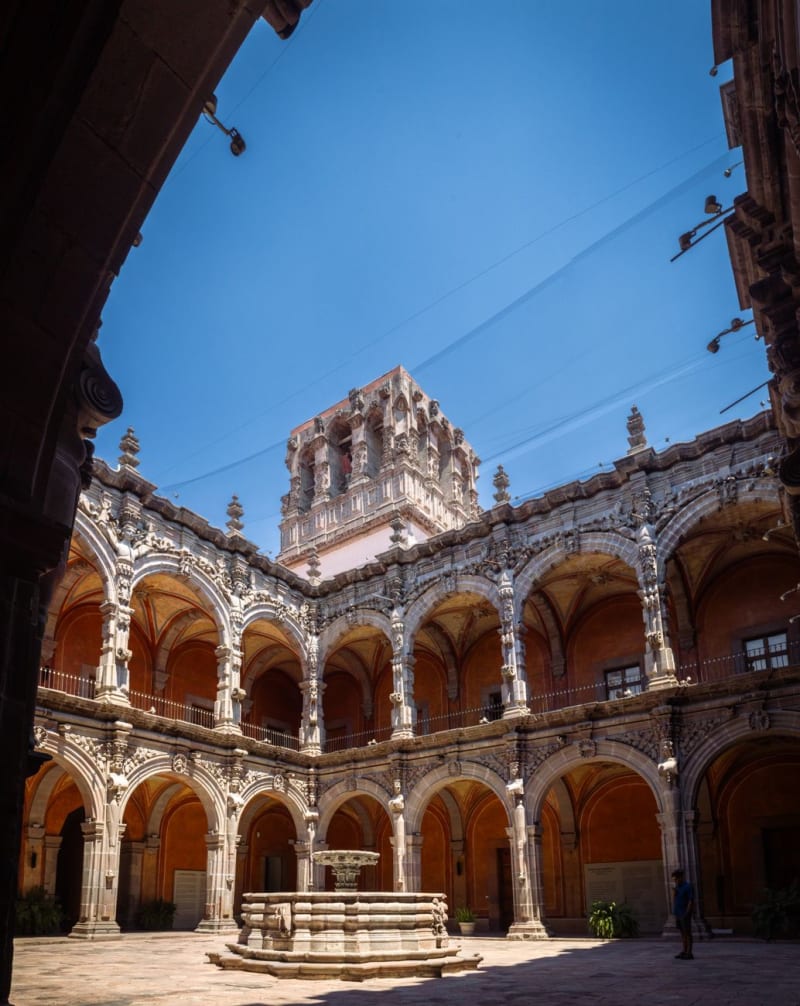
 Querétaro City
A colonial UNESCO city with a perfectly preserved centro histórico, an 18th-century aqueduct of 74 arches still standing, and a wine region beginning in the hills above. More authentic than San Miguel de Allende and half as crowded.
Explore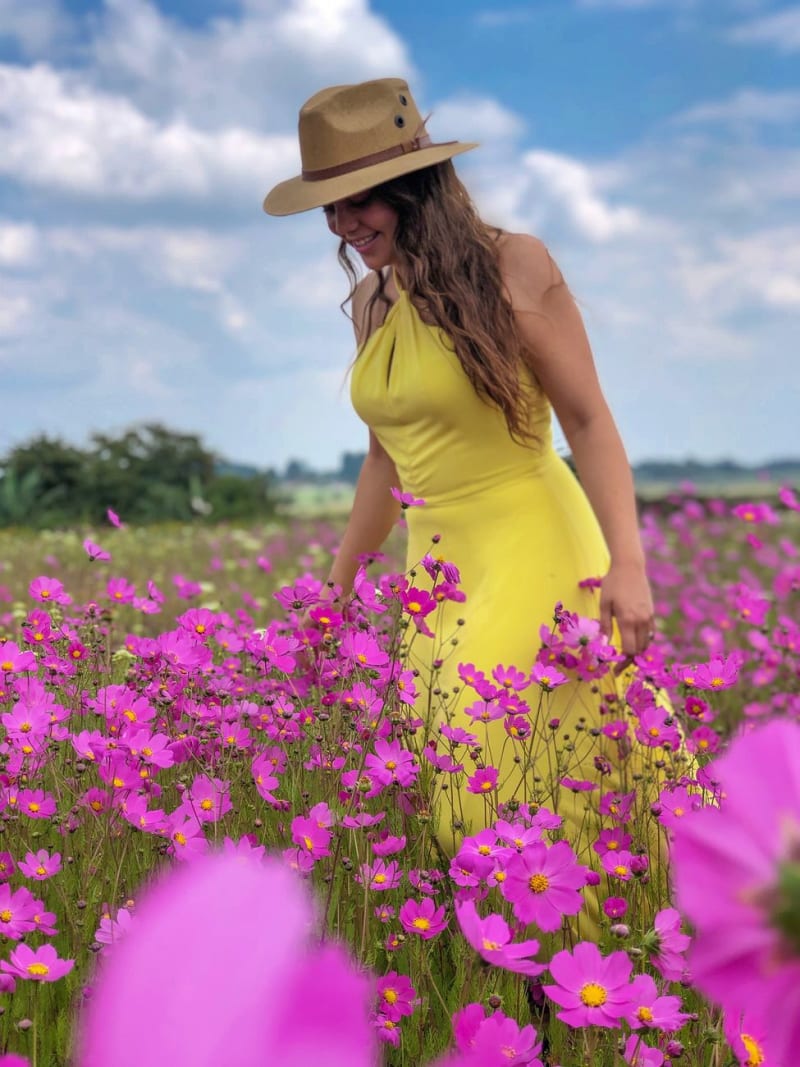 mexico
 Amealco
Amealco is a highland Otomí town in the southern sierra of Querétaro where the famous muñecas de trapo — hand-sewn rag dolls made by Hñähñu women — are made and sold through cooperatives. The landscape is high, cold, and treeless. I drove up in November and came back with three dolls I couldn't stop thinking about, and no adequate explanation for why.
Explore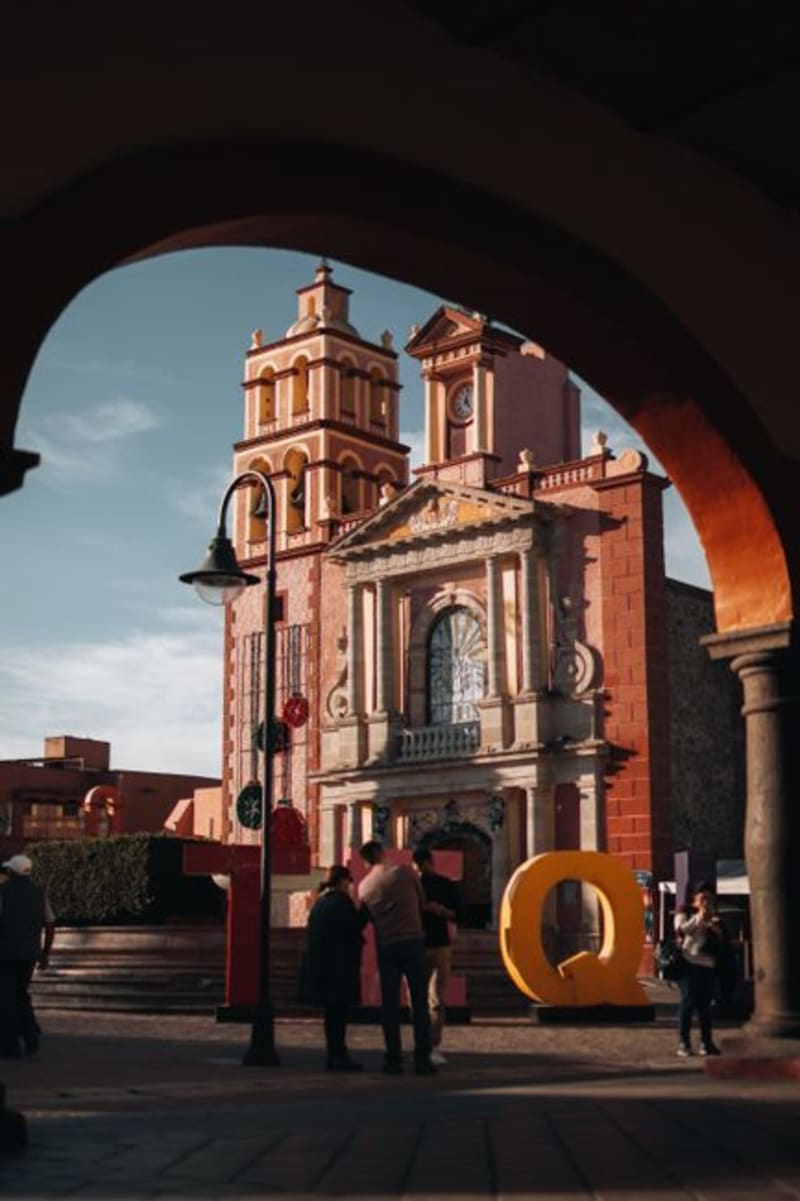 mexico
 Colón
A semi-arid municipality in central Querétaro spread beneath the Cerro El Zamorano, the state's highest peak. Ranch country and big dry skies, with a young vineyard scene taking root in the hills — quiet, spacious, and easy to breathe in.
Explore mexico
 Tequisquiapan
A compact weekend town in Querétaro wine and cheese country where the central plaza fills with families on Sunday afternoons and the surrounding semi-desert produces some of the best goat cheese in Mexico. The annual Feria Nacional del Queso y el Vino in May is a legitimately excellent event — not a tourist performance, just people who take dairy seriously gathering to argue about it.
Explore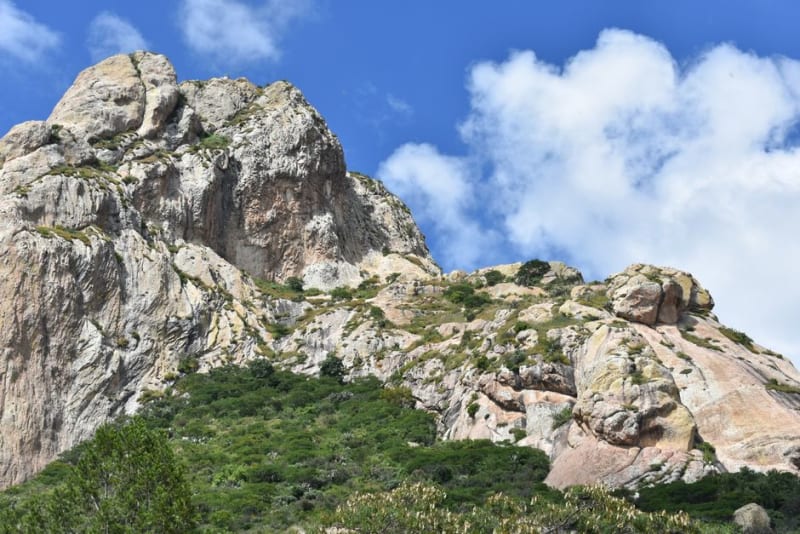 mexico
 Peña de Bernal
The third-largest monolith on Earth rising from a colonial village in the Querétaro highlands — a 433-meter rock that the Chichimec people considered sacred, surrounded by a Pueblo Mágico of queso de tuna cactus candy and artisanal textiles.
Explore mexico
 Bernal
A pueblo mágico of cobbled streets huddled at the foot of one of the largest monoliths on earth, in the dry hills of Querétaro. A rock so big it edits the sky, a plate of gorditas de migajas cooked on a comal, and the particular hush that falls when the last day-tripper drives back to the city.
Explore