Teposcolula
"Three hours past the last tour group, in a town that doesn't know it's remarkable, a Dominican open chapel stopped me mid-sentence."
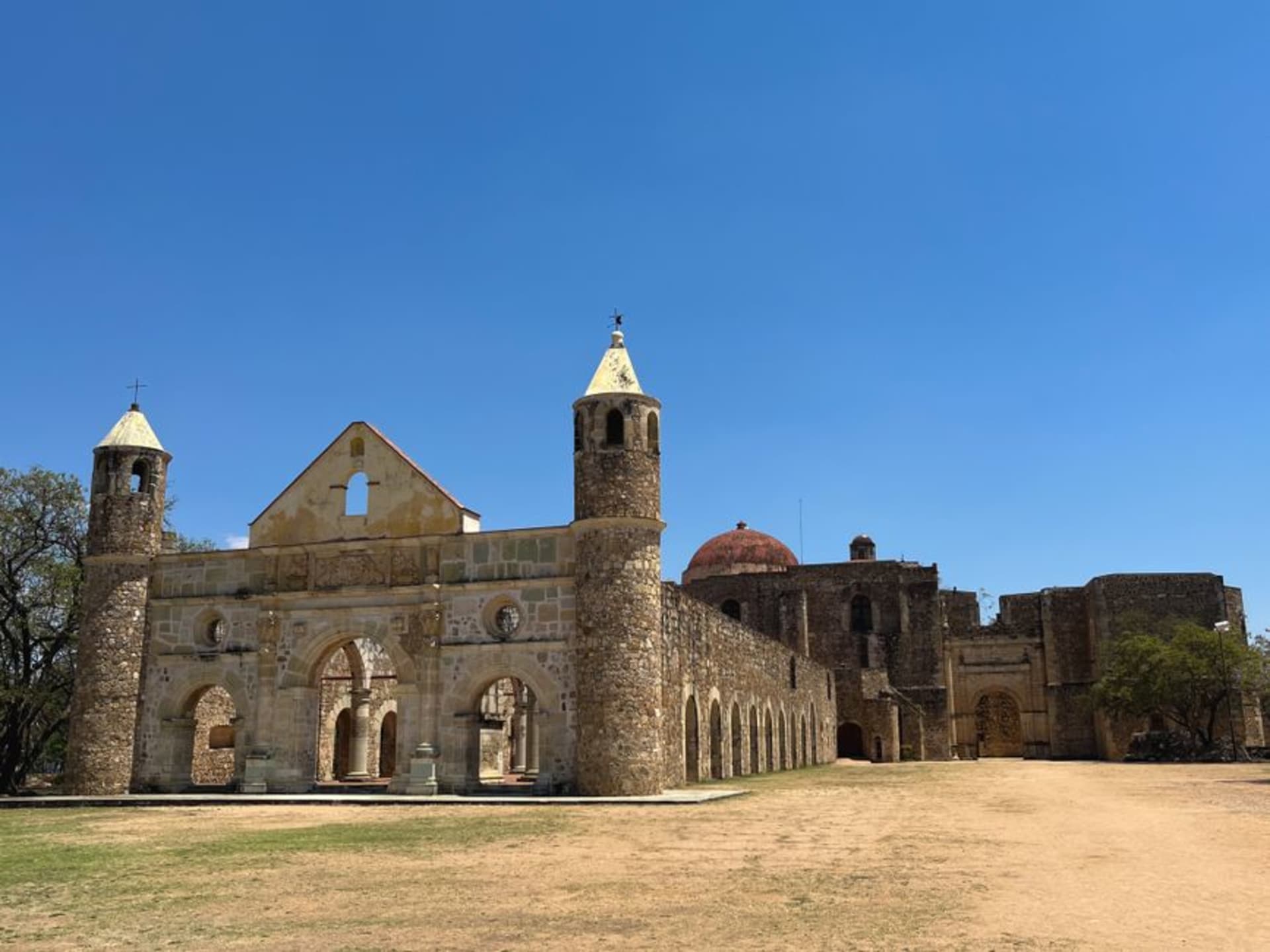
In the Mixteca Alta, three hours from Oaxaca City, Teposcolula holds one of Mexico's most arresting colonial monuments: a 16th-century Dominican open chapel whose vaulted Gothic nave opens, by design, onto bare sky. The Sunday market sells dried chiles, firewood, and traditional Mixtec textiles to a crowd that does not include tourists. Almost nobody arrives on purpose.

I arrived in Teposcolula on a Sunday, which was either perfect timing or complete accident — probably both. The colectivo from Nochixtlán dropped me at the edge of town around nine in the morning, and the market was already half-assembled in the main square: piles of dried chiles, bundles of hierba santa, a woman selling nothing but red plastic buckets. I walked past all of it and kept going uphill because someone on the bus had mentioned a church. What I found instead was a question someone had started building in the sixteenth century and then left open, literally, to the sky.
The Open Chapel of San Pedro y San Pablo
The capilla abierta of the ex-convent of San Pedro y San Pablo is one of the strangest architectural encounters I have had in Mexico, and I do not say that casually. The Dominicans built it in the 1570s to preach to thousands of Mixtec converts in the open air: a vaulted nave so wide it rivals anything in Oaxaca City, with Gothic ribbing pressing up against the blue of the sky where a wall should be. The east wall simply isn’t there. The intention was practical — no indigenous temple in the region could hold that many people — but the effect is something else: you stand inside a ruin that was designed this way, an interior that was always also an exterior. Half the vault has collapsed in places. Goats sometimes wander in from the courtyard. A caretaker let me through the iron gate without ceremony and then disappeared. I sat on a stone block for twenty minutes without taking a single photo, which is not something I do.

The Sunday Market and Mixtec Table
The Sunday market in Teposcolula has nothing to offer tourists. This is meant as praise. The vendors sell black beans by the kilo, bundles of firewood, second-hand sandals, and a traditional Mixtec pozahuanco wrap skirt at a folding table near the church steps. The food stalls appear around ten: tlayudas heavier than what I usually find in Puerto Escondido, memelas topped with asiento and frijoles negros, and a red chile broth soup I could not identify, with masa floating in it. I ate two things without knowing their names, pointed at both, and paid forty pesos total. Nobody seemed particularly interested in explaining what I was eating, which I found genuinely refreshing after months of menus translated into approximate English. The market packs up by noon and the town goes quiet in a way that feels structural, not seasonal.

Moving Through the Mixteca Alta
Teposcolula makes more sense when you place it in the landscape around it. The Mixteca Alta is Oaxaca stripped of the things that made it famous — mezcal bars, cooking classes, textile tours — and what remains is harder and more interesting. The ex-convent here is the centrepiece, but the town also holds a 16th-century open-air tribunal and a small parish church with a crumbling retablo worth thirty minutes of attention on its own. Spend the morning at the market and the chapel. Eat at the stalls. Leave mid-afternoon before the light flattens. And if you have time, drive the forty minutes north to Yanhuitlán — another Dominican complex, better preserved, equally empty of visitors — and let the two places talk to each other on the road back.
Getting There
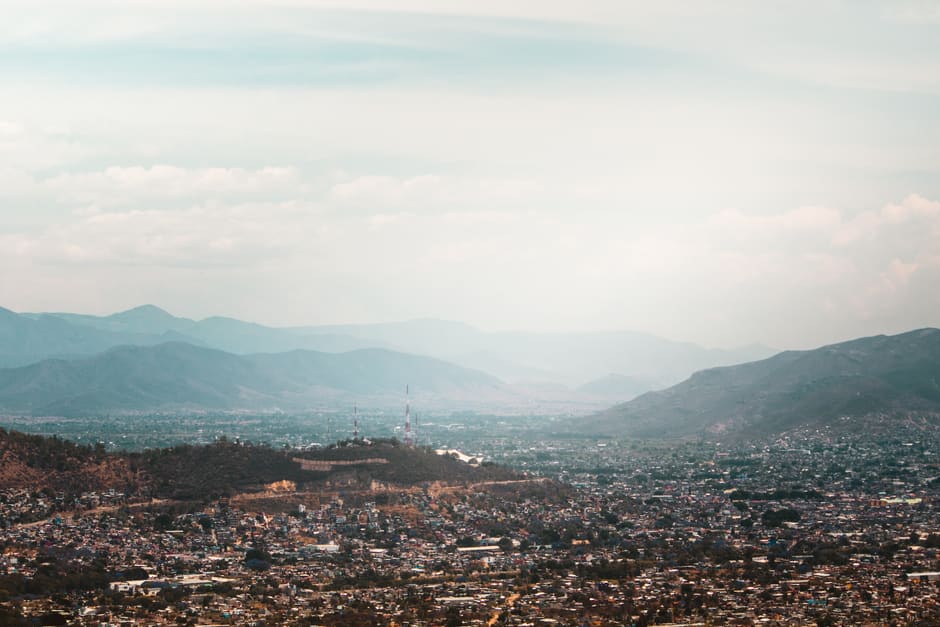
Teposcolula is roughly three hours from Oaxaca City via Highway 190 toward Huajuapan de León. From Oaxaca, take a colectivo to Nochixtlán, then transfer for Teposcolula — connections are loose on weekdays, more reliable on Sundays when the market draws traffic. The Mixteca Alta runs colder and drier than the central valleys; bring a layer even in March. Yanhuitlán’s own extraordinary ex-convent sits thirty minutes north and pairs naturally as a single day’s route.
Keep exploring
More of Oaxaca
Keep exploring
More from Oaxaca
 mexico
 Santa María Atzompa
Santa María Atzompa is a pottery village six kilometers northwest of Oaxaca City, known for a green-glazed ceramic tradition that uses a lead-based emerald glaze fired to a deep, slightly matte finish unlike anything else made in Mexico. I found the pottery in a shop in the city, asked where it came from, drove out the next morning, and bought a bowl directly from the workshop for half the price.
Explore mexico
 Yagul
Yagul is a Zapotec and Mixtec archaeological site in the Tlacolula Valley 36 kilometers east of Oaxaca City, on a cactus-covered hillside with the largest known pre-Columbian ballcourt in Oaxaca and a hilltop fortress with views of the entire valley. It receives perhaps one-tenth the visitors of Monte Albán, and in the late afternoon, when the light goes horizontal and the valley floor turns gold, it is one of the places in Mexico where I have felt most clearly why a specific hill was chosen.
Explore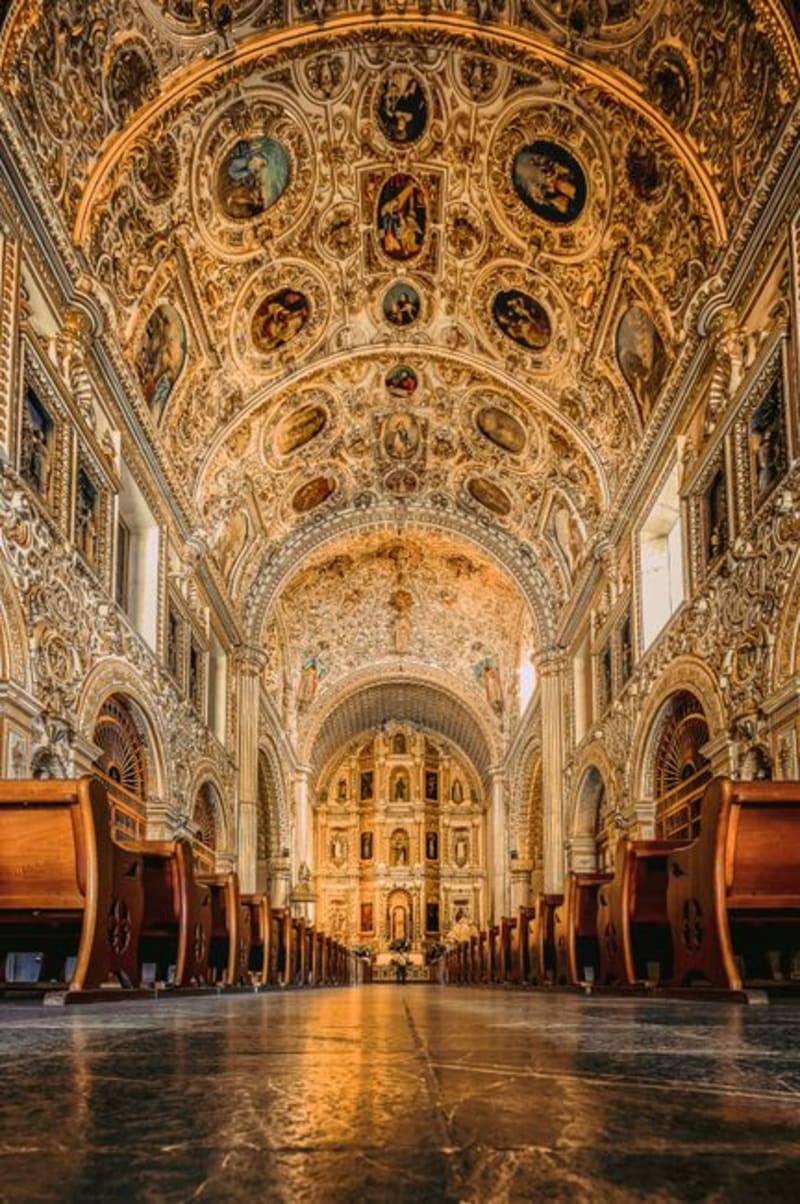 mexico
 Oaxaca City
The colonial capital of Oaxaca state, where mole negro is a civic religion, mezcal is poured from unlabeled bottles at market stalls, and the Santo Domingo church glows gold at dusk in a way that still catches me off guard after a dozen visits. Seven hours from the coast — a commitment I keep making anyway.
Explore mexico
 Monte Albán
Monte Albán is the mountaintop that the Zapotecs flattened and built on for over a thousand years — a Grand Plaza 300 meters long, temples, a ballcourt, an astronomically aligned observatory, and carved stone slabs depicting captured rulers in positions that make Versailles look restrained. Nine kilometers from Oaxaca City, arrive when it opens or give the site to the tour buses.
Explore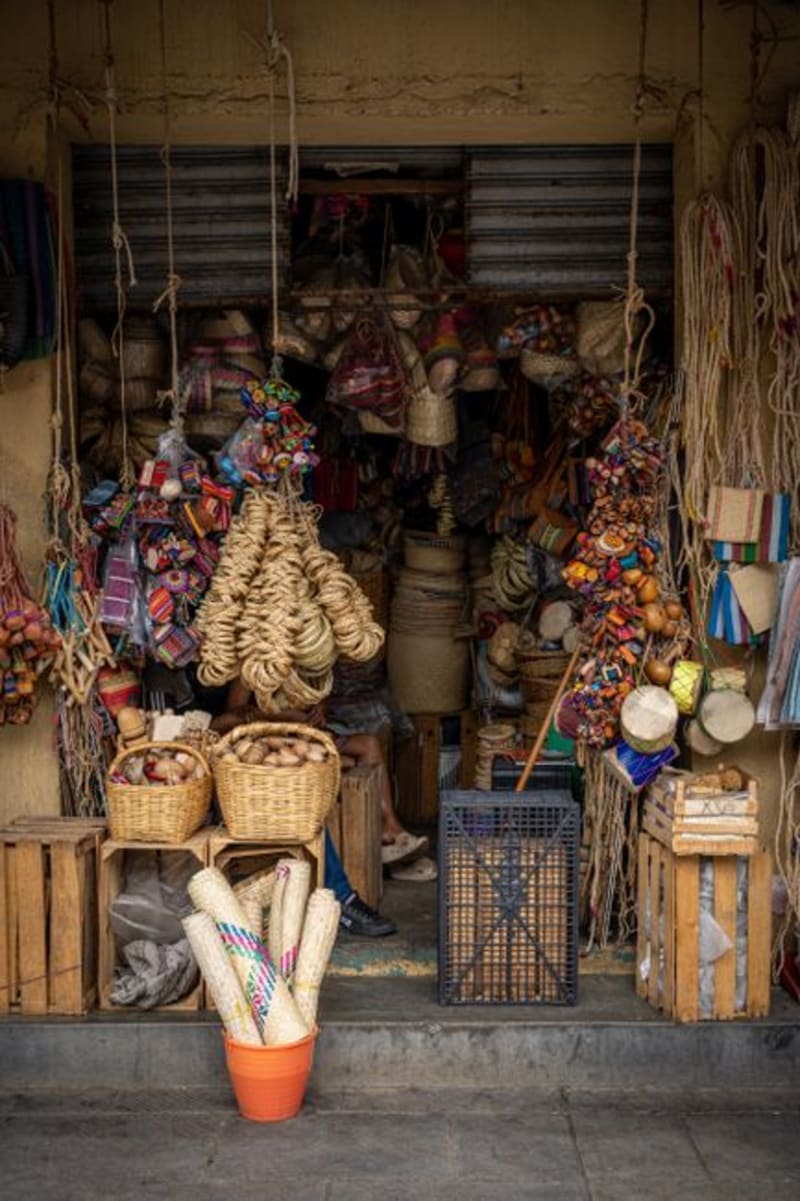 mexico
 Etla
The Valle de Etla, twenty minutes north of Oaxaca City, runs a Wednesday market that is the best uncrowded market in the state for fresh cheese, dried chiles, and produce — alongside a converted textile factory turned arts center and a handful of mezcal producers who have not bothered with branding yet.
Explore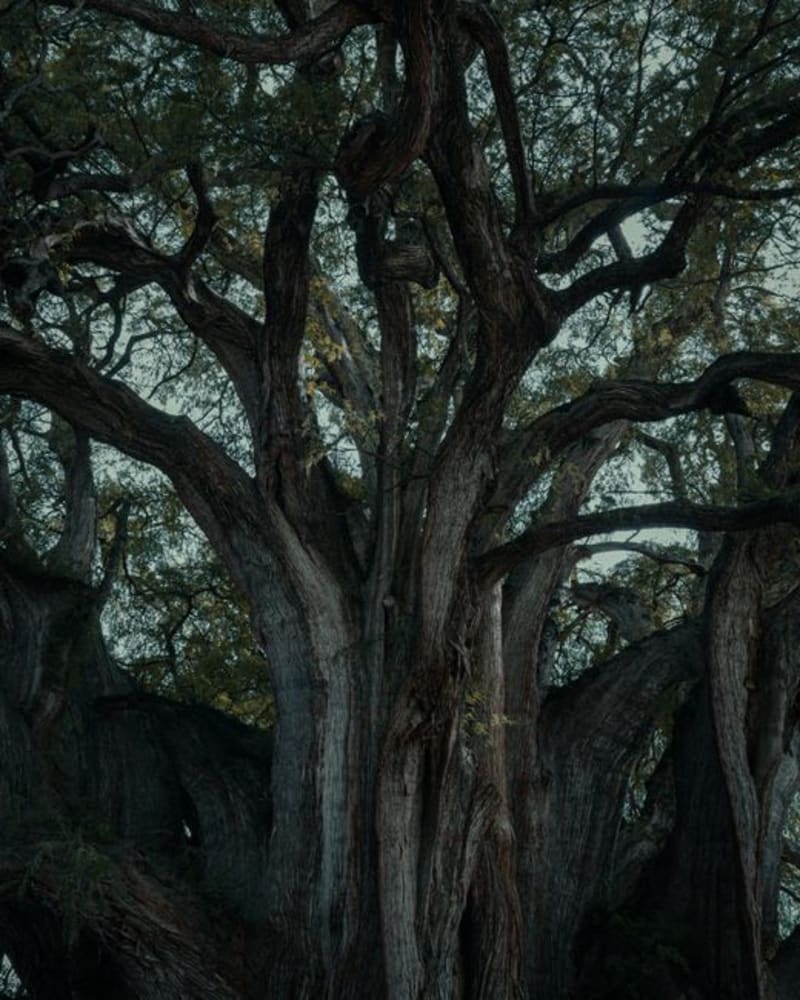 mexico
 Santa María del Tule
Nine kilometers from Oaxaca City on the road to Mitla, Santa María del Tule exists almost entirely around a single tree — a Montezuma cypress over 2,000 years old with the widest trunk on earth. The village has a church, vendors selling tejate and chapulines in the atrium, and a teenager who will walk you through the animal shapes in the bark for a few pesos. I went around the tree twice and still wasn't sure I'd processed it.
Explore