
Pochutla
"Every taxi driver, every hostel owner on this coast passes through Pochutla — it is the hinge the tourist version of Oaxaca does not show you."
The unglamorous transit hub of the Oaxacan coast, where colectivos to Mazunte and Puerto Ángel fill and empty all day and the Sunday market draws Chatino and Zapotec vendors from the sierra with dried shrimp, wild herbs, and ceramics that never make it to the beach towns. Most travelers pass through in fifteen minutes. I started staying longer.

My first time in Pochutla I was just changing colectivos. Bag between my knees, sweating through my shirt at the corner of Calle Lázaro Cárdenas, watching a woman negotiate the price of a kilo of dried shrimp with the confidence of someone who has done it ten thousand times. The colectivo to Puerto Ángel came and I didn’t take it. I went and sat at a plastic table in front of a comedor and ordered a bowl of pozole instead. That was two years ago. I still stop here when I can.
The Sunday Market
The thing nobody tells you is that the Pochutla Sunday tianguis is a different category from the handicraft markets you find in Oaxaca City or along the tourist coast. There are no painted alebrije animals arranged for photographs. What there is: stacks of dried chiles pasilla negra in plastic bins, vendors from Huatulco selling still-moving shrimp by the kilo, Chatino women from San Gabriel Mixtepec with tamales wrapped in local leaves that are nothing like the masa you get at the beach. I have bought black clay pieces here — modest, functional ones, not the tourist-facing San Bartolo style — from a man who drives in from a village I cannot find on any map. The market spills off the central plaza down several side streets by eight in the morning and starts folding by one. Go early, bring a bag, eat whatever someone is cooking on the corner.

The Town Itself
Pochutla has no particular charm in the magazine sense. It is a working town of about 50,000 people — pharmacies, hardware stores, a bus terminal that operates at a volume that suggests everyone on this coast is going somewhere. What it has is a density of ordinary life that the beach resorts, by design, scrub out. I like eating at Lonchería La Central on the plaza, where the menu is written on a chalkboard and changes daily and the agua de jamaica comes in a plastic cup the size of a plant pot. I like the way the light falls on the market square at six in the evening when the heat breaks and everyone seems to emerge at once. It is not a destination in itself. It is the place that makes the destinations around it legible.

Eating and Staying
Beyond the Sunday market, there are decent comedores open every day along Calle Independencia. Look for the places with handwritten signs and plastic tablecloths — the caldo de res on a Wednesday morning after an early bus is as good a meal as you will eat on this coast. A few small hotels sit within two blocks of the plaza; none are exceptional, all are clean and cheap enough that stopping for a night makes sense if you are in transit and want to catch the Sunday market from the start.

Getting There
Pochutla sits on Highway 200, roughly 60 kilometers from Puerto Escondido. Colectivos run constantly between the two — expect 90 minutes and about 60 pesos. From Oaxaca City, OCC and Estrella del Valle run overnight buses that arrive early morning. From Pochutla, colectivos to Puerto Ángel leave every few minutes from the corner near the market; Mazunte and Zipolite are another 20 minutes beyond that.
Keep exploring
More of Oaxaca
Keep exploring
More from Oaxaca
 mexico
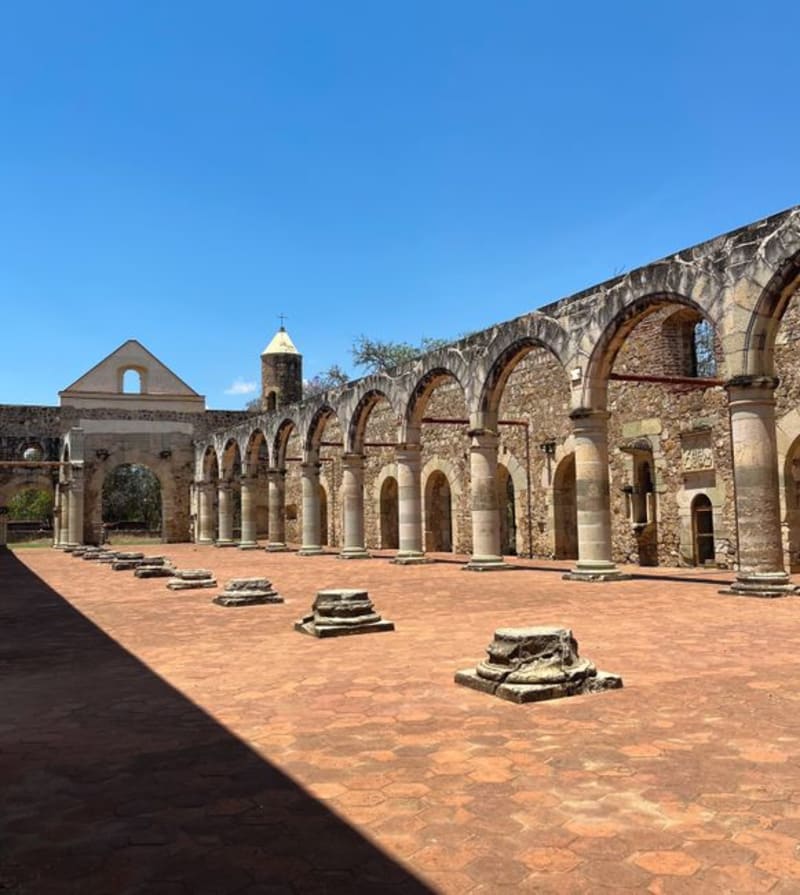
Cuilapan de Guerrero
Eight kilometers south of Oaxaca city, the unfinished Dominican convent of Cuilapan de Guerrero is one of the most imposing religious structures in the state — a sixteenth-century open-air basilica where the sky serves as the ceiling and the proportions make you feel usefully small. It also holds the cell where Vicente Guerrero, a president and hero of Mexican independence, was imprisoned before his execution in 1831.
Explore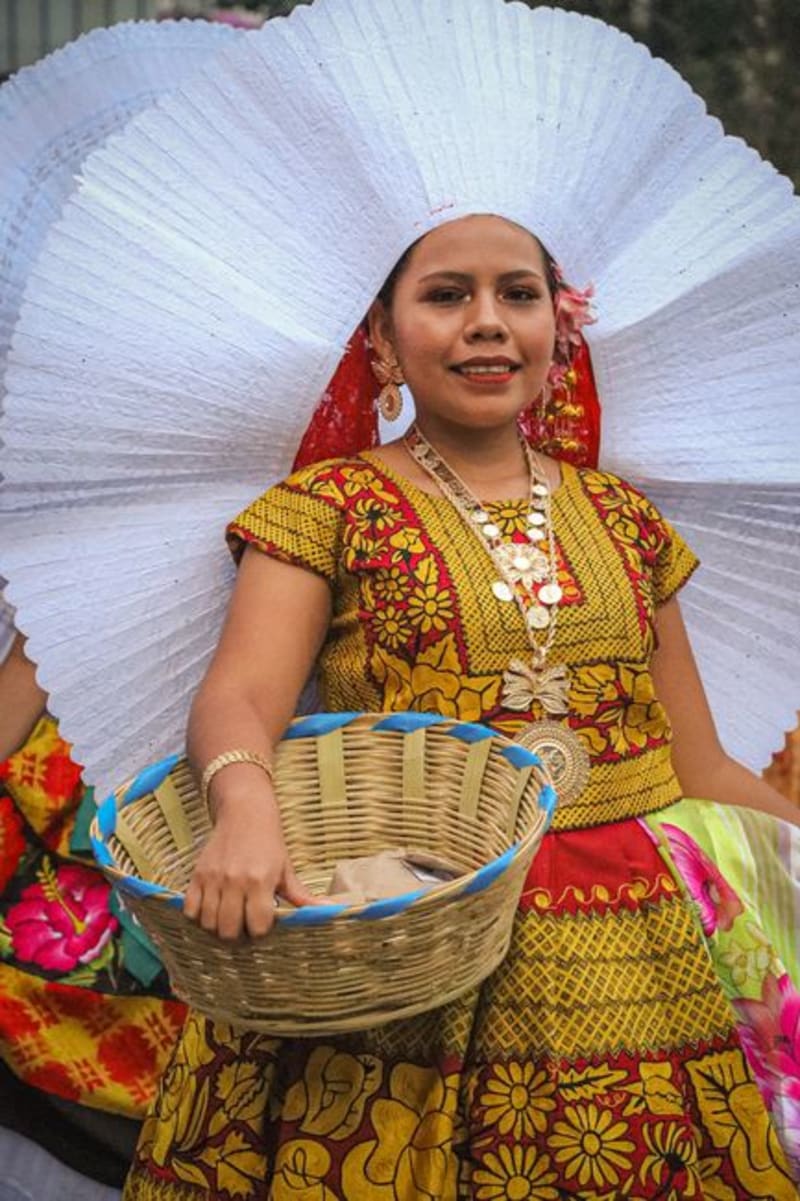 mexico
Santiago Juxtlahuaca
The commercial capital of the Mixteca Baja, Juxtlahuaca is where Mixtec, Triqui, and Amuzgo vendors converge in a market that no tourist shop in Oaxaca city could replicate. The surrounding landscape — eroded canyons, dry hills, towers of cacti — looks like a different country entirely.
Explore mexico
Oaxaca Sierra Norte
A community ecotourism network in Oaxaca's cloud forest where Zapotec villages manage their own hiking trails and cabins.
Explore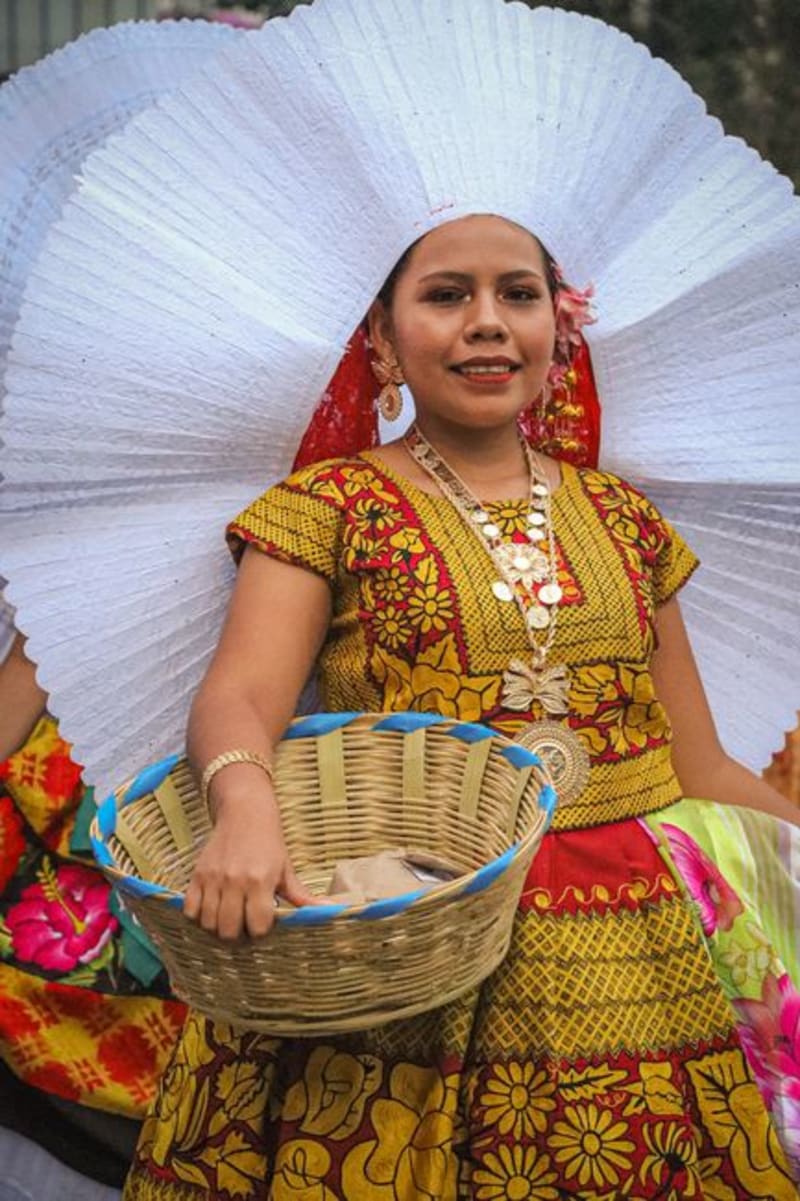 mexico
Tlaxiaco
In the Mixtec highlands of western Oaxaca at over 2,000 meters, Tlaxiaco earns the three-hour mountain drive almost entirely on the strength of its Saturday market — textiles, cheese, and local mezcal from villages you won't find on most maps. The 16th-century Dominican church anchors a plaza that goes from devotional quiet to commercial roar and back again within a single morning.
Explore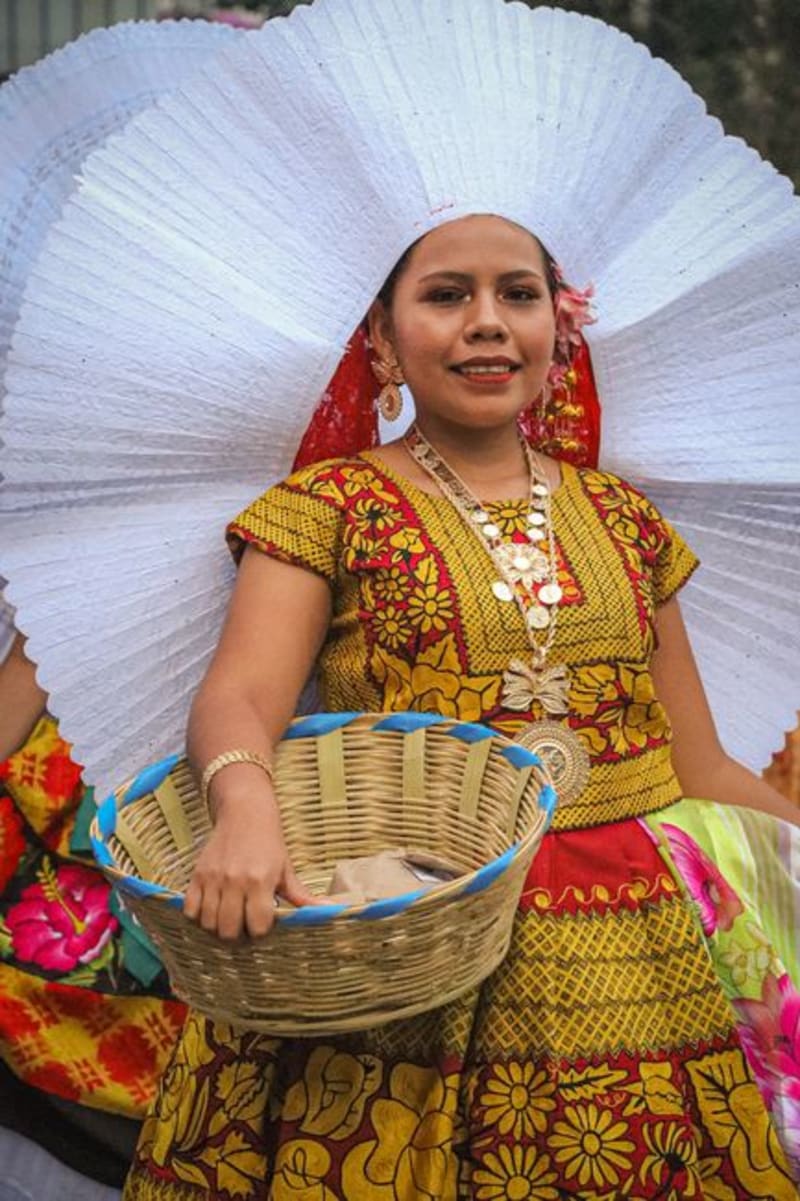 mexico
Pinotepa Nacional
Pinotepa Nacional sits at the confluence of Mixtec, Afro-Mexican, and Amuzgo traditions on Oaxaca's Pacific coast, where the market smells of copal and dried shrimp and women still wear the pozahuanco — a ceremonial wrap skirt dyed with the secretion of a living sea snail. It is one of the few places in Mexico where a pre-Columbian dyeing technique has survived into the present without becoming a museum piece.
Explore mexico
Coixtlahuaca
A remote Mixteca Alta town built over a pre-Hispanic trade hub, anchored by a sixteenth-century Dominican ex-convent whose scale and ornamentation feel almost confrontational against the surrounding eroded ridges. Few people come here, which is precisely the point.
Explore