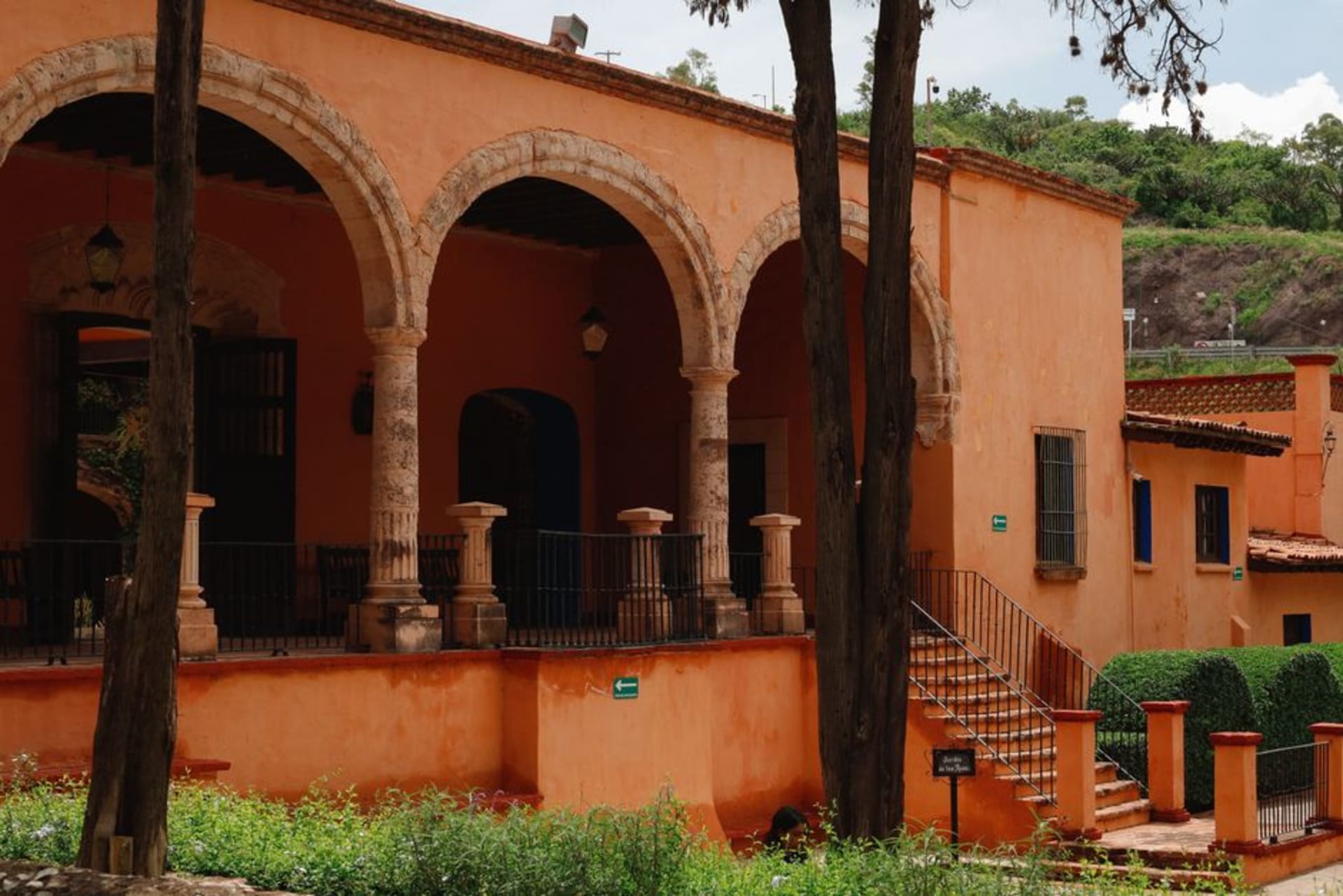
San Gabriel
"Standing in the plaza that shaped Rulfo's imagination, in a town that might as well be Comala — that was one of those rare literary pilgrimages that actually delivers on the promise."
I’d read Pedro Páramo twice — once in French, once in Spanish, trying to get closer to whatever it was Rulfo had done — before I understood that Comala was assembled from real places. San Gabriel is one of them. I arrived mid-afternoon on a second-class bus from Ciudad Guzmán, and the first thing I noticed stepping off was the quality of the silence. Not empty silence. The kind that feels inhabited by something I couldn’t immediately name. The light was doing something complicated with the dust on the street, and I stood there longer than I meant to before moving toward the plaza.
The Town Rulfo Built in His Head
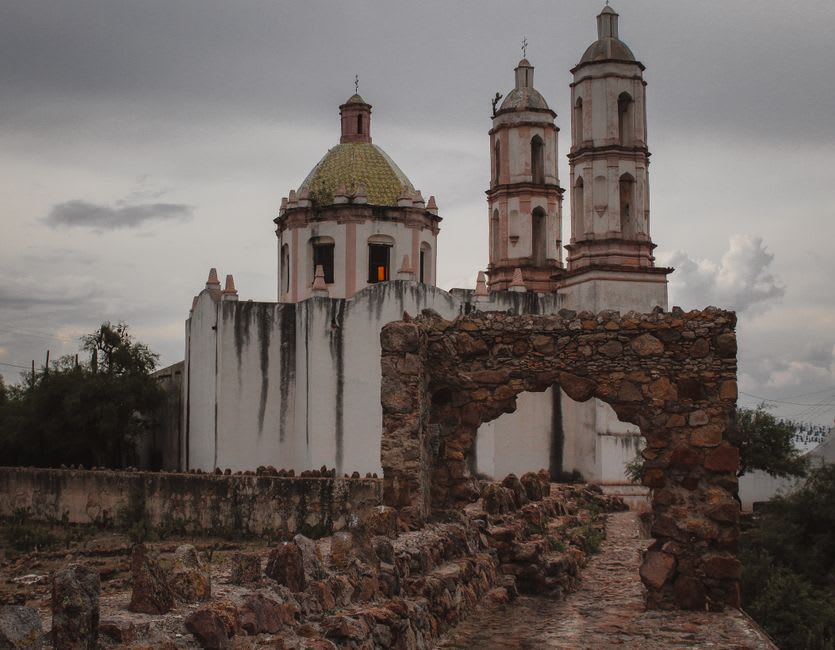
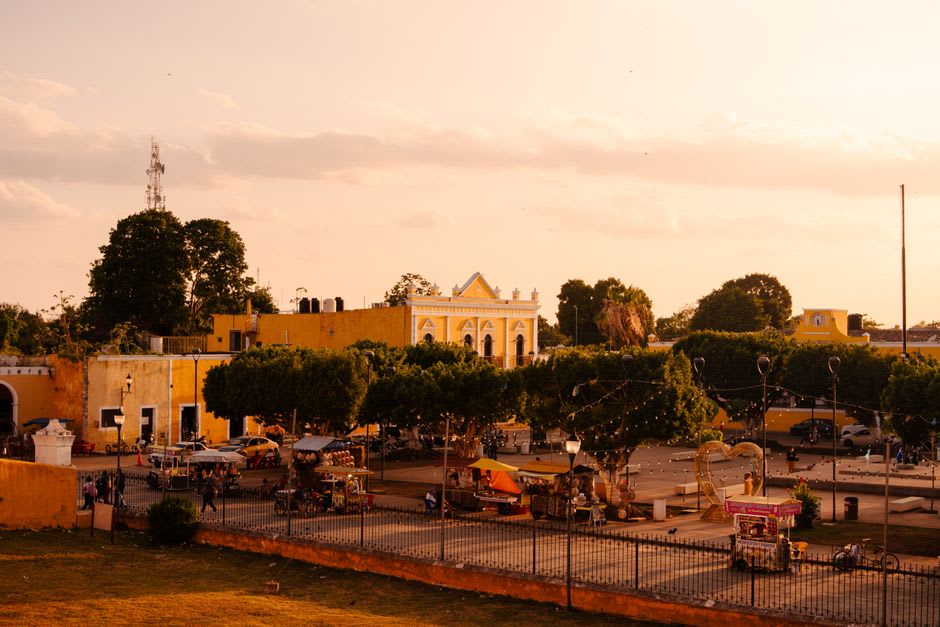
The parish church of San Gabriel faces west, which means the afternoon light hits the stone facade at exactly the angle that makes old Mexican churches look like they’re burning from within. I walked across the Plaza Principal three times before sitting down — each pass revealing a different arrangement of old men on benches, schoolchildren cutting diagonally across the flagstones, a woman selling elotes from a cart near the kiosk. Rulfo’s family had roots in this southern Jalisco borderland, and the landscape here is unmistakably the terrain of Pedro Páramo: dust, heat, the weight of the dead pressing on the living, haciendas gone soft with neglect. Walking the streets after the novel is disorienting in the best way. You keep expecting characters to materialize around corners. The haciendas at the edge of town are doing a convincing impression of Comala’s abandonment — roofless walls, courtyards colonized by weeds, not ruined enough to be picturesque, ruined enough to feel entirely true. It produces the particular sensation of walking through someone else’s dream.
Birria and the Mercado Municipal
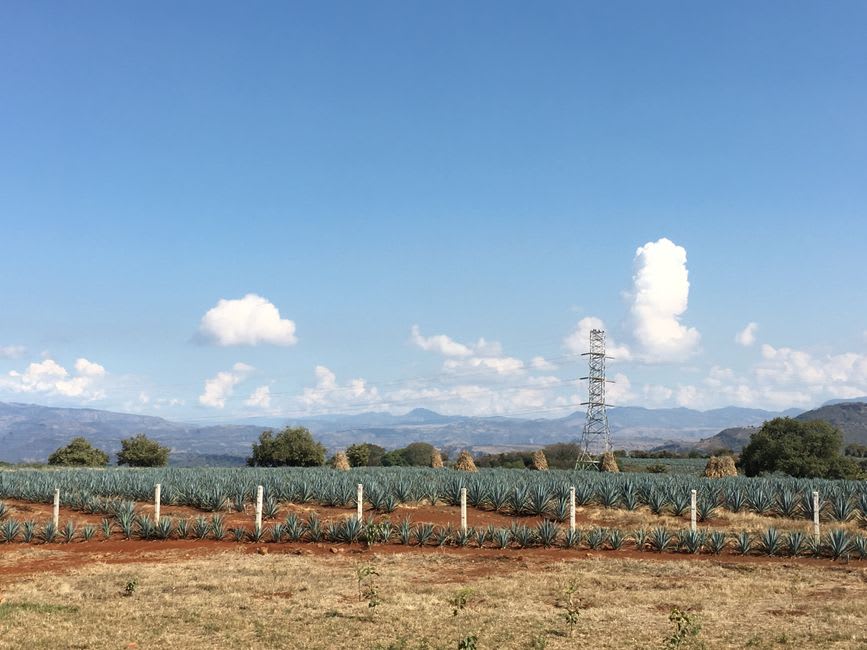
San Gabriel’s mercado is the kind where you know immediately that everything is cooked for locals and nobody has bothered putting prices on a board because the prices don’t change and everyone already knows them. I had birria de chivo at a fondita run by two women operating on a choreography refined over decades — one ladling, one making tortillas, neither wasting a movement. The broth was dark red, deeply spiced with guajillo and dried ancho, the goat falling apart but not dissolving. I asked what time they opened. The answer — four in the morning — made me decide to stay an extra night. The surrounding agave fields also produce a local mezcal; the brand names are often handwritten on recycled bottles at the market stalls, which is either artisanal or simply a matter of not having gotten around to printing labels yet. Both explanations seem equally plausible given the town’s general relationship with urgency.
What the Afternoon Actually Requires
What San Gabriel rewards is slowness. I spent one afternoon walking the calles south of the church — Calle Morelos, then east toward the old cemetery, reached through a neighborhood of painted adobe houses whose colors have faded to something more interesting than the originals. The cemetery is small and well-tended, the kind where you can read the dates on the stones and do the math about how the town has contracted over the past century. That is Rulfo country too: depopulation, migration, the way a place can be emptied of people while remaining dense with their weight. A converted colonial building on the north side of the plaza operates as the best accommodation in town, and its courtyard is worth requesting access to even if you’re not staying there.
Getting There
San Gabriel sits roughly 130 kilometers south of Guadalajara. The practical route is a bus to Ciudad Guzmán (Zapotlán el Grande) from the Guadalajara Central Vieja terminal, then a local colectivo or second-class connection on to San Gabriel — two and a half hours total in reasonable traffic. There is no direct intercity service from most departure points, so build flexibility into the schedule and don’t count on connections being precise.