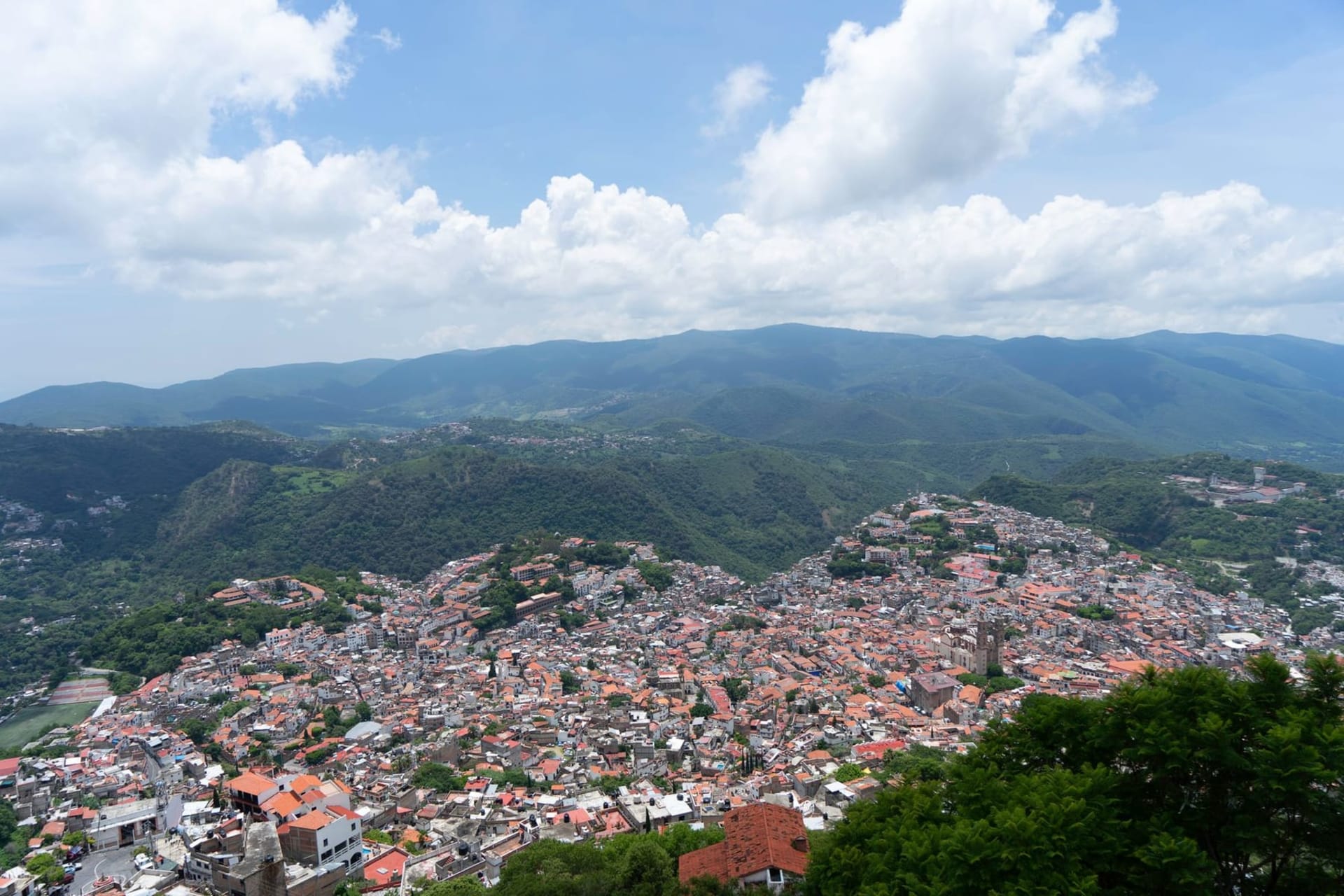
Guerrero
"Guerrero is the state that never got the tourist infrastructure its landscape deserved. The sierra is extraordinary, the coast is beautiful, and the violence has kept the investment out. For better and worse."
Guerrero is Mexico’s most topographically dramatic state and one of its most politically complex. The Sierra Madre del Sur runs through the interior at altitudes to 3,500 meters before dropping to the Pacific in one of the steepest coastal escarpments in North America — the highway from Chilpancingo (the state capital) to Acapulco descends 2,000 meters in 80 kilometers. This geography of extreme relief, combined with the poverty of the sierra communities and the transit geography that makes the coastline useful for narcotics movement, has created the persistent security challenges that make Guerrero consistently among the most complex states in Mexico for travelers.
The three Guerrero destinations that appear in this collection are functionally separate from each other and from the state’s security situation: Taxco (the silver city in the northern sierra, connected to Mexico City more than to coastal Guerrero), Acapulco (the former international resort on the Pacific, with its own internal geography of tourist-safe and not), and Zihuatanejo (the Pacific fishing village in the northwest of the state, which has maintained a different character from Acapulco for its entire resort history).
Taxco de Alarcón — at 1,800 meters in the northern sierra, connected to Mexico City (3 hours north) and Cuernavaca — is the silver jewelry capital of Mexico: white colonial buildings on steep hillsides, the 18th-century Baroque Iglesia de Santa Prisca funded by the French mining entrepreneur José de la Borda, and the silversmith tradition that employs most of the working population. The silver comes from mines that have been active since before the Spanish arrived, and the jewelry market in Taxco is the largest concentration of silver craft production in Mexico.
The coast — from Zihuatanejo in the west to Acapulco in the east to the Costa Chica (the Afro-Mexican coast) further south — is Pacific: big waves, dark sand in many sections, fishing communities of deep history.
Explore
Places in Guerrero
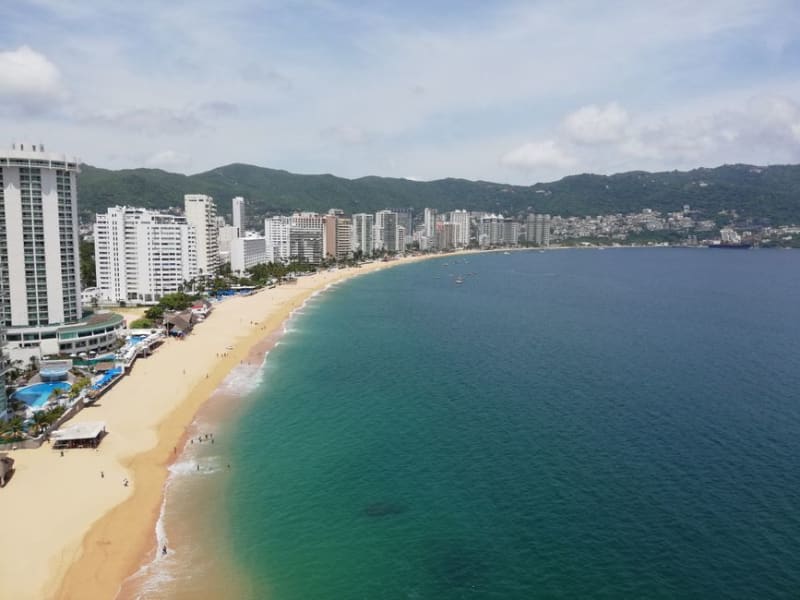
Acapulco
The original Mexican resort — a horseshoe bay backed by green mountains where the cliff divers of La Quebrada have been launching themselves into a narrow Pacific inlet since 1934, and the city that invented the Mexican beach vacation.
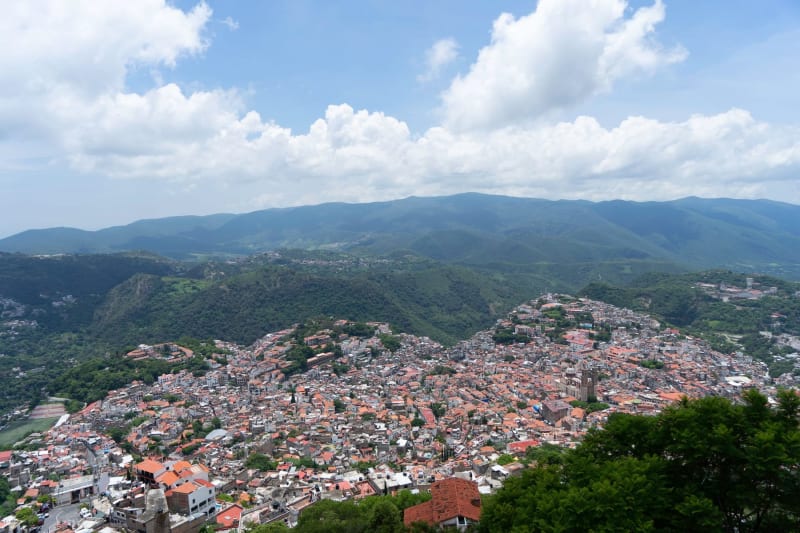
Taxco
Mexico's silver city — a steep baroque hillside in Guerrero where artisan workshops, colonial callejones, and the best silverwork in the Americas share every cobblestone street.
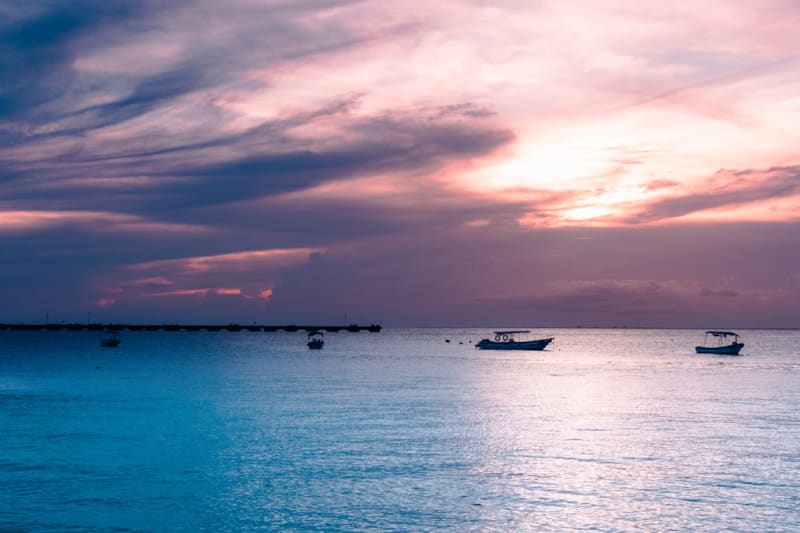
Zihuatanejo
The fishing village on Guerrero's Pacific coast that has remained a fishing village despite fifty years of trying to become something else — a deep bay of calm water, excellent snapper, and the specific atmosphere of a place that refuses to perform.