Zihuatanejo
"Red Shawshank wrote about Zihuatanejo as the place you go when you're finally free. The actual town is better than the metaphor."
Zihuatanejo is the fishing village that the 1994 film The Shawshank Redemption made into a shorthand for escape — Red and Andy’s correspondence about the turquoise water and the boats lifting on the gentle swells. The actual Zihuatanejo has been managing this literary fame (and the literal tourists it produces) for three decades while simultaneously managing the presence of Ixtapa, the planned resort complex built 6 kilometers north in the 1970s by the Mexican government as the first of its large-scale Pacific resort projects.
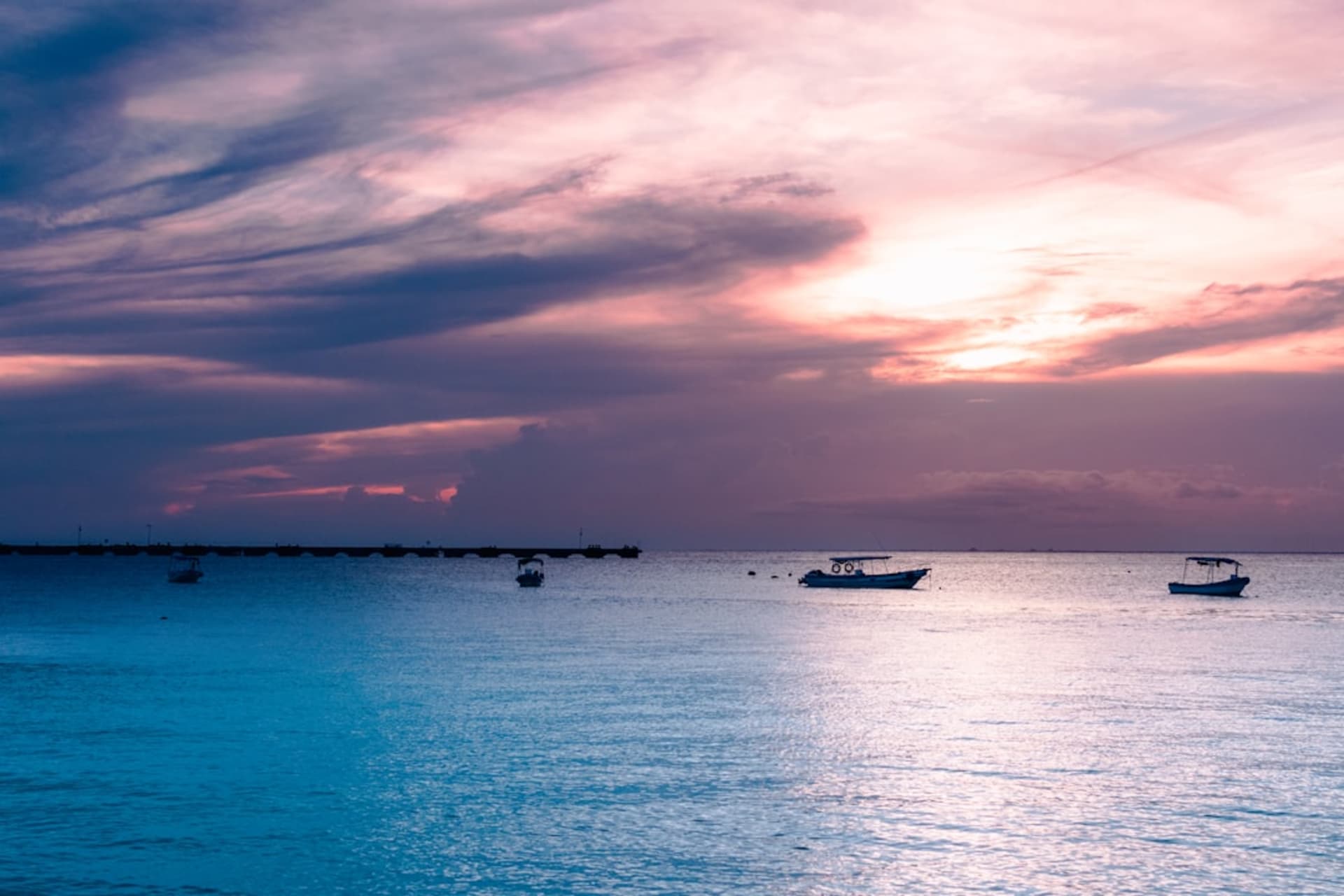
The result is a town with competing identities that has, somehow, retained its primary one: a working fishing port around a deep natural bay, with a morning fish market, a fleet of small pangas that sells directly to the restaurants, and a downtown organized around the muelle (pier) rather than around the hotels.
The Bay
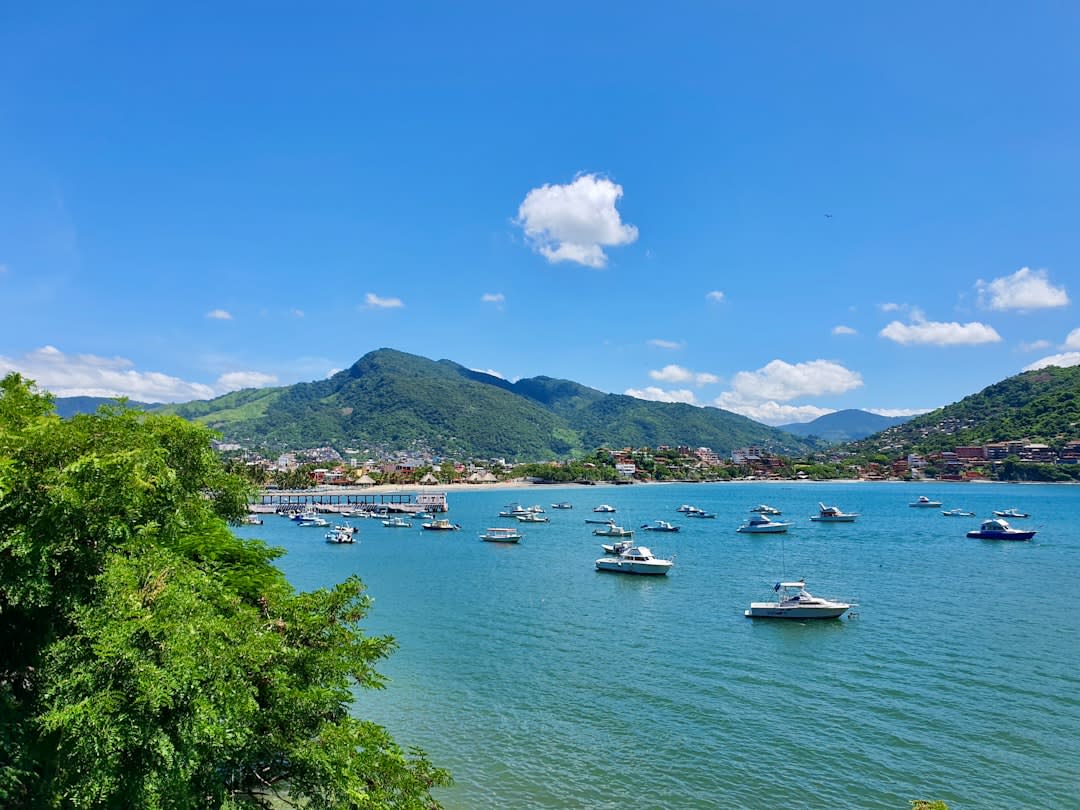
Zihuatanejo Bay is the town’s geographic luck: a deep, sheltered horseshoe enclosed by rocky headlands that blocks the Pacific swell and creates a water surface calm enough for the fishing fleet to moor safely in any weather. The bay is divided into four distinct beach environments by the shape of the headlands.
Playa Principal — the town beach in front of the downtown — is where the fishing fleet unloads and the pangas run tourist trips. Not a swimming beach but the social center of the bay, with the fish market directly behind it and the restaurants that serve what the market sells a block away.
Playa La Madera — ten minutes’ walk east around the headland — is the first proper swimming beach, calm, rocky-bottomed, with palapa restaurants that have been in the same families for decades. The huachinango a la talla (red snapper butterflied and rubbed with a red chile paste, cooked on a charcoal grill until the skin chars) at Tamales y Atoles Any on the beach access road is the single dish I would eat every day in Zihuatanejo.
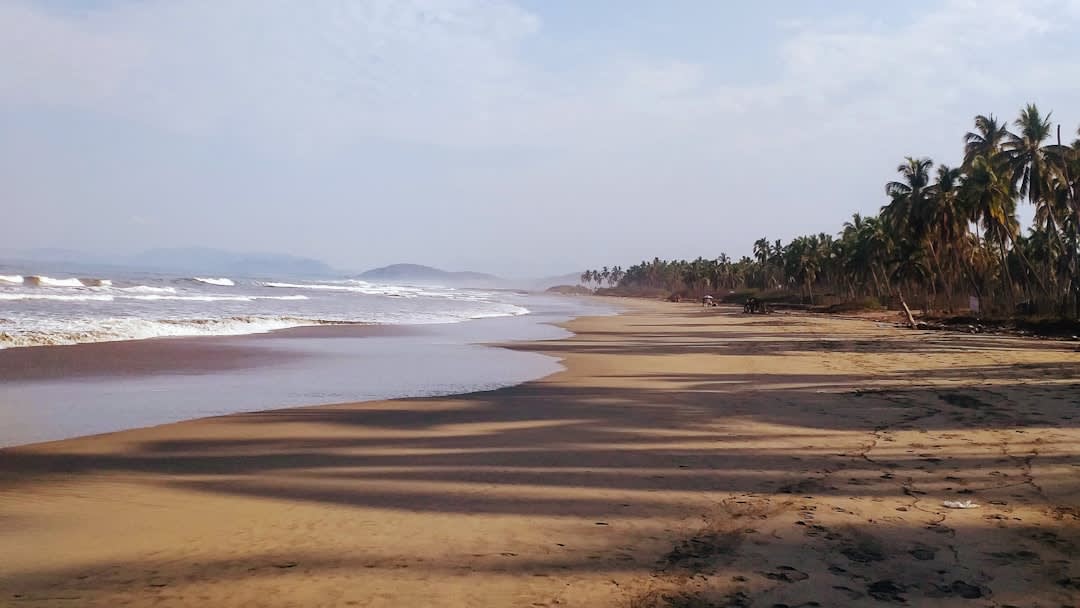
Playa La Ropa — the longest beach, south of La Madera around the next headland — is the most developed: boutique hotels in the vegetation above the beach, organized beach chairs, better surf than La Madera. The water is still the calm bay water, the horizon the open Pacific framed by the headland rocks.
Playa Las Gatas — accessible only by water taxi from the pier (10 minutes) — is the snorkeling beach: a reef inside the bay created by pre-Columbian stone breakwaters (built by a Tarascan king, according to local oral history, to create a calm pool for his personal bathing) that shelters a population of fish dense enough to see from the surface.
The Fish Market and the Food
The Mercado de Peces behind the pier sells the morning catch from the Zihuatanejo fleet — huachinango (red snapper), dorado (mahi-mahi), robalo (snook), camarones (shrimp) — to both the restaurants and directly to residents. The transit time from boat to table in Zihuatanejo is shorter than almost anywhere else on the Pacific coast.
The correct lunch after the fish market: pescado a la talla at one of the beach restaurants on La Ropa, the whole butterflied fish spread with a paste of dried chiles (ancho, guajillo, chile de agua) and cooked over charcoal for twenty minutes. The skin becomes a crust, the flesh inside steams in the fish’s own moisture, and the result requires nothing except lime juice and patience while it cooks.
Tacos de marlin ahumado — smoked marlin taco — from the stands on Calle Pedro Ascencio near the downtown market: a Gulf coast preparation using the marlin caught in the offshore sportfishing grounds, smoked over wood and served in a corn tortilla with cabbage and salsa. The smoked marlin has a character unlike anything produced by the industrial smoking processes of the export market.
Ixtapa
Six kilometers north on the coast highway, the planned resort complex of Ixtapa was developed by FONATUR (the Mexican government tourism agency) in the 1970s as a planned resort — hotels, golf courses, and shopping malls built from scratch on what was mangrove and jungle. The result is what you would expect from a planned resort: comfortable, efficiently organized, architecturally generic, and entirely without the character that Zihuatanejo produces from its history.
Ixtapa’s Playa del Palmar is wider and more organized than any beach in Zihuatanejo; the waters sports concessions are efficient; the hotels have multiple pools. For visitors who want resort amenities without driving to Los Cabos, Ixtapa delivers them. For everyone else, Zihuatanejo is 6 kilometers away.
Getting there: The Ixtapa-Zihuatanejo International Airport has direct flights from Mexico City, Guadalajara, and multiple US cities. The airport is 15 minutes from Zihuatanejo by taxi. Buses from Acapulco (4h) and Mexico City (8h via Chilpancingo).
When to go: November through April for dry season. Zihuatanejo’s bay is swimmable year-round; the Pacific beaches north of the bay have surf that varies seasonally. Avoid August-September peak hurricane exposure.