Estado de México
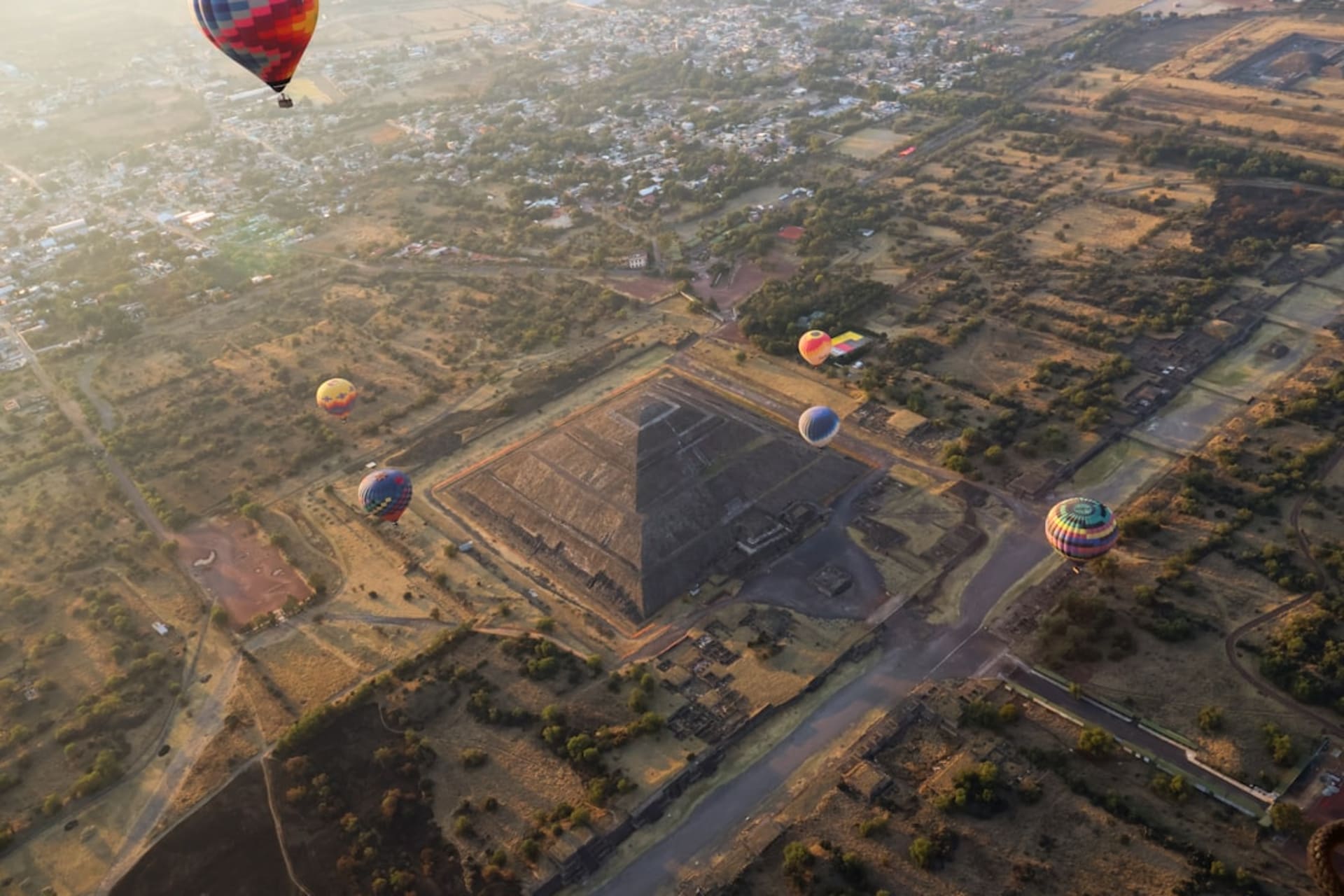
"Teotihuacán was the largest city in the Western Hemisphere at its peak — 100,000 to 200,000 people, in the 5th century CE. Nobody knows who built it. Nobody knows what language they spoke. The pyramids are there anyway."
Estado de México is the ring around Mexico City — the state that surrounds the Federal District (now CDMX) on three sides, occupying the highland basin of the Valley of Mexico and the mountain ranges that divide it from the Pacific coast to the south and the Gulf lowlands to the east. The state has 17 million residents (more than most Mexican states), a significant percentage of whom live in the continuous urban fabric of the greater Mexico City metropolitan area. But beyond the sprawl, the state’s territory includes some of the most significant pre-Columbian sites, some of the most dramatic scenery, and some of the most livable small cities in central Mexico.
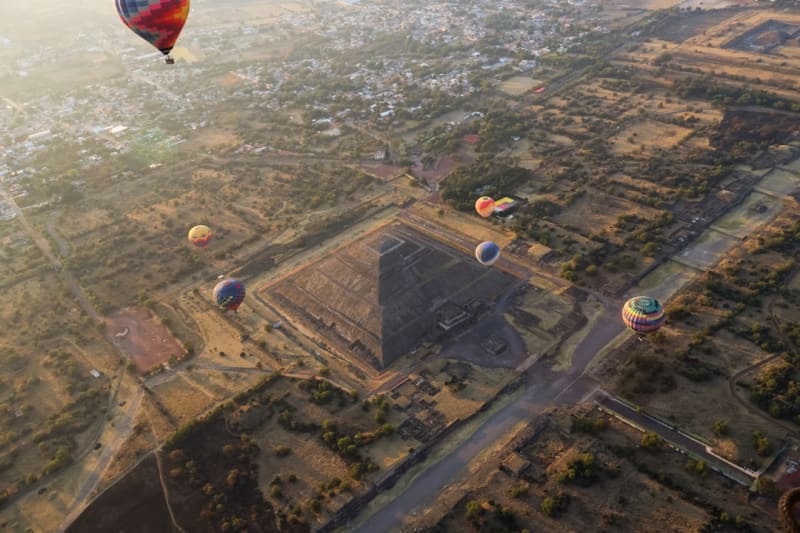
Teotihuacán — the ancient city 40 kilometers northeast of Mexico City, whose Pyramids of the Sun and Moon and whose Avenue of the Dead are among the most visited archaeological sites in the Americas — was at its peak between 150 and 550 CE the largest city in the Western Hemisphere, home to 100,000-200,000 people in a planned urban layout of remarkable organization. The builders are unknown; the city was already abandoned and partially buried when the Aztec found it and named it (Teotihuacán means “birthplace of the gods” in Nahuatl). The Aztec did not build it but venerated it.
Valle de Bravo (covered separately) — the colonial sailing lake town in the western mountains — is where Mexico City’s middle and upper class goes for weekends that involve pine forest, paragliding, and colonial architecture at 1,830 meters. The lake is artificial (a hydroelectric reservoir); the town is genuine.
Malinalco (covered separately) — the rock-carved Aztec ceremonial complex in the subtropical canyon southwest of Toluca — has the distinction of being perhaps the most unusual pre-Columbian structure in Mexico: a temple excavated from living rock rather than built from cut stone.
The state capital Toluca (at 2,667 meters, the highest state capital in Mexico) has the enormous Friday market (one of the largest traditional markets in Mexico) and the Nevado de Toluca volcano — an extinct crater with two lakes at 4,200 meters accessible by road.
Explore
Places in Estado de México
Malinalco
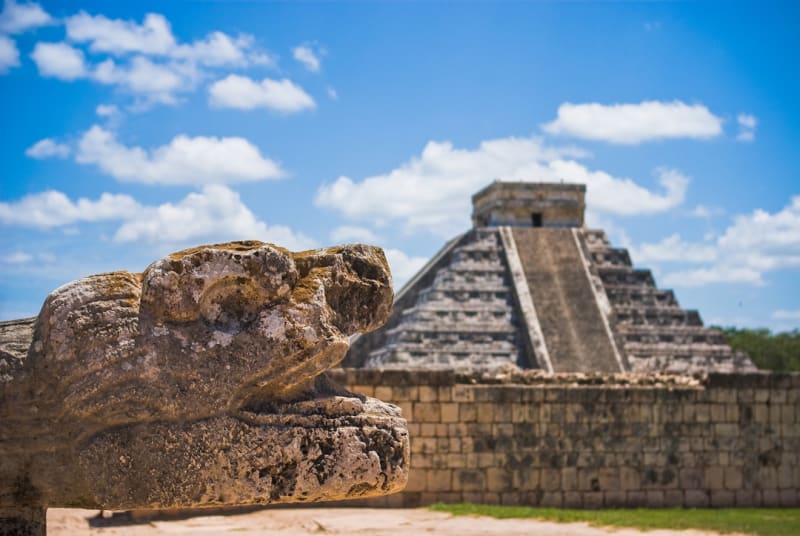
An Estado de México village with an Aztec temple carved entirely from living rock — not built from cut stone but excavated directly from the mountain — and a weekly market, thermal springs, and a hiking trail through the subtropical canyon that connects the highland to the hot country below.
Teotihuacán
The largest city in the pre-Columbian Americas — a metropolis of two hundred thousand people that nobody has ever identified, built around two pyramids aligned with the stars and an avenue two kilometers long.
Valle de Bravo
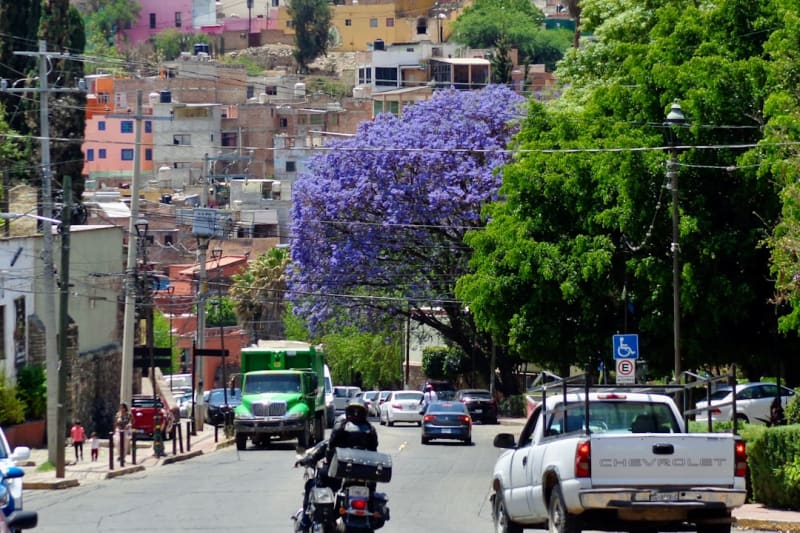
A colonial town in the Estado de México mountains at 1,830 meters on the shore of an artificial lake, where the Mexico City crowd sails and paraglides at weekends and the surrounding pine forest is the winter habitat of the monarch butterfly.