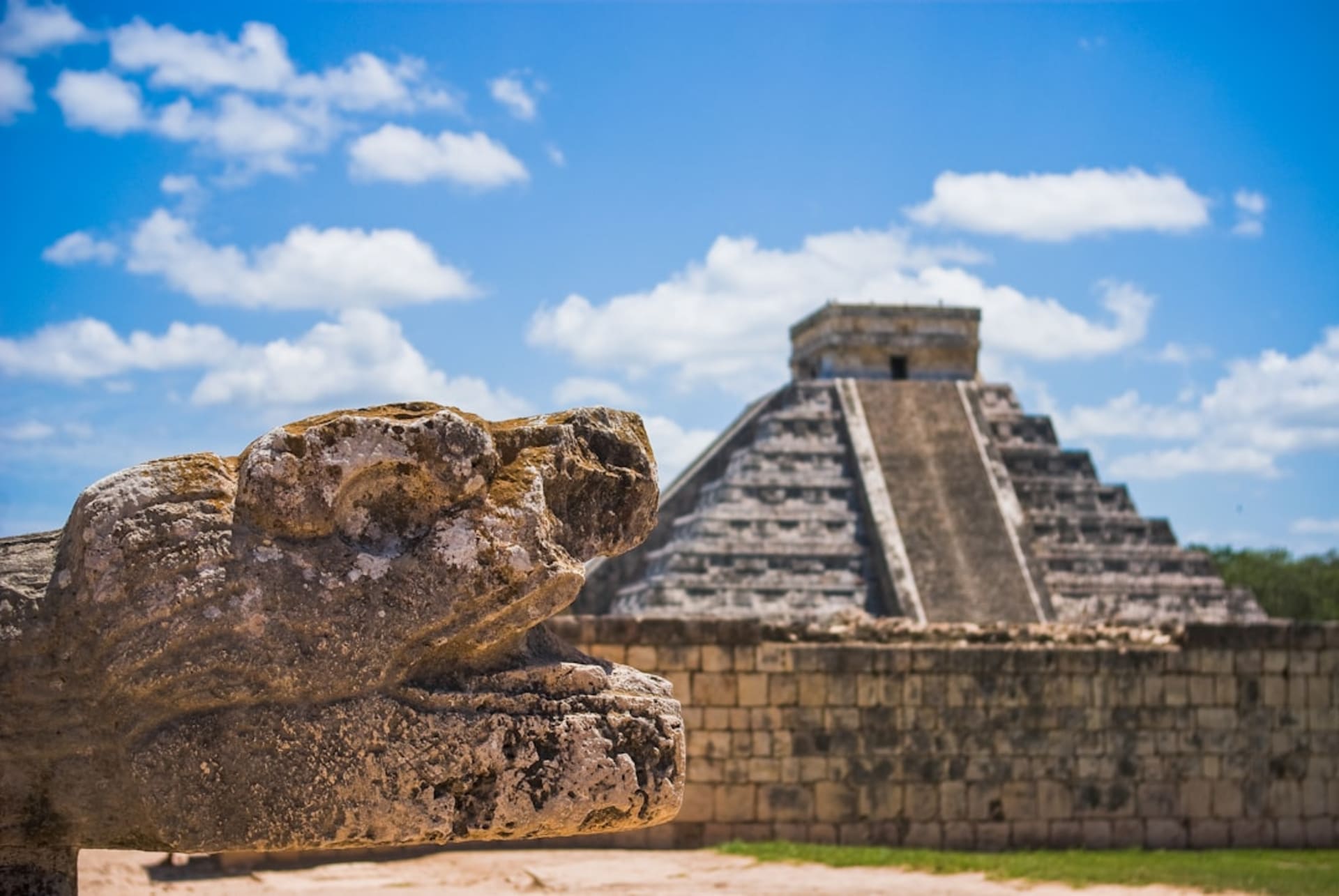
Malinalco
"The Aztecs didn't build the Malinalco temple. They carved it. The entire structure was excavated from the mountain — the walls, the floors, the roof, the eagle figure at the entrance — from a single rock."
Malinalco is a colonial village in the subtropical canyon country of the Estado de México, 45 kilometers southwest of Toluca, that contains the Zona Arqueológica de Malinalco — an Aztec ceremonial complex in which the primary temple (Cuauhtinchan, the Eagle House) was carved entirely from living rock. Not built. Carved. The Aztec workers did not quarry stone elsewhere and transport it to the site; they excavated directly into the mountain, removing material until the temple shape remained. The floor, the walls, the circular chamber, the eagle figure that forms the entrance threshold — all of this is the original mountain, shaped by Aztec stonecutters between approximately 1476 and 1520 CE.
The effect of standing inside the Cuauhtinchan: the walls are rough-hewn but the floor has the smoothness of a surface walked on for centuries, and the eagle carving at the entrance — a full eagle in profile, wings half-spread, beak open — is integrated into the living stone in a way that no built structure can replicate. The temple was not placed on the mountain. It was made from it.
The Archaeological Zone
The zone occupies a hillside above the village, reached by 426 steps carved into the slope (the colonial-period steps follow the original Aztec approach). The complex has several structures:
Cuauhtinchan (Structure I, the Eagle House): the primary carved-rock temple, a circular chamber accessible through the eagle-carved entrance. The chamber interior was the site of initiation ceremonies for Aztec cuachic and ocelotl (eagle and jaguar) warriors. The carved serpent bench that lines the interior wall, the central stone drum, and the eagle and jaguar pelts carved in relief on the floor are all original Aztec work cut from the same mountain.
Structure II: a rectangular platform adjacent to the circular chamber, also partially carved from rock, with relief carvings of warriors and sacrificial figures.
Structure III: an open platform with views of the Malinalco valley below and the subtropical forest rising on the slopes above.
The site is set in the subtropical forest of the canyon — different from the highland pine forests of Toluca or the Valley of Mexico. Orchids on the rock faces, subtropical bird species in the trees, the warm humid air of a place 1,000 meters lower than the highland cities. The elevation of Malinalco (1,740m) produces a climate significantly warmer than Mexico City.
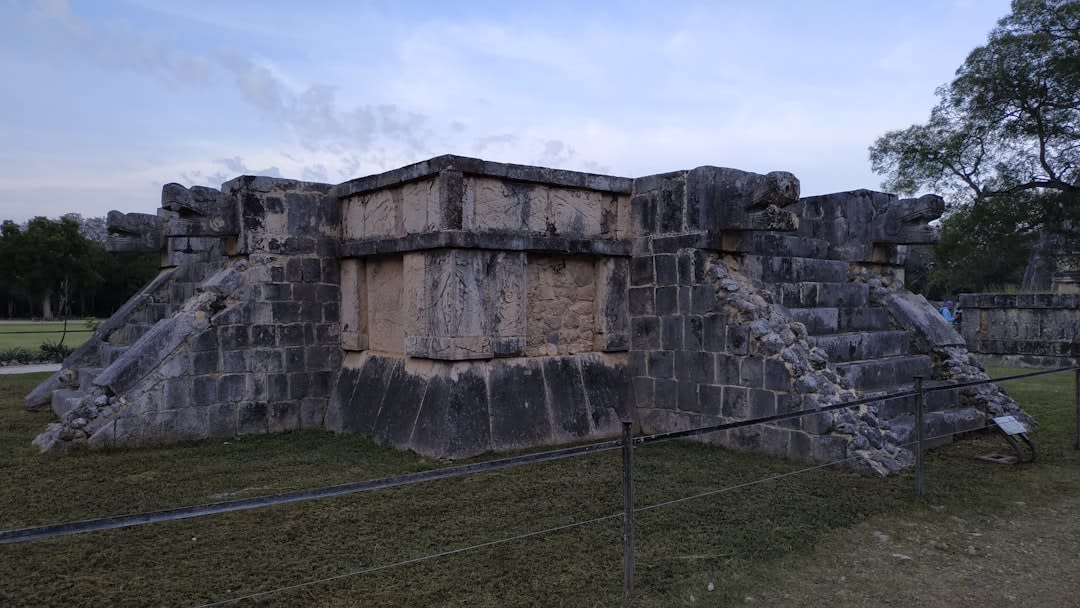
The Village and the Weekend Market
Malinalco is a living colonial village with cobblestone streets, a 16th-century Augustinian convent, and a Sunday market that serves the surrounding Estado de México communities and the day-trippers from Toluca and Mexico City.
The Sunday market specializes in the products of the subtropical zone: avocados, mangoes, and the specific local avocado variety called criollo (smaller and more intensely flavored than the Hass that dominates commercial production), anonales (sugar apple fruit), regional honeys, and the gorditas (thick corn cakes filled with beans or cheese) that the market food stalls produce on comals set up in the market square.
The Ex-Convento Agustino de la Transfiguración — the 16th-century Augustinian convent with its open-air chapel and atrium — is decorated with pre-Columbian astronomical and astrological imagery worked into the colonial architectural program: an unusual combination that reflects the Augustinian practice of incorporating indigenous symbolism into their conversion architecture in the Estado de México region.
The Thermal Springs
The Chalma hot springs — 12 kilometers from Malinalco on the road to the pilgrimage sanctuary of Chalma — are natural thermal pools at 38-40°C in a canyon setting. The Chalma sanctuary itself (the Señor de Chalma, a Christ figure in a cave) is one of the most-visited Catholic pilgrimage sites in Mexico, second only to the Basilica of Guadalupe. The pilgrims — many of whom walk the final kilometers barefoot — bring their own energy to the canyon.
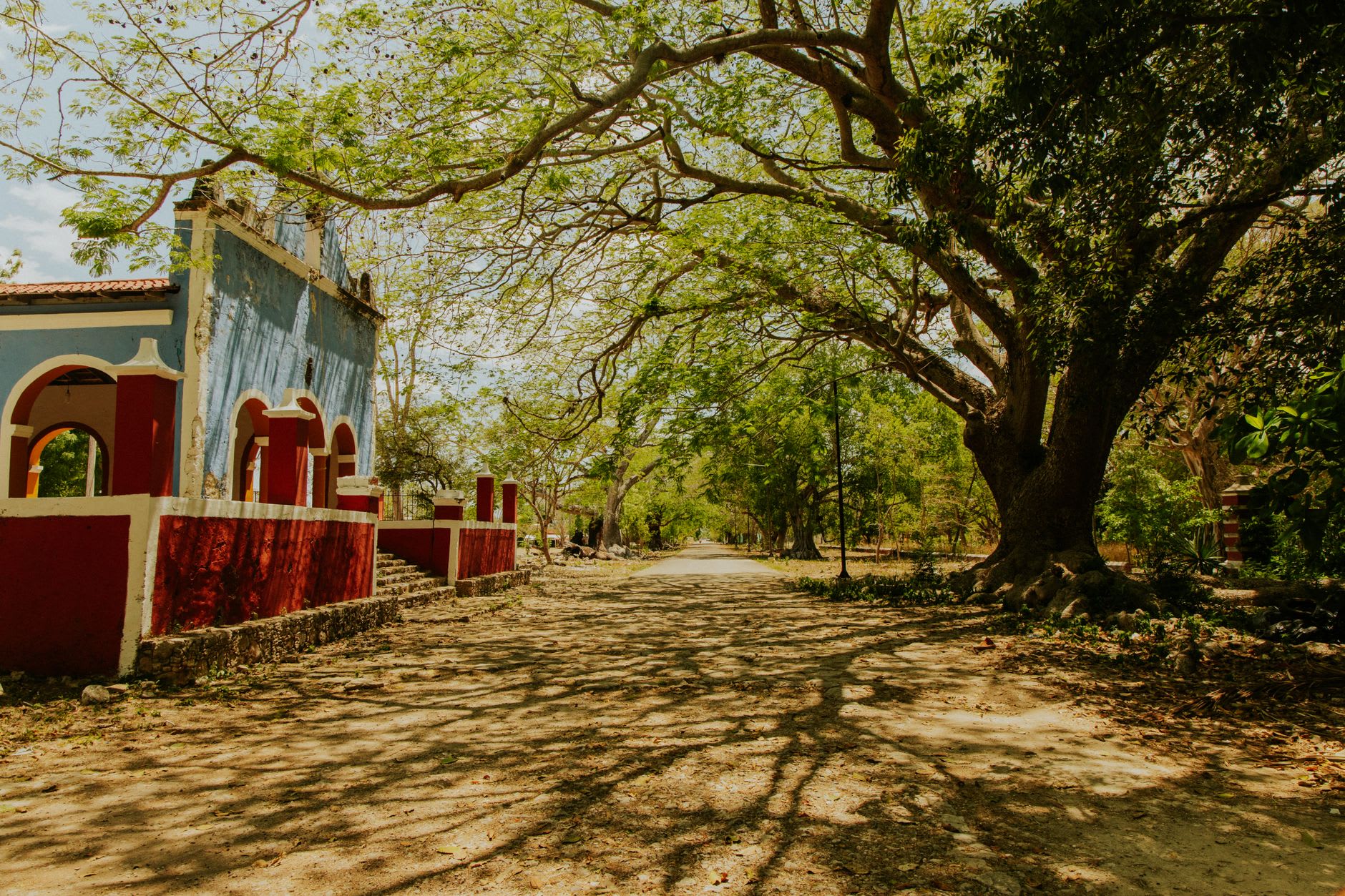
Getting there: Bus from Toluca’s Terminal de Autobuses (1.5h) or Mexico City’s Terminal Poniente via Toluca (3.5h total). The bus from Toluca passes through Tenancingo. No car required for the village and the archaeological site; car needed for Chalma.
When to go: Year-round. The subtropical climate is warm and pleasant November through May. June through September brings rain that makes the canyon lush and the trails slippery; the archaeological site remains accessible. Sunday for the market.