Valle de Bravo
"The lake was created for a hydroelectric dam. The town existed before the dam. The dam made the town's fortune — the artificial lake turned Valle de Bravo into the Estado de México's most desirable weekend escape."
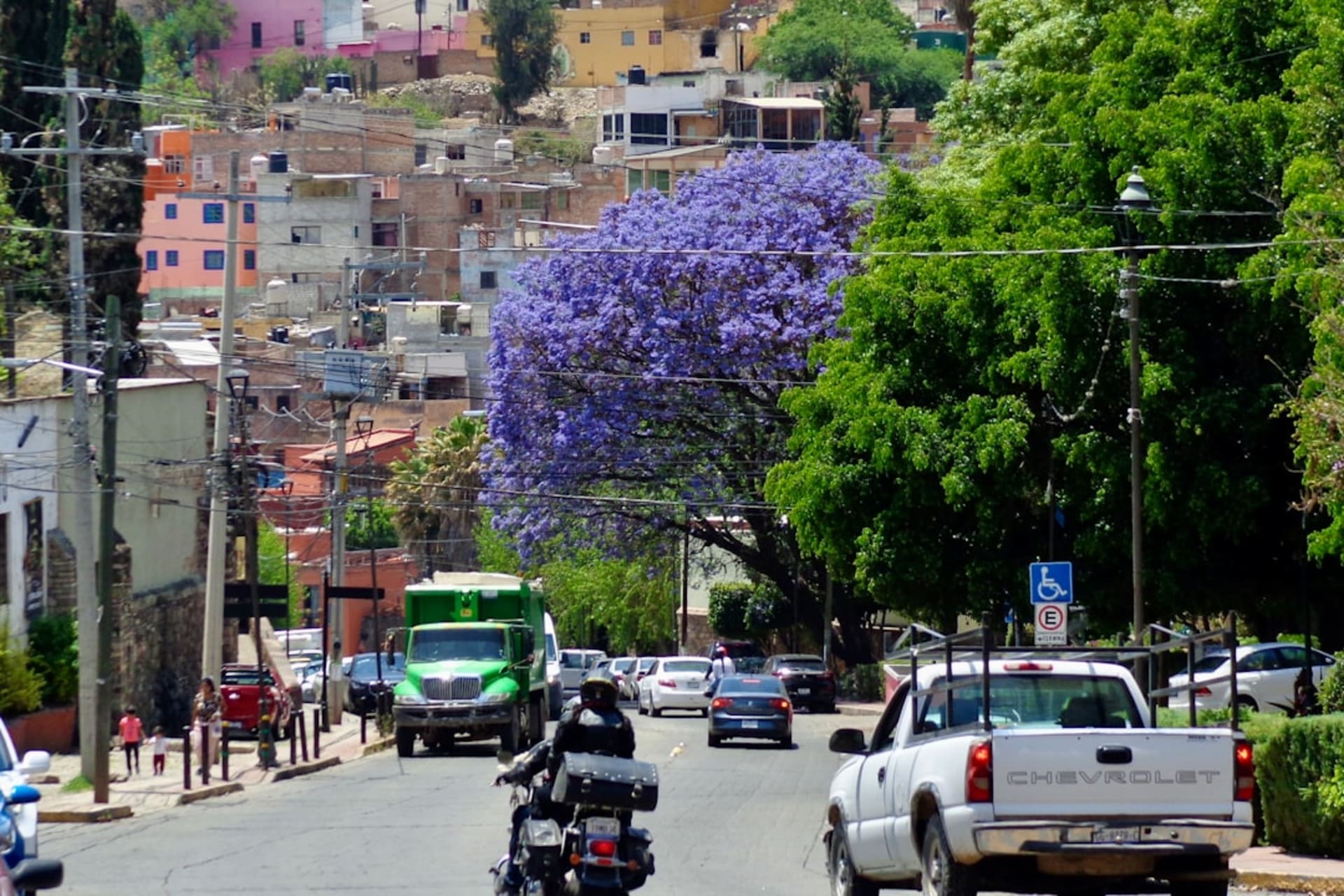
Valle de Bravo is the weekend destination of choice for the Mexico City professional class who want colonial architecture, mountain air, watersports, and paragliding within a three-hour radius of the capital. The town is in the Estado de México at 1,830 meters in the Sierra de Mil Cumbres, on the western shore of Lago Valle de Bravo — a 18-square-kilometer reservoir created in the 1940s by the Miguel Alemán Dam for the Hidroeléctrica Valle de Bravo system.
The colonial center existed before the lake. The 16th-century Franciscan church and the white-and-red-tile architecture of the historic district are genuine; the waterfront restaurants and the sailboat marina are post-dam additions that transformed a modest mountain town into the most visited non-beach weekend destination from Mexico City.
The Lake and Watersports
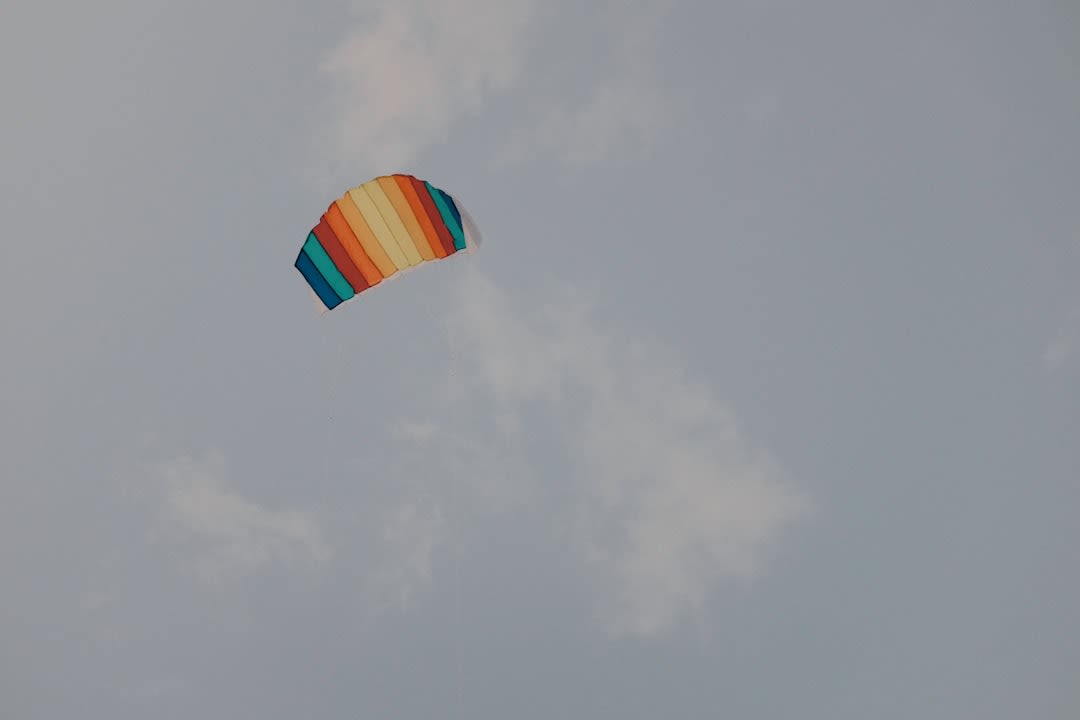
The lake is the social center of Valle de Bravo in a way unusual for a reservoir — the sailing community is active and organized (the Club de Vela Valle de Bravo runs races on weekends), the kayak and SUP rentals line the malecón, and the paragliders who launch from the Peña Alta ridge above the town use the lake as their visual landmark for the thermal conditions that make Valle de Bravo one of the premier paragliding locations in Latin America.
Paragliding: the combination of the lake (which creates predictable thermal activity as the water heats the air above it) and the surrounding ridge system produces conditions that have made Valle de Bravo a venue for international paragliding competitions. The Torneo Internacional de Parapente held annually brings pilots from 30+ countries. For first-time tandem flights, the local schools launch from Peña Alta and land on the beach at the southern end of the malecón; the 20-minute flight over the lake and colonial town is the standard activity.
The view from paraglide altitude over Valle de Bravo: the white town on the lake shore, the pine forests in all directions, the mountains of the Estado de México, and — on a clear winter morning — the snow-covered cone of the Nevado de Toluca visible to the northeast.
The Colonial Town
The Centro Histórico of Valle de Bravo — two or three blocks of white facades with dark wood balconies, cobblestone streets, the main plaza with the 16th-century Templo de San Francisco — is genuine colonial architecture maintained in a condition reflecting the income of its weekend residents. The quality of the restaurants and artisan shops is higher than the town’s actual size would normally support; this is an effect of the Mexico City money that arrives Friday evening and leaves Sunday night.
The Mercado Municipal operates daily but is most interesting on Wednesday and Sunday mornings when the regional market serves the surrounding mountain communities — Mazahua and Otomí indigenous vendors selling embroidered textiles, mushrooms from the pine forest, fresh cheese from the sierra cattle farms, and the cut flowers grown in the greenhouse operations that supply Mexico City’s flower wholesale market from this valley.
The Monarch Butterfly Reserve
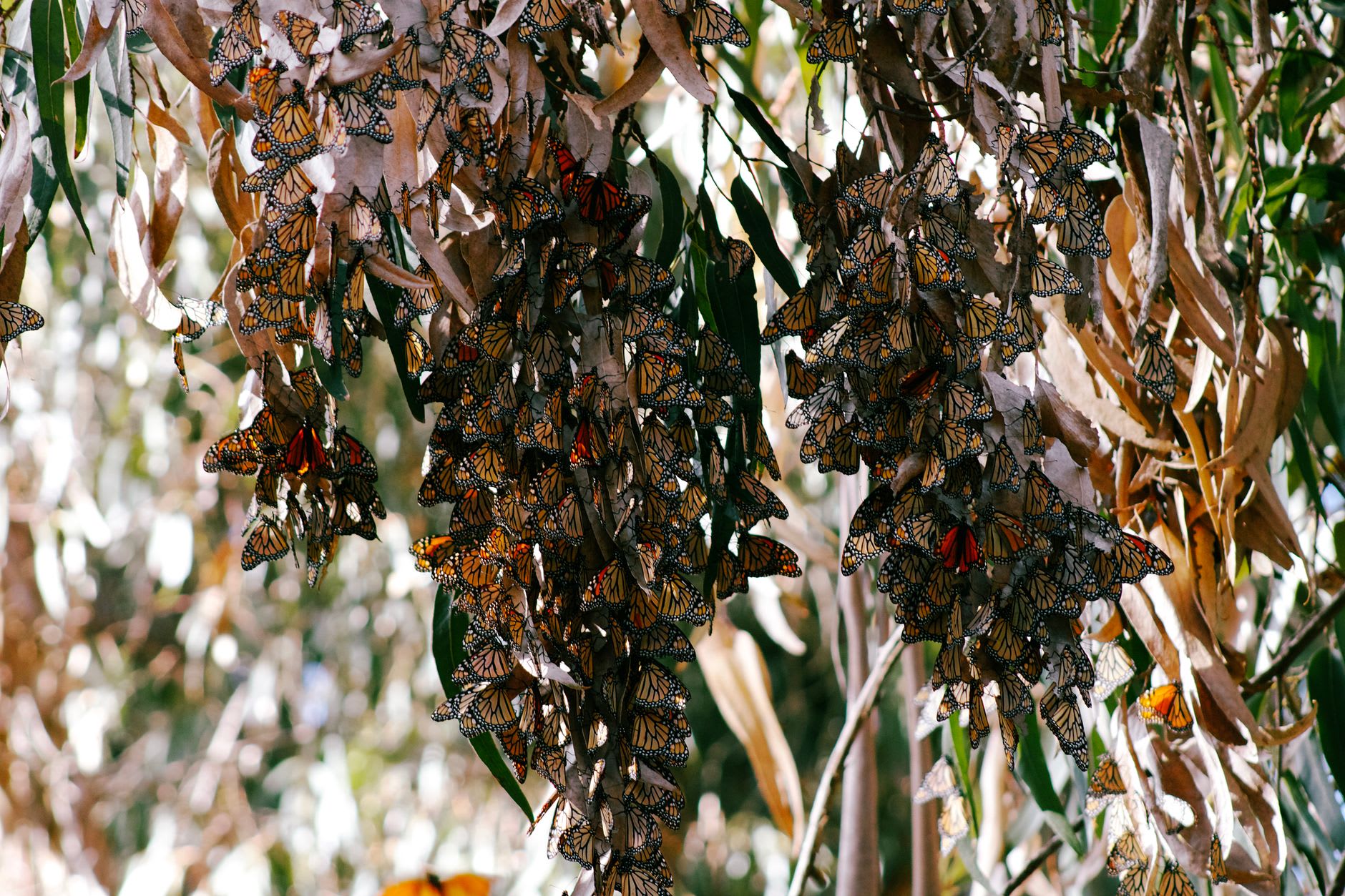
The pine forests above Valle de Bravo are part of the Reserva de la Biosfera Mariposa Monarca — the UNESCO-protected area where 100-200 million monarch butterflies overwinter from November through March after migrating from the northern United States and Canada. The butterfly colonies occupy the oyamel fir forest at 2,800-3,200 meters altitude; the colonies near Valle de Bravo include the El Rosario and Angangueo sites to the east (covered separately) and several smaller colonies accessible from Valle de Bravo itself.
The approach to the butterflies from Valle de Bravo is less organized than from Angangueo but more intimate — smaller sites, local guides, the possibility of arriving before the tour groups.
Getting there: Buses from Mexico City’s Terminal de Poniente (2.5-3h). Car from Mexico City via the Toluca highway is faster but requires navigating through Toluca. The town’s streets are narrow; park at the entrance and walk.
When to go: November through March for the monarch butterflies and the coolest, clearest weather. December through February is peak season (accommodation books weeks ahead). April through October is warm and sometimes rainy; the lake and town are accessible year-round, quieter on weekdays regardless of season.