Topia
"The woman running the only open comedor told me the last foreign visitor she remembered was a German, sometime in the late nineties. She wasn't sure what to make of me, and honestly I wasn't either."
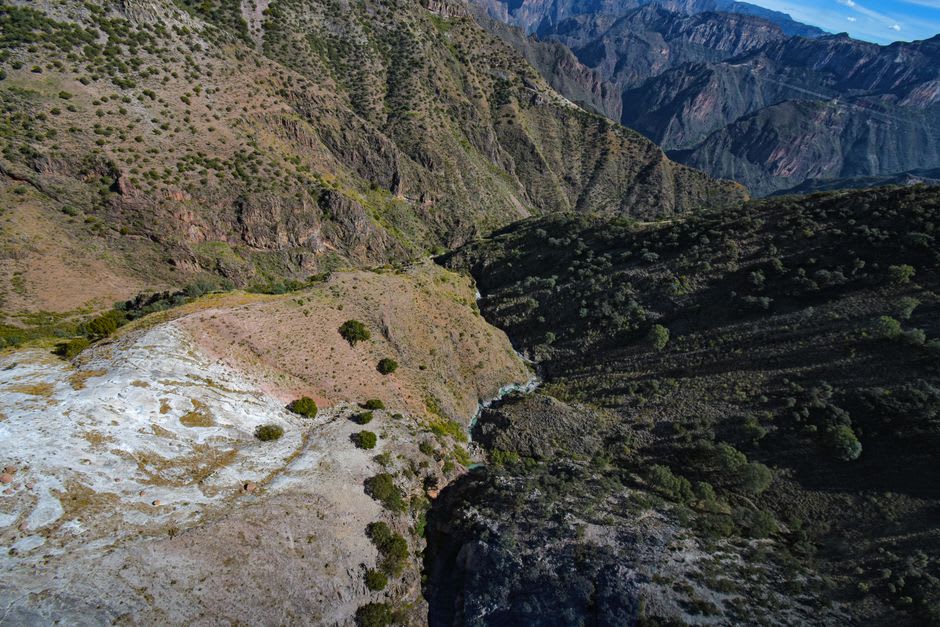
I pulled into Topia’s plaza at four in the afternoon with my jaw still clenched from the last hour of road. Three river crossings, one section where the switchbacks felt architectural rather than practical, and a final descent into the canyon that made me genuinely unsure the truck would come back up. And then the town just appeared. Stone houses on terraced hillsides. The church at the end of the square, solid and unhurried. A dog sleeping in the precise center of the road. Nobody was going anywhere fast, and after what I had driven through to get here, that felt like a reasonable arrangement.
Three Hours of Sierra Madre
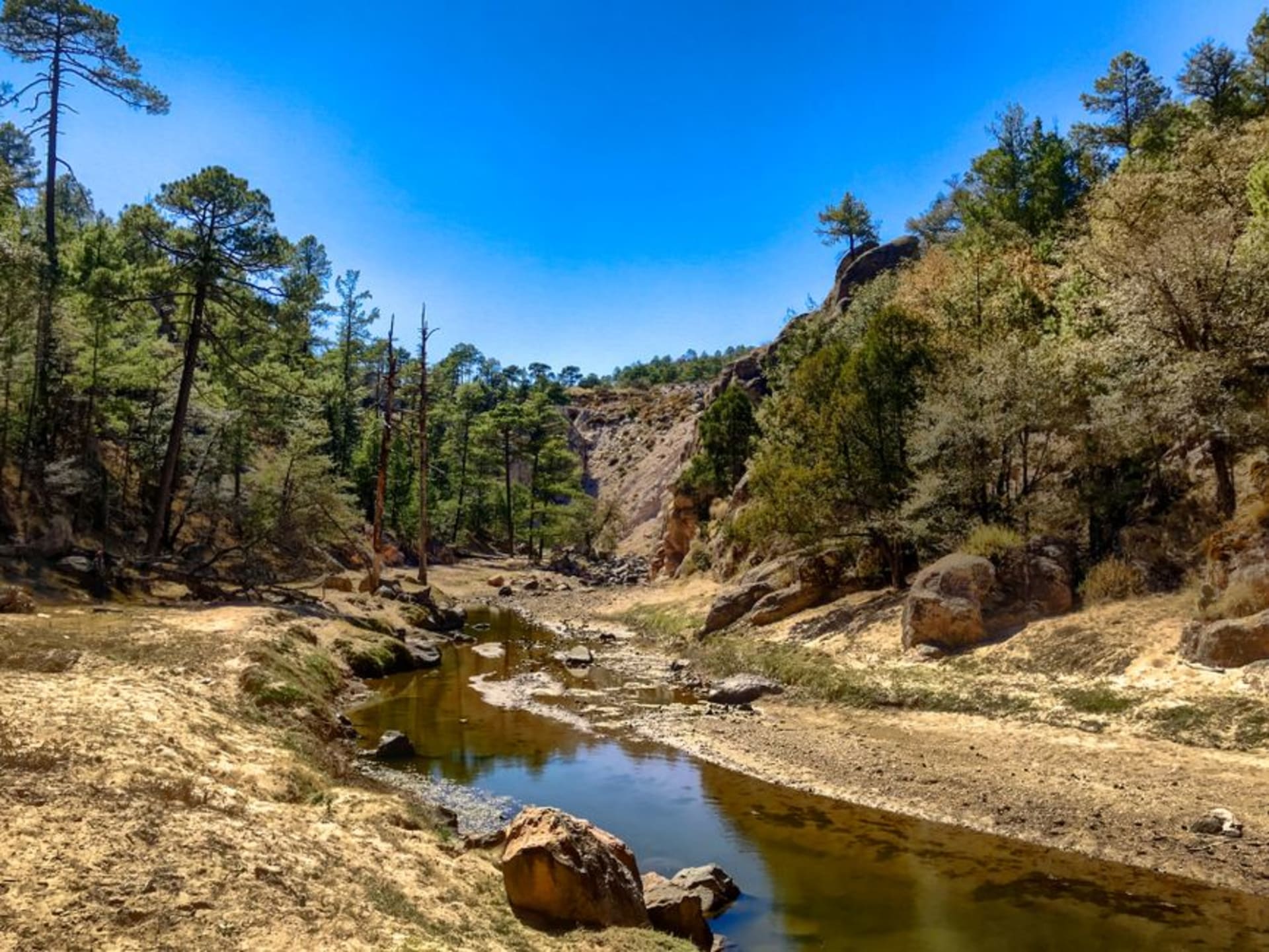
The drive from Durango city to Topia is not difficult in the way that requires skill so much as in the way that requires patience and a vehicle with ground clearance. The first forty minutes are paved and unremarkable. Then the Sierra Madre takes over completely. I counted three river fords that my map had not mentioned. In the rainy season those crossings become the reason some people turn back. I went in January when the rivers were low and the pines were doing their pine thing on every available slope.
What the road gives you, beyond a stiff back, is context. Topia exists in this state of quiet preservation because getting here has always been inconvenient. The silver boom that built the church and the stone houses ended in the early twentieth century, and without easy extraction, the town never had to become anything else. What you arrive at is not a ghost town — people live here, and they are not performing remoteness — but a place where the rhythm of daily life has not been renegotiated to accommodate visitors.
What the Mines Left Behind
The church of San Francisco de Asís sits at the head of the plaza with the composure of something that has outlasted several ambitious plans. Built when silver was still coming out of the surrounding hills, it is constructed in the pale stone that goes warm gold in the late afternoon. I spent an hour inside one morning when the light was coming through the side windows at an angle worth sitting with. The simplicity of the interior affected me more than many more elaborately decorated colonial churches I have seen further south.
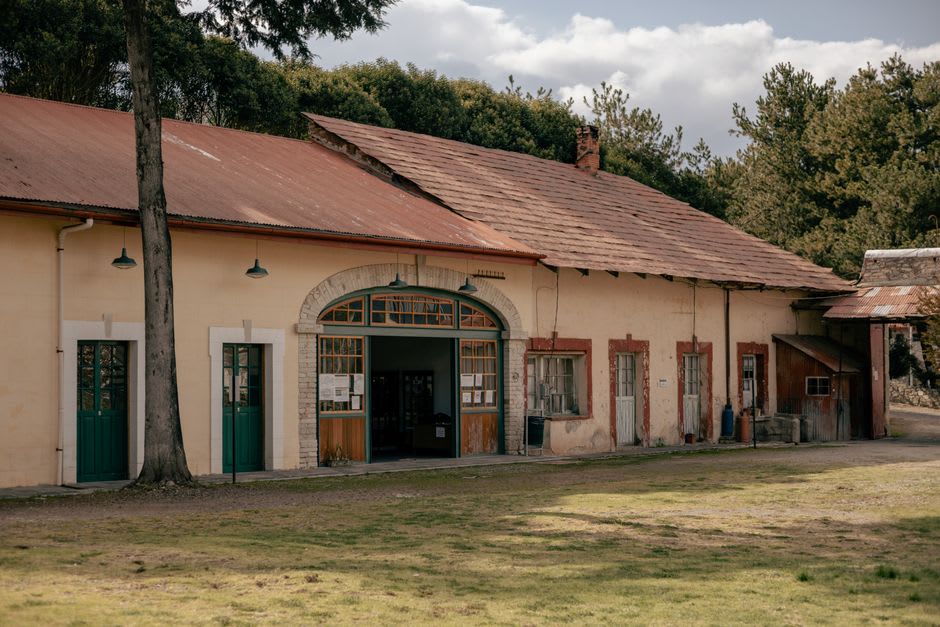
The mine shafts themselves are mostly sealed or collapsed, but a short walk up from the plaza takes you past the remains of the processing infrastructure — stone walls, rusted equipment — absorbed now into the hillside vegetation. A man named Ernesto offered to walk me up and explain what was what. He knew which shafts had flooded, which ones went deep, which families had owned which sections. It was the kind of history that does not appear on signs.
The Only Comedor Open
Topia is not a place to arrive hungry with a list of restaurants saved on your phone. I found two comedores; one was closed on arrival and still closed when I left two days later. The other was run by a woman named Rosario who cooked whatever she had decided to make that morning. On my first evening that meant a caldo de res with enough chile to clarify your priorities, a plate of frijoles de olla with cheese, and corn tortillas I watched being made by hand across the room. The second day brought enfrijoladas and something involving eggs that I would order again without needing to know its name.
She charged me ninety pesos for the first meal. I left a hundred and twenty and felt it was still insufficient.
Getting There
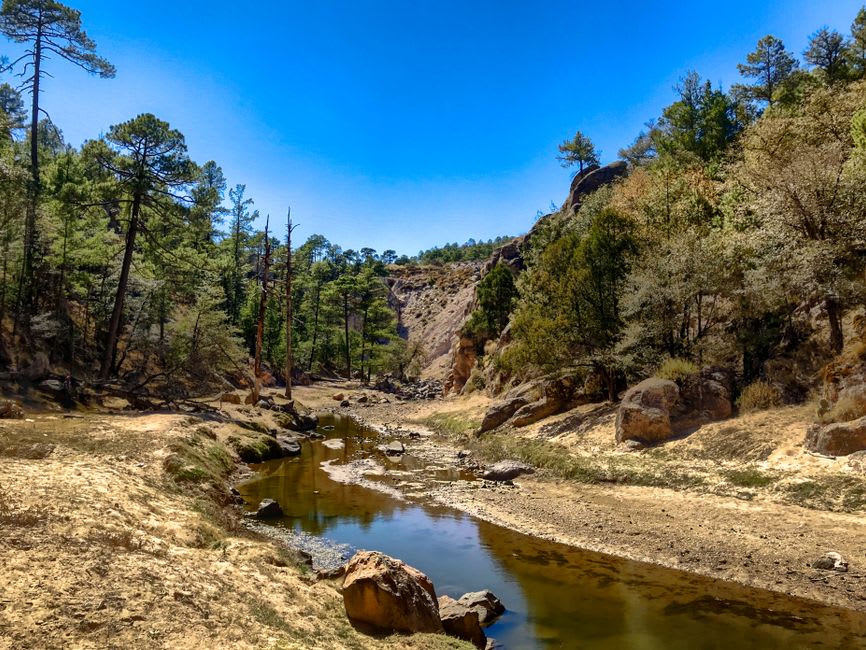
Durango city is the staging point. Topia is roughly 150 kilometres away by road — figure three to four hours depending on conditions and how confident you feel about river crossings. A vehicle with meaningful ground clearance is not optional. The road is passable year-round but the rainy season (June through October) adds real uncertainty to the river fords. November through March is the most reliable window.