Mapimí
"The planks of the Ojuela bridge flex under your feet, three hundred meters of swaying cable strung over a century-old void — and on the far side, nothing but roofless walls and desert going on until it becomes sky."
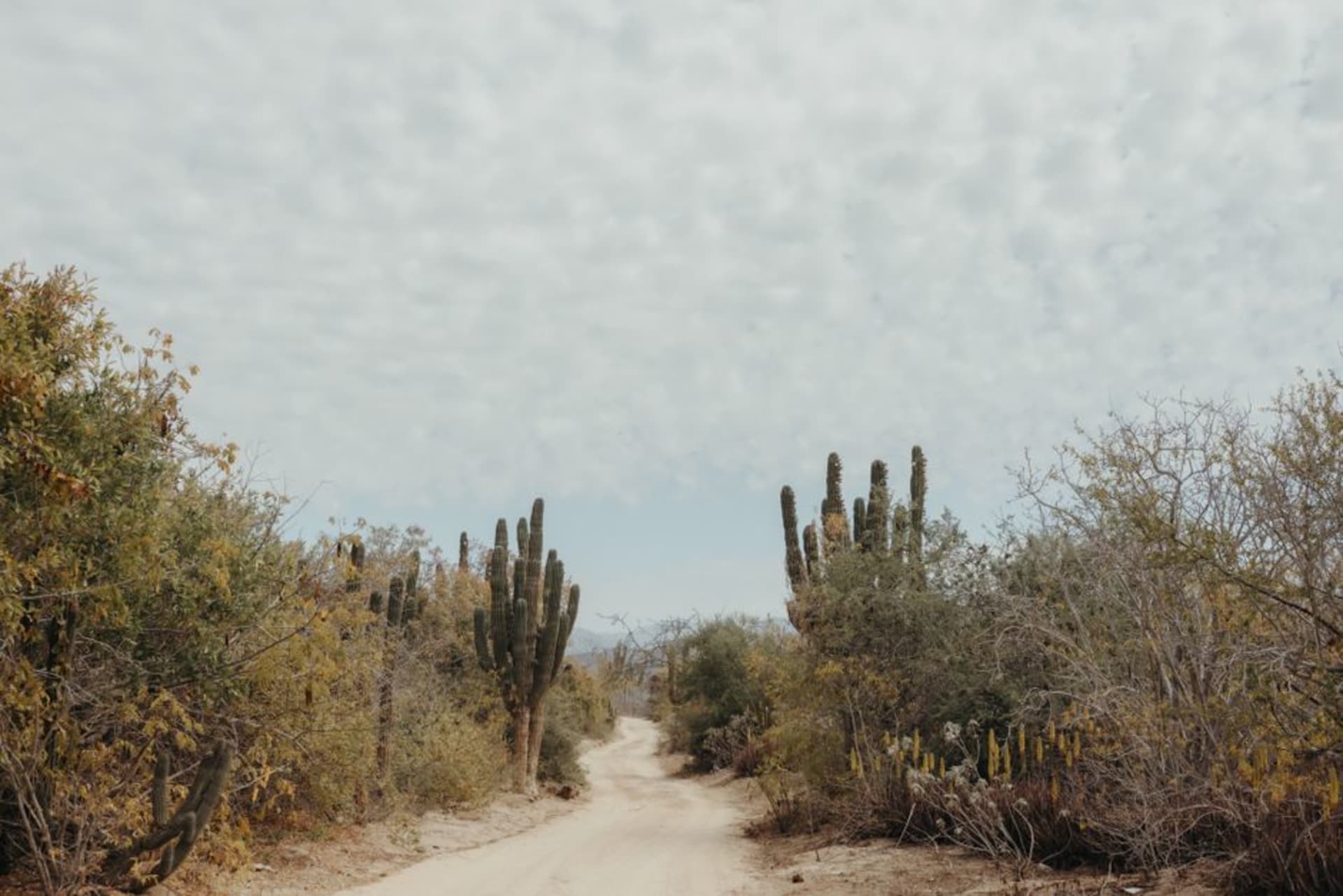
I showed up on a Tuesday in early November, which meant I had the bridge almost entirely to myself. The parking area held one pickup with Chihuahua plates and a dog sleeping underneath it. The walk from the ticket booth to the canyon edge takes maybe four minutes — long enough to hear the wind change register and notice that the landscape is doing something unusual out here, pulling back from itself, growing emptier in a way that feels less like geography and more like a decision.
The Bridge at Ojuela
The Puente de Ojuela is 318 meters long and was built in 1898 to carry silver ore across the canyon from the mine to the processing hacienda on the far side. For several decades after its completion it was the longest suspension bridge in the world. Now it sways under day-trippers. The planks have gaps — some deliberate, some not, it’s genuinely difficult to tell — and through them you can see the mine shafts dropping into the hillside below, sealed with iron grates that don’t look particularly recent. The crossing takes about ten minutes if you walk at a normal pace. Most people don’t. There’s a specific quality of slowness that arrives at about the midpoint, when the canyon is fully below you and the ruins of the Ojuela hacienda appear on the far side: roofless, pale, organized against the mountain like a diagram of something that used to matter. I sat on a plank bench over there for twenty minutes eating an orange I’d bought in Hidalgo del Parral the morning before, watching the bridge move slightly in the wind. I was the only person on that side of the canyon.
The Ruins and the Silence
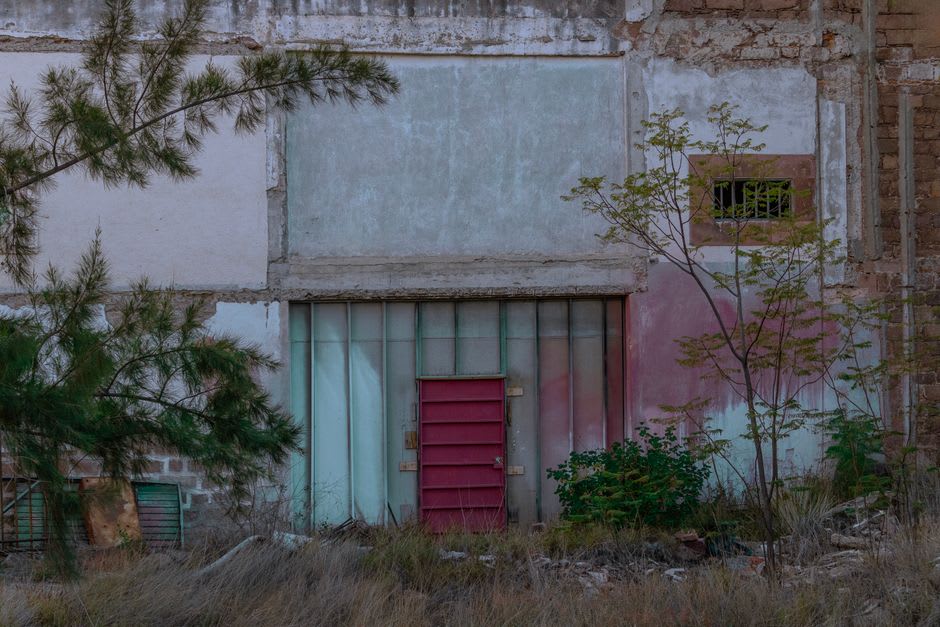
The hacienda complex waiting on the far side of the bridge was once a company town — offices, a chapel, a schoolhouse, a paymaster’s building, all constructed to service Compañía Minera de Peñoles, which pulled silver out of this canyon from the 1870s until the ore ran thin somewhere in the 1940s. What remains are walls, arched doorways, a courtyard where the November light falls cold and specific. The church skeleton is the most intact structure; you can still read the layout of pews in the concrete floor.
The story about the Zona del Silencio — a patch of desert roughly 50 kilometers north where a NASA test rocket went off-course in 1970, and where compasses supposedly spin and radio signals evaporate — is almost certainly more legend than physics. But legend has its own mass out here. In Mapimí’s central plaza, two men were discussing it in full seriousness over styrofoam cups of atole outside a farmacia on Calle Independencia. I didn’t interrupt. The living town — a few blocks of low adobe houses, a church with a cracked bell tower, a tianguis on Sunday mornings — functions as a quiet antechamber to the ruins across the canyon.
What to Know Before You Go
Arrive before ten in the morning if you can — the day tours from Torreón fill the bridge by midday and the atmosphere changes considerably. Entrance to the bridge runs around 80 pesos. Near the trailhead, a small restaurant called La Hacienda de Ojuela serves goat birria with flour tortillas the diameter of a hubcap; eat there before or after the crossing, there’s no reason to look further. If you’re intent on reaching the Zona del Silencio proper, budget for a guide and a 4x4 vehicle — the terrain doesn’t negotiate. I decided the silence I’d already found 40 meters above a sealed mine shaft was sufficient.
Getting There
Mapimí sits roughly 90 minutes north of Torreón via Highway 49. From Durango city, expect four hours by car. No direct bus reaches the ruins: take a regional bus from Torreón to Mapimí pueblo (about two hours), then arrange a taxi or a colectivo for the final six kilometers out to the bridge. October through March offers the most comfortable conditions — dry, clear, and cool enough to spend real time in the open ruins without the summer heat pressing down on everything.