Tecomán
"I drove through at dawn when the lime trees were flowering and the road into town smelled like something I couldn't name — not a product, not a garnish, but an actual living tree, which turned out to be something else entirely."
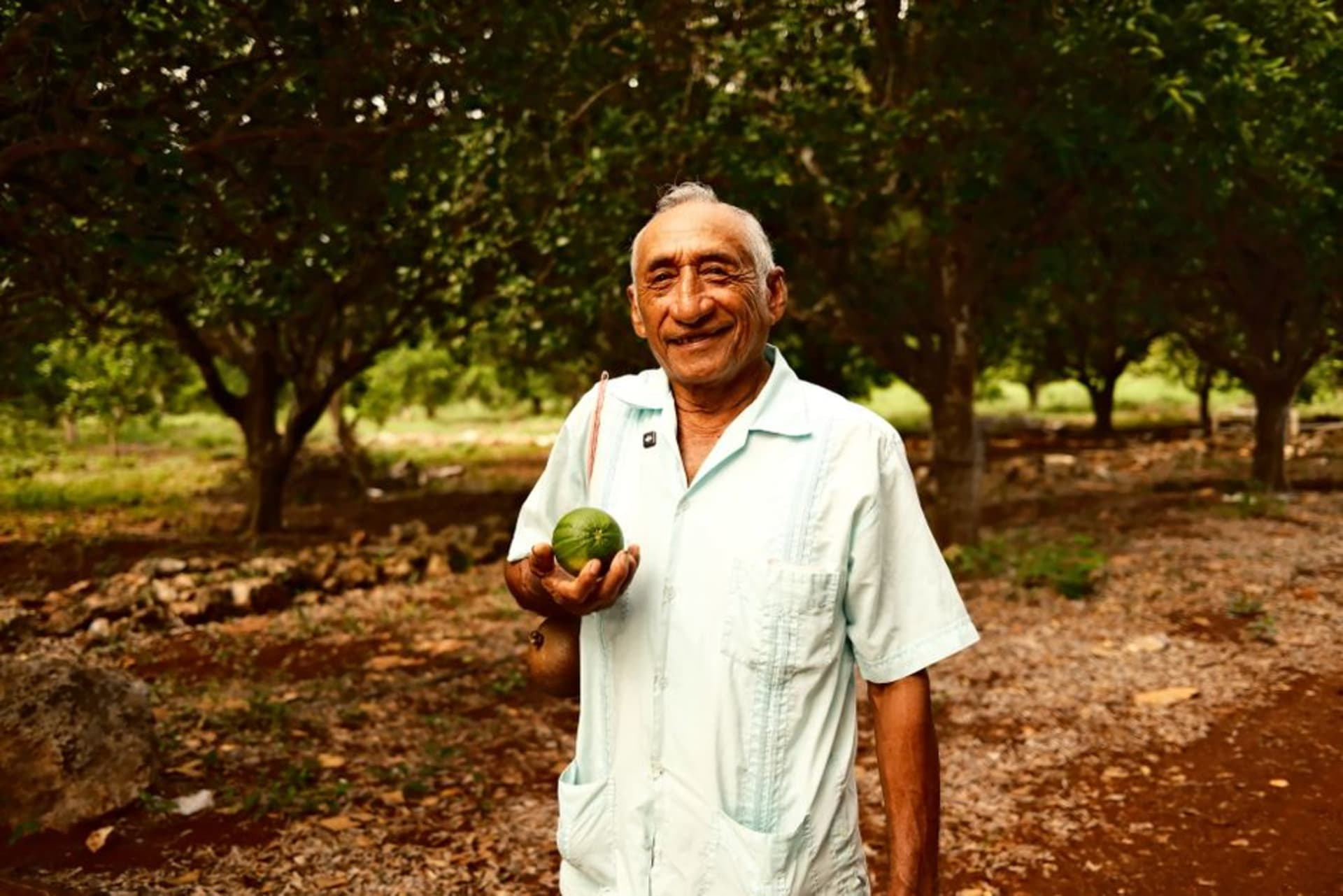
I drove into Tecomán at six in the morning with the windows down, and the smell hit me somewhere around kilometer 14 on the road from Colima city — not the sharp citrus note you know from kitchens, but something rounder and softer, the blossom rather than the fruit, filling the air the way jasmine does at dusk in certain parts of Oaxaca. There was no sign announcing it. The fields simply began on either side of the road, row after row of lime trees in the flat morning light, and I understood immediately why nobody had told me to stop here. Nobody needed to.
The Lime Capital the World Forgot to Visit
Mexico produces somewhere between sixty and seventy percent of the world’s limes — Persian limes mostly, the ones that end up in gin and tonics in London and supermarket produce sections in Ohio — and a disproportionate share of that harvest comes from the Tecomán valley. The town itself is functional and unbeautiful in the way agricultural centers tend to be: a grid of low buildings, a central plaza that sees more foot traffic from workers than from anyone else, a hardware store that opens at six in the morning. What makes it worth the drive is precisely this absence of performance. Nobody here is selling you a lime experience. They’re selling limes.
During blossom season — typically February through April, though it shifts with the rains — the air in the fields is genuinely extraordinary. I pulled over twice on the road south of town just to stand in it. The fragrance is nothing like lime juice and nothing like lime zest; it’s the smell of a living plant doing what living plants do, complex and fleeting in the way that the most interesting scents always are. By noon it had been cooked off by the Colima heat. Dawn is the only time that matters.
Wednesday at the Mercado
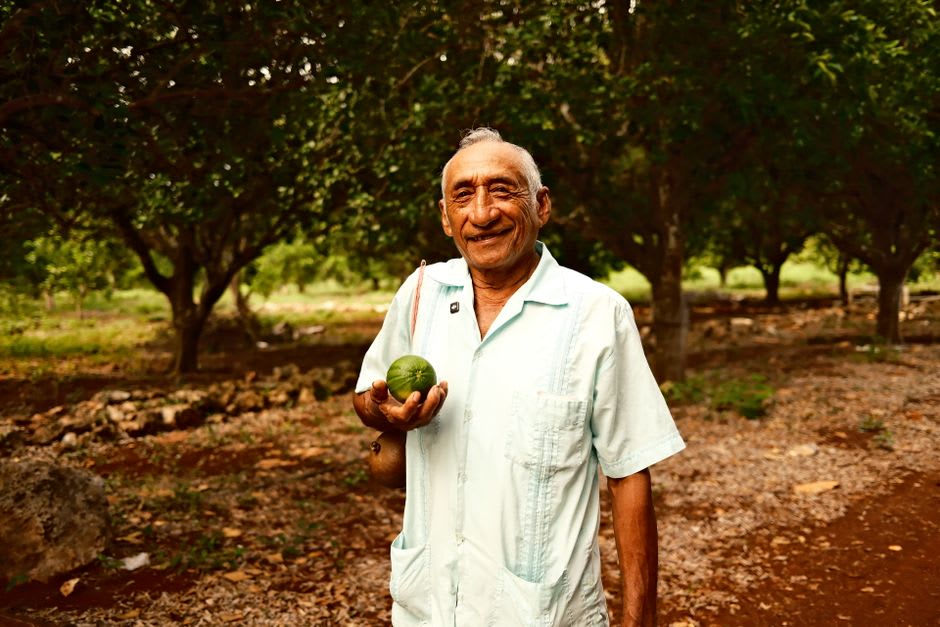
The Wednesday tianguis near the central market is where Tecomán becomes legible as a place. Farmers drive in from the surrounding ejidos with crates stacked in truck beds, and the bargaining happens in a Spanish that still carries Nahuatl cadence in certain words — the names of plants, measurements, the particular term they use for the overripe limes sold off cheap for juice. I bought a kilo for twelve pesos and didn’t know what I’d do with them.
What I did was find a pozolería on Calle Zaragoza that opens at eight for the market crowd and order a bowl of pozole blanco finished — as it should be — with a fresh lime squeezed tableside. The woman running it brought a second lime without being asked. The difference between that lime and what you’d get in Mexico City is not subtle. It’s the difference between a photograph and the place it was taken.
What to Do with the Rest of the Day
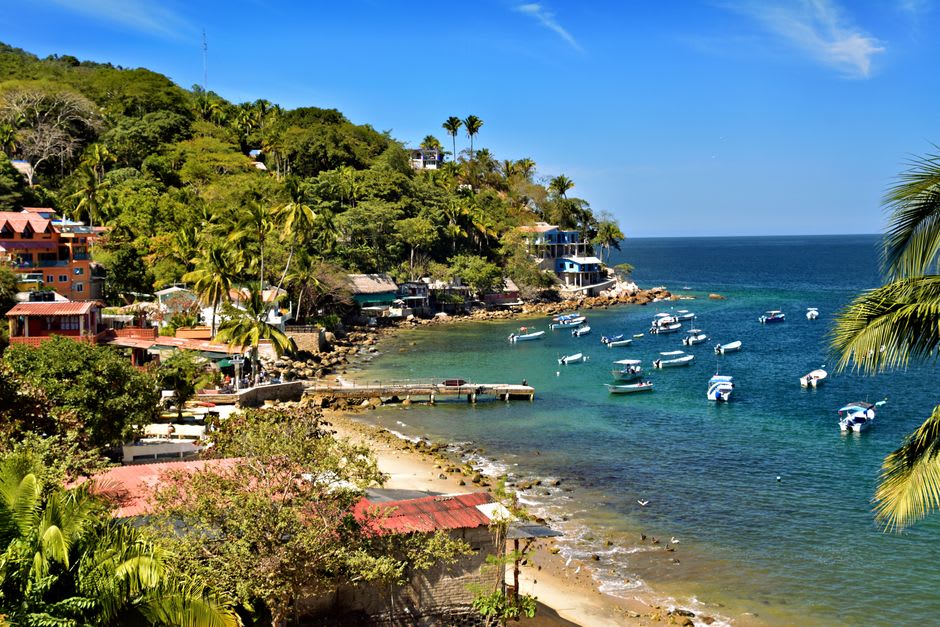
Tecomán doesn’t have a cathedral worth lingering in or a museum that changes your understanding of anything. What it has is the coast, twenty minutes south at Boca de Pascuales — one of the heaviest beach breaks in Mexico, not a place to swim but worth seeing if big surf means anything to you — and the smaller agricultural roads running west through coconut plantations toward Manzanillo. I drove one of them in the late afternoon and stopped when I found a tienda selling cold Pacíficos and a view of nothing in particular, which was exactly what I needed. If you have a morning, spend it at the market. If you have two, drive south and then west along the coast road.
Getting There
Tecomán sits about 80 kilometers southwest of Colima city — roughly an hour by car on Federal Highway 110. Direct buses run from Colima’s central terminal several times daily. Blossom season, February through April, is worth timing if you can manage it. The Wednesday tianguis runs from early morning until midday; arrive before ten if you want to see it at full volume.