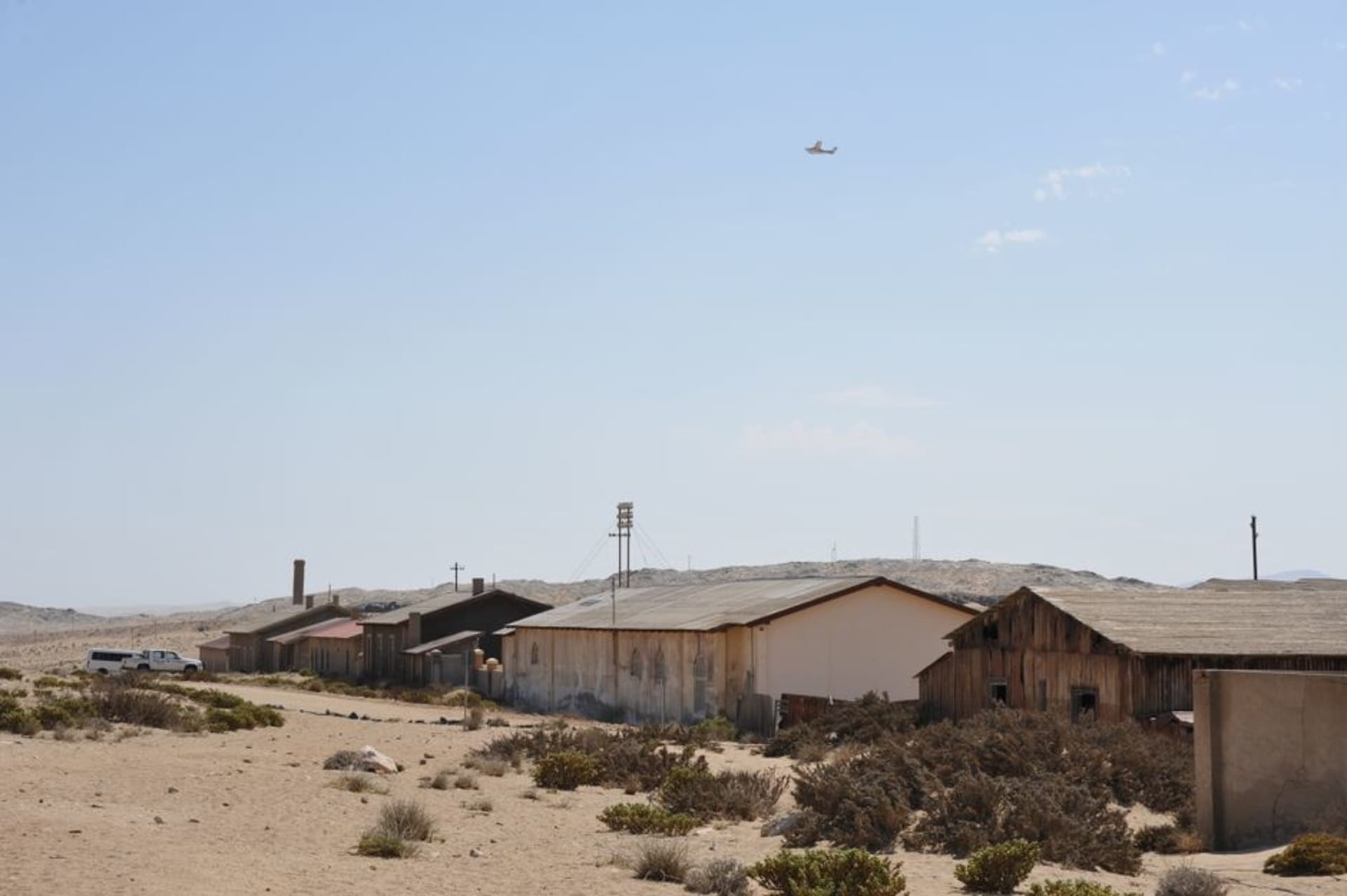
Sierra Mojada
"Ghost towns in Mexico are either sad or beautiful; Sierra Mojada managed to be both, with the desert keeping its own record of everything that happened here."
I took a shared taxi from Torreón that dropped me at the edge of Sierra Mojada with the particular finality of someone who has no intention of waiting. It was just past noon, the sun doing its Coahuila thing at 2,000 metres — bright enough to wash out colour, not quite warm enough to forgive the wind. The town revealed itself slowly: a church facade the colour of old bone, a row of stone commercial buildings that looked built for permanence and then abandoned mid-thought, the faintest smell of dust and mineral rust that I later learned is just what the air smells like here, always.
The Architecture of Abandonment
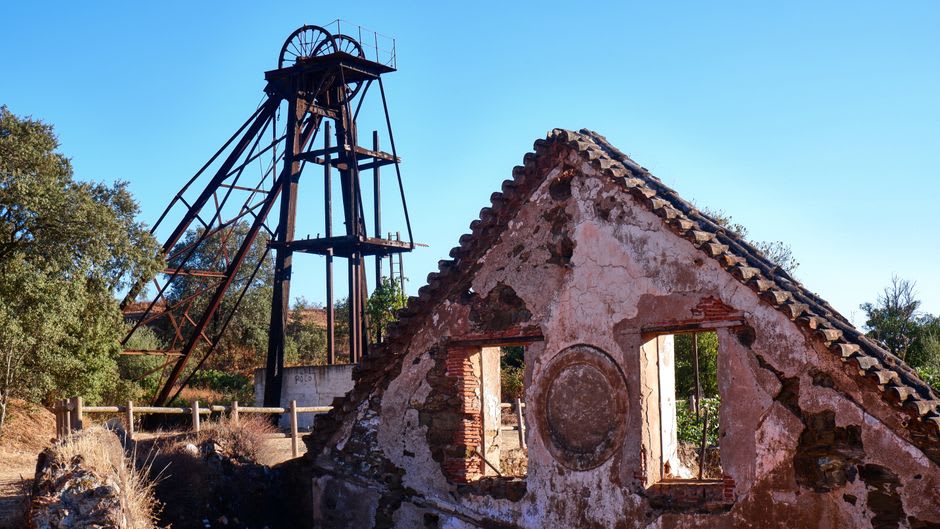
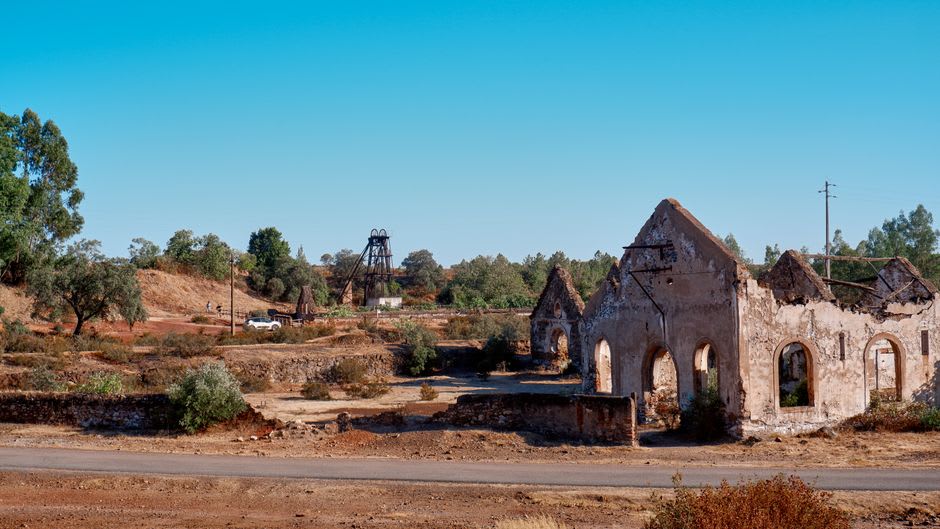
Mining towns in Mexico tend toward one of two outcomes: resuscitation as a Pueblo Mágico or slow collapse into atmospheric ruin. Sierra Mojada occupies a middle state that I found more honest than either. Silver, lead, and zinc came out of these mountains from the 1870s onward, and the town that grew around that extraction built in stone, with ambition — the Parroquia de Santa Rosa de Lima still holds Sunday Mass, the old casino has kept its facade if not its function, and the central plaza feels designed rather than improvised. What is missing is the noise. The commercial buildings along Calle Hidalgo have their original ironwork and their shuttered windows, and if you walk them in early morning you spend time trying to calculate what year feels most accurate. The mines shut down in stages through the 20th century as prices dropped and veins narrowed, which is why the town looks unfinished rather than destroyed. That distinction matters when you are standing in it.
Las Grutas de Cristal
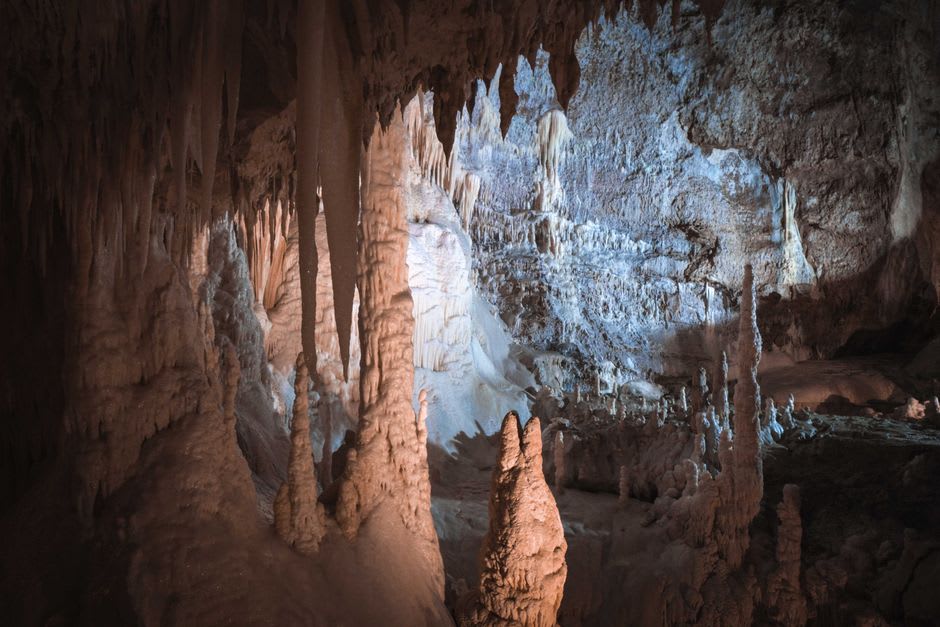
I was not expecting the caves to do what they did. I had seen photographs of selenite formations before — the kind that circulate in travel contexts alongside words I am not going to use — and I had adjusted my expectations downward accordingly. Then I was inside the Grutas de Cristal, roughly eight kilometres out of town toward the sierra, standing in a chamber where columns of translucent selenite grew at angles that had nothing to do with gravity as I understand it. Some of the formations reach two metres, pale as old teeth, completely still. The guide, a local man named Ernesto who had a flashlight and very few words, let me take my time. Weekend tours leave from the plaza; for a weekday visit, the palacio municipal can arrange a guide if you arrive before ten in the morning and are patient about it.
Where the Town Still Runs
The restaurant situation in Sierra Mojada is modest in the way that a nine-hundred-person town at altitude tends to be modest. I ate most of my meals at a comedor on Calle Morelos whose name I never caught but whose pozole rojo was straightforward and sufficient. The Hotel San Francisco on the plaza has rooms, hot water, and a proprietor who will recommend the caves without being asked — I arrived without a reservation on a Tuesday and had no problem. The Saturday market near the church brings vendors from surrounding ranchos with dried chiles, quelites, and occasional fresh cheese worth acquiring before it runs out. Late afternoon light on the stone facades turns everything briefly the colour of good wood, which is when Sierra Mojada looks least like a warning and most like a place someone was glad they stayed in.
Getting There
From Torreón, shared taxis and occasional direct buses run toward Cuatro Ciénegas; from there, arrange a connection to Sierra Mojada — roughly two and a half hours total depending on timing. The road climbs from the desert floor to 2,000 metres and is paved throughout. There is no formal bus terminal in Sierra Mojada; ask at the plaza for onward transport, and do not count on anything departing after four in the afternoon.