Coahuila
"The pozas of Cuatro Ciénegas contain organisms that evolved in isolation for 10,000 years. NASA studies them as analogs for life on Mars. The water is the clearest blue I have ever seen in a desert."
Coahuila is Mexico’s third-largest state by area and one of the least visited — an enormous territory of Chihuahuan Desert, mountain ranges, cotton valleys, and one of the world’s most scientifically significant desert oases. The state borders Texas along 500 kilometers of the Rio Grande; Piedras Negras sits opposite Eagle Pass, and Ciudad Acuña opposite Del Rio.
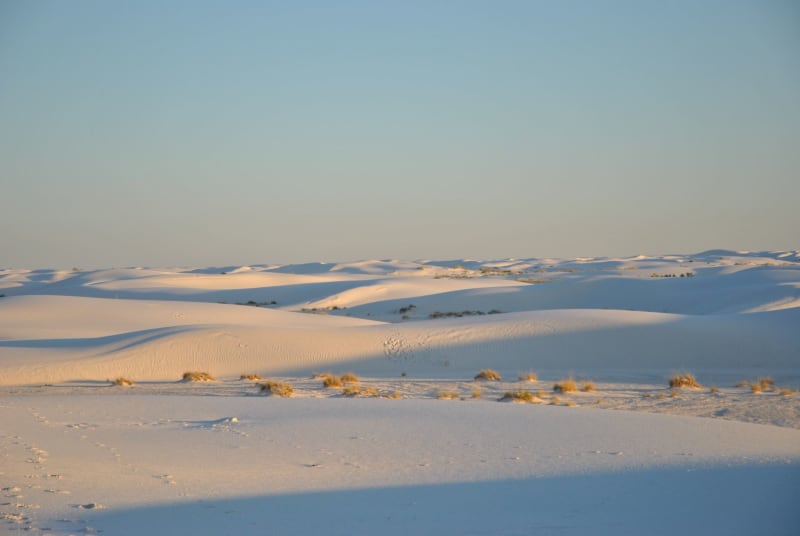
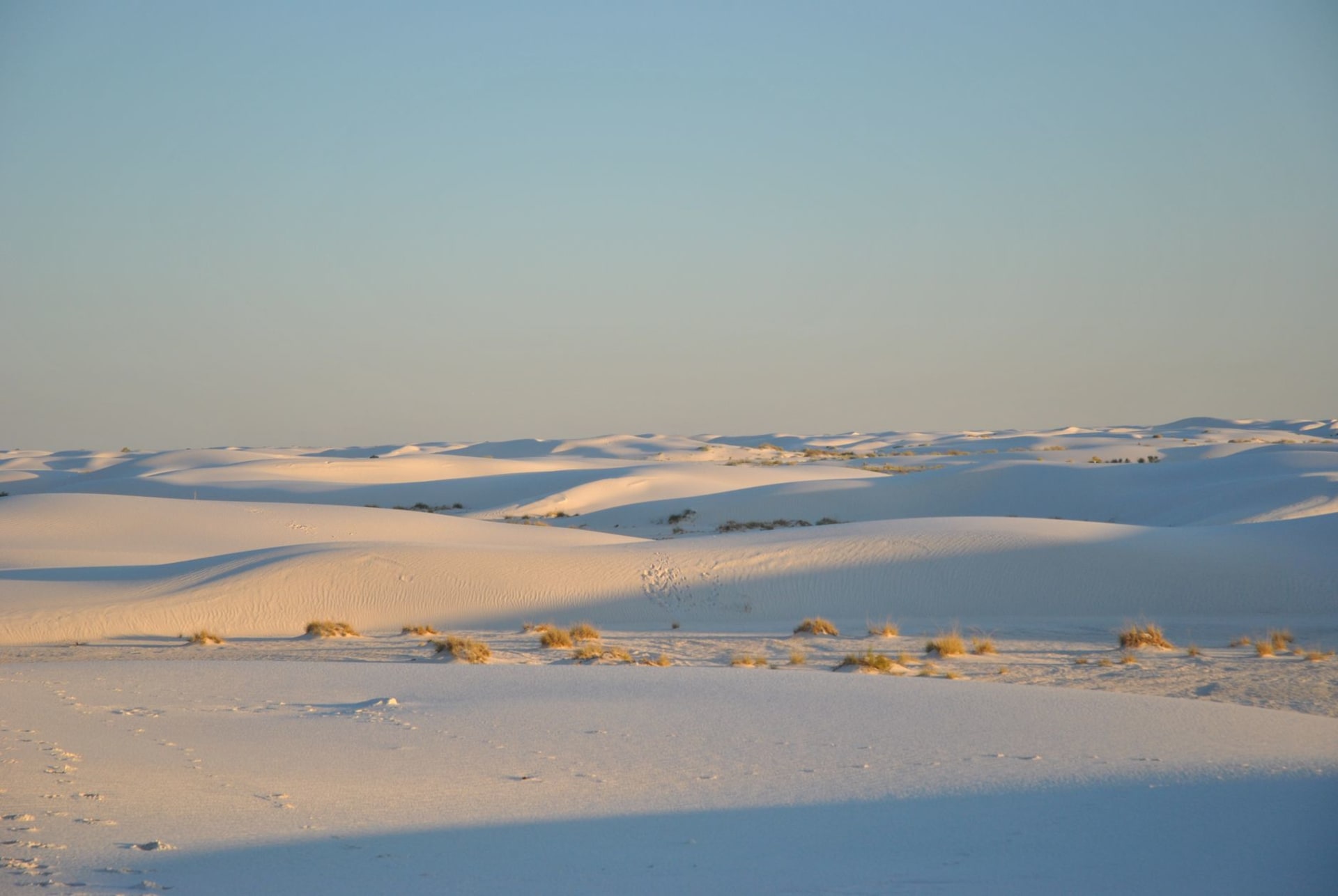
Cuatro Ciénegas (covered separately) — the desert valley in the Sierra de la Paila about 110 kilometers from the city of Saltillo — is an ecological anomaly: a series of 300 pozas (springs, pools, and small rivers) fed by an underground aquifer in the middle of the Chihuahuan Desert, each pool isolated from the others long enough to develop distinct microbial communities. The stromatolites that grow in the pozas’ hypersaline water are living descendants of the dominant life form on Earth for the first 2.5 billion years of the planet’s history; they are rare enough today that NASA studies the Cuatro Ciénegas ecosystem as an analog for early Earth conditions and for environments that might support life on other planets. The water in the pozas ranges from clear turquoise to white (gypsum-clouded) to green (algae-dominated), set against white gypsum dunes.
Saltillo, the capital, is a highland colonial city (1,600 meters altitude, cool and dry) with a strong craft tradition — the Saltillo sarape (the distinctive striped wool blanket) is one of the most recognizable Mexican textile products internationally. The state produces Cabernet Sauvignon and Malbec in the Parras de la Fuente valley — the oldest wine-producing region in the Americas, where wine has been made continuously since 1597.
The Sierra del Carmen range in the northwest is an extension of the Big Bend ecosystem (continuous with Big Bend National Park across the border) and contains one of the best-preserved desert mountain habitats in North America: black bears, golden eagles, mountain lions, and peregrine falcons.