Chinkultic
"At Chinkultic you climb the pyramid and the highlands stretch below you and the silence is so complete it seems deliberate."
A Maya archaeological site set among the pine forests and lagoons of the Chiapas highlands, Chinkultic is so lightly visited that the silence from the summit pyramid feels almost conspiratorial. Still partly unexcavated, it pairs naturally with the Lagunas de Montebello a few kilometers away.

The first time I went to Chinkultic I had not planned to go at all. I was on my way to Lagunas de Montebello and stopped because the sign appeared and I thought: twenty minutes, maybe. That was wrong. I spent two hours there alone — genuinely alone, no other visitors, just a caretaker who waved from somewhere behind a ceiba tree — and left with the particular feeling of having been somewhere that has not quite been discovered yet, or rather somewhere that has been discovered and then quietly forgotten, which in Mexico is its own category of place.
The View from El Mirador
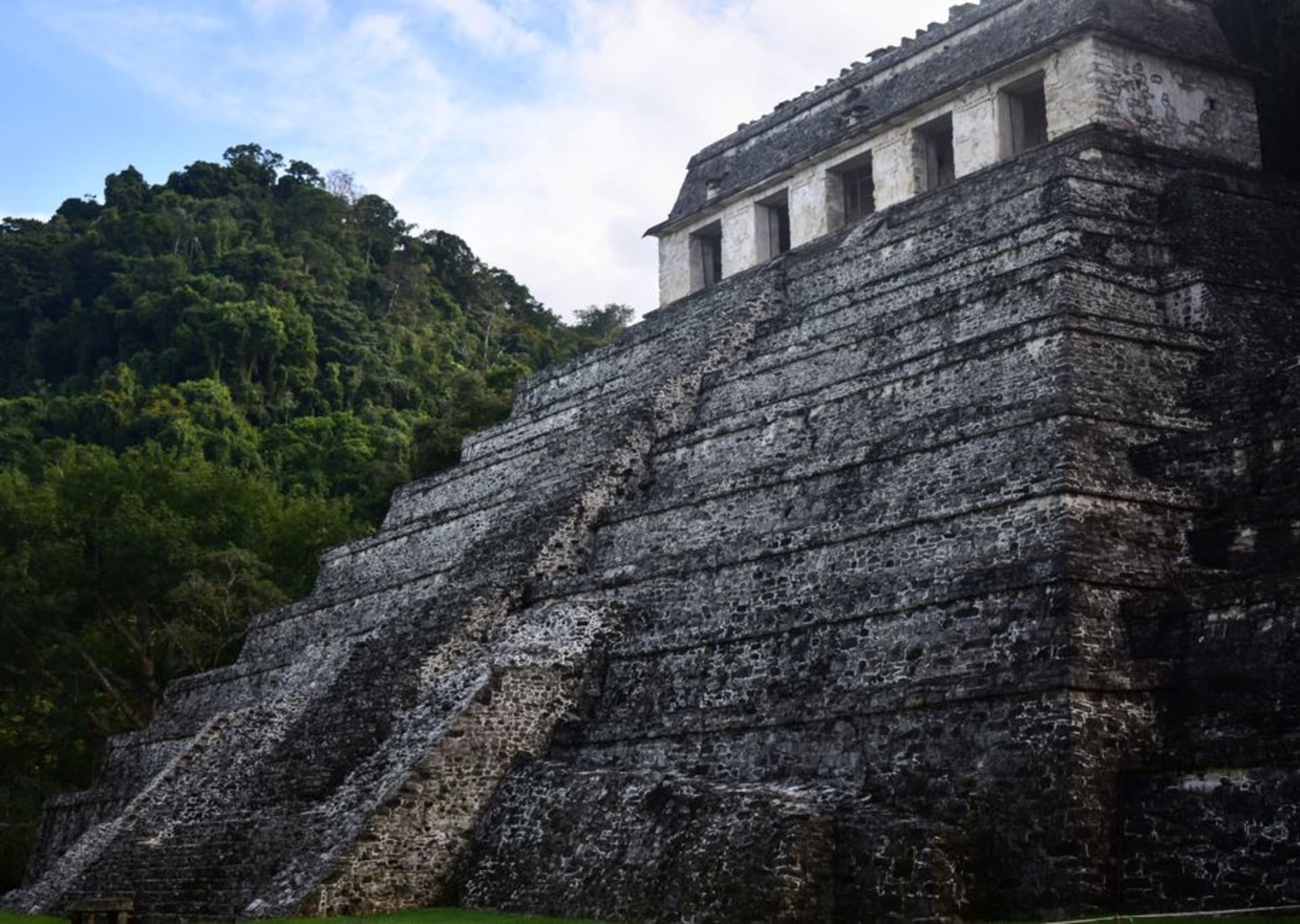
The main structure at Chinkultic carries the name El Mirador — the lookout — and earns it without irony. You climb a set of stone steps through vegetation that is still actively reclaiming the masonry, and at the top, suddenly, the whole Chiapas highlands open below you. Laguna Tepancuapan sits directly beneath the promontory, its blue-green surface ringed by pine. Beyond it, more lagoons, and beyond those, ridgelines folding toward the Guatemalan border. The Maya who built here during the Late Classic period chose this position with obvious intention — defensive, yes, but also something more theatrical. Standing on that summit at nine in the morning with no one else around, the wind loud enough to cancel any ambient sound, I understood the choice immediately. There are grander sites in Chiapas — Palenque is magnificent, Yaxchilán requires a boat — but few with a view this unobstructed or this quiet.

Still Being Reclaimed
What distinguishes Chinkultic from the more visited Maya sites is the degree to which the jungle has not yet been pushed back. Across the grounds, mounds of various sizes rise through the grass and forest — some labeled, most not — and several stelae stand in partial shade, their carvings still readable in low morning light but softened by decades of highland moisture. The site was excavated in the 1970s and the work was never completed, and it shows in the best possible way: you are not walking through a museum reconstruction but through a place in transition, suspended between burial and display. I spent a long time with one stela near the ball court, trying to read what had been carved into it, understanding nothing and not minding at all.

Making a Day of It
Chinkultic works best as the first stop of a highland day, visited early — the gate opens at eight — before driving the few kilometers to Lagunas de Montebello. The two sites together form a natural itinerary: the archaeology in the morning, the lagoons in the afternoon when the light hits the water at the angle that justifies the photographs. In the nearby town of La Trinitaria you can eat a bowl of sopa de pan at one of the comedores on the main square, a Chiapas specialty that is essentially a bread pudding made savory with tomato broth and hard-boiled egg, costs almost nothing, and is exactly what you want after a morning of climbing stone in thin highland air.

Getting There
From San Cristóbal de las Casas the drive takes roughly two hours on the road toward Comitán and then south toward the border. Combis run from Comitán to La Trinitaria; from there a taxi or mototaxi covers the last few kilometers to the site entrance. Entry is a small federal fee. Arrive early, before the light flattens and on the chance that someone else shows up.
Keep exploring
More of Chiapas
Keep exploring
More from Chiapas
 mexico
 Lagos de Montebello
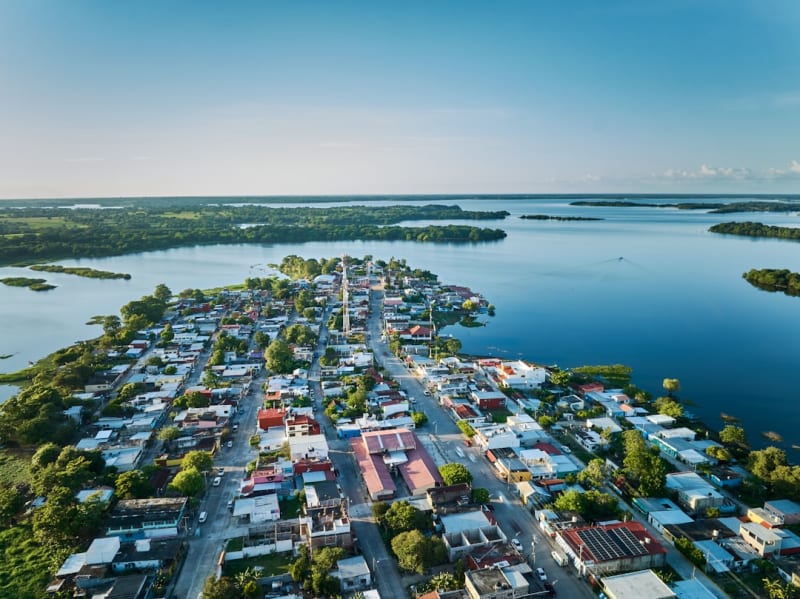
Fifty-nine lakes on the Chiapas-Guatemala border, each a different color — emerald, cobalt, turquoise, mint, mauve — the result of different mineral concentrations, different depths, different forest cover, and different angles of light.
Explore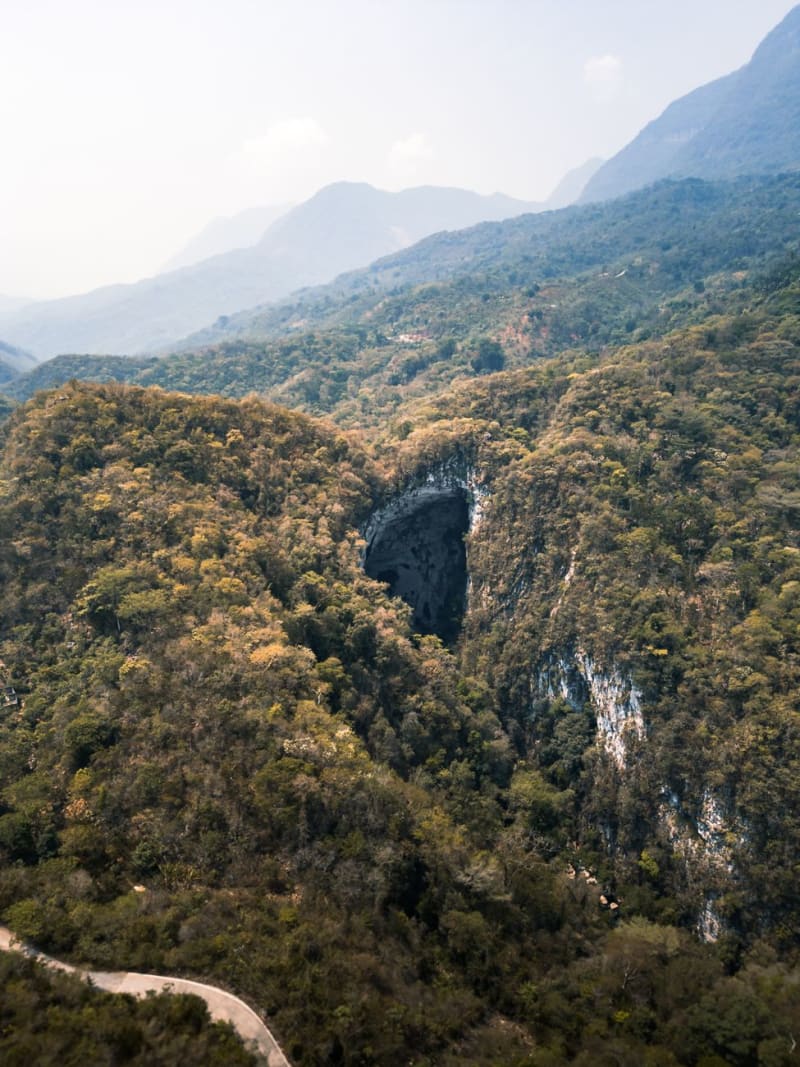 mexico
 Tenam Puente
Tenam Puente is a Maya archaeological site perched on a forested hilltop above the Comitán valley, with a ball court, royal palace platforms, and pyramid mounds you can still climb freely. Almost no one comes here, which means you get the kind of unhurried, unmediated contact with a pre-Columbian city that has become nearly impossible elsewhere in Mexico.
Explore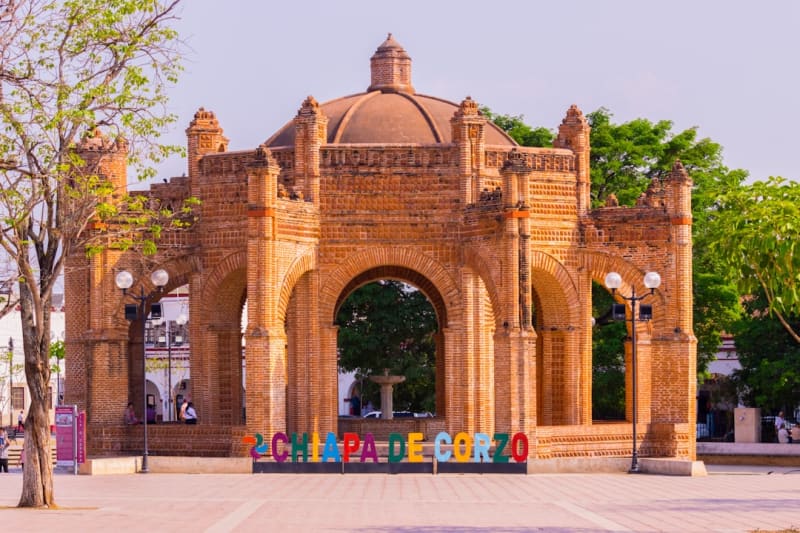 mexico
 Comitán de Domínguez
A Chiapas colonial city at 1,635 meters on the plateau above the Guatemalan border, the closest major town to the Lagos de Montebello lakes, the place where Mexico's independence from Spain was declared for the first time — four days before the rest of the country.
Explore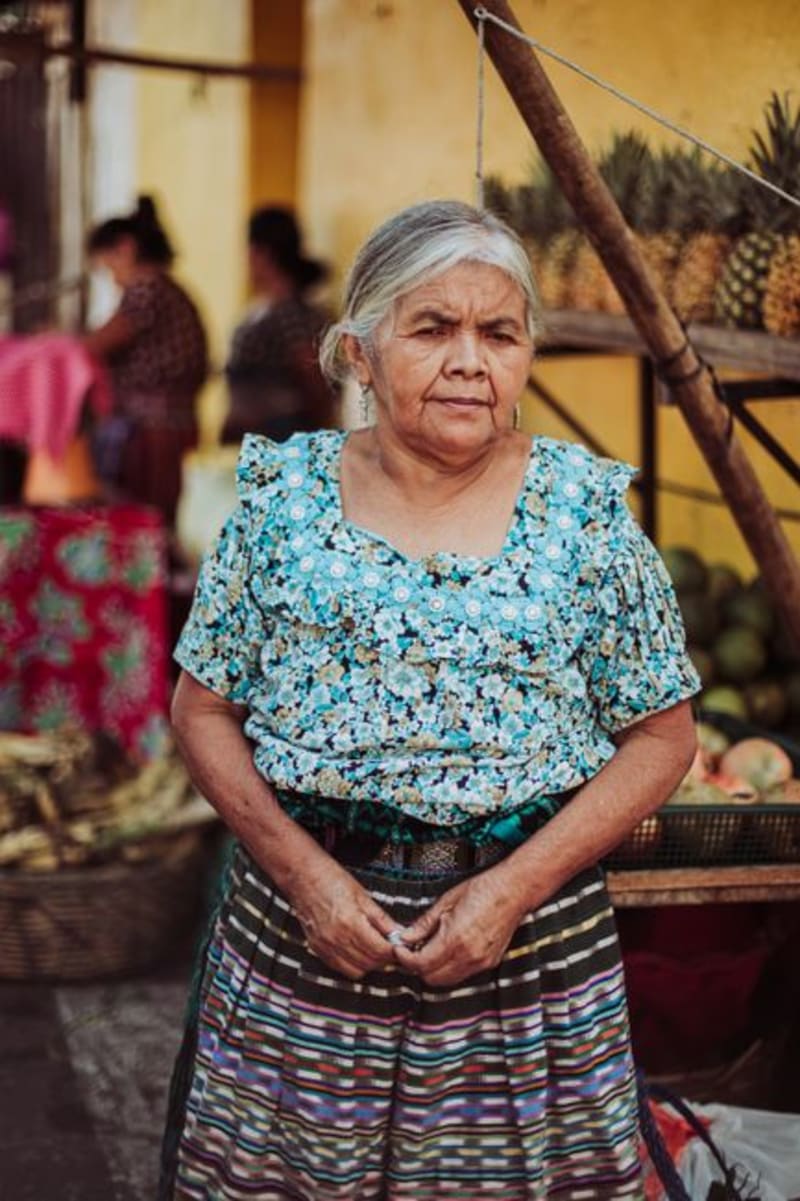 mexico
 Frontera Comalapa
A Mam Maya border town in the western highlands of Chiapas where the market shifts between Mexican and Guatemalan goods depending on the exchange rate. The surrounding canyons and rivers remain almost entirely unknown to travelers, despite scenery that stops you mid-sentence.
Explore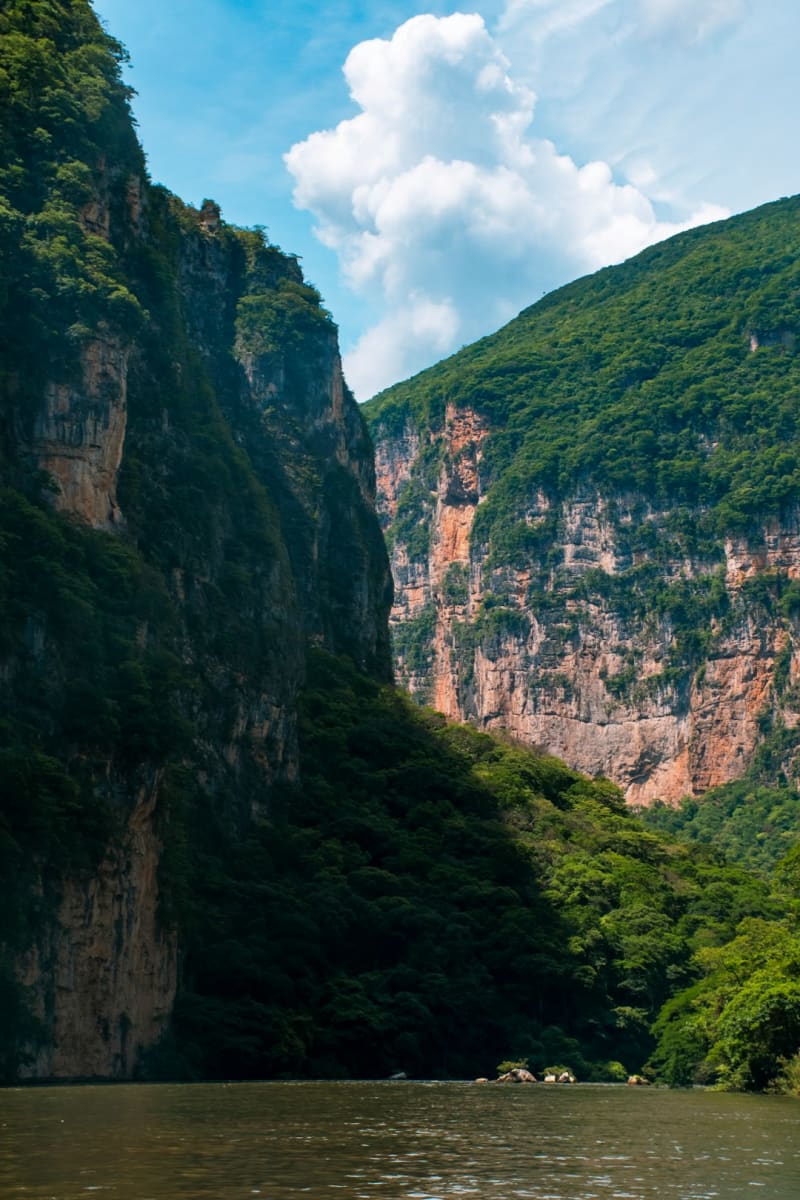 mexico
 Laguna Miramar
Laguna Miramar sits at the edge of the Selva Lacandona, reachable only by a two-day jungle hike or a long river passage through primary forest. Sixteen square kilometers of water so clear it looks engineered, surrounded by trees that have never been cut, tended by a Lacandón community that has quietly kept the place intact for a thousand years.
Explore mexico
 Amatenango del Valle
A Tzeltal village on the Pan-American Highway where women have been hand-building pottery without wheels or kilns for centuries. The ceramic animals and water vessels sold along the roadside are made directly in wood fires, and buying one from the hands that shaped it is one of the more honest transactions you can make in Chiapas.
Explore