Campeche
"The city was walled against pirates. The walls still stand. Walk them at sunset — the Gulf is flat and gold and the city is all yours."
Campeche is Mexico’s best-kept secret and the Yucatán peninsula’s most rewarding city, with the possible exception of Mérida. It has everything Mérida has — colonial architecture, excellent food, genuine local life — minus the crowds and the prices that Mérida’s growing profile has generated. The reason people skip it is that it requires a slight detour from the standard Cancún-Mérida circuit. This detour is worth making.
The city sits on the Gulf of Mexico coast of the Yucatán peninsula and was one of the most important ports in New Spain from the 16th through 18th centuries — the gateway through which Mayan artifacts, silver from the interior, and logwood dye left for Spain. The wealth this generated built the colonial center and, more relevantly, financed the defensive walls that were built between 1686 and 1704 to keep the pirates out.
The pirates had been looting the city repeatedly since the 1560s, and the defensive investment was substantial: eight hexagonal bastions connected by 2.5 kilometers of thick stone walls encircling the entire historic center. The walls, almost completely intact, are what distinguish Campeche from every other colonial city in Mexico. UNESCO listed it in 1999.
The Walls and the Bastions
The Puerta de Tierra (Land Gate) and Puerta del Mar (Sea Gate) are the main entrances through the walls, both preserved in their original form. The bastions — Soledad, San Pedro, Santiago, San Juan, San Francisco, San Sebastián, Santa Rosa, and San Carlos — each contain a small museum or exhibition space; several are free. Baluarte San Carlos houses a small model of the city’s pirate-defense history and has a rooftop from which the Gulf is visible.
Walk the full circuit of the walls at sunset. The walk takes about forty minutes at a slow pace along the top of the defensive structure. In the last hour of light, the Gulf turns from blue to silver to gold, the pastel buildings inside the walls switch on their colonial-era streetlamps, and the whole city looks briefly like a set built for a film about the 18th century — except it is entirely real and you are the only person on the ramparts.
The Streets
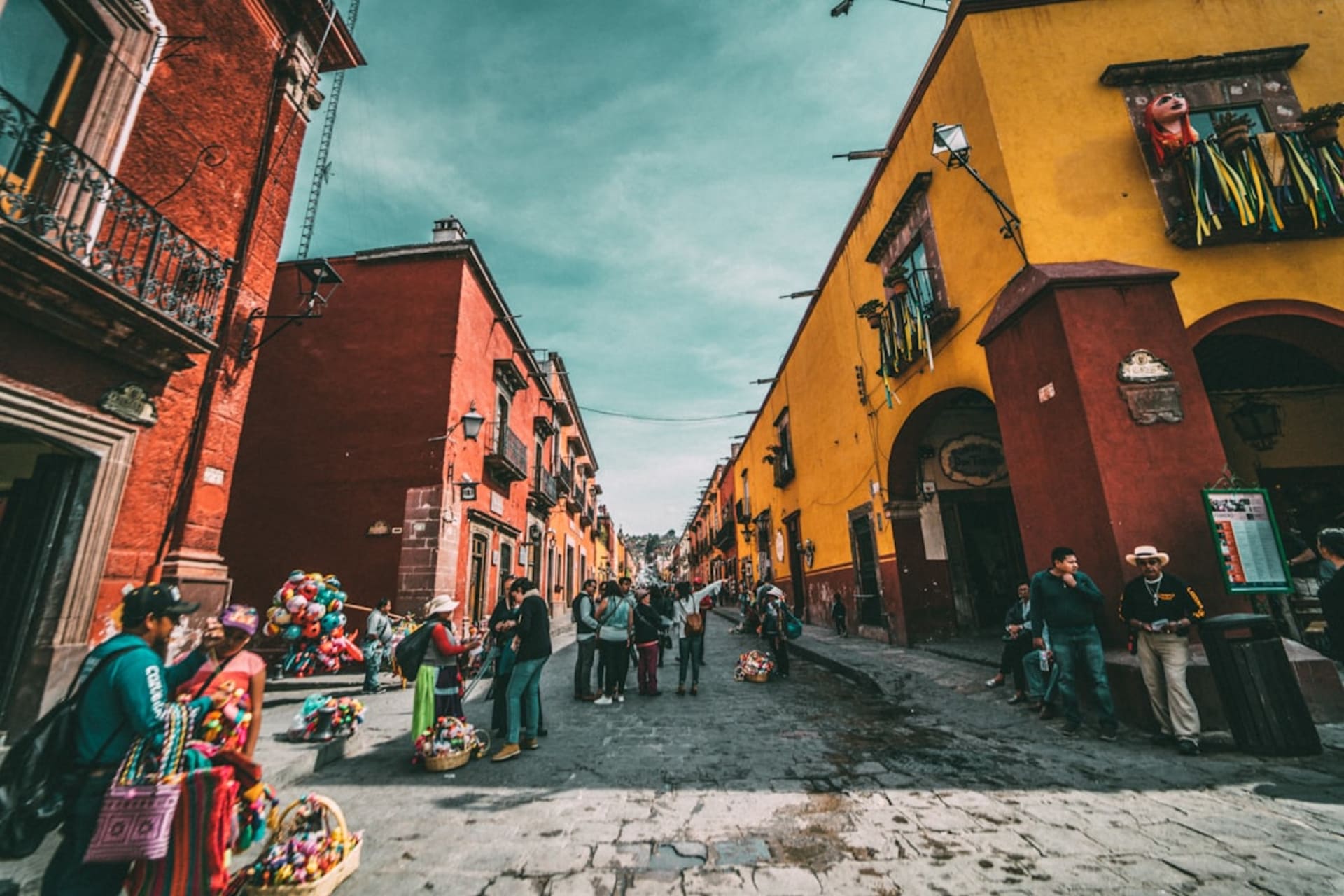
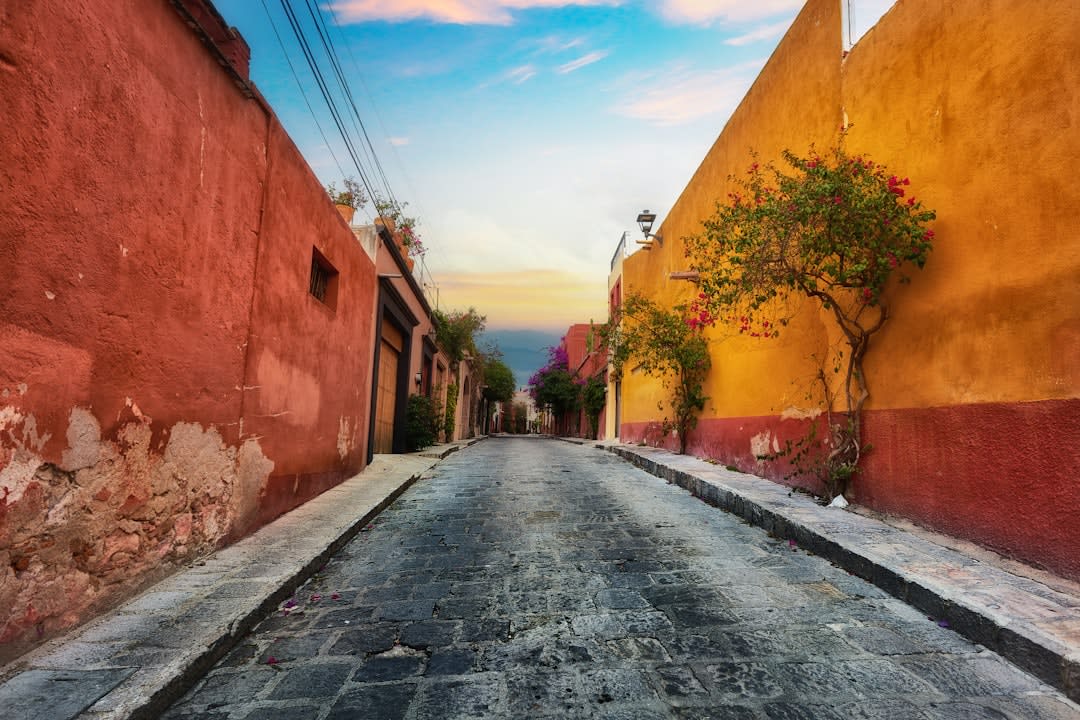
The streets of Campeche’s walled city were painted in 1990s in a palette of pastels — blue, yellow, ochre, terracotta, green — that has become the city’s photographic signature. The effect is somewhat theatrical, but the underlying architecture — 18th-century colonial buildings with deep portales, ornate doorways, interior courtyard gardens — justifies the presentation.
The Calle 59 and Calle 57 are the most photographed; the streets running east-west between Calles 10 and 16 have a more domestic character and are worth walking in the morning, when residents are on their doorsteps and the fruit vendors work the block.
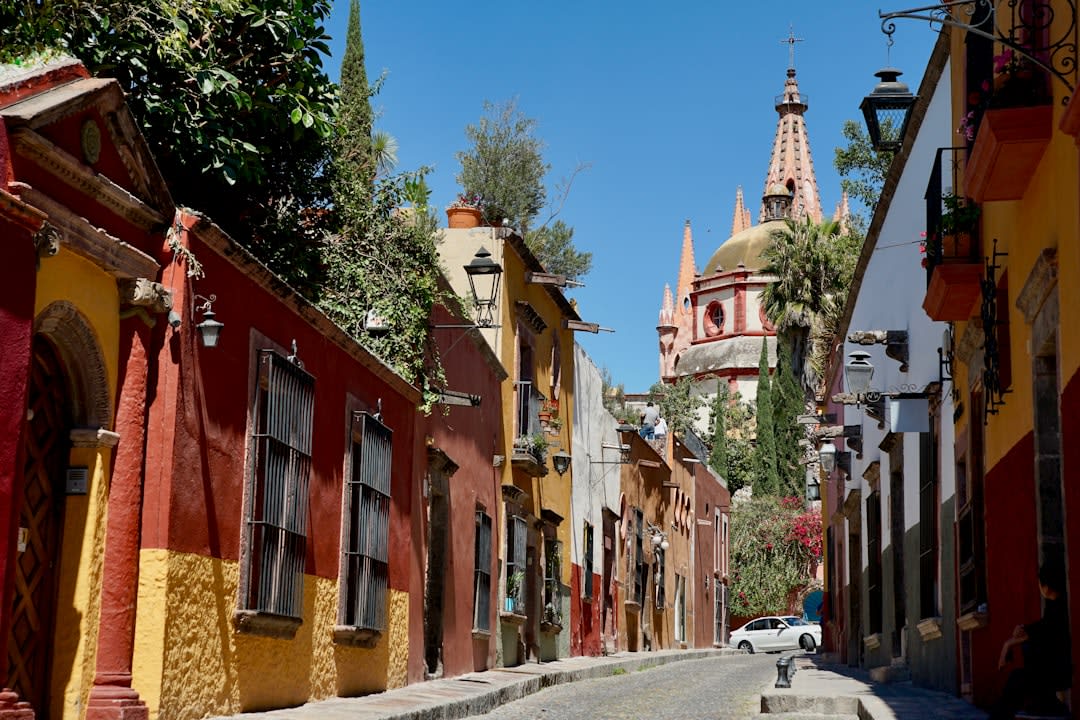
The Plaza Principal (also called Plaza de la Independencia) is the center of civic life: a long rectangular square with a cathedral on one side, the municipal palace on another, and the covered walkway of the Portales on the remaining sides where restaurants and cafés have operated for decades.
The Mayan Artifacts
The Museo Arqueológico de Campeche in the Fuerte de San Miguel — a star-shaped fortress on a hill south of the city, reached by taxi or bicycle — contains one of the most important collections of Mayan funerary artifacts in existence. The jade burial masks, the ornate funerary vessels, the painted ceramics from the sites of Calakmul, Edzná, and the surrounding region: this is where they are kept, largely unvisited by international tourism.
The jade masks in particular — green-stone mosaics assembled to cover the faces of Mayan rulers in death — are among the finest pre-Columbian artifacts in any museum anywhere. The largest comes from the tomb of a Calakmul ruler and contains over two hundred individual jade pieces. It is displayed under glass in a dark room, lit from within, and it is extraordinary.
Calakmul — four hours south in the jungle, near the Guatemala border — is one of the great Classic Maya cities, larger than Tikal, with two thousand recorded structures and pyramids that emerge from the forest canopy. A day trip from Campeche involves an early start and a long drive through the Campeche biosphere reserve, which is one of the largest tropical forests in North America. Go if you have the day.
What to Eat
Campeche’s food is distinct from the rest of the Yucatán: more seafood, different spices, the Gulf coast influence visible throughout.
Pan de cazón — a layered dish of baby shark (cazón), black beans, and tortillas in tomato sauce. The local specialty and the thing to order first.
Camarones al coco — coconut shrimp, made with Gulf shrimp that were in the water the previous day.
Chocolomo — a beef offal soup with chile and epazote, served as a hangover remedy on Sunday mornings in the market. Not for the cautious.
The Mercado Municipal de San Francisco on the north side of the walled city is the correct market: large, chaotic, inexpensive, and oriented entirely toward local residents.
Getting there: Buses from Mérida take two to two-and-a-half hours. Direct flights from Mexico City (1.5h). The ADO terminal is outside the walled center — a fifteen-minute walk or a five-minute taxi.
When to go: November through April. The Gulf coast is hot and humid from May through October and the July-September hurricane season, while rarely hitting Campeche directly, brings heavy rainfall. The city is never crowded by Mexican standards; there is no particular high season to avoid.