I had been told about Calvillo by the woman who ran the small hotel in Aguascalientes, who mentioned it the way you mention something obvious — of course you’ll go, it’s forty-five minutes, there’s nothing like it in the season. It was September, which turned out to be the right time. I took the local bus from the Aguascalientes terminal.
The road climbs out of the flat plateau into a series of low hills, and somewhere in the last twenty minutes before Calvillo the air changes. It’s difficult to describe this without sounding like a wine writer, but there is a sweetness to it — not cloying, more like the background note of something ripe — and then you start to see the orchards. Guava trees cover the hillsides in organized rows, their trunks low and spreading, and in September when the fruit is on the trees you can see the pale yellow-green globes from the road. Mexico is the world’s fourth-largest guava producer. A significant portion of that production comes from here.
The Town and the Candy
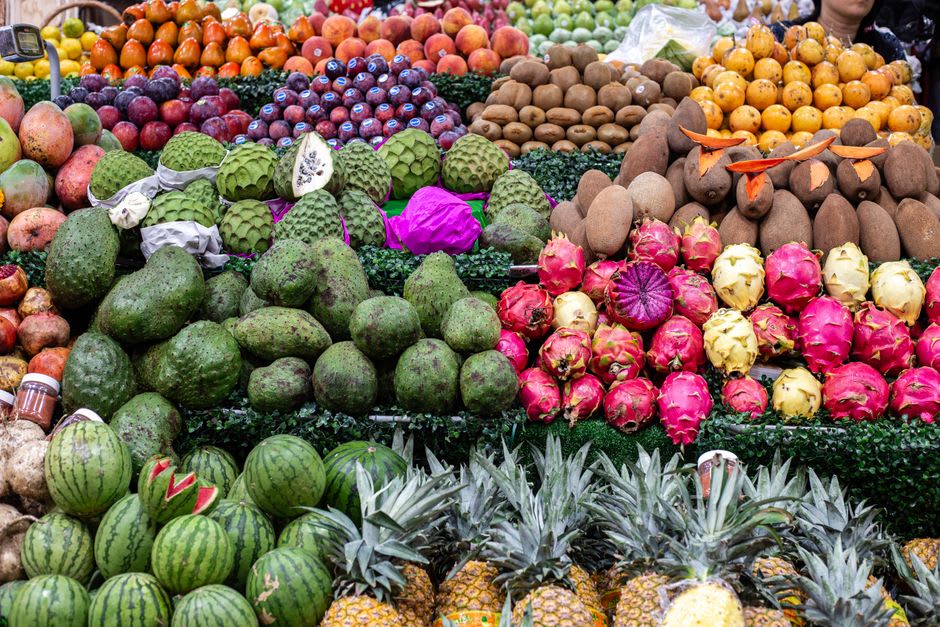
Calvillo’s plaza is small and unhurried in the way of Mexican pueblos that have no reason to hurry. There is a colonial church, a kiosk at the center of the square, some trees, some benches. I arrived on a Saturday and the market stalls near the plaza were doing good business from weekend visitors from Aguascalientes — families mostly, buying guava products to take back to the city.
The range of what you can do with a guava turns out to be substantial. Ate de guayaba is a thick, semi-firm paste made from cooked guava pulp — it has the dense, concentrated sweetness of a quince paste, which is the closest French equivalent I can find, though guava has a more floral note. You eat it in slices, sometimes with cheese in the same way you’d eat a French pâte de fruit with a soft cheese, though the Calvillo vendors seemed mildly puzzled when I asked about cheese pairings. There is also guava jam, guava in syrup, guava candy in individually wrapped pieces, and a kind of crystallized guava that you eat like dried fruit.
I bought a bag of the ate de guayaba in thin slices wrapped in cellophane, another bag of the candied guava, and a small jar of jam. I then bought a second bag of the candied guava because the first bag was already half gone by the time I reached the corner. A gordita vendor had set up a table with a plastic chair outside a hardware store near the market. I ate a gordita with bean and cheese at the plastic table while a radio played from somewhere inside the store, and the afternoon got slower and more pleasant around me.
The Springs Above Town
El Chorro is a series of natural springs in the hills above Calvillo, about two kilometers from the plaza along a road that passes through the upper orchards. The water comes out of the hillside clear and cool and feeds a series of pools that have been developed — only slightly, with concrete edges and a small palapa — into natural swimming holes. On the Saturday I was there, several families had claimed the main pool with elaborate cooler setups.
The walk up from town is worth it even without swimming. The road goes through the heart of the guava orchards, and in September you can see the harvesters working — the fruit is picked by hand and brought down the hill in crates. The scale of the operation is visible from the road in a way that reframes what you smell driving in: not atmosphere, industry.
I sat at the edge of the upper spring for half an hour without getting in. The water was colder than it looked. A child from one of the families fell in unexpectedly and came up outraged, and his parents laughed, and eventually he laughed too, and I ate another piece of guava candy and watched the light on the orchard.

Getting There and When to Come
Buses run regularly from Aguascalientes bus terminal to Calvillo; the journey takes forty to fifty minutes and the fare is inexpensive. The road is good. You can also hire a taxi from Aguascalientes for a half-day trip if you want to carry more guava products home.
Late August through October is when the guava harvest happens and the smell of the valley is at its most particular. The market is liveliest on weekends when day-trippers come from the city. In any month, the town itself is pleasant — the springs are cool and the plaza is peaceful — but coming outside the guava season misses the primary reason this place has the reputation it has.
Calvillo is best as a half-day side trip from Aguascalientes. There is at least one small guesthouse in town if you want to stay the night, but the valley is better experienced in an afternoon than interrogated over multiple days.