Aguascalientes
"The Feria de San Marcos has been running since 1828. It lasts 22 days. Three million people attend. La Catrina was born in this city."
Aguascalientes — the name means “hot waters,” for the thermal springs the Spanish found when they founded the city in 1575 — is Mexico’s smallest landlocked state capital, a fact that contributes to the slight surprise of discovering what it has: one of the most distinguished colonial downtowns in the Bajío region, the birthplace of José Guadalupe Posada (the engraver whose skeleton imagery became the basis for La Catrina and the visual language of the Mexican Day of the Dead), and a civic festival that by scale and duration puts Carnaval cities like Mazatlán to shame.
The city is compact, safe, and efficiently organized — it has been named repeatedly in Mexican studies as one of the most livable cities in the country — and receives a fraction of the visitors that its neighboring Bajío cities of Guanajuato and Querétaro attract.
The Feria de San Marcos
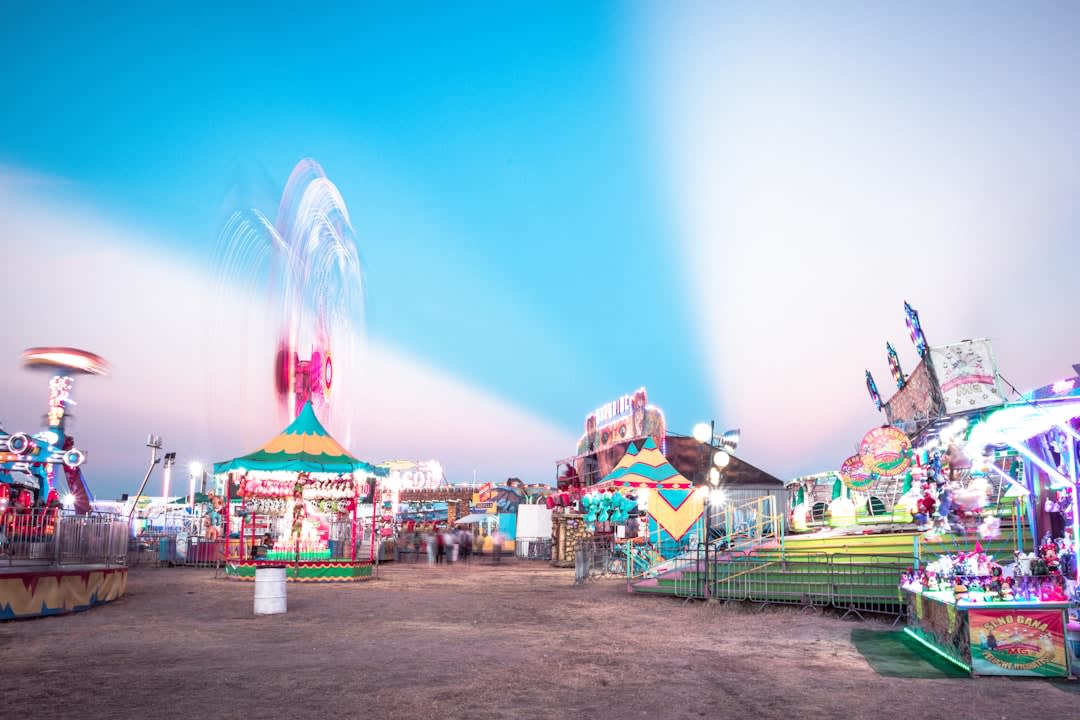
The Feria Nacional de San Marcos runs for 22 days each April (the exact dates shift annually around April 25, the feast of San Marcos), making it the longest and largest annual fair in Mexico and one of the largest in Latin America. Three million visitors attend over the course of the fair, which is the entire population of the state arriving multiple times plus the rest of Mexico.
The fair is organized around the Jardín de San Marcos and the adjacent exposition grounds. The main events: the bullfighting season (the fair hosts the most prestigious bullfighting program in Mexico, with the same status as the Madrid spring corridas in the Spanish bullfighting world), cockfighting in the old palenque (legal in Aguascalientes; the palenque at the fair is the largest cockfighting venue in Mexico), regional food vendors representing every state of Mexico, and the free outdoor concerts that run nightly on multiple stages.
The food pavilions during the fair are the best aggregation of Mexican regional cooking available in a single location in any given year: chiles en nogada from Puebla, birria from Jalisco, cochinita pibil from Yucatán, mole negro from Oaxaca, all prepared by vendors who have been coming to this fair for generations.
José Guadalupe Posada
The Museo José Guadalupe Posada in the historic center documents the work and life of the engraver who produced more than 20,000 prints for the Mexico City popular press between 1888 and 1913 — political cartoons, crime illustrations, Day of the Dead imagery, and the skeleton caricatures of Mexican society that became the basis for Diego Rivera’s La Catrina figure and, through Rivera, the global visual language of Día de los Muertos.
Posada was born in Aguascalientes in 1852 and developed his technique as an engraver’s apprentice in the city before moving to Mexico City in 1888 to work for the Antonio Vanegas Arroyo printing house. The museum contains his tools, original prints, and reproductions of the broadsheets his imagery illustrated — the visual culture of late Porfiriato Mexico at its most direct and most political.
The Cathedral and the Colonial Center
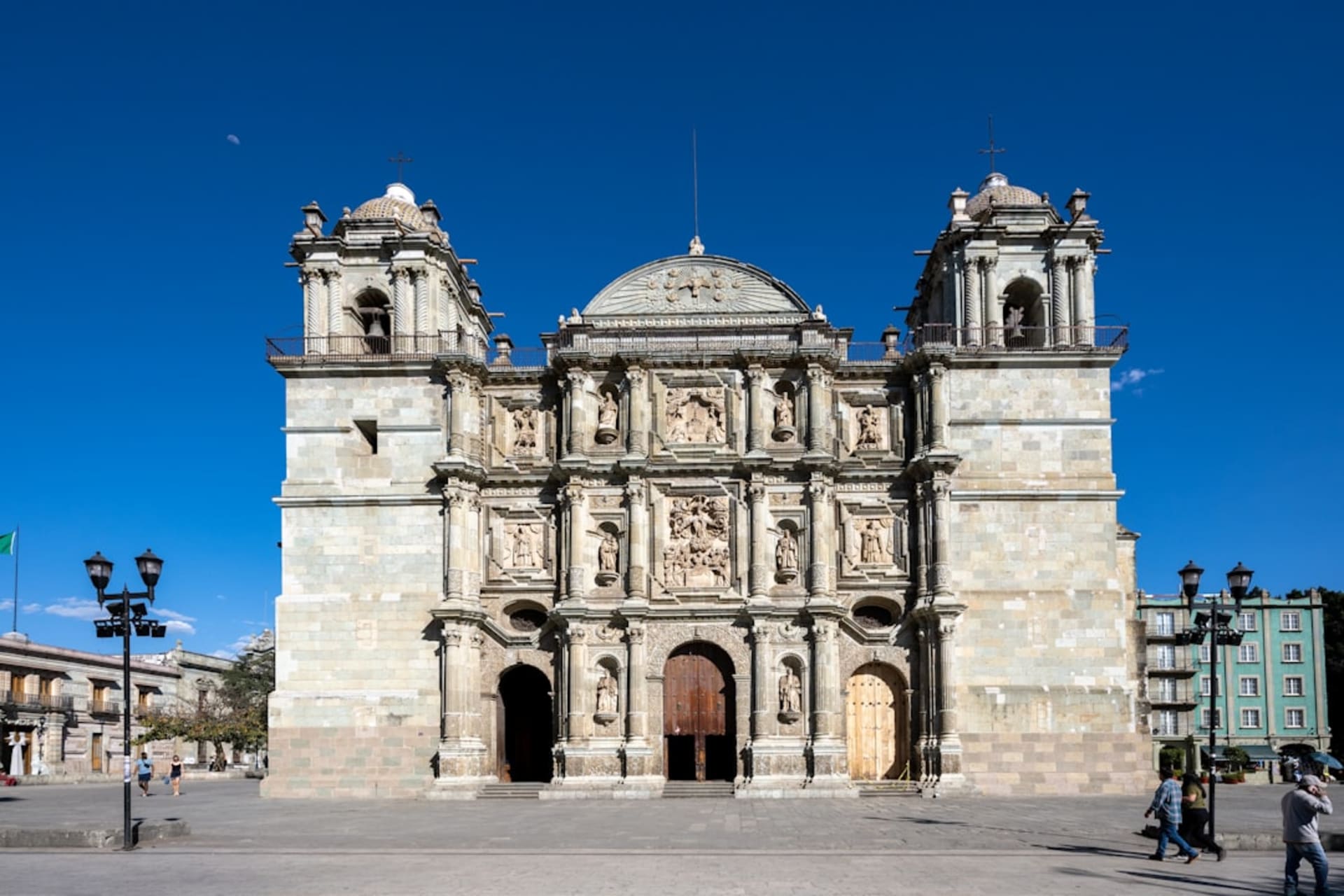
The Cathedral Basílica de Nuestra Señora de la Asunción — pink cantera stone, two towers, an 18th-century facade in the Churrigueresque style — is the visual anchor of the Plaza de la Patria, which contains the most distinguished ensemble of colonial civic architecture in Aguascalientes: the cathedral, the governor’s palace (with murals by Oswaldo Barra Cunningham depicting regional history), and the colonial portales on the north side of the square.
The Templo del Encino — a black-domed church two blocks from the main plaza — houses the figure of Christ venerated by the city’s indigenous and mestizo population since the colonial period, with a tradition of miraculous appearances that the city takes seriously.
Getting there: Direct flights from Mexico City, Guadalajara, Monterrey, and several US cities. ETN buses from CDMX (5h), Guadalajara (2h), Zacatecas (1.5h). The historic center is 20 minutes from the airport by taxi.
When to go: The Feria de San Marcos (April, 22 days) for the full event — book accommodation months in advance, prices triple during the fair. The rest of the year the city is pleasant and the museums and colonial center are accessible without crowds. The thermal springs at the Ojo Caliente spa (operating since the colonial period) are the traditional local remedy for everything.