Sulaymaniyah
"Baghdad governs Iraq. Sulaymaniyah, unmistakably, is where its arguments get published."
Iraqi Kurdistan's cultural capital, ringed by mountains, where a former Baathist prison now confronts its own history as a museum and cuneiform tablets outnumber the tourists in the city's own museum.
Sulaymaniyah felt, almost immediately, like the most intellectually alive city I visited anywhere in Iraq, and I don’t think that’s an accident of my itinerary. Founded in 1784 by a Kurdish prince who wanted a capital independent of Ottoman meddling, “Slemani” has functioned for over two centuries as Kurdistan’s cultural and literary center in a way that Erbil, more political and more visibly wealthy, doesn’t quite claim to be. Bookshops around the bazaar stay open late. University students argue in teahouses over politics with a freedom that felt different, sharper, than conversations I’d had elsewhere in the country. The mountains ringing the city — visible from nearly every street, snow-capped well into spring — give Sulaymaniyah a physical enclosure that seems to concentrate rather than isolate it.
The Amna Suraka museum is the place that stayed with me longest, and it’s not an easy visit. This former Baathist intelligence headquarters and prison, its exterior still riddled with the bullet holes from the 1991 uprising that liberated it, has been left deliberately unrestored — cell blocks, interrogation rooms, and a hall of mirrors installation representing the Anfal genocide’s estimated victims, one mirror shard for each life lost, arranged so the light fractures across the ceiling like something between a memorial and an accusation. I walked through with a guide who had grown up in Sulaymaniyah during the worst of it and who narrated the exhibits in a flat, controlled voice that told me more about the weight of the place than any display case did.
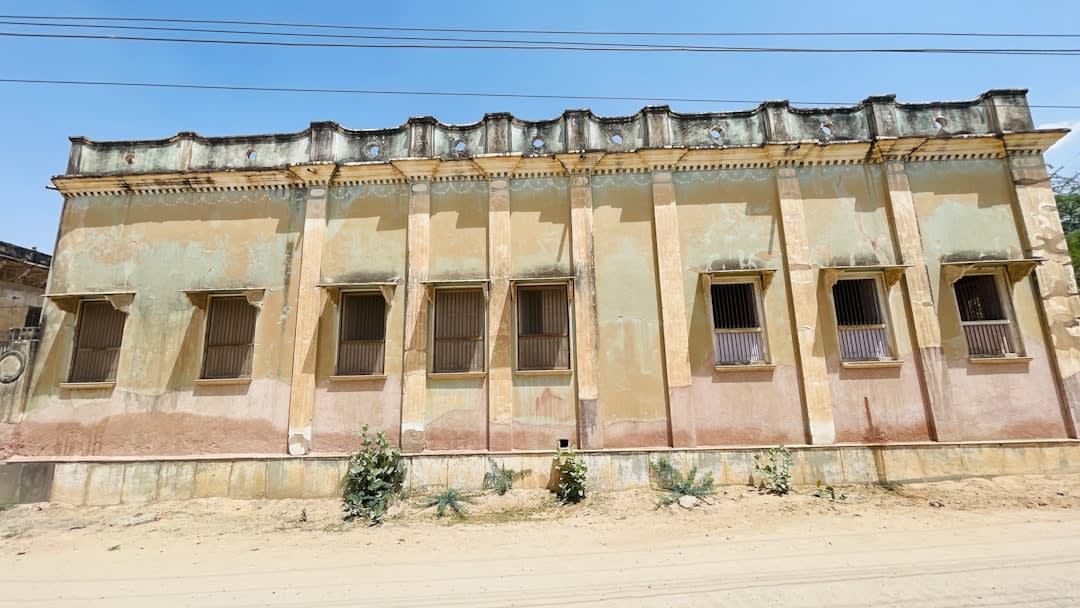
The Sulaymaniyah Museum, by contrast, is a straightforwardly joyful counterweight — Iraq’s second-largest antiquities collection, heavy on cuneiform tablets recovered from looting networks and smuggling rings, some purchased back from dealers specifically to keep them in Kurdistan rather than losing them to foreign collections entirely. I spent an hour with a curator who pulled out a drawer of unpublished tablets still awaiting translation, a genuinely thrilling reminder that Mesopotamian archaeology is very much an ongoing, unfinished project rather than a closed historical record.
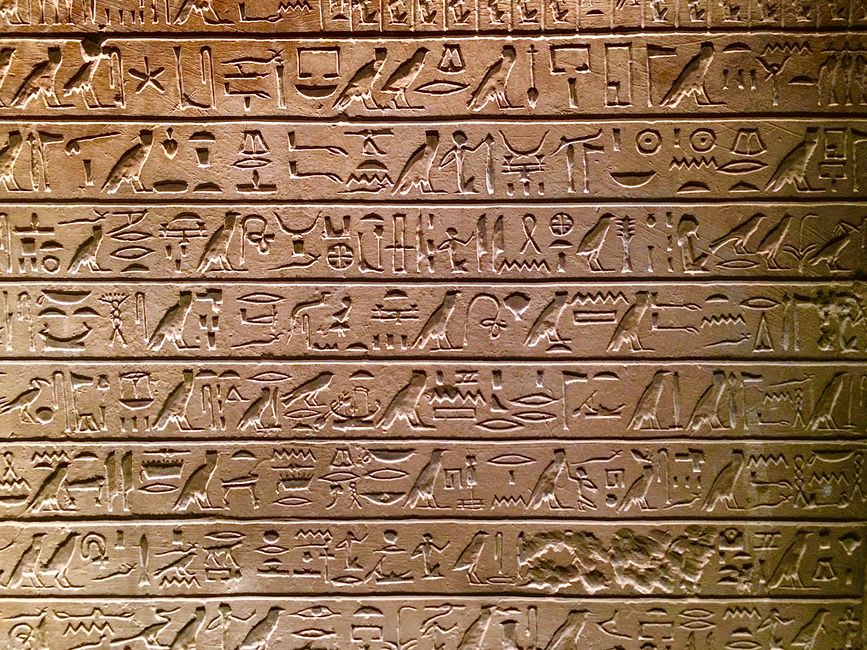
I ended most evenings at the Grand Bazaar, drinking tea and eating fresh walnuts with vendors who wanted to talk more about Kurdish poetry than sell me anything, which is, in the end, the truest advertisement Sulaymaniyah could give itself.
When to go: April through June and September through November, when the mountain air keeps the city notably cooler than the plains further south. Winter brings snow to the surrounding peaks, beautiful but logistically complicating for day trips into the mountains.
Keep exploring
More from Mesopotamia
 mesopotamia
 Ur
The Ziggurat of Ur rises from the Iraqi plain like a warning — four thousand years of compressed human ambition made from sun-baked brick.
Explore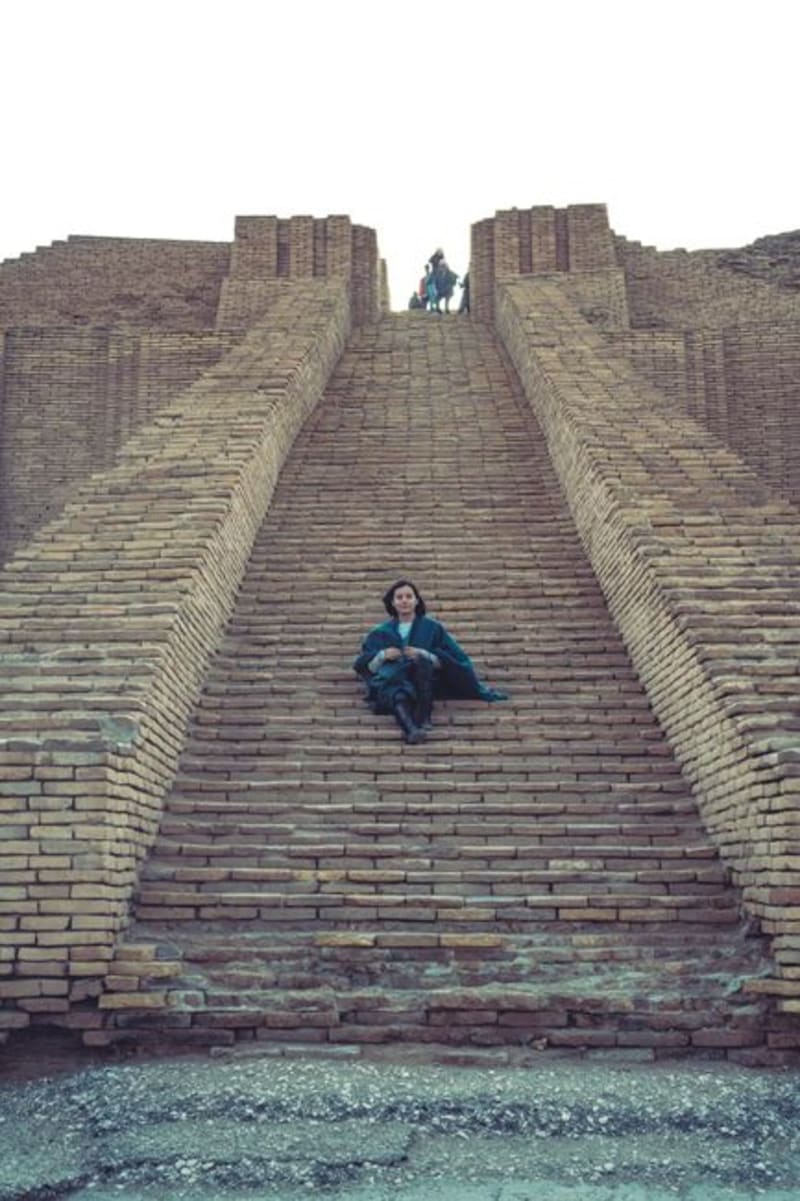 mesopotamia
 Uruk
The city that gave Gilgamesh his throne and the world its first written word — a vanished metropolis of mudbrick and myth rising from the desert near Samawah.
Explore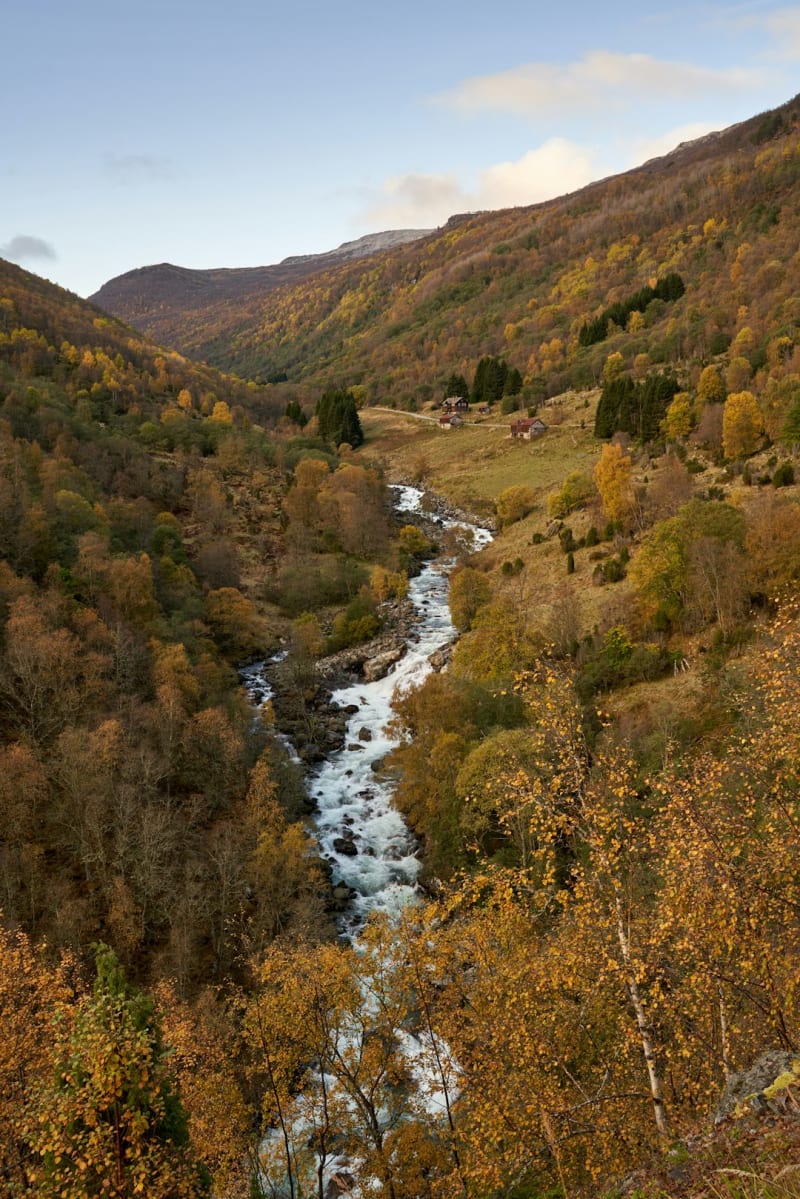 mesopotamia
 Al-Qurnah
The town where the Tigris and Euphrates physically become one river — long claimed as the site of the Garden of Eden, and home to a dead tree tourists still visit as the Tree of Knowledge.
Explore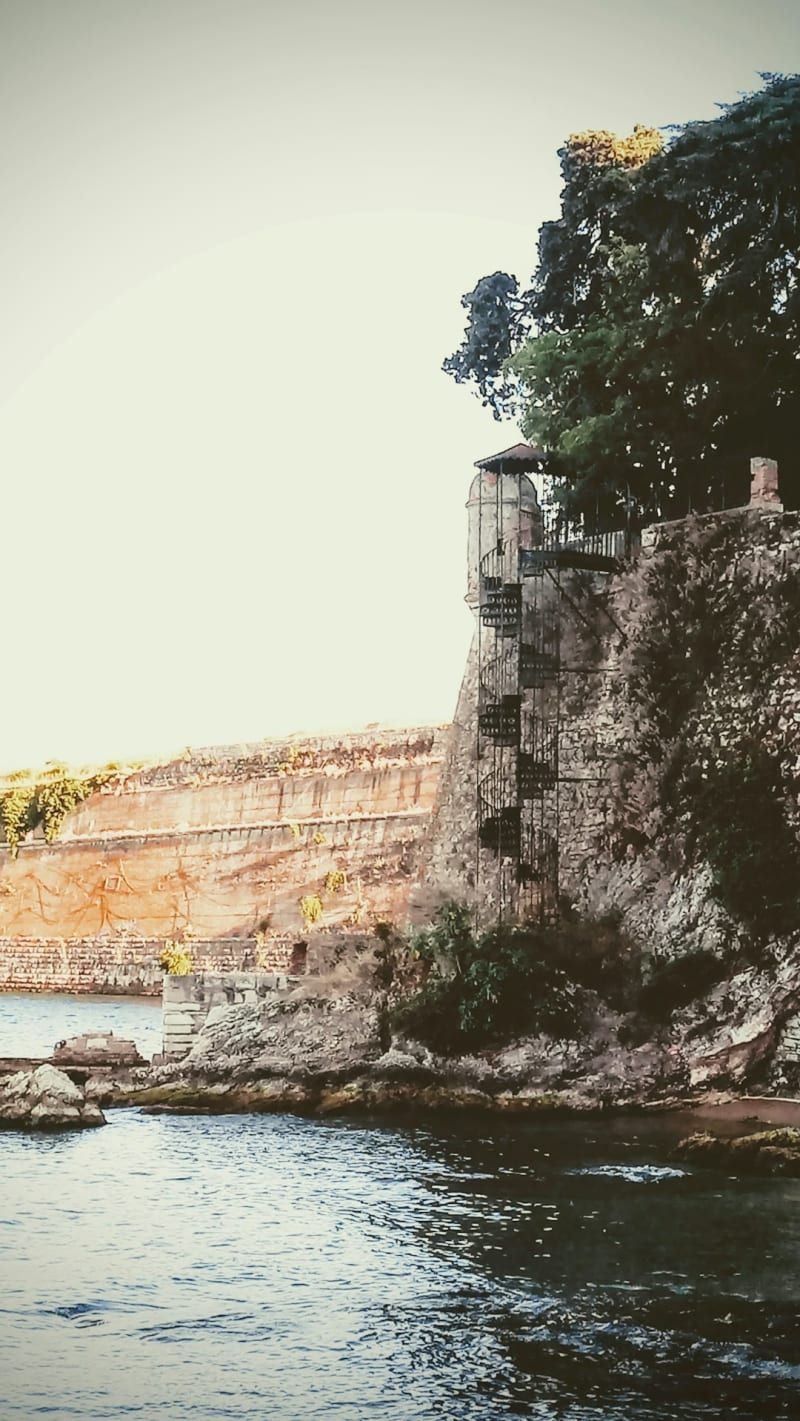 mesopotamia
 Ashur
The original heart of the Assyrian empire, perched on a limestone cliff over the Tigris — a UNESCO site that survived three thousand years of history only to nearly lose a fight against a proposed dam.
Explore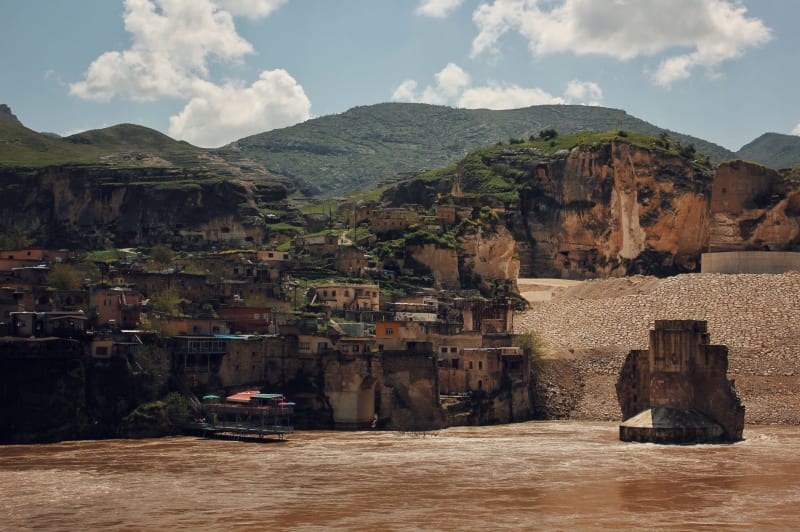 mesopotamia
 Babylon
Hammurabi's capital still holds the bones of the world's first laws — a ruin that once dazzled antiquity and now demands imagination to reassemble.
Explore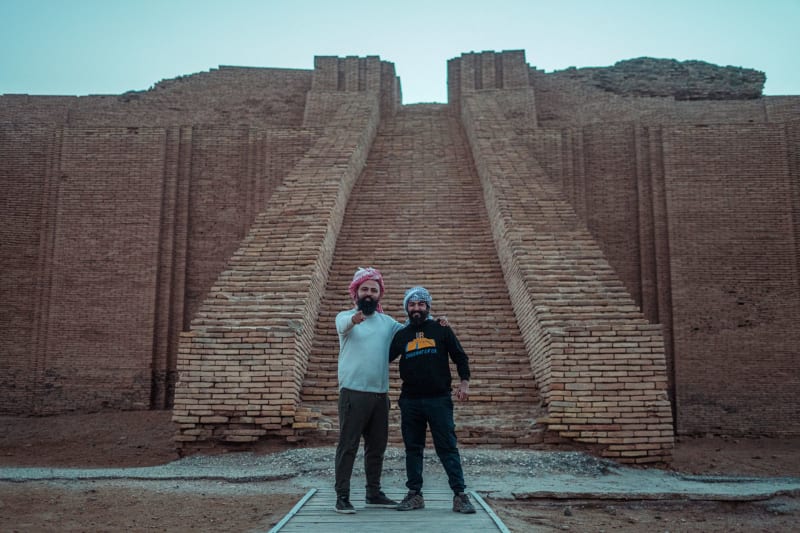 mesopotamia
 Baghdad
A city carrying twenty-five centuries of being the center of the world, now rebuilding itself in a thousand small and stubborn gestures of ordinary life.
Explore