Middle East
Mesopotamia
"Standing at Ur, I understood why every civilization claims it started here."
The birthplace of writing, law, and cities, where ziggurat ruins still rise from the flat Iraqi plain like compressed centuries waiting to be unpacked.

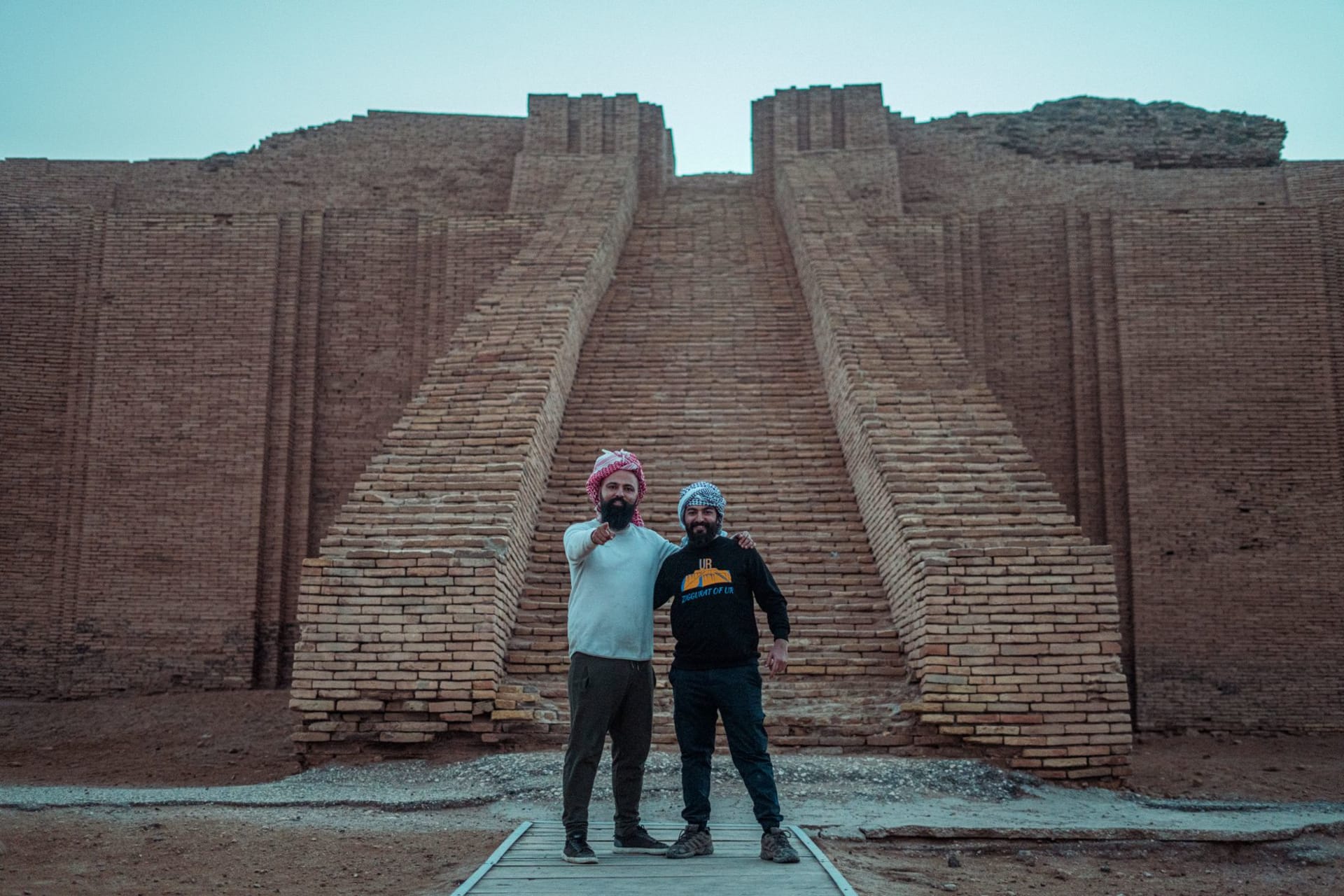
The Ziggurat of Ur hits you before you understand what you’re looking at. You come up the road from Nasiriyah, the plain completely flat in every direction, the sky enormous, and then this stepped mass of dark brick appears on the horizon and simply refuses to be contextualized. It is four thousand years old. It was already ancient when Alexander the Great passed through. The Sumerians built it as a physical connection between earth and the gods, and standing at its base — the bricks still warm from the afternoon sun, the silence total — you feel not exactly religious but undeniably in the presence of something that outlasted every empire that tried to claim it.
Southern Iraq is where this civilization quietly unfolds. Babylon, two hours south of Baghdad, is where Hammurabi codified the world’s first laws and where Nebuchadnezzar built a city so dazzling that the ancient world couldn’t stop writing about it. The ruins are humbling in a different way from Ur — more spread out, more archaeological, requiring more imagination — but the scale of what Babylon was eventually lands. Nearby, the Marshes of the Euphrates have been repopulated since Saddam drained them in the nineties, and the Ma’dan people, the Marsh Arabs, have partially returned to their reed islands. Eating fresh river fish in a mudhif — a traditional reed guesthouse — with a family that has lived on this same stretch of water for generations is the kind of experience that reorients what travel is supposed to do.
The food is simpler here than in Baghdad: flatbread called samoon, slow-cooked lamb and rice called quzi, river carp grilled over palm wood. Tea arrives constantly, sugared and black, in small glasses. People ask where you’re from with genuine curiosity, not commercial interest. The infrastructure is difficult, the logistics require patience, and the political situation demands current research before any visit. But Mesopotamia is not a destination for people looking for ease. It is a destination for people who want to stand in the place where human civilization decided to try something new.
When to go: October through April are the viable months — temperatures drop to a manageable range between 15°C and 28°C. Summers in southern Iraq are extreme, pushing past 50°C in the Euphrates plain and making outdoor visits to ruins genuinely dangerous. March and April bring a brief season of green to the marshes before the heat sets in.
What most guides get wrong: They frame Mesopotamia as an archaeological abstraction — a place to understand in textbooks, not visit in person. The reality is that Iraqi hospitality is among the most overwhelming I have encountered anywhere, and the country is more accessible to independent travelers than its reputation suggests. The threat landscape has changed significantly since 2019. Do your research, register with your embassy, and go. The Ziggurat of Ur has almost no tourists. That will not last.
Explore
Places in Mesopotamia
 mesopotamia
 Al-Qurnah
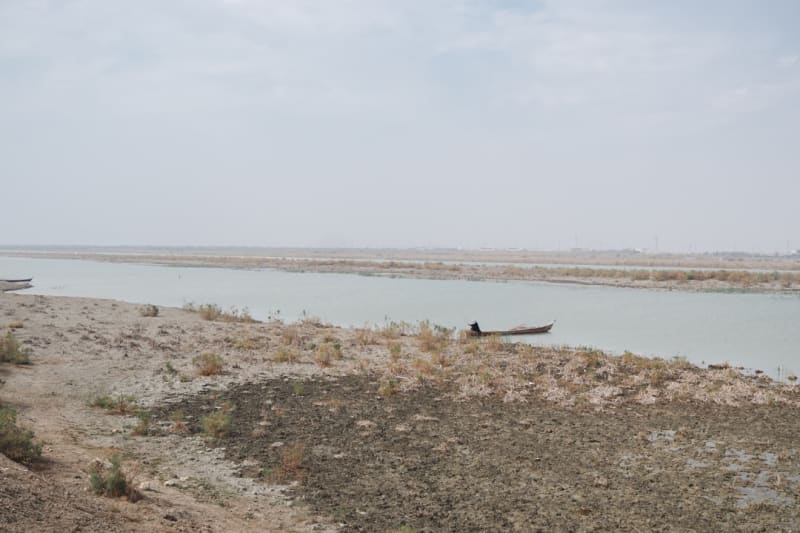
The town where the Tigris and Euphrates physically become one river — long claimed as the site of the Garden of Eden, and home to a dead tree tourists still visit as the Tree of Knowledge.
Explore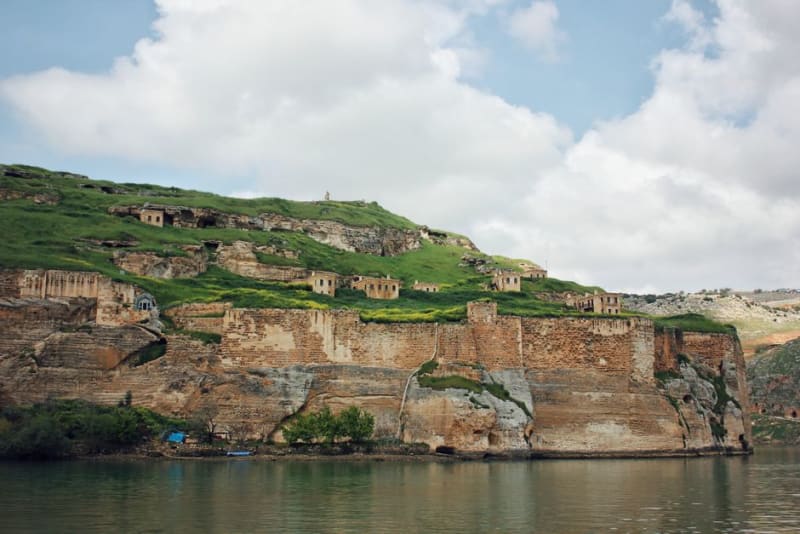 mesopotamia
 Ashur
The original heart of the Assyrian empire, perched on a limestone cliff over the Tigris — a UNESCO site that survived three thousand years of history only to nearly lose a fight against a proposed dam.
Explore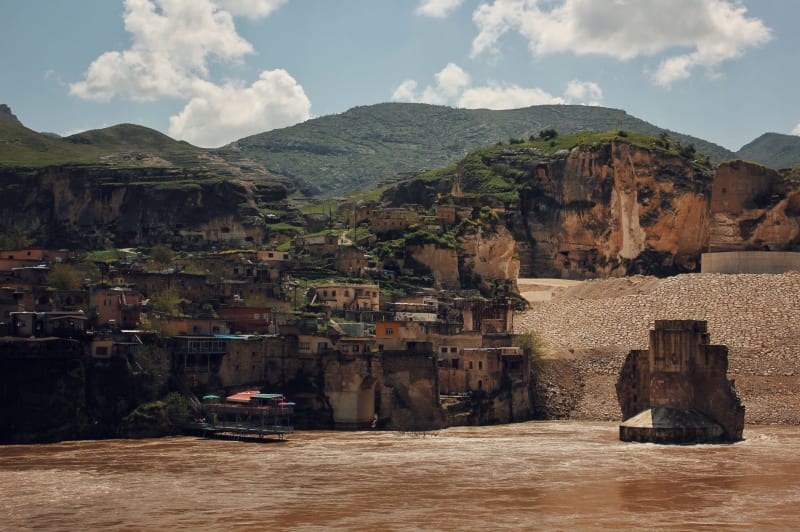 mesopotamia
 Babylon
Hammurabi's capital still holds the bones of the world's first laws — a ruin that once dazzled antiquity and now demands imagination to reassemble.
Explore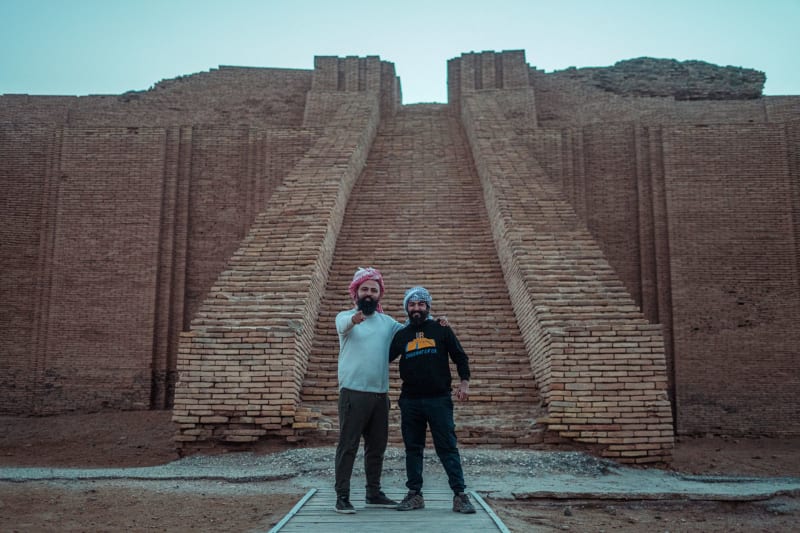 mesopotamia
 Baghdad
A city carrying twenty-five centuries of being the center of the world, now rebuilding itself in a thousand small and stubborn gestures of ordinary life.
Explore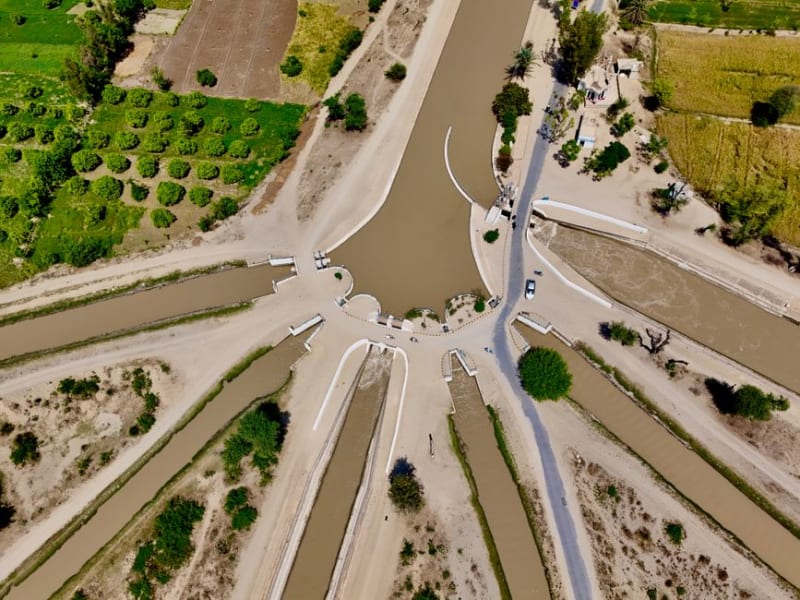 mesopotamia
 Basra
Iraq's southern port city, threaded with canals and palm groves along the Shatt al-Arab, where Sinbad supposedly set sail and where oil money and old commerce still argue with each other.
Explore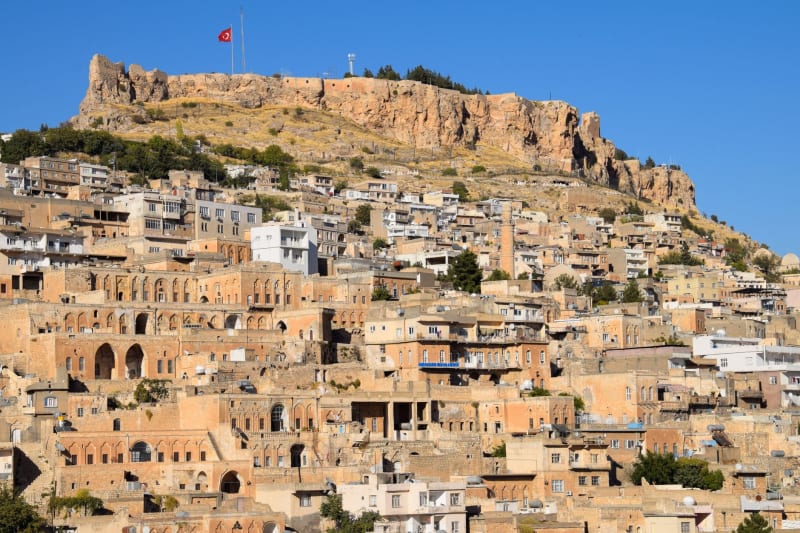 mesopotamia
 Ctesiphon
The world's largest unreinforced brick arch stands alone in the Iraqi desert south of Baghdad — a ghost city reduced to a single breathtaking room.
Explore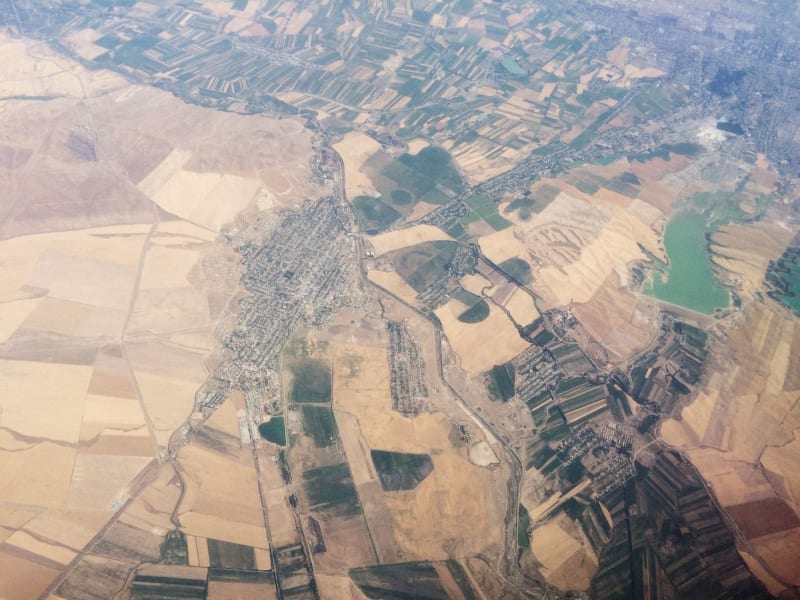 mesopotamia
 Erbil
The citadel of Hawler has been continuously inhabited for six thousand years — the oldest city on earth may also be the most quietly alive.
Explore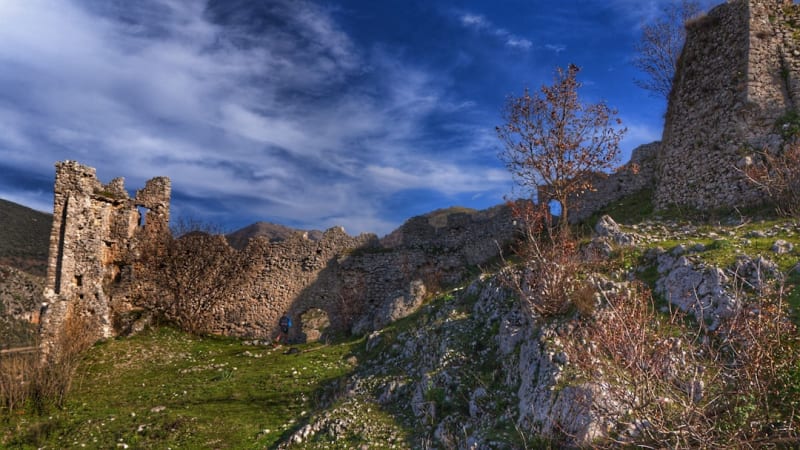 mesopotamia
 Eridu
The city the Sumerians themselves called the first one ever built — a lone eroded ziggurat in the deep desert southwest of Nasiriyah, older than memory.
Explore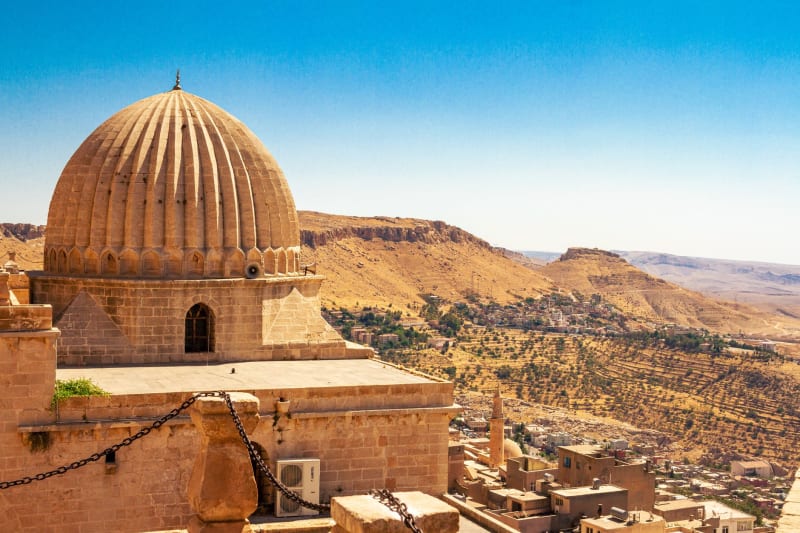 mesopotamia
 Hatra
An Arab Parthian city where Greek temples held Mesopotamian gods — a crossroads of civilizations made in stone so strange it seems like an architect's thought experiment.
Explore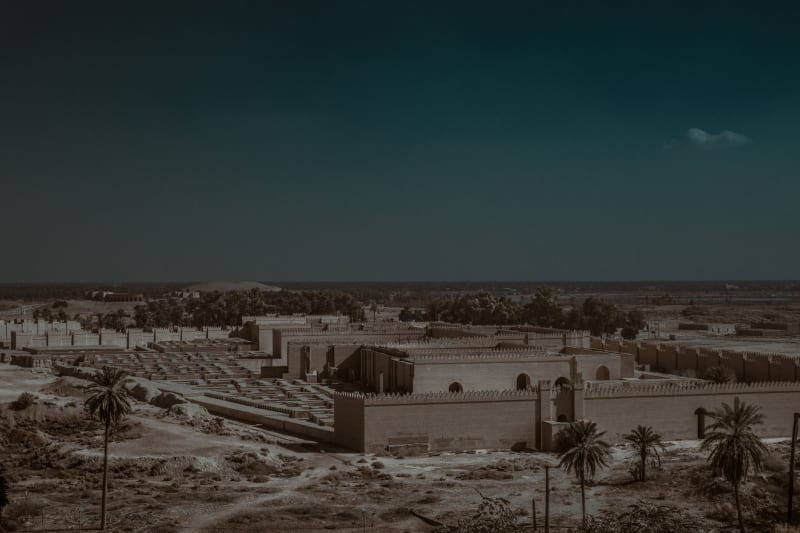 mesopotamia
 The Iraqi Marshes
A vast drowned world of reed islands and still water where Ma'dan families pole their boats through landscapes unchanged since Sumer.
Explore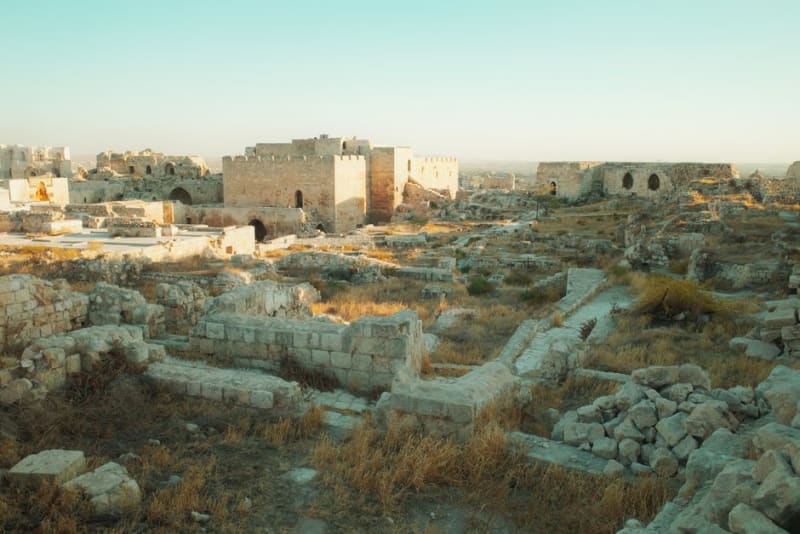 mesopotamia
 Kirkuk
A contested, multi-ethnic oil city crowned by an ancient citadel, where Kurds, Arabs, and Turkmen share a single skyline and a nearby eternal fire has burned since before anyone can date it.
Explore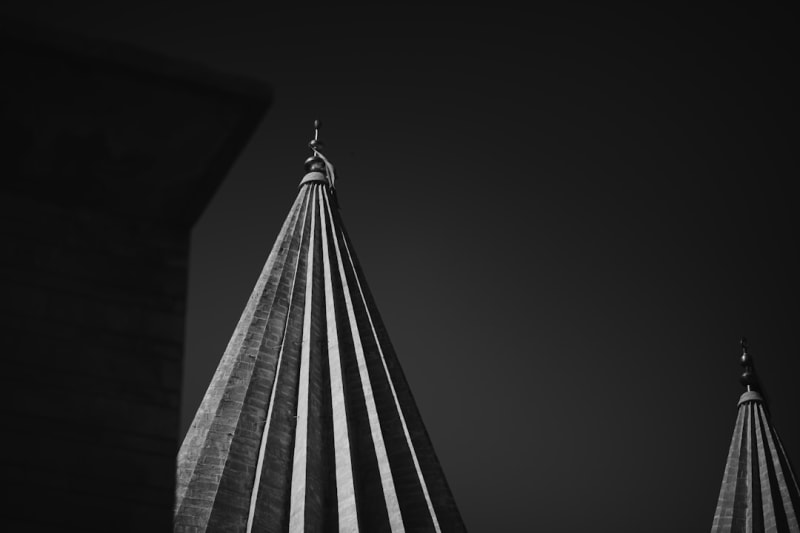 mesopotamia
 Lalish
The holiest valley of the Yazidi faith, its conical temple spires tucked into a mountain fold north of Mosul, where visitors walk barefoot past sacred springs and a threshold you must never step on.
Explore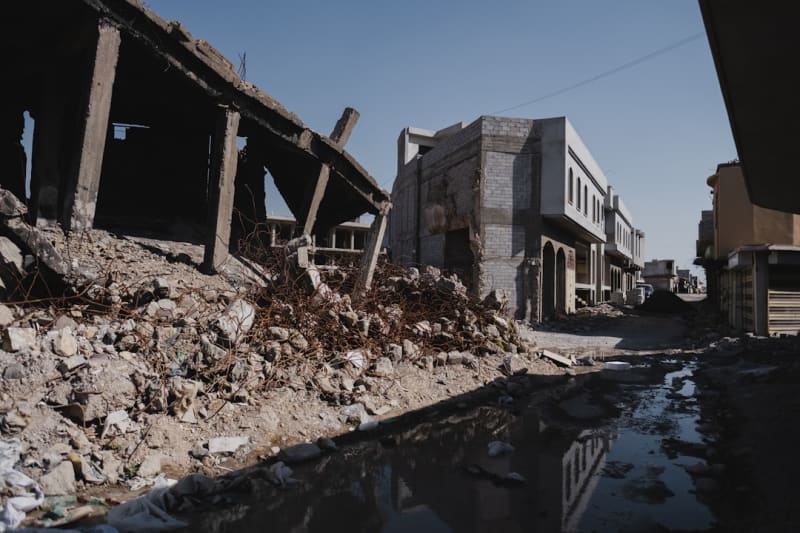 mesopotamia
 Mosul
A city rebuilding itself, street by street, from an occupation that tried to erase it — the Old City's souks, churches, and mosques returning to life across the river from ancient Nineveh.
Explore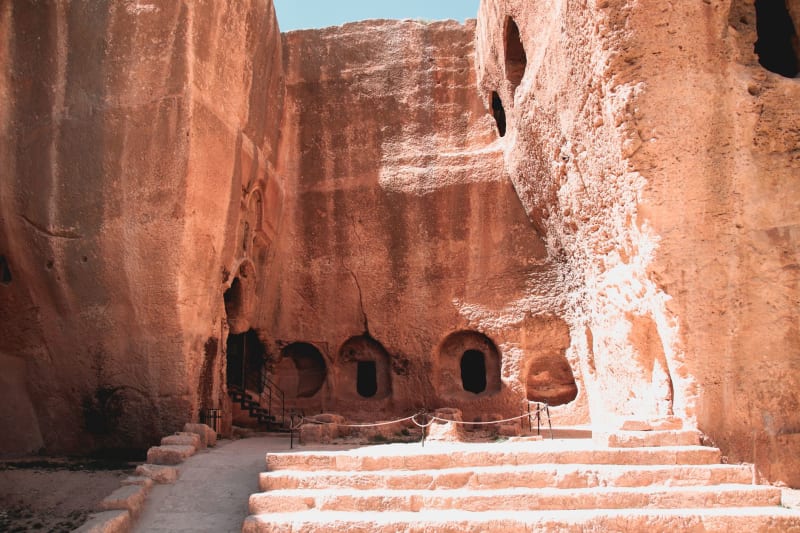 mesopotamia
 Nimrud
The Assyrian capital that produced the ancient world's greatest stone carvings — now half-demolished, half-standing, and entirely haunting.
Explore mesopotamia
 Nineveh
Ashurbanipal's great library once held the world's knowledge on the Tigris — and the stones remember even what ISIS tried to make them forget.
Explore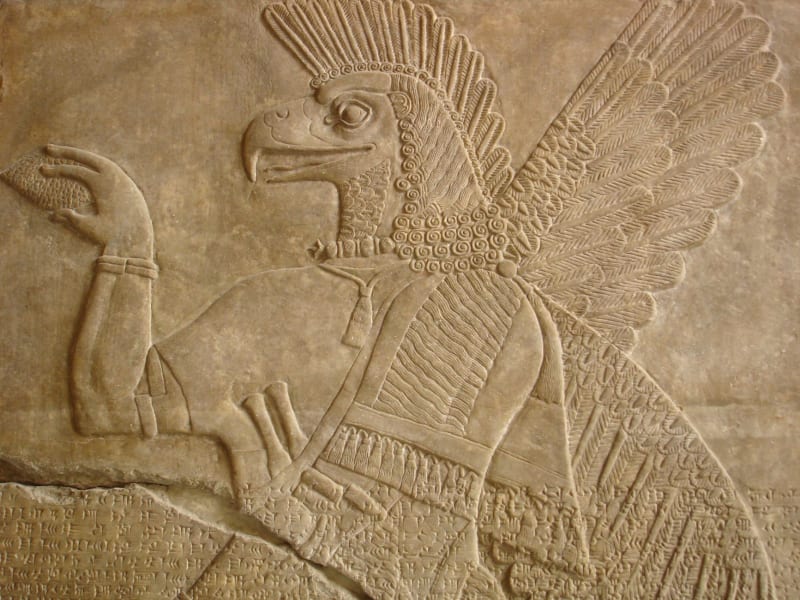 mesopotamia
 Nippur
For four thousand years every Mesopotamian civilization that wanted legitimacy made pilgrimage here — now a largely unvisited mound in the Iraqi plain.
Explore