
Babylon
"Babylon has been a ruin for two thousand years and still can't stop being legendary."
Hammurabi's capital still holds the bones of the world's first laws — a ruin that once dazzled antiquity and now demands imagination to reassemble.

Babylon operates on reputation first. Before you arrive, you already know it — from the Bible, from Herodotus, from every account of the ancient world that found itself compelled to describe a city so vast and opulent it seemed like an exaggeration. Standing in front of the reconstructed Ishtar Gate, the lapis-blue glazed bricks catching the morning light, the golden-yellow lions and dragons marching across it in procession, I felt the gap between legend and ruin more acutely than anywhere else in Iraq. The gate is there. What stretched behind it — the Processional Way, the Hanging Gardens, the ziggurats, the palaces — requires a sustained act of imagination that the site does not always reward.
What the site does offer is an extraordinary encounter with the physical archaeology of political power. Hammurabi ruled Babylon in the eighteenth century BCE and produced the Code of Hammurabi — 282 laws inscribed on a black diorite stele that now lives in the Louvre, but whose logic still underlies legal systems across the world. I stood in the ruins of the throne room where those laws were administered, the walls partially reconstructed in the questionable style of the 1980s — Saddam Hussein had his name stamped on modern bricks inserted into ancient walls, which tells you something about continuity and ego — and felt the odd simultaneity of it: the oldest bureaucracy and the most recent one, layered in the same stone.

The ruins spread over nearly ten square kilometers, much of it unexcavated — just low humps under the desert, the earth hiding everything from the Neo-Babylonian period under Nebuchadnezzar II (605–562 BCE) when the city reached its peak. The Euphrates runs nearby, slower and greener than I expected, lined with date palms whose roots reach down into archaeological strata no one has yet touched. I walked the outer wall remnants in the late afternoon, the sun dropping behind the western plain, and counted maybe a dozen other visitors in the entire site. Most were Iraqi families from Hillah, the modern town just north.
The local antiquities museum near the site entrance holds a modest but affecting collection — cuneiform tablets, terracotta figurines, cylinder seals. The staff were delighted to have a visitor with questions. The curator showed me a tablet with Linear Babylonian script and traced the wedge-marks with his finger, reciting what it said: an inventory of grain, from the second millennium BCE. A grocery list, in a way. The persistence of that mundane detail — grain counted, grain recorded, grain given — across four thousand years felt more moving than any monument.

The modern city of Hillah sits just outside the archaeological zone, and a late lunch there — quzi, lamb slow-cooked over rice with raisins and almonds, served on a communal platter — pulled the day into a different register. The tea came in small glass cups, over-sweetened in the southern Iraqi style, and the restaurant owner wanted to know where I had been that morning. When I said Babylon, he nodded slowly, as if confirming something he already knew about the world.
When to go: November through February. The site is partially shaded by date palms in some areas but the main ruins are entirely exposed. Spring (March–April) is also viable with pleasant green across the surrounding plain. The Iraqi summer makes the site effectively inaccessible by midday.
Keep exploring
More from Mesopotamia
 mesopotamia
 Baghdad
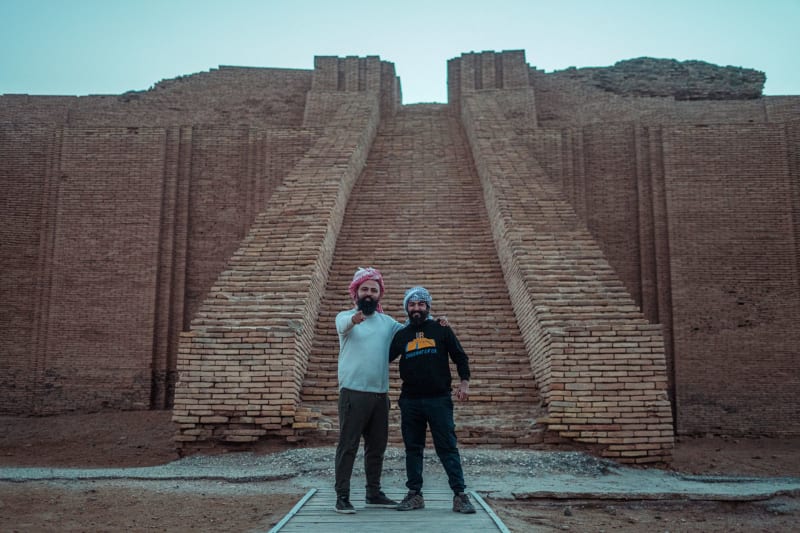
A city carrying twenty-five centuries of being the center of the world, now rebuilding itself in a thousand small and stubborn gestures of ordinary life.
Explore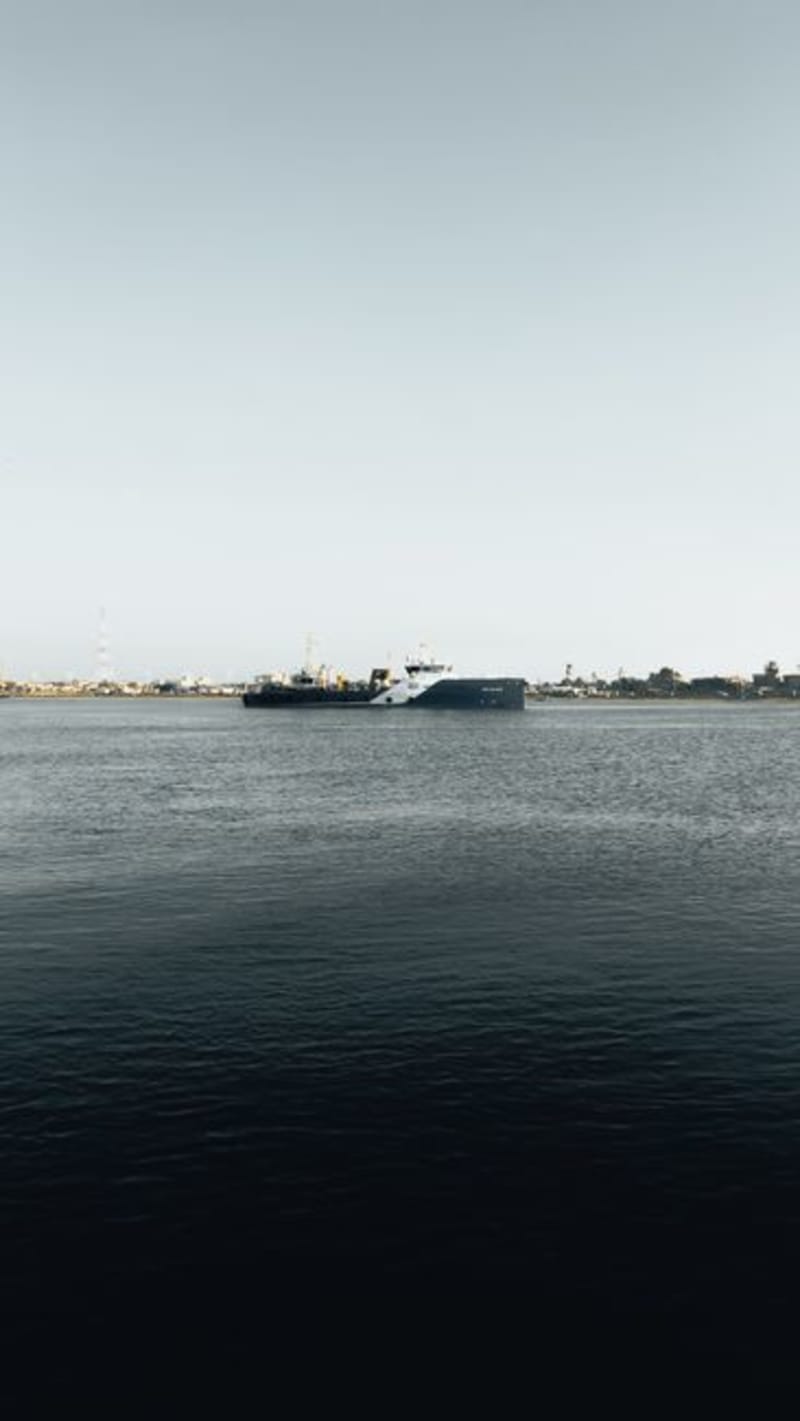 mesopotamia
 Basra
Iraq's southern port city, threaded with canals and palm groves along the Shatt al-Arab, where Sinbad supposedly set sail and where oil money and old commerce still argue with each other.
Explore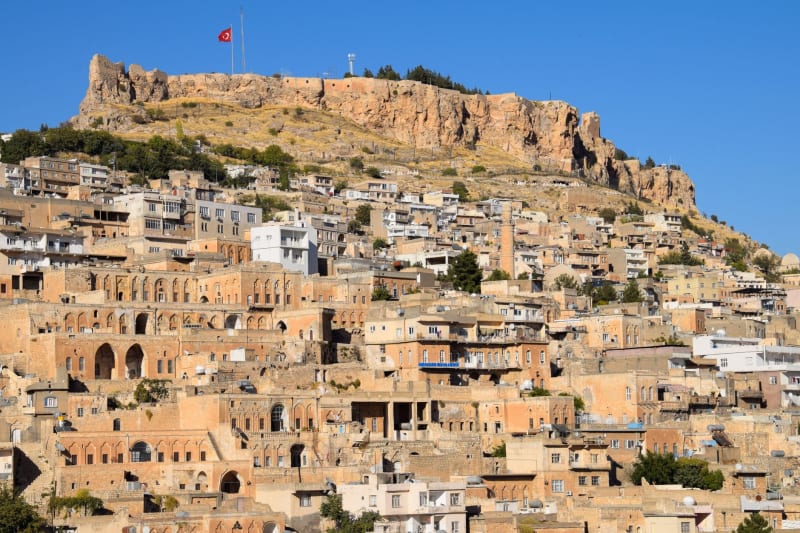 mesopotamia
 Ctesiphon
The world's largest unreinforced brick arch stands alone in the Iraqi desert south of Baghdad — a ghost city reduced to a single breathtaking room.
Explore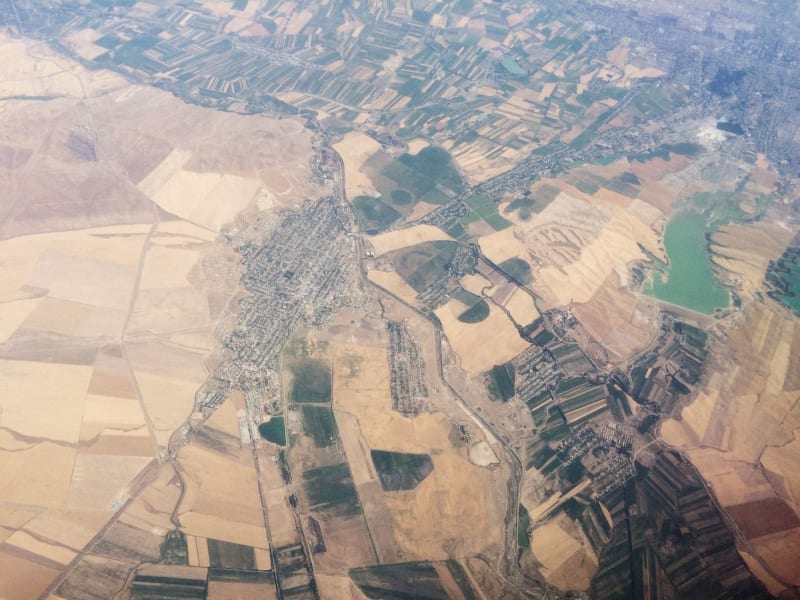 mesopotamia
 Erbil
The citadel of Hawler has been continuously inhabited for six thousand years — the oldest city on earth may also be the most quietly alive.
Explore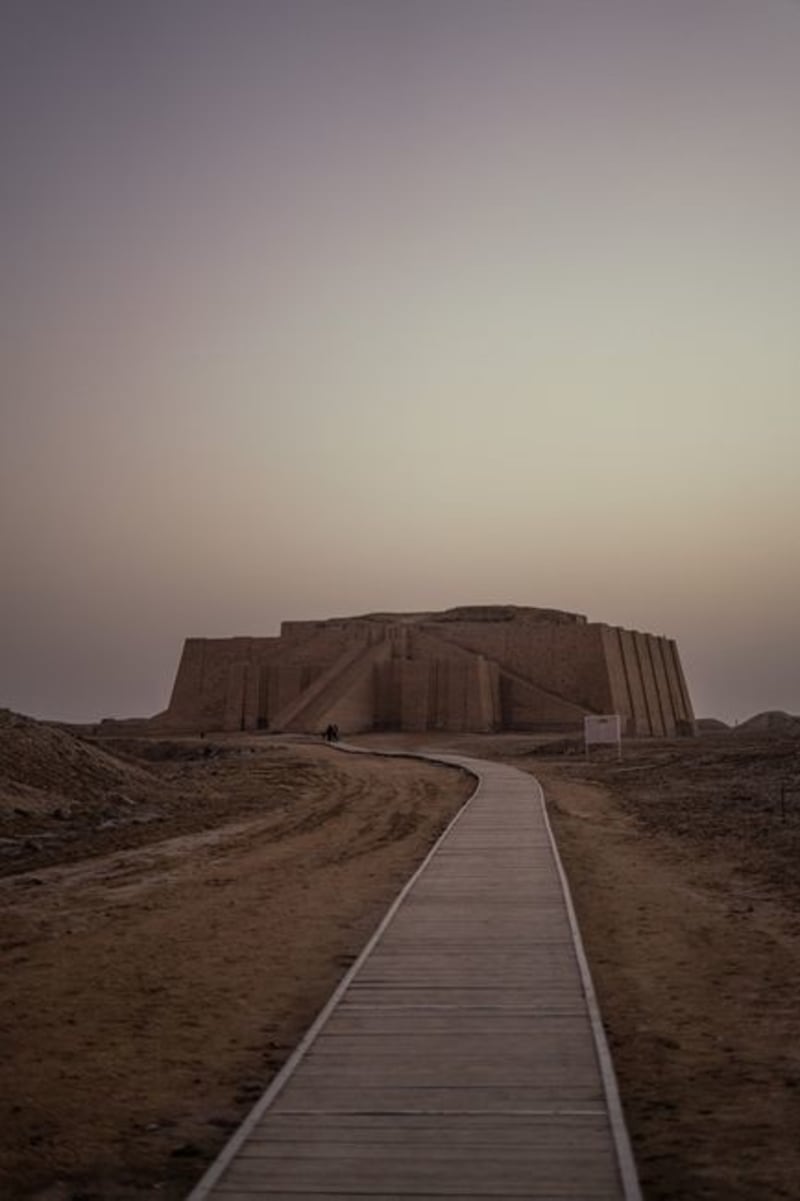 mesopotamia
 Eridu
The city the Sumerians themselves called the first one ever built — a lone eroded ziggurat in the deep desert southwest of Nasiriyah, older than memory.
Explore mesopotamia
 Hatra
An Arab Parthian city where Greek temples held Mesopotamian gods — a crossroads of civilizations made in stone so strange it seems like an architect's thought experiment.
Explore