Le Diamant
"The rock just sits there looking implausible, and after a while you stop questioning it."
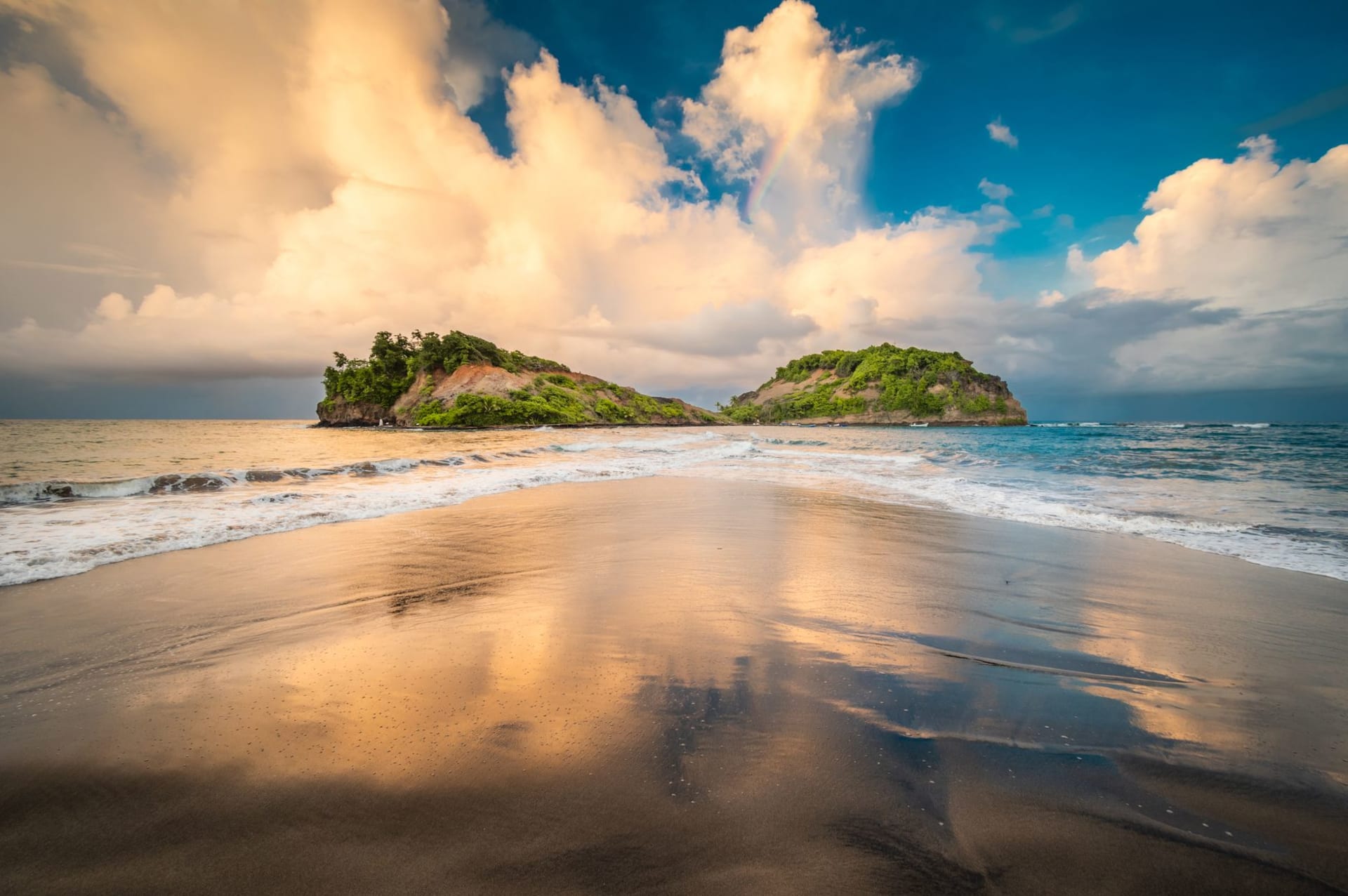
A long southern beach anchored by an offshore volcanic rock that the British once commissioned as a warship and that still dominates everything it overlooks.

The rock that was a warship
There is a volcanic plug rising 176 meters out of the sea about two kilometers off the southern coast of Martinique, and in 1804 the British Royal Navy, with the particular lateral thinking that empire occasionally produced, commissioned it as HMS Diamond Rock. They drilled storage into the basalt, hauled cannons up the near-vertical sides, installed a freshwater cistern, and garrisoned it with a hundred or so men for roughly seventeen months before the French retook it. It remains, to this day, the only rock in the Royal Navy’s official records classified as a commissioned vessel.
I learned all of this from a faded plaque in Le Diamant’s modest town square, and I have thought about it more than seems reasonable since. There is something about the image — men living inside a rock in the middle of the Caribbean, firing cannons at ships — that defies easy categorization.
The beach itself
The Plage du Diamant is one of the longest stretches of sand on Martinique’s southern coast, running nearly three kilometers in a broad, open arc. The sand is dark gold, the water here is rougher than the sheltered bays to the north, and the rock sits offshore like a piece of punctuation — the thing your eye keeps returning to while you’re trying to read the rest of the sentence.
The surf is real. Not bodyboarding-at-Caravelle real, but enough that the water moves in a satisfying way, enough that the beach feels like a beach rather than a pool. On the morning I went, there were maybe a dozen people spread across the whole length of it. A man fishing with a long rod, a family under an almond tree, a woman doing yoga facing the rock. The kind of spread that lets a beach breathe.
The village above
Le Diamant the town is up a slight hill from the beach, arranged around a church and a square with two rum shops that open early and seem to serve the same customers at seven a.m. as at three p.m. This is not a criticism. The village has a small market on Sunday mornings where the produce arrives piled into the backs of pickup trucks and everything smells of thyme and scotch bonnet.
I ate lunch at a small restaurant on the main road — a plate of grilled kingfish with rice and red beans and a sauce made with coconut milk that was good enough that I tried to understand exactly what was in it by eating very slowly. The cook came out to ask how I liked it. I told her, in French, that I was trying to reverse-engineer the sauce. She laughed and told me I was not the first to try and wished me luck.
Evening light and the rock again
The best thing to do in Le Diamant, if timing allows, is to be on the beach in the last hour of afternoon light. The sun drops toward the Caribbean coast, which means the light hits the rock from behind and slightly to the side, and it turns colors in a sequence that feels deliberate — orange, then rust, then something close to purple before the silhouette takes over.
Lia would have photographed this for an hour. I sat with a plastic cup of punch and watched it happen and tried to notice what I was noticing.
When to go: The southern coast is accessible and pleasant year-round, but January through April is optimal — less rain, better light, calmer mornings. The beach gets notably busier on French public holidays and in August when Martinicans vacation at home. Arrive by nine a.m. on weekends to have the long stretch largely to yourself.
Keep exploring
More from Martinique
 martinique
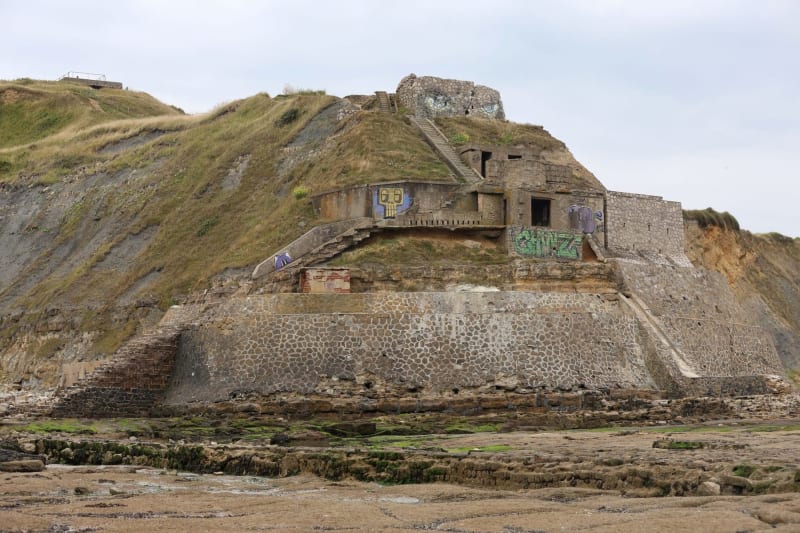
Fort-de-France
Martinique's capital crackles with Creole energy — the Savane park, market stalls, and Fort Saint-Louis above the bay.
Explore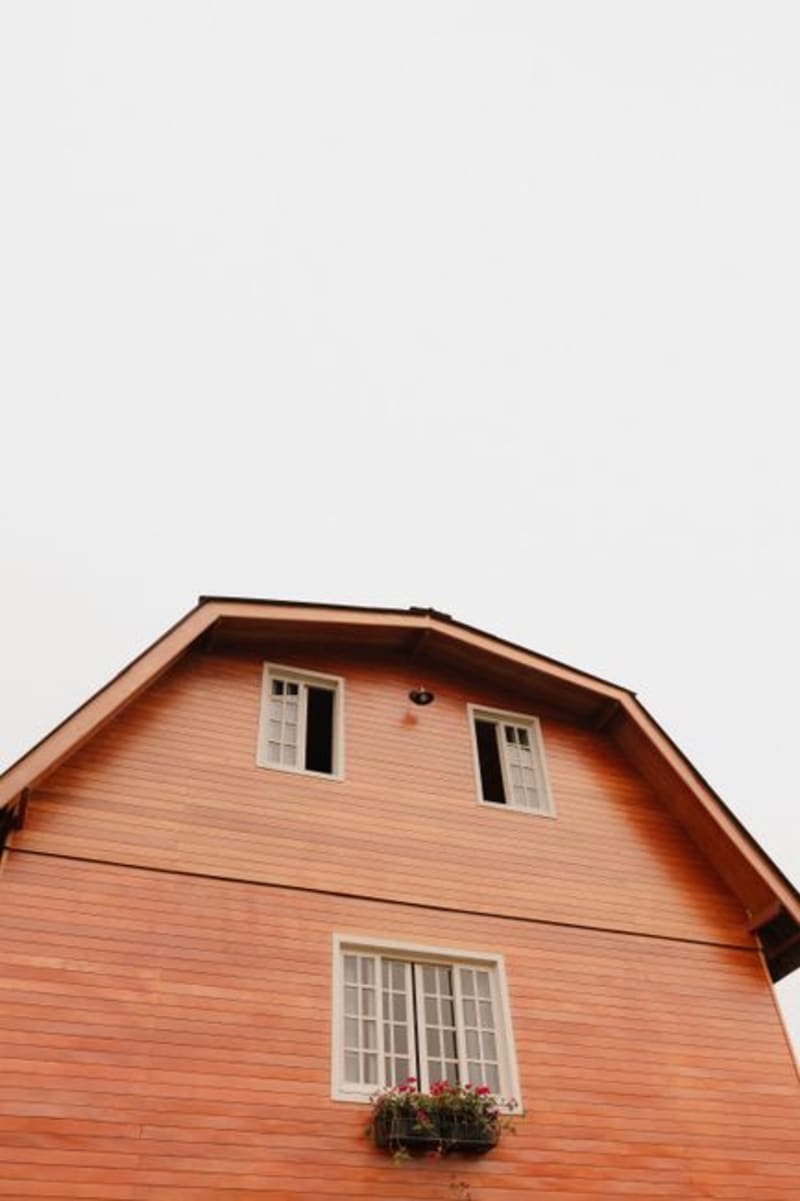 martinique
Habitation Clément
A 1887 Creole plantation house, a cellar of vintage rum barrels, and gardens where Bush met Mitterrand in 1991.
Explore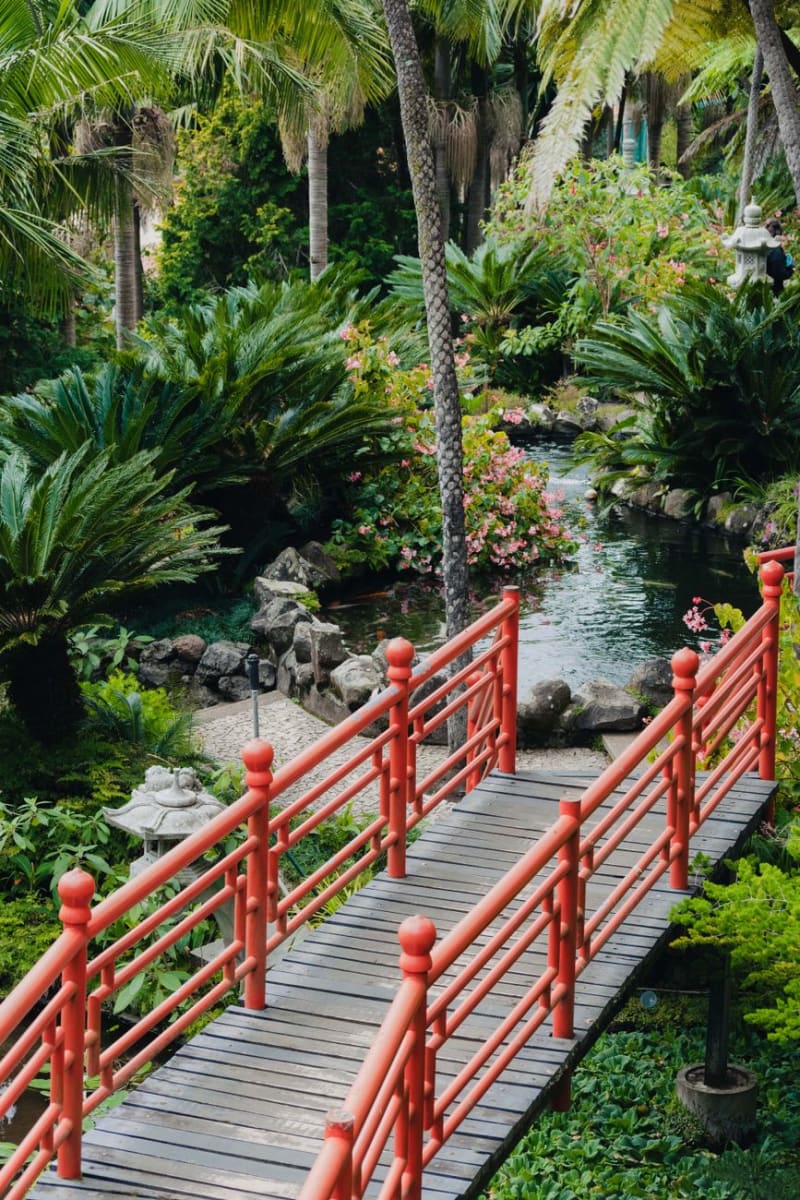 martinique
Jardin de Balata
A private botanical garden in the rainforested hills above Fort-de-France, where rope bridges sway through the treetops and the hummingbirds outnumber the tourists.
Explore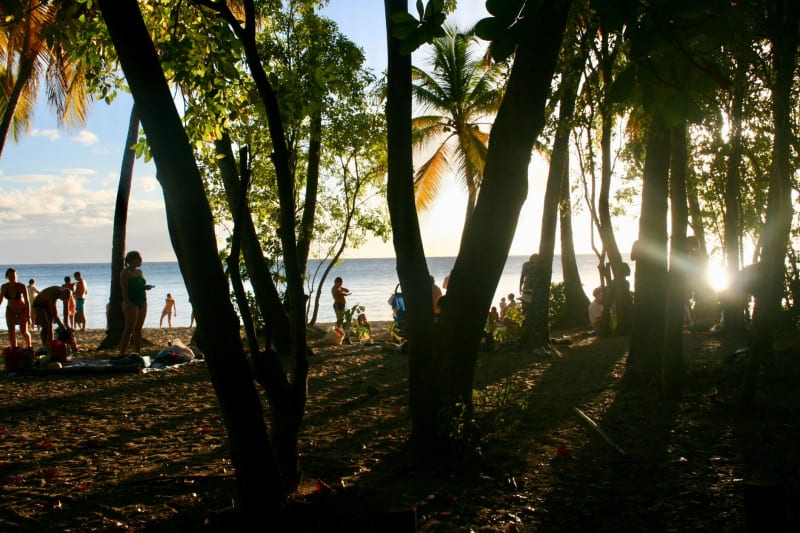 martinique
Le Marin
The sailing capital of the Caribbean Lesser Antilles — a working marina town with a seventeenth-century Jesuit church, the island's best fish market, and an entire culture organized around departure.
Explore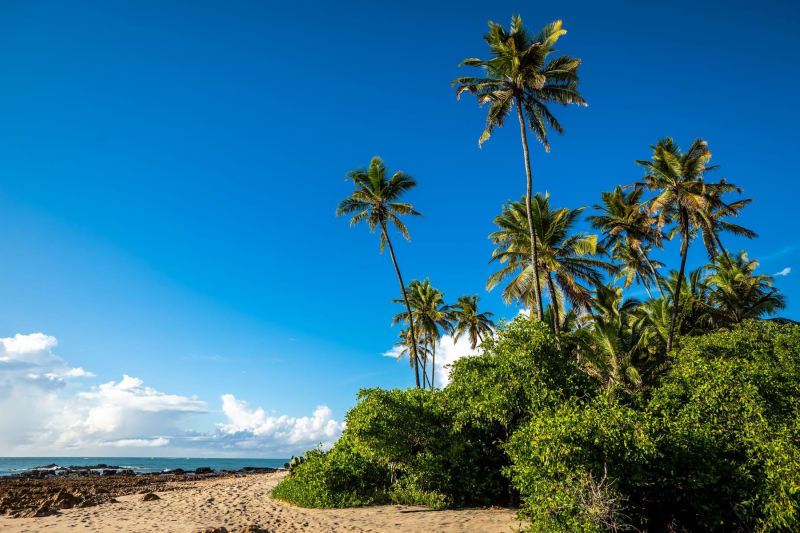 martinique
Les Salines Beach
A crescent of white sand backed by salt ponds and coconut palms — voted one of the Caribbean's finest beaches.
Explore martinique
The North & Mont Pelée
Volcanic peaks, dense rainforest, rum distilleries, and the ruins of a city destroyed in two minutes.
Explore