
The North & Mont Pelée
"The Caribbean's wildest corner, where the volcano is always watching."
Volcanic peaks, dense rainforest, rum distilleries, and the ruins of a city destroyed in two minutes.

Northern Martinique is dominated by Mont Pelée, the active volcano that destroyed the city of Saint-Pierre on May 8, 1902 — the deadliest volcanic eruption of the 20th century, killing 30,000 people in under two minutes. The ruins remain, and the city has rebuilt itself into something quieter and more haunting: a small coastal town with a museum of volcanic relics, the shell of the old theatre, and a cachot (prison cell) where the sole survivor — a man named Cyparis, protected by his thick-walled cell — was found alive two days later.
The rainforest surrounding Mont Pelée is among the densest in the Caribbean. Hiking trails lead through fern-draped canopy to waterfalls, hot springs, and viewpoints where the green of the forest and the blue of the sea create a contrast that photographs cannot properly capture. The Route de la Trace — the road from Fort-de-France north through the mountainous interior — is one of the most scenic drives in the Caribbean, threading through bamboo tunnels and cloud forest.
The rum distilleries concentrate in the north. Distillerie JM in Macouba, at the island’s northern tip, sits in a valley so lush it feels hallucinatory. Distillerie Neisson in Le Carbet produces what many consider the finest rhum agricole on the island — small-batch, family-owned, exquisite. Habitation Céron, a former plantation in Le Prêcheur, combines a rum history with botanical gardens and a 300-year-old zamana tree that is the oldest living thing on the island.
Le Prêcheur — the last village on the northwest coast before the road ends — is the starting point for the coastal hike to Anse Couleuvre, a black-sand beach at the base of the cliffs where the forest meets the sea.
When to go: December to May. The north is wetter than the south year-round. The hiking trails are best in the drier months when the paths are not streams.
Keep exploring
More from Martinique
 martinique
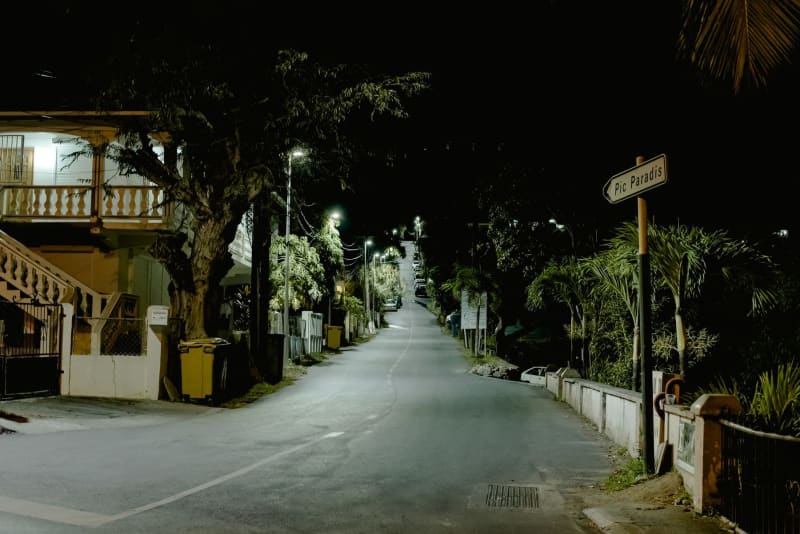
Saint-Pierre Martinique
The 'Paris of the Caribbean' destroyed in four minutes by Mont Pelée in 1902 — ruins and rum among the ash.
Explore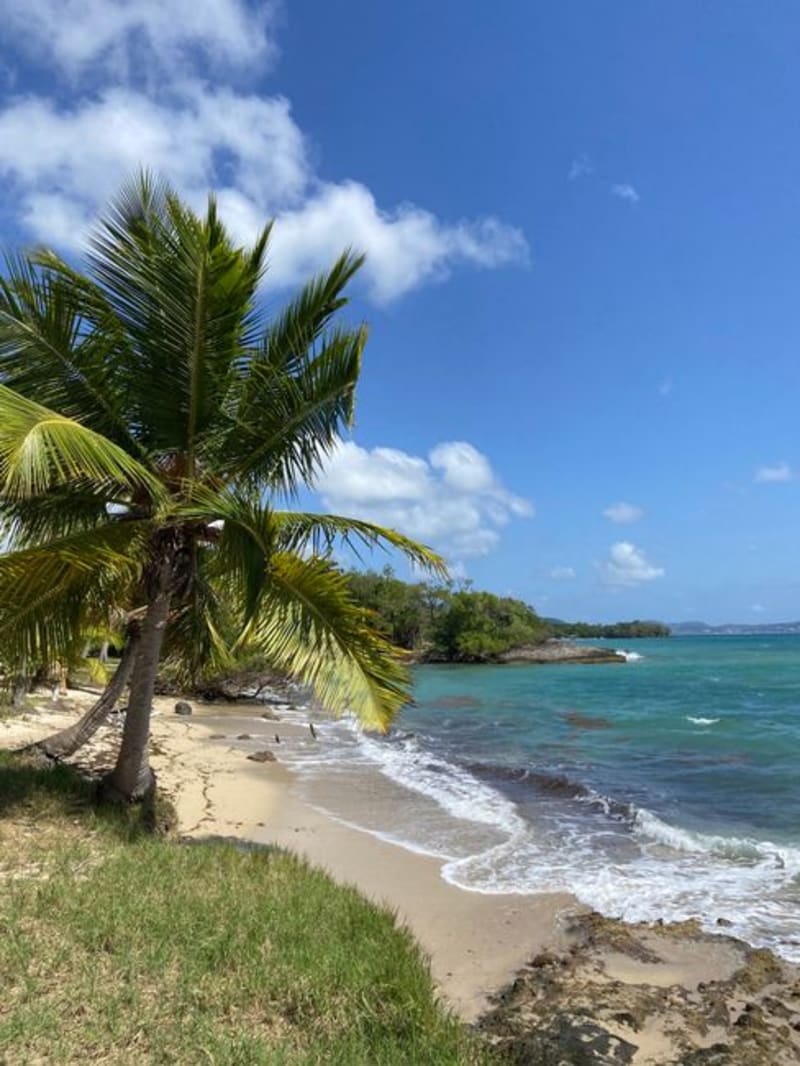 martinique
Sainte-Anne
A fishing village at Martinique's southern tip where white sand, rum-scented Sunday markets, and sailboats bound for Sainte-Lucie meet.
Explore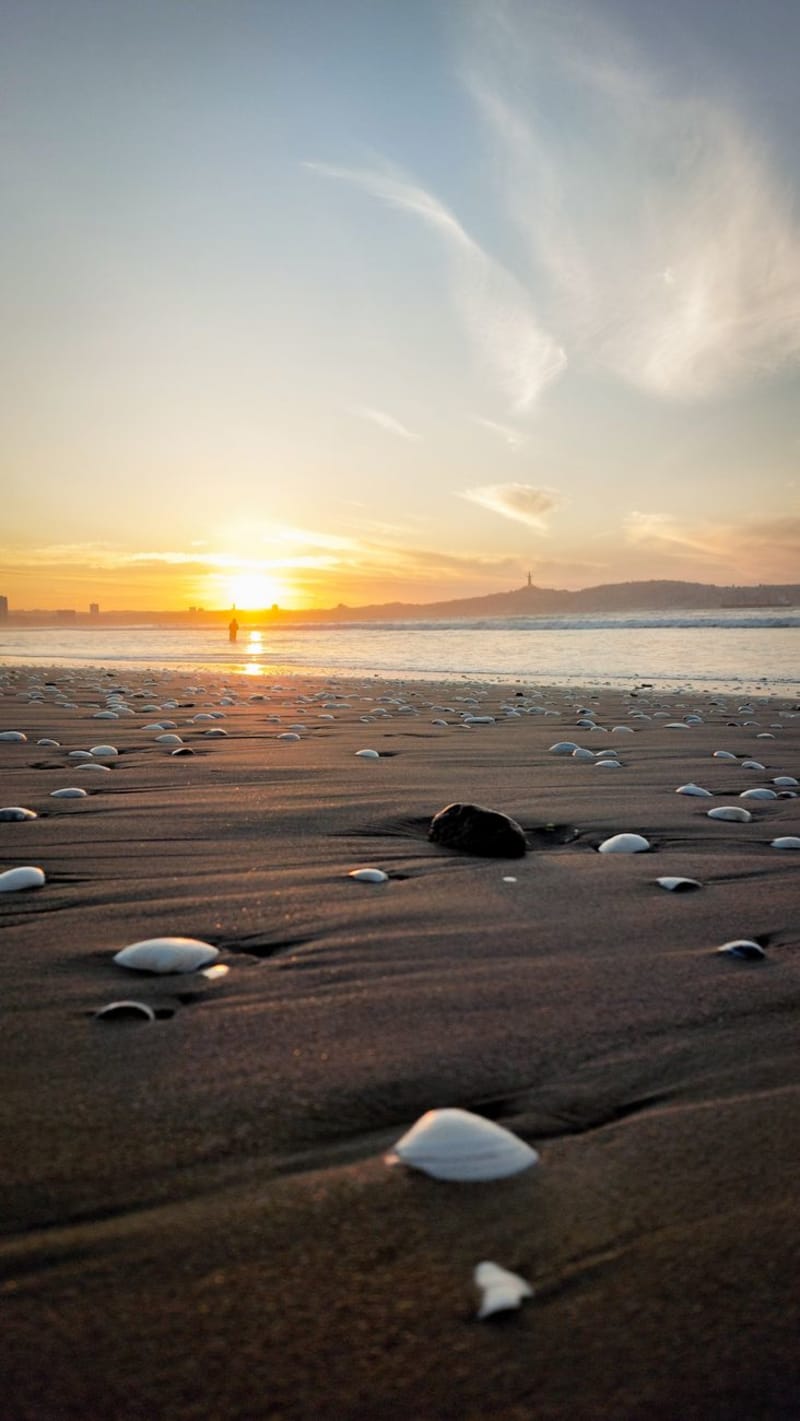 martinique
The South & Beaches
White sand, Créole lolos, and the Caribbean side of Martinique — warmer, calmer, and built for long lunches by the sea.
Explore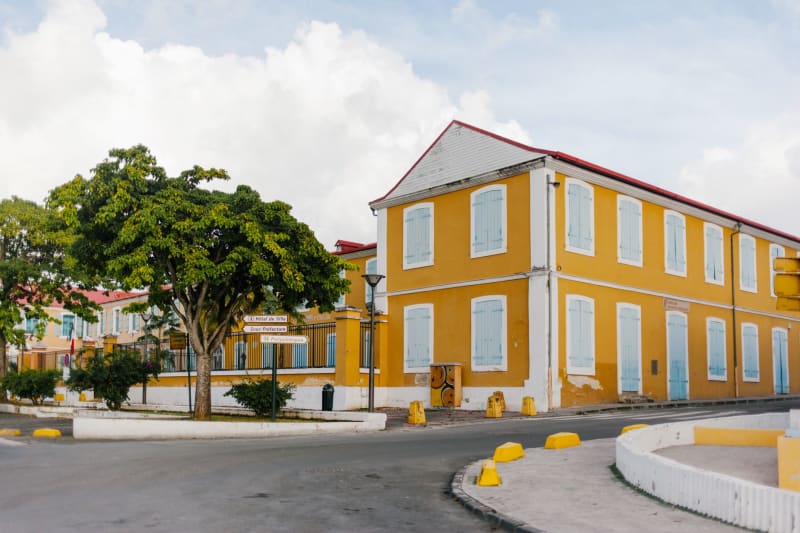 martinique
Les Trois-Îlets
A slow village across the bay from the capital where Joséphine Bonaparte was born and where Martinique's unhurried side quietly persists.
Explore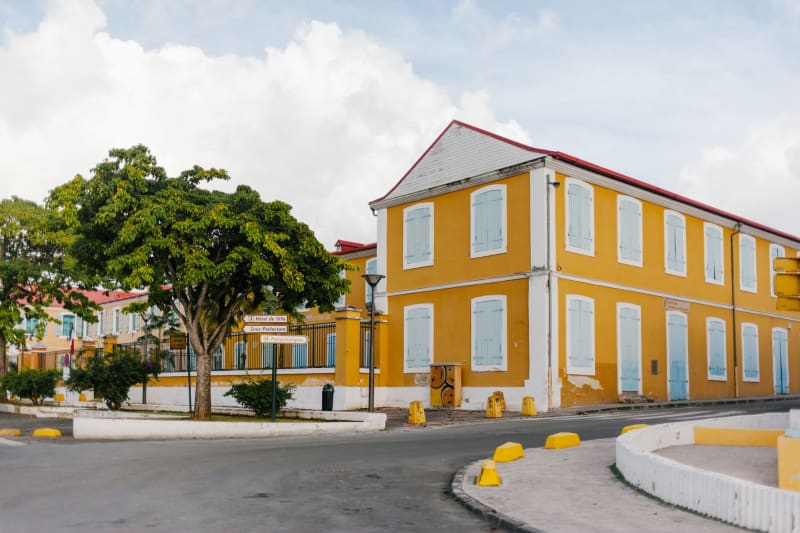 martinique
Anses d'Arlet
A fishing village so photogenic it could feel like a set, except the boats are working boats, the priest is a real priest, and the sea turtles grazing offshore didn't get the memo about being picturesque.
Explore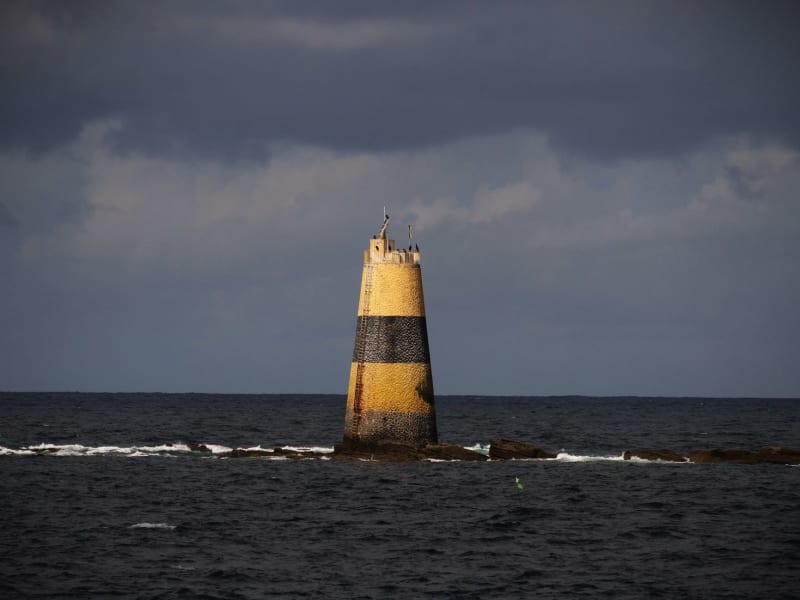 martinique
Presqu'île de la Caravelle
A wild Atlantic peninsula where plantation ruins crumble into mangroves and the trade winds hit hard enough to remind you the Caribbean has teeth.
Explore