Wotje Atoll
"Somebody built an airbase here to fight a war, and the jungle just quietly took it back."
Rusting Japanese gun emplacements sinking into coconut groves the locals half-jokingly call the 'Hawaii of the Marshalls.'
Wotje gets called the Hawaii of the Marshall Islands by people who’ve never actually been to Hawaii, which is true of most Marshallese I met who use the phrase, but I understood the impulse the moment the plane banked over the atoll. It’s larger and greener than most of what you see flying into Majuro — bigger islets, more soil, actual hills of vegetation rather than the razor-thin strips further south. During the Japanese mandate era Wotje was developed into a major military base, a “fortress” island with an airstrip, seaplane ramp, and gun batteries meant to hold the line against exactly the kind of American assault that eventually bypassed it entirely. That’s the strange gift of Wotje’s war history: it was bombed for years but never invaded, so what’s left isn’t rubble, it’s an entire abandoned installation being slowly digested by jungle.
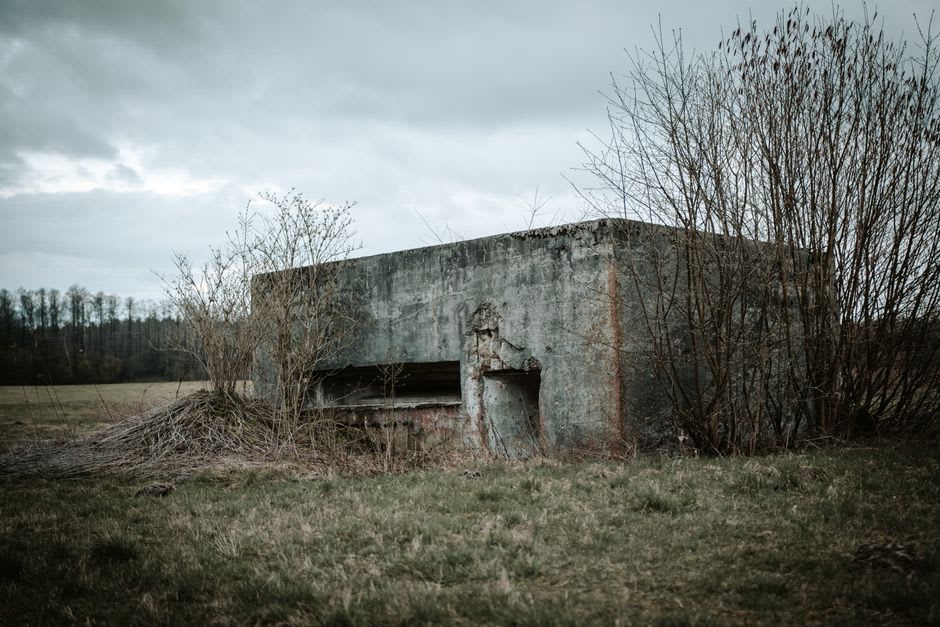
I spent a morning walking the old base perimeter with a local guide named Ellick, who’d grown up playing in the bunkers as a kid the way other children play in a treehouse. We found a coastal defense gun tilted at a strange angle, its barrel choked with vines, and a network of concrete bunkers now used mostly by chickens. Ellick pointed out a crater from an American bombing run that had become, over eighty years, a small freshwater catchment where his grandmother used to do laundry. Nothing about the site is curated or explained — there’s no plaque, no fence, no entry fee. You just find it, half-buried, and reckon with it yourself.
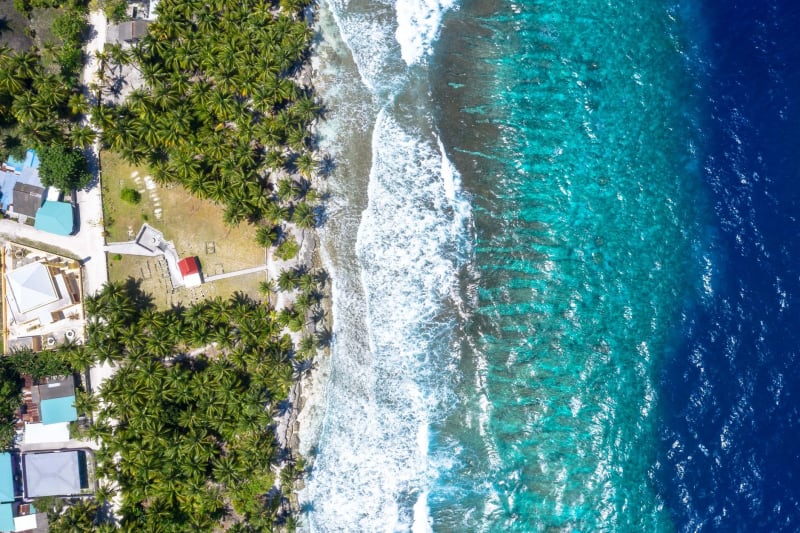
The lagoon side of Wotje is what actually earns the Hawaii comparison — long stretches of pale sand, decent surf breaks on the ocean side during the right swell window, and a community that’s larger and more self-sufficient than most of the outer atolls, with its own high school and a produce market that puts Ebeye’s to shame. I ate breadfruit chips fried by a woman selling them from a cooler outside her house, and they were better than anything I’d had in Majuro, crisp and faintly sweet, gone in about four minutes.
When to go: Air Marshall Islands flies to Wotje a few times a week from Majuro; the dry season from December through April is most reliable for both flights and calm lagoon conditions. Arrange lodging in advance through a local contact — there is no formal guesthouse infrastructure, and showing up unannounced puts a real burden on whichever family takes you in.
Keep exploring
More from Marshall Islands
 marshall-islands
 Ailinglaplap Atoll
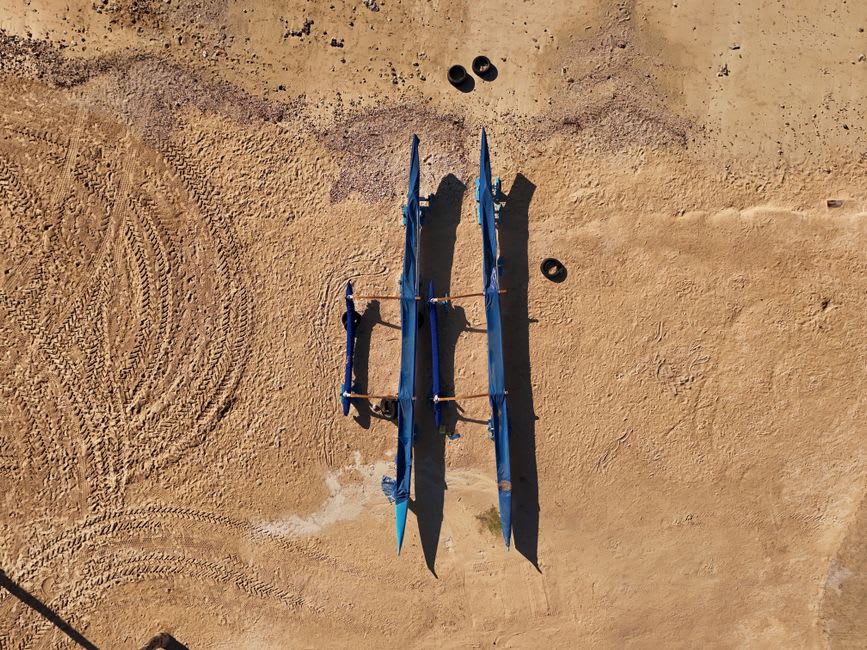
The traditional heartland of Marshallese navigational culture, where stick charts and outrigger canoes are still the primary technologies of knowing the ocean.
Explore marshall-islands
 Ailuk Atoll
The finest handwoven mats in the Marshalls come from an atoll so remote the supply ship visits maybe six times a year.
Explore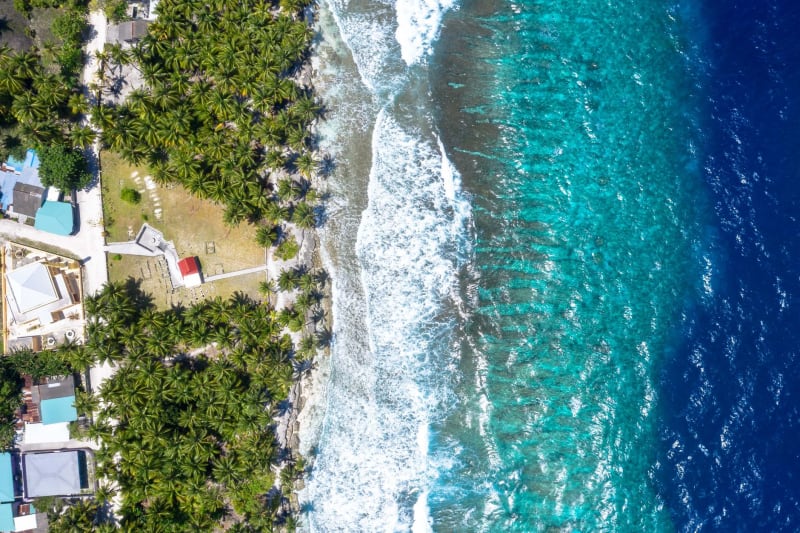 marshall-islands
 Arno Atoll
The quietest thirty-five kilometers from Majuro, where traditional stick-chart navigation still makes more sense than GPS.
Explore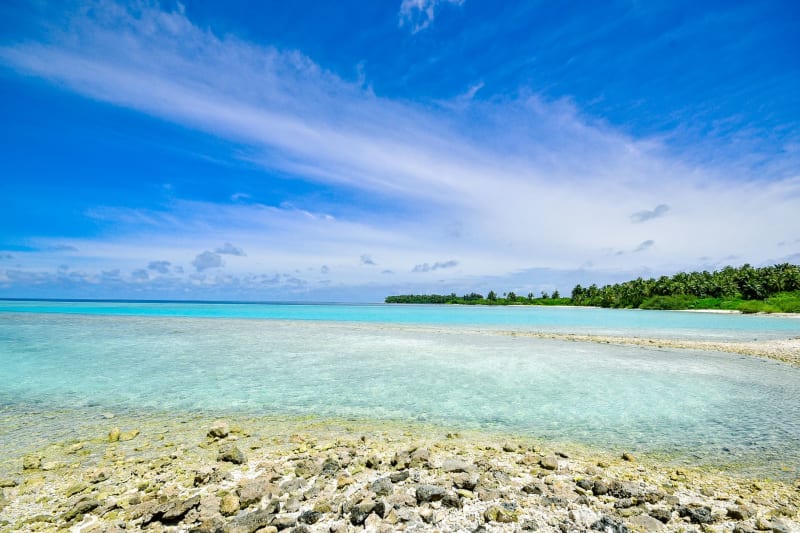 marshall-islands
 Bikini Atoll
A UNESCO World Heritage ghost atoll where you can dive on a nuclear ghost fleet and feel the full weight of the twentieth century.
Explore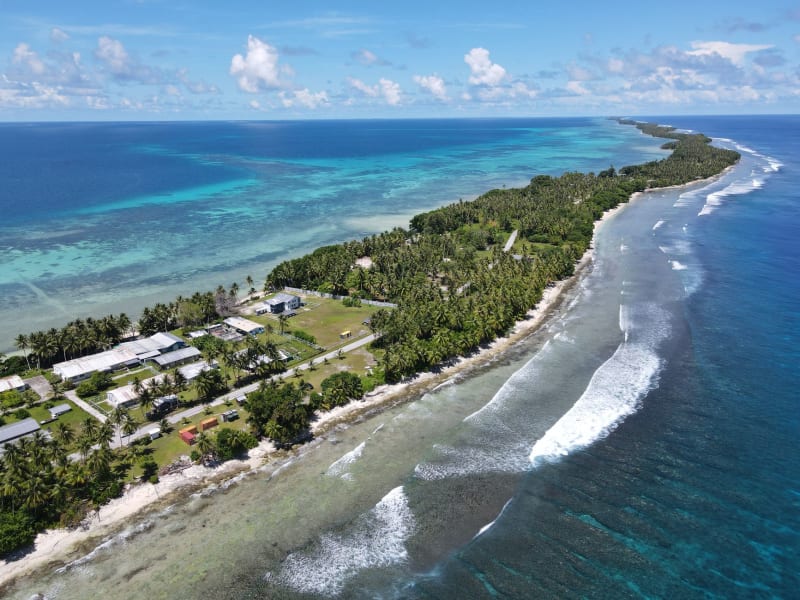 marshall-islands
 Ebeye
One of the most densely populated islands on earth, wedged next to a US military base — the Pacific's most uncomfortable mirror.
Explore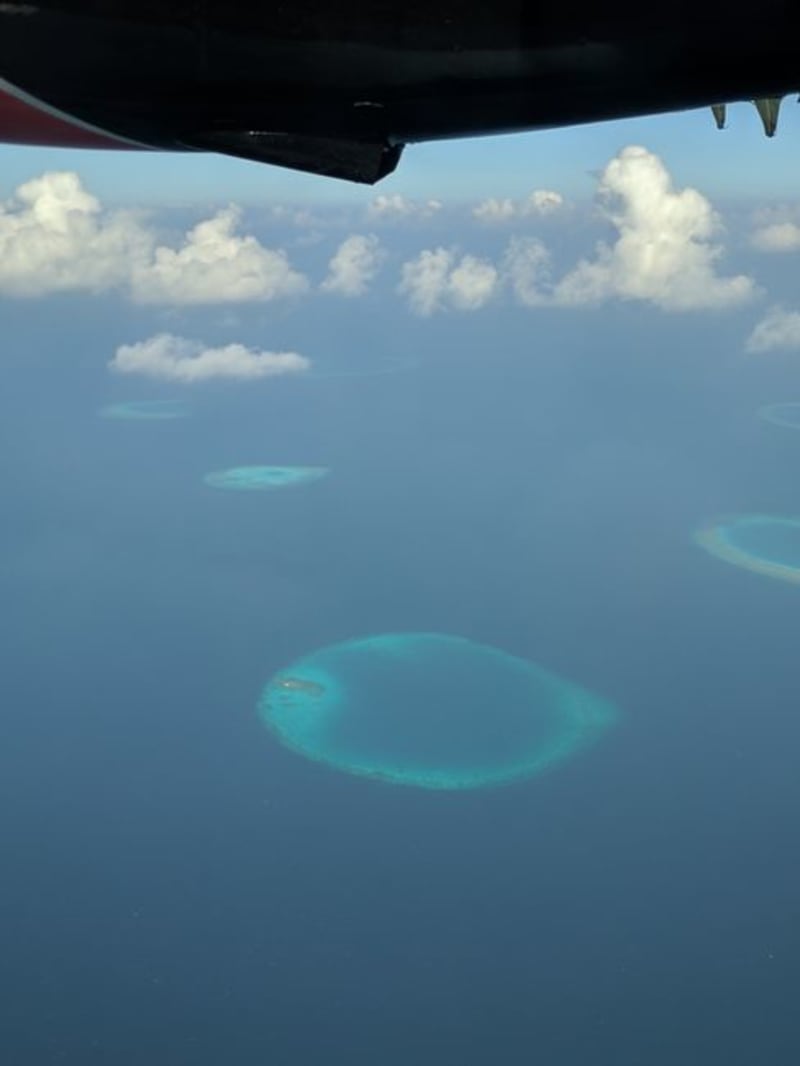 marshall-islands
 Enewetak Atoll
A concrete dome the size of a football stadium sits over 111,000 cubic meters of American nuclear waste, and the lagoon around it is some of the clearest water I've ever swum in.
Explore