Baa Atoll
"I've floated over reefs before. I'd never floated over a hundred mantas at once."
A UNESCO biosphere reserve of 75 scattered islands where manta rays swirl by the hundreds in a single feeding bay.
Lia found Hanifaru Bay on a marine biology forum months before we ever booked flights, and she wouldn’t stop talking about it — a single bay inside Baa Atoll where, for a few weeks each year, plankton blooms so thick that manta rays and whale sharks show up to feed shoulder to shoulder. I was skeptical, honestly. I’d seen plenty of “swim with the mantas” ads that turned out to be one shy ray and a lot of disappointed snorkelers. Baa Atoll was different from the moment our speedboat left Eydhafushi, the atoll’s low-key administrative hub, and cut across water so clear I could see individual coral heads twenty feet down.
What I didn’t expect was the scale of the place. Baa Atoll isn’t one island, it’s seventy-five of them, scattered like someone dropped a handful of green confetti into the Indian Ocean — a dozen inhabited, another dozen given over to resorts, the rest left completely alone. It became the Maldives’ first UNESCO Biosphere Reserve back in 2011, and once you’re actually in the water there, you understand why: the reefs, the mangroves, the seagrass meadows all feel connected in a way I hadn’t seen on other atolls, like the whole system is breathing together.
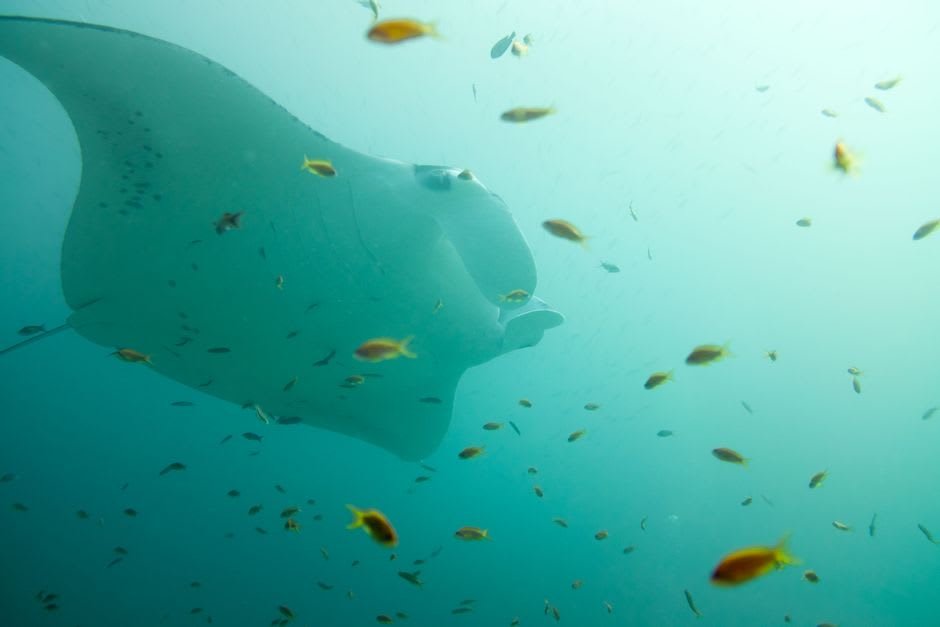
We got lucky with Hanifaru itself. Our guide cut the engine well outside the bay’s boundary — it’s a protected marine area, no anchoring, strict rules on group sizes — and we slipped into the water behind maybe a dozen other snorkelers. For the first few minutes, nothing. Then Lia grabbed my arm and pointed, and I watched a manta the size of a small car turn a slow barrel roll ten feet below me, mouth wide open, straining plankton through the water like some enormous, graceful vacuum. Then another came. Then four more. I forgot to breathe properly through my snorkel at least twice.
Afterward we stopped in one of the local villages near Eydhafushi, ate grilled reef fish with a squeeze of lime at a tiny café where the owner asked if we’d seen the mantas before we’d even sat down — apparently everyone asks everyone that question here during these months. I liked that Baa Atoll still felt lived-in, not just a backdrop for resort brochures. There’s a rhythm to the place that has nothing to do with tourists and everything to do with tides, fish, and plankton blooms that have been happening long before anyone thought to protect them.
When to go: Aim for May through November, when the seasonal plankton blooms pull manta rays and whale sharks into Hanifaru Bay to feed — the earlier and later fringes of that window tend to be quieter, but June through October gave us the most reliable sightings.
Keep exploring
More from Maldives
 maldives
 Dhigurah
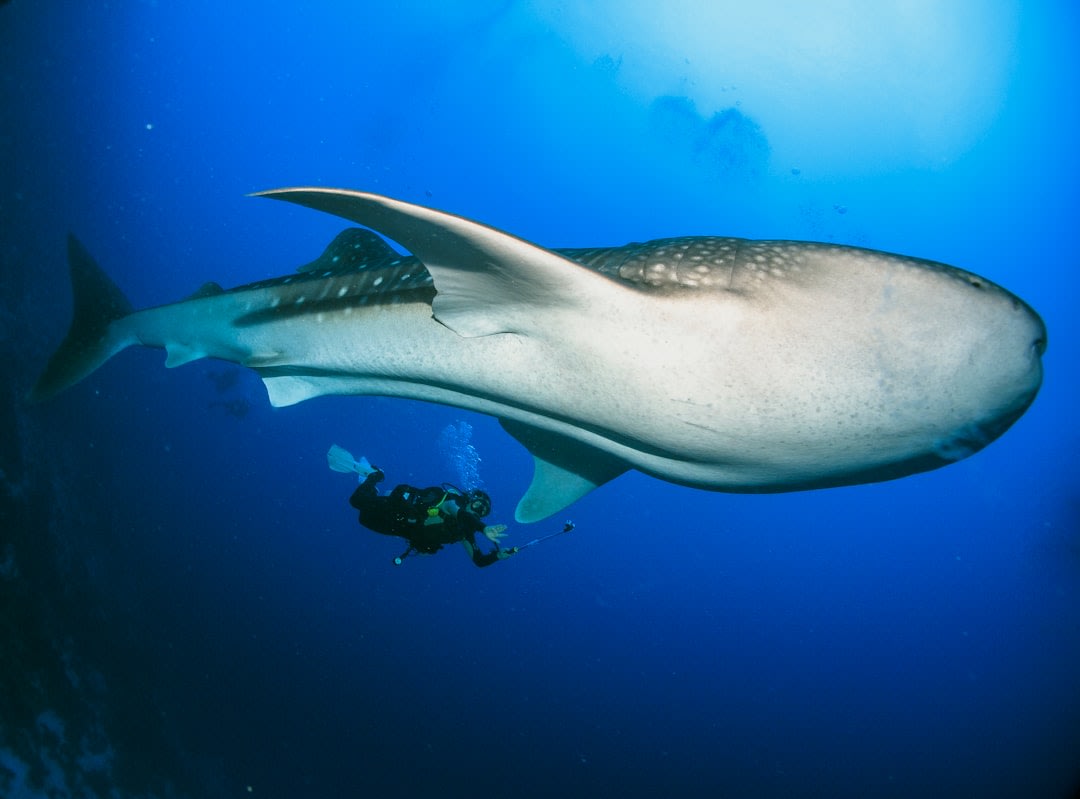
A skinny three-kilometre island in South Ari Atoll where whale sharks cruise the channel year-round and the dhoni captains know each one by its scars.
Explore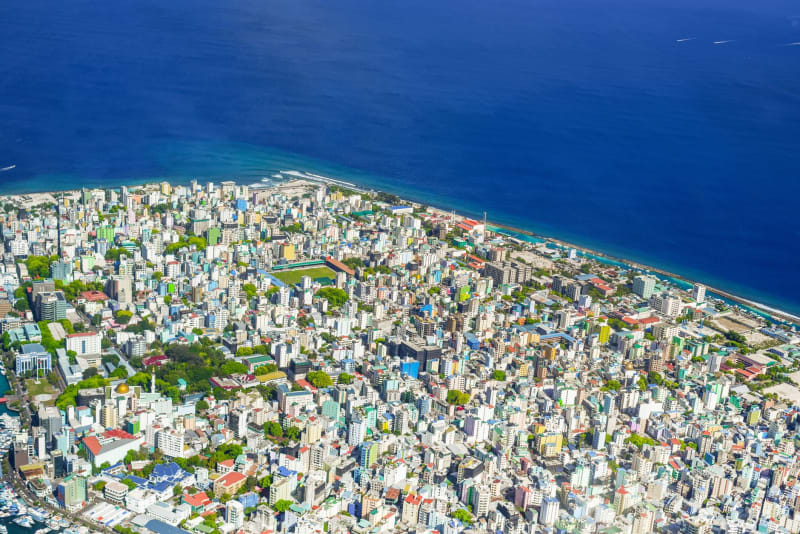 maldives
 Fuvahmulah
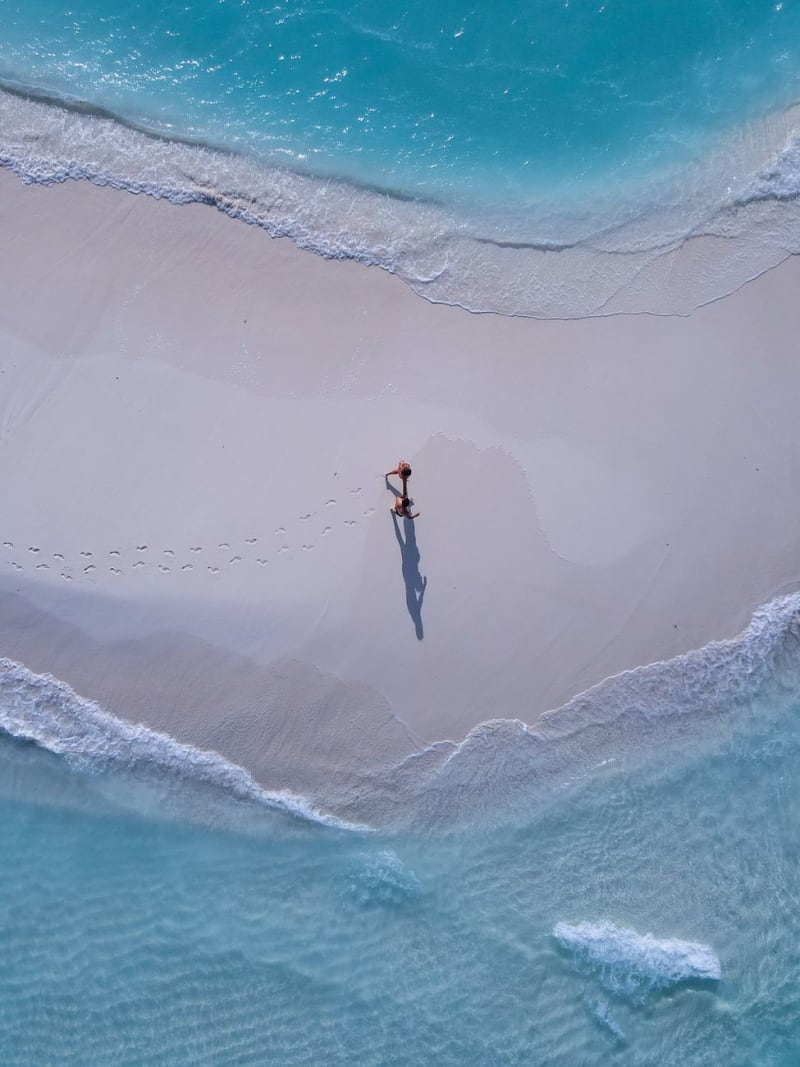
The Maldives' strangest island — a single raised atoll in the deep south with freshwater lakes, tiger sharks, and a dialect nobody else speaks.
Explore maldives
 Hanifaru Bay
A shallow bay in Baa Atoll where, at peak season, hundreds of manta rays gather to feed in a spectacle that makes the word 'snorkeling' feel completely inadequate.
Explore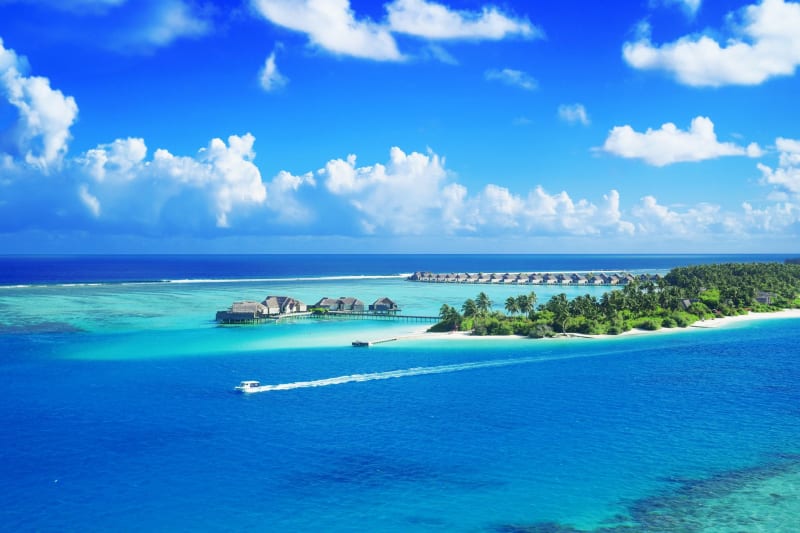 maldives
 Maafushi
The local island that proves the Maldives was always about the reef, not the price tag — if you know where to look.
Explore maldives
 Malé
A capital so impossibly dense it feels like someone compressed an entire nation onto a single square kilometre of coral.
Explore maldives
 Rasdhoo
A tiny atoll south of Ari where waking up at 4am earns you hammerhead sharks circling in the blue just before sunrise.
Explore