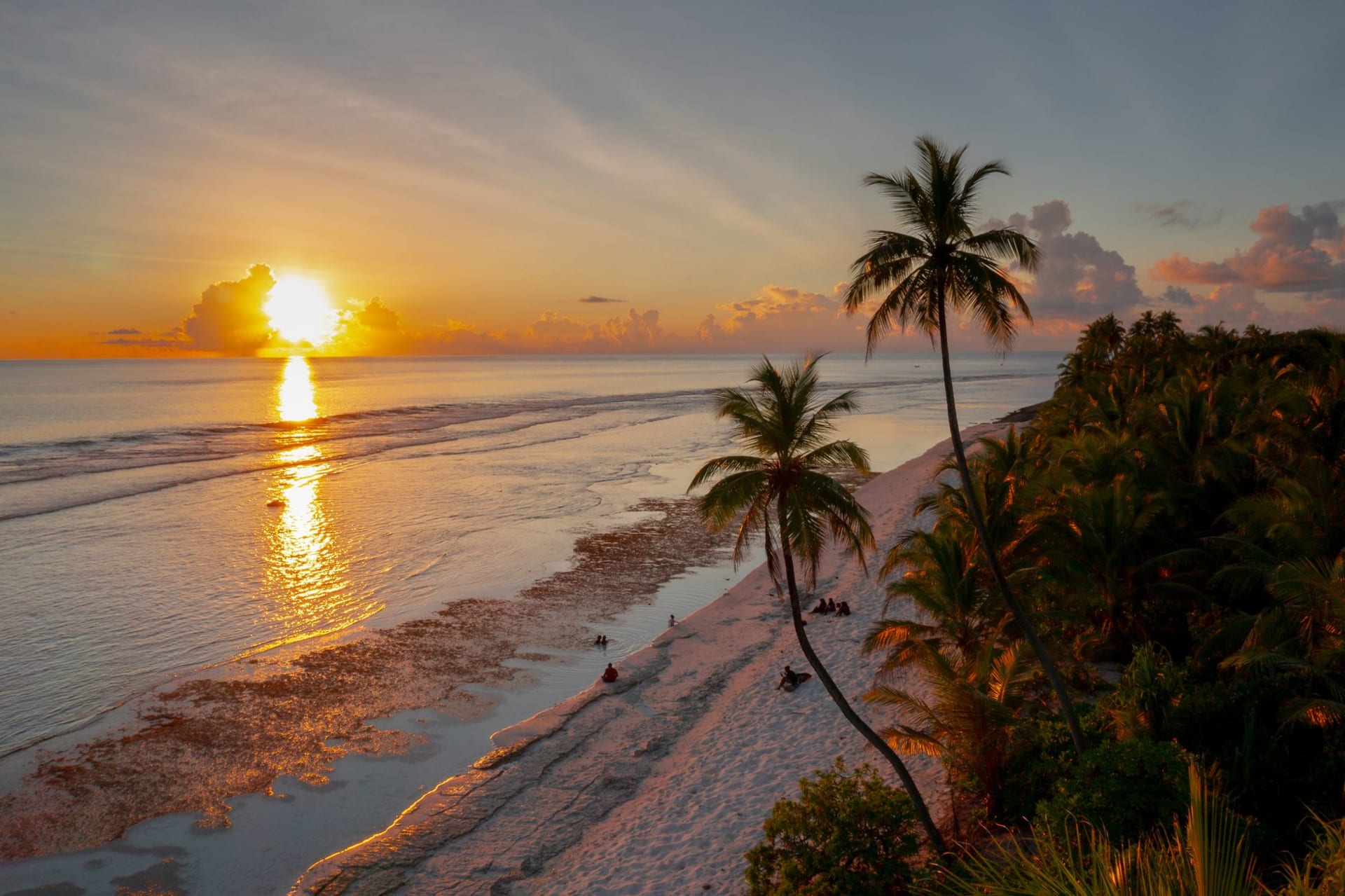
A capital so impossibly dense it feels like someone compressed an entire nation onto a single square kilometre of coral.

The speedboat slows as it enters Malé harbour and the city announces itself not through any single landmark but through sheer accumulation — tower blocks and mosques and coloured facades pressed so close together they seem to be holding each other up. After two nights on a resort island where the loudest sound was water moving over coral, Malé arrives like a system shock. Diesel fumes and the smell of salt-dried fish mix in the air above the jetty. A loudspeaker mounted somewhere near the Friday Mosque bleeds the azan across the water and the fishing boats tied to the harbour wall rock gently, indifferent to the whole thing.
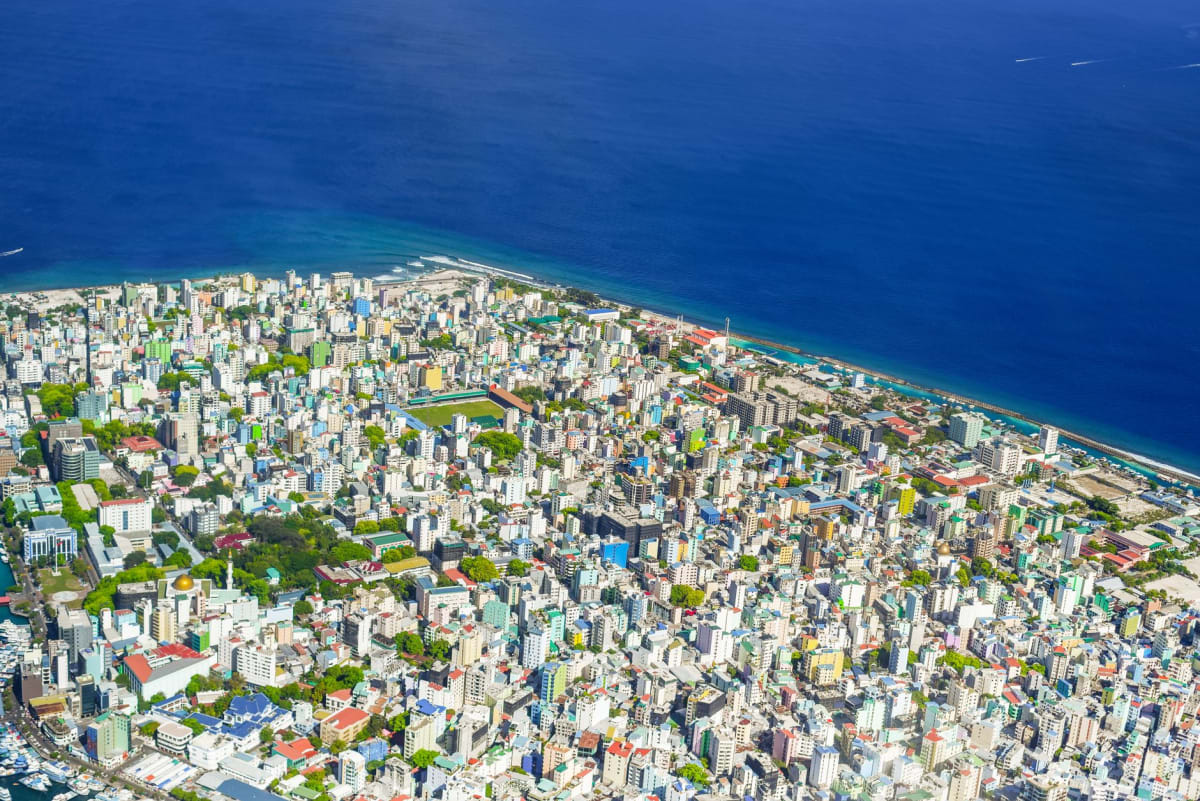
I had one afternoon before my connecting ferry north and I spent it walking, which in Malé you can do almost everywhere in less time than you’d expect — the island is barely two kilometres long. The fish market at the northeastern tip is where I anchored myself first. Men in lungis unload yellowfin tuna from wooden dhonis, slapping the fish onto concrete tables with a casual brutality that makes you understand exactly where the evening’s dinner comes from. The tuna are enormous — some of them the size of small children — and the buyers inspect the gills with the scrutiny of jewellers. Nobody was performing for tourists. I was simply there, and they simply ignored me, which felt like a form of welcome.
The old Friday Mosque, Hukuru Miskiy, is the oldest surviving building in the country, finished in 1658 from coral stone quarried from the reef. The exterior is carved with Arabic scripture in a local calligraphic style that took craftsmen years to perfect, and the walls have a warmth to them — that particular warmth that old stone holds in tropical heat. I arrived during prayer time and waited outside under a frangipanis tree, listening to the voices filter through the carved lattice screens, and felt the quiet pleasure of being temporarily excluded from something that genuinely mattered to people.
What Malé does that no resort can is simply be a place where people actually live. The streets around the central market hold a hustle entirely removed from tourism — tailors, phone-repair stalls, tiny restaurants serving short eats with a stack of bajiya in the window. The hedhikaa snack culture here is serious: fish pastries, tuna buns, keemia — the varieties change by hour and season and the women behind the counters know exactly what you should order. There is a particular street-level café culture too — men sitting on plastic chairs outside buildings at six in the evening with tea in small glasses, talking about things I couldn’t understand. Dhivehi, the national language, is almost entirely unlike anything else spoken anywhere, and the isolation from it is strangely freeing. I couldn’t eavesdrop. I just watched.
The waterfront corniche, Boduthakurufaanu Magu, rings the island’s perimeter. In the evenings young men fish from the seawall with hand lines while families walk circuits with small children finally released from the afternoon heat. The artificial beach in the southeast corner is modest and gets crowded, but it matters: it’s a reminder that Maldivians, unlike the tourists who visit their country and pay small fortunes for private overwater access, live on a coral island nation where the beach is public infrastructure, not a luxury amenity.
When to go: Malé operates year-round and is mostly visited in transit. The most pleasant time is November through April, when the northeast monsoon keeps humidity manageable and the harbour is calm. If you’re passing through anyway — and most Maldives visitors are — build in at least a half-day. The fish market is best before noon. The mosque is most atmospheric at the evening prayer.
Keep exploring
More from Maldives
 maldives
 Rasdhoo
A tiny atoll south of Ari where waking up at 4am earns you hammerhead sharks circling in the blue just before sunrise.
Explore maldives
 Thulusdhoo
A local island in North Malé Atoll where a world-class right-hand reef break coexists with a Coca-Cola factory and a community that was here long before the surfers arrived.
Explore maldives
 Ukulhas
A car-free, coral-lined island where a whole community decided that paradise is worth sweeping clean every single morning.
Explore maldives
 Utheemu
A remote northern island where a 16th-century wooden palace marks the birthplace of the man who expelled the Portuguese and unified the Maldives.
Explore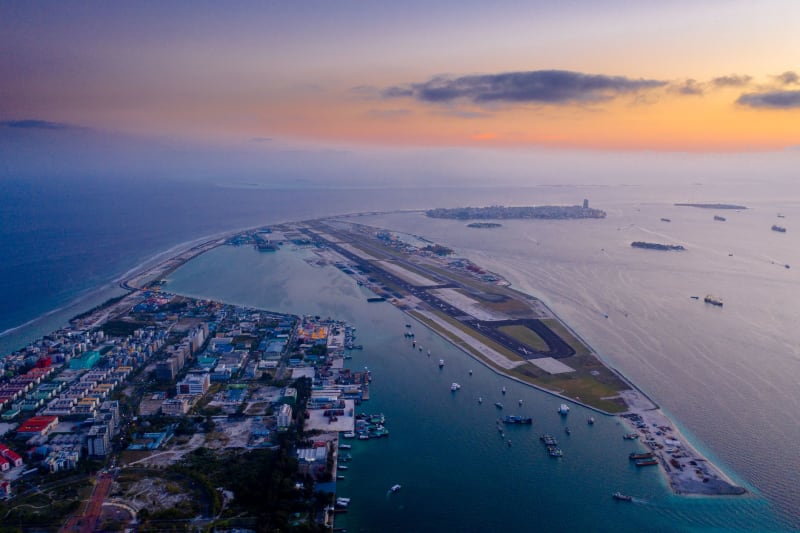 maldives
 Vaadhoo Island
A tiny inhabited island in South Malé Atoll where bioluminescent plankton turns the waterline into something that looks like a spilled galaxy.
Explore maldives
 Addu Atoll
The southernmost atoll in the Maldives, where WWII history, causeways through the lagoon, and a genuinely different landscape rewrite your idea of the country.
Explore