
Antananarivo
"Tana is loud, uphill, and entirely its own thing. It took me a full day to stop comparing it to anywhere else."
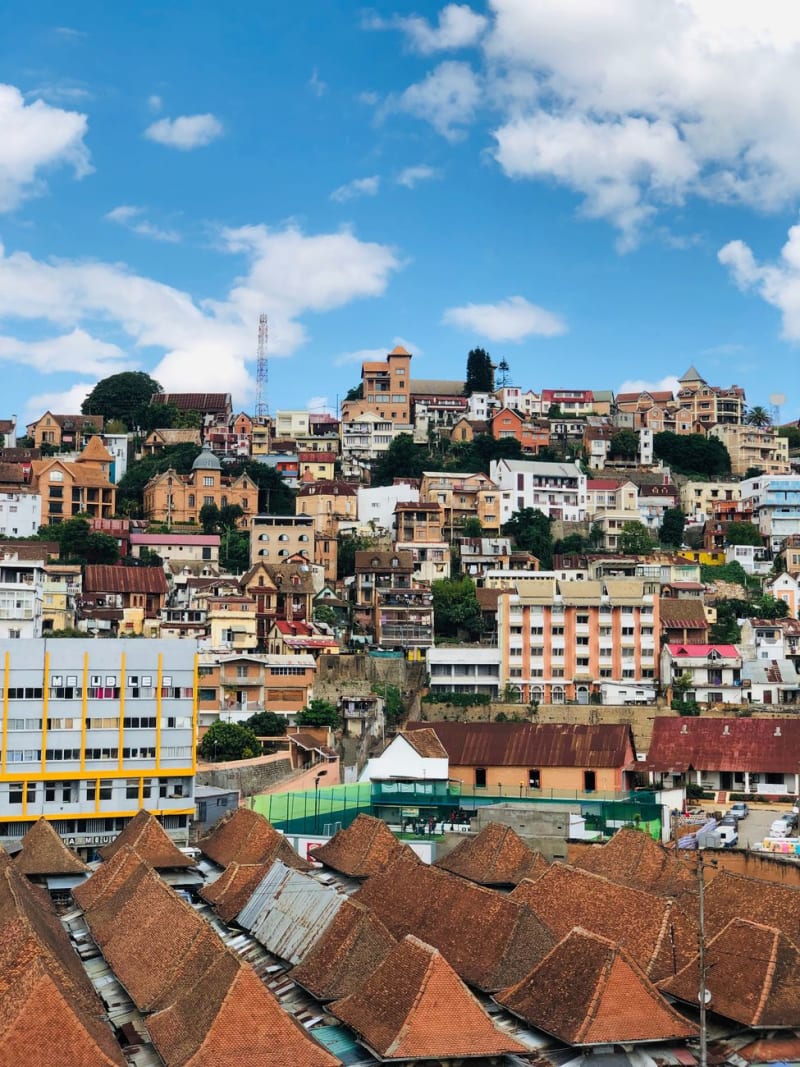
Madagascar's improbable capital stacked across twelve hills, where French colonial facades lean against highland palaces and the market at Analakely sells everything from zebu parts to SIM cards at competitive speed.

Everyone passes through Antananarivo. Very few people plan to. It’s the international gateway—flights land here, tours depart from here—and the standard advice is to spend a night and move on. I’ve done that. I’ve also spent a week here and come away thinking that the rush-through instinct misses something substantial about what this city is.
Tana, as everyone calls it, sits at 1,276 meters above sea level, draped across a ridge system that forces the city’s twelve hills into constant vertical conversation. The lower town (Basse-Ville) handles commerce, traffic, and the organized chaos of Analakely market. The upper town (Haute-Ville) holds government buildings, the old royal hill, and neighborhoods of rusted tin roofs and satellite dishes climbing steep stone stairs above views that, on a clear day, stretch across the Hauts Plateaux in a way that makes you understand why the Merina kingdom chose this site.
The Rova and the Hill
The Rova of Antananarivo—the royal palace complex on the city’s highest point—burnt in 1995 under circumstances that remain contested, and reconstruction has been slow and complicated. What stands now is partially restored stone, partially scaffolding, partially a monument to the difficulty of reclaiming something that was both political symbol and active ruin. I found it more interesting than a pristine palace would have been. The hilltop views are extraordinary regardless.
Walking the lanes of Haute-Ville on a Sunday morning is a different city than the weekday taxi-brousse crush below. Families out in their best clothes, women selling fruit from flat baskets balanced on their heads, the smell of mofo gasy—rice flour pancakes fried on griddles set up on the cobblestones. I ate three from a woman who ran her operation with the efficiency of someone who has made ten thousand of these. They were dense and slightly sweet and exactly right for eight in the morning.
Analakely and the Market Logic
The Zoma market used to be the biggest market in Africa by some measures—a thing of legend that took over the city center on Fridays. It’s been dispersed across several locations now, but Analakely market on the main square remains a masterclass in Malagasy commercial ingenuity. Stalls selling zebu meat transition into stalls selling phone cases, which give way to pirated DVDs, then vanilla pods sold by the kilo, then someone’s grandmother with a pile of fabric and the patience of stone.
I got mildly lost in a covered section dealing entirely in used clothing imported from Europe. There was a stall with French department store hangers, still bearing their original store tags, being sold for the equivalent of forty cents each. The market absorbed three hours without effort.
Eating and Finding Your Level
Tana’s restaurant scene ranges from Lebanese to Italian to Malagasy home cooking, with a tier in between that seems designed specifically for French expats who never quite left. Le Grill du Rova serves reasonable steak. A place on Rue Ranavalona—I didn’t catch its official name—does the best romazava I found in the country, served in a dented pot with extra greens on the side.
The coffee here is very good and very cheap. Madagascar grows arabica in the eastern highlands and it shows. Order a café malgache: strong espresso with condensed milk, served in a glass.
When to go: April through October avoids the cyclone season and offers Tana at its clearest—dry air, manageable dust, and highland nights cool enough for a jacket. July and August are peak season; the city is busier but also more energetic. The rainy season brings dramatic skies and green hills, but also flooding in the lower neighborhoods.
Keep exploring
More from Madagascar
 madagascar
Antsirabe
A faded highland spa town of pastel colonial villas and thousands of brightly painted rickshaws, where thermal springs and craft workshops fill the cool mountain air.
Explore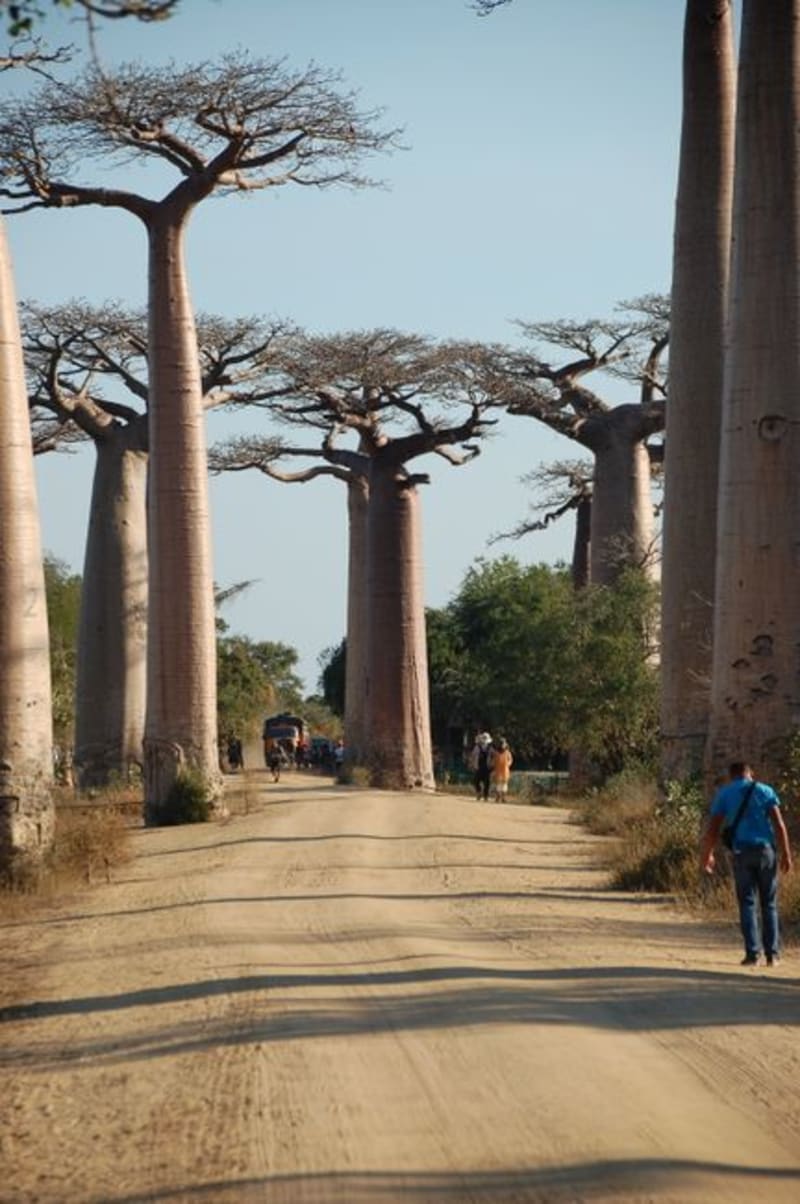 madagascar
Baobab Amoureux
Two baobabs outside Morondava that grew into each other over centuries, twisted into a single trunk that locals read as a love story.
Explore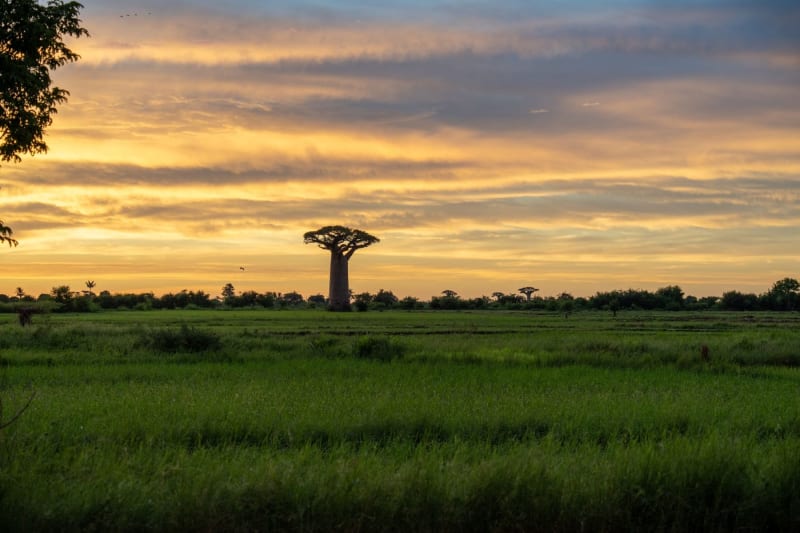 madagascar
Baobab Avenue
Ancient baobab trees 800 years old lining a laterite road at sunset — Madagascar's most iconic image.
Explore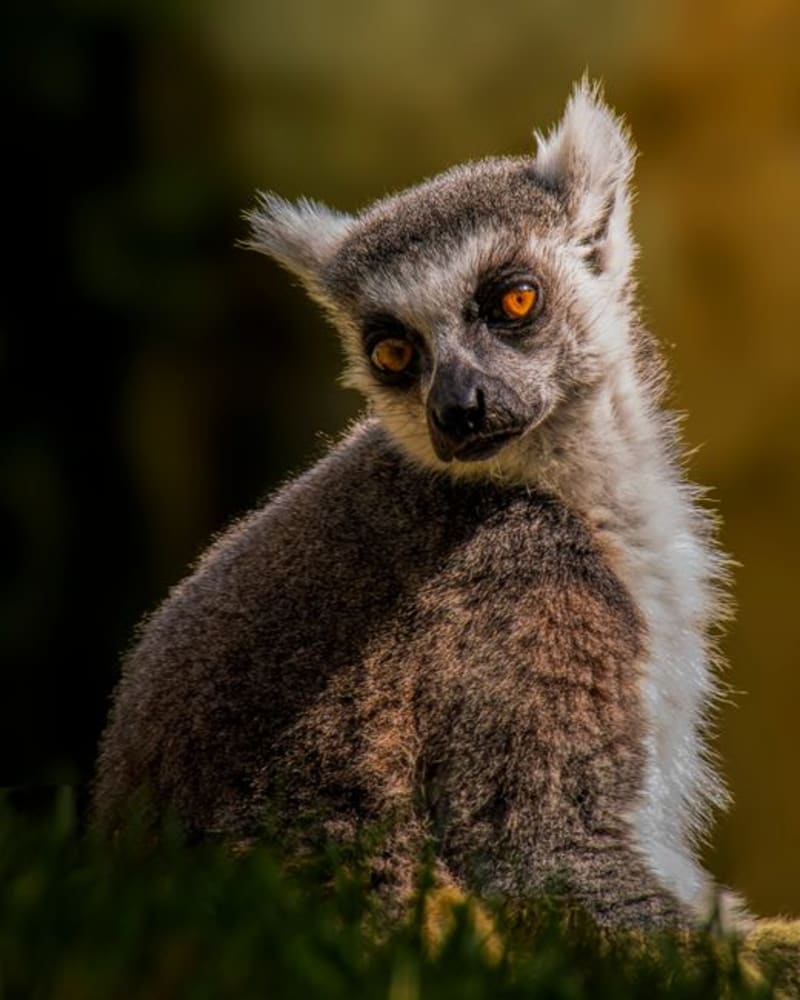 madagascar
Berenty Private Reserve
A private reserve in the deep south where ring-tailed lemurs sunbathe in yoga poses and sifaka cross open ground in a sideways dance.
Explore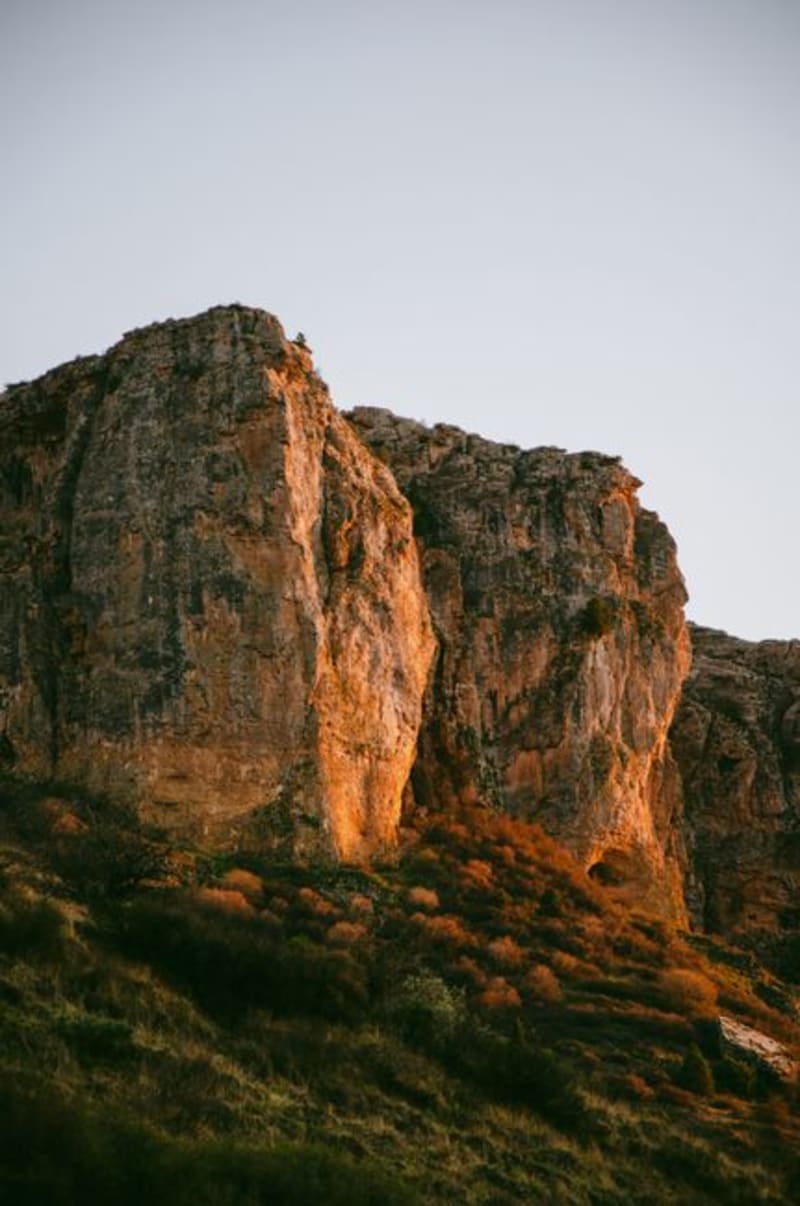 madagascar
Diego Suarez
A weathered port city on one of the world's finest natural harbors, gateway to red sandstone canyons and a bay carved into three distinct colors.
Explore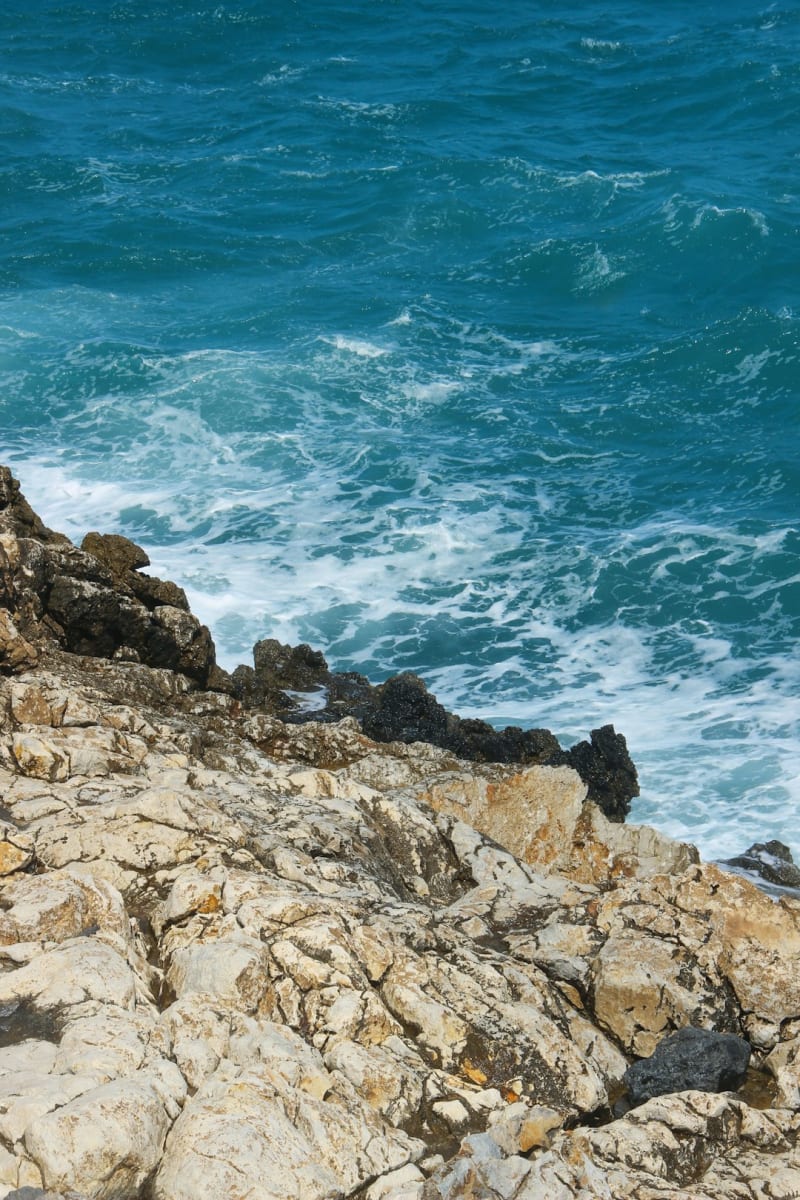 madagascar
The Emerald Sea
A shifting sandbar off Nosy Be where the lagoon turns an implausible green-gold and you can stand waist-deep a kilometer from any shore.
Explore