Africa
Madagascar
"I kept thinking: nothing on earth was supposed to look like this."
An island that evolved in total isolation for 88 million years, producing a world so biologically improbable it feels less like a country and more like a parallel planet.

I landed in Antananarivo at dusk and the first thing I noticed was the smell — red laterite dust and eucalyptus and something sweet and fungal underneath, the kind of smell that tells you the soil here is doing something different from anywhere else. The capital sits on a series of steep hills, terraced rice paddies cascading down between crumbling colonial staircases and corrugated-iron rooftops, and I spent my first evening climbing up to the queen’s palace just to watch the light die over a city that felt genuinely unlike anything I’d seen in Africa or Asia or anywhere else. Madagascar doesn’t ease you in.
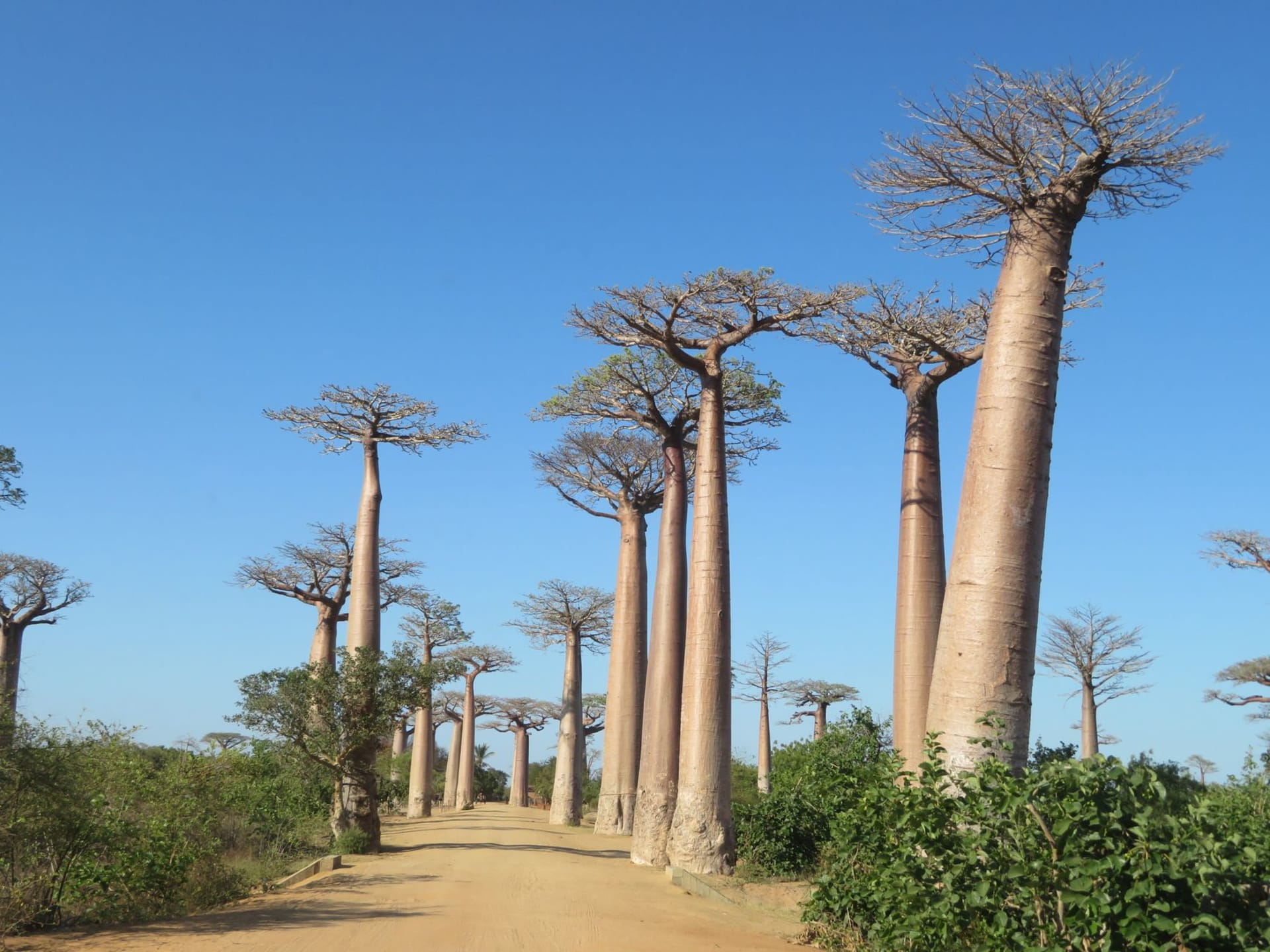
The Avenue of the Baobabs northwest of Morondava is the image everyone knows, and yes, it delivers. Six in the evening, the trees turning copper in the lateral light, their bottle-shaped trunks wider than a car is long, some of them over a thousand years old — you stand there and the only word that keeps surfacing is ancient. But what stays with me longer is the rest of the Menabe region, driving through spiny thicket where bizarre octopus trees grow sideways, where ring-tailed lemurs warm themselves on rocks with their arms spread like small evangelists. Ninety percent of the species on this island exist nowhere else on earth. That statistic is repeated everywhere you read about Madagascar, and it still doesn’t prepare you for what it means in practice.
Food here is simpler than people expect — rice with everything, every meal, which I ended up loving. Romazava is the national stew, leafy greens and a little zebu, and after long days on bad roads it was exactly what I wanted. In Nosy Be in the north, the seafood shifts everything: grilled crayfish with fresh coconut milk, eaten at plastic tables five meters from the Indian Ocean, is one of those meals that makes you resent the concept of restaurant menus. The west coast beaches are almost entirely untouched, not because they’re inaccessible but because the tourist infrastructure just hasn’t caught up yet.
When to go: April to October is the dry season and the practical window for most travel — roads that are genuinely impassable in the wet season become merely difficult. July and August are peak months for whale watching off Île Sainte-Marie on the east coast, when humpbacks arrive to calve. June and September hit the sweet spot of manageable roads and thinner crowds. Avoid December through March in the west and south: cyclone season can shut roads for weeks.
What most guides get wrong: They treat Madagascar as a wildlife checklist — spot the indri, tick the fossa, photograph the chameleon — which is both reductive and exhausting. The country’s real texture comes from slowing down and understanding that you are in one of the world’s poorest nations with one of its most complex ecosystems, and those two facts are not unrelated. The deforestation crisis is visible and ongoing. The guides who take you into the forest are often the same people whose families depend on logging. That tension is worth sitting with, not airbrushing out of your trip report.
Explore
Places in Madagascar
 madagascar
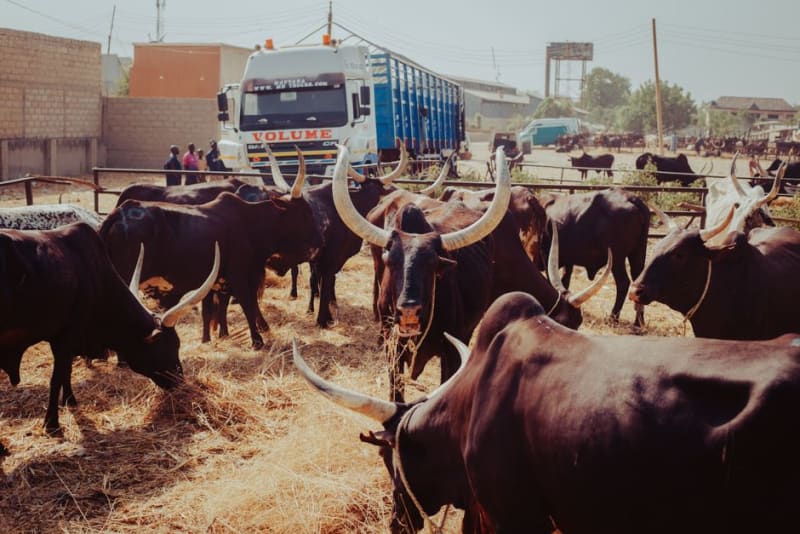
 Ambalavao
A highland market town famous for its weekly zebu cattle market and the handmade Antaimoro paper still pressed with real flowers.
Explore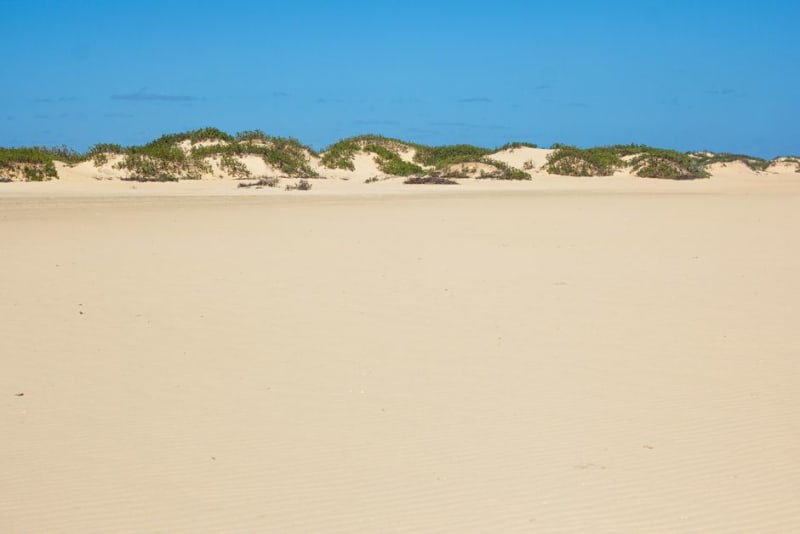 madagascar
 Anakao
A boat-only village south of Toliara where sand dunes meet the sea and Vezo sailors still work entirely under canvas.
Explore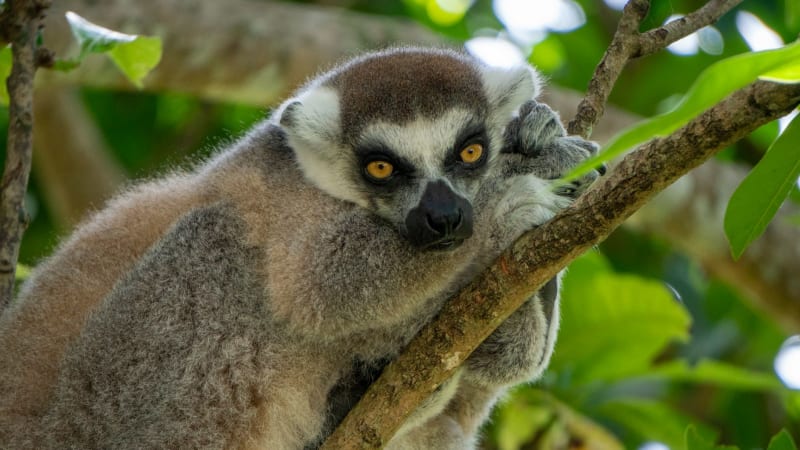 madagascar
 Andasibe-Mantadia
A pocket of eastern rainforest so alive with sound that silence feels like the anomaly—home to the indri, the largest living lemur and the one that makes you stop breathing.
Explore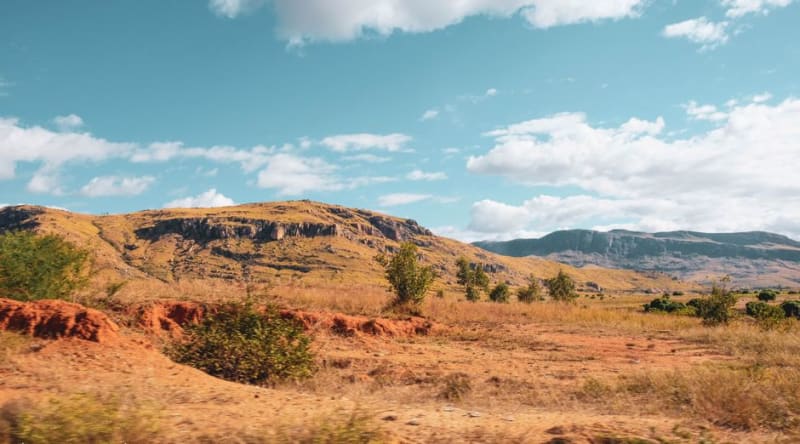 madagascar
 Andringitra National Park
A granite massif in the southern highlands with Madagascar's second-highest peak, cold enough at night that frost isn't unheard of.
Explore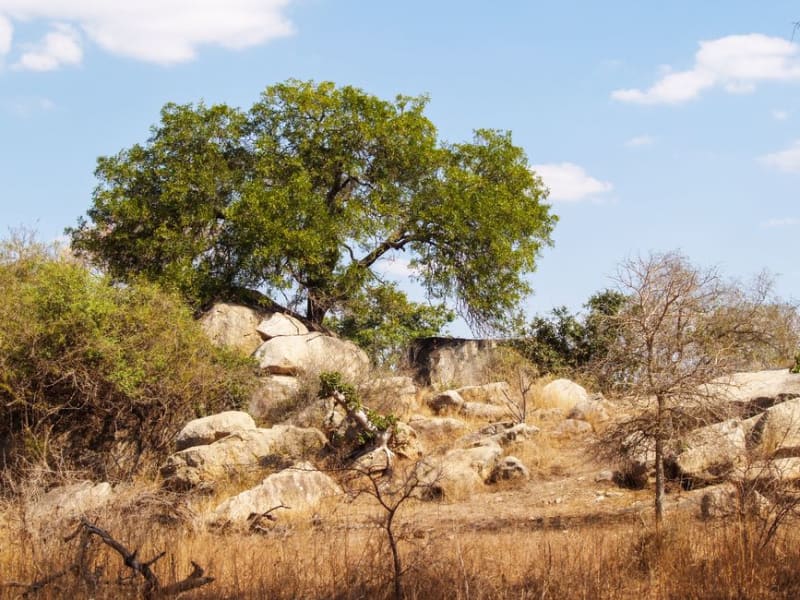 madagascar
 Anja Community Reserve
A small community-run park of granite boulders near Ambalavao holding one of the densest ring-tailed lemur populations in Madagascar.
Explore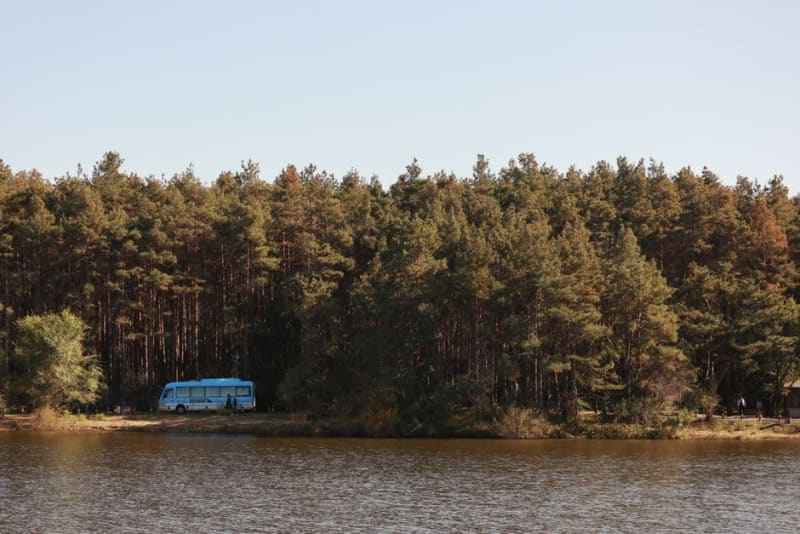 madagascar
 Ankarafantsika National Park
A dry forest reserve wrapped around a wide, crocodile-holding lake, roadside on the route between Mahajanga and the highlands but rarely stopped for.
Explore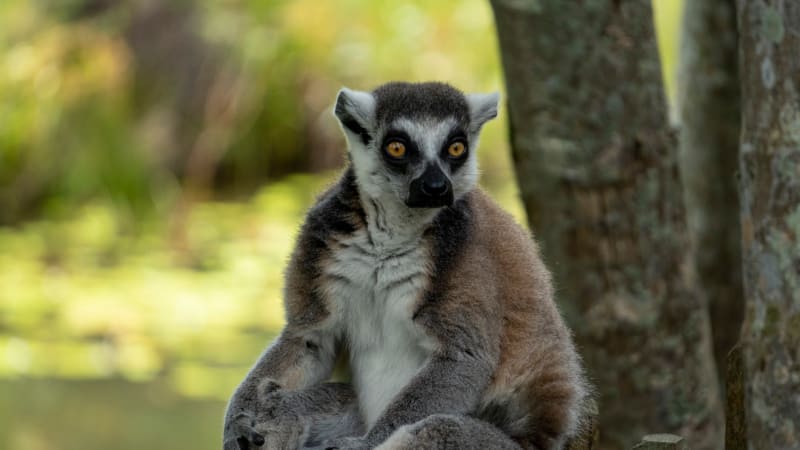 madagascar
 Ankarana Reserve
A northern fortress of razor-edged limestone rising from dry forest, riddled with caves that hold crocodile pools and Malagasy sacred sites in equal measure.
Explore madagascar
 Antananarivo
Madagascar's improbable capital stacked across twelve hills, where French colonial facades lean against highland palaces and the market at Analakely sells everything from zebu parts to SIM cards at competitive speed.
Explore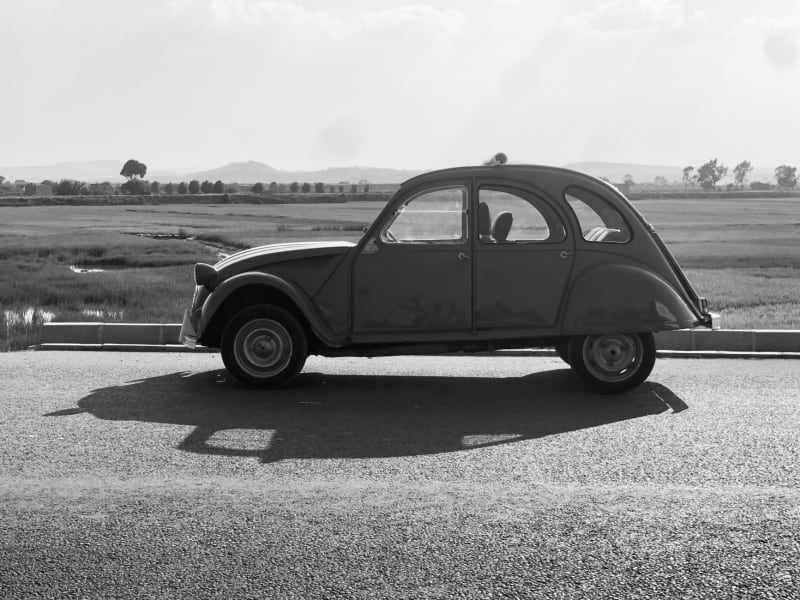 madagascar
 Antsirabe
A faded highland spa town of pastel colonial villas and thousands of brightly painted rickshaws, where thermal springs and craft workshops fill the cool mountain air.
Explore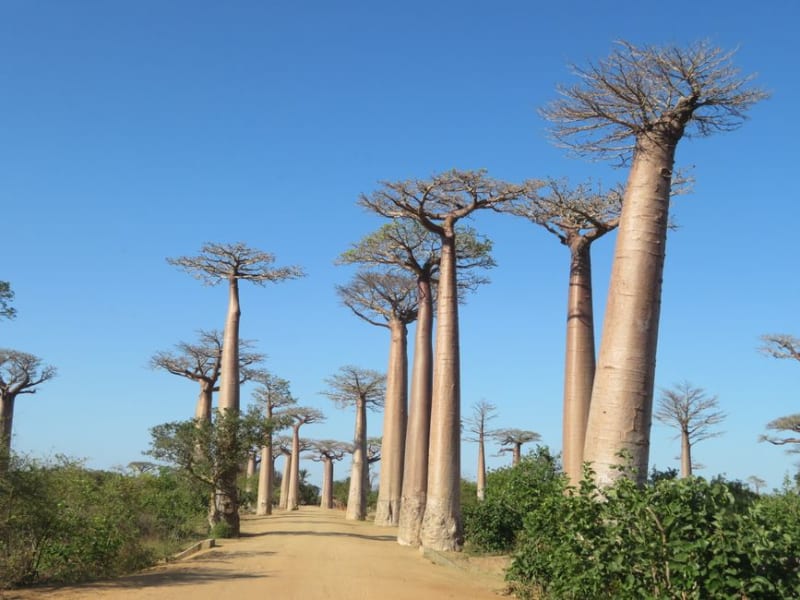 madagascar
 Baobab Amoureux
Two baobabs outside Morondava that grew into each other over centuries, twisted into a single trunk that locals read as a love story.
Explore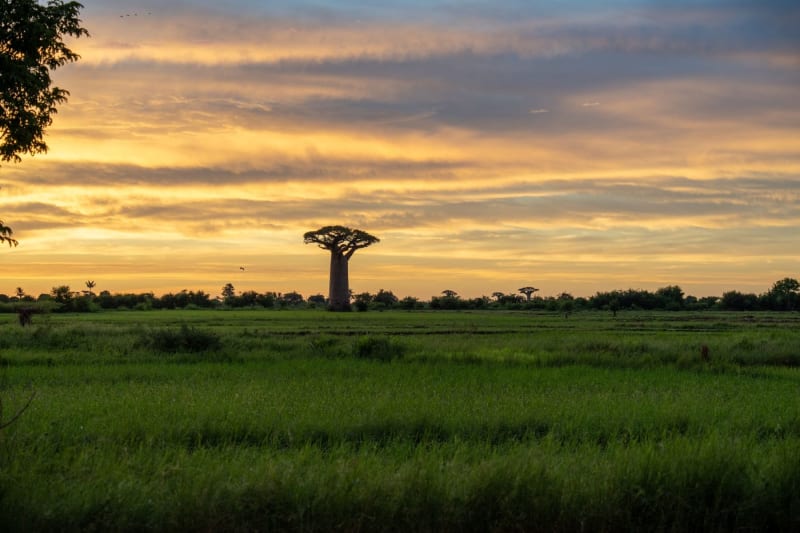 madagascar
 Baobab Avenue
Ancient baobab trees 800 years old lining a laterite road at sunset — Madagascar's most iconic image.
Explore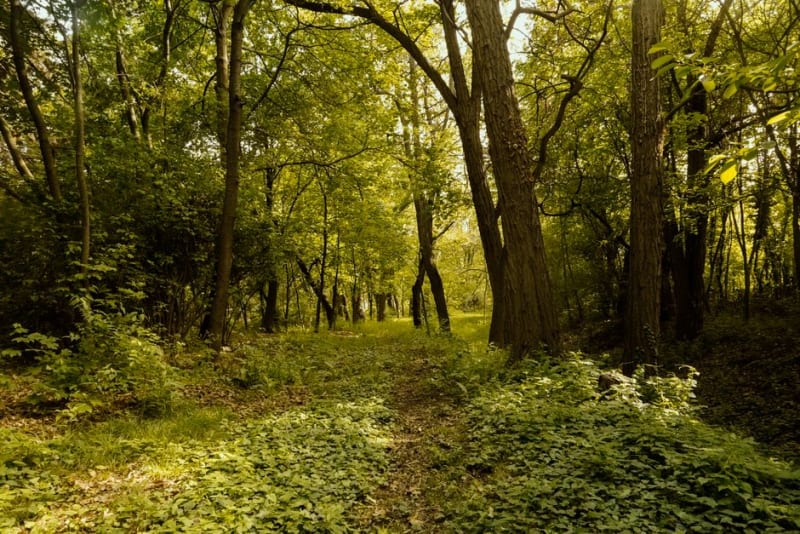 madagascar
 Berenty Private Reserve
A private reserve in the deep south where ring-tailed lemurs sunbathe in yoga poses and sifaka cross open ground in a sideways dance.
Explore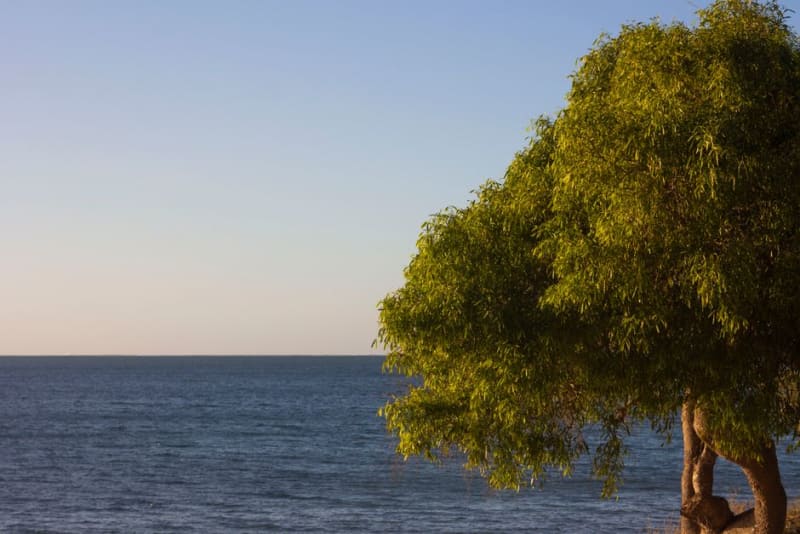 madagascar
 Diego Suarez
A weathered port city on one of the world's finest natural harbors, gateway to red sandstone canyons and a bay carved into three distinct colors.
Explore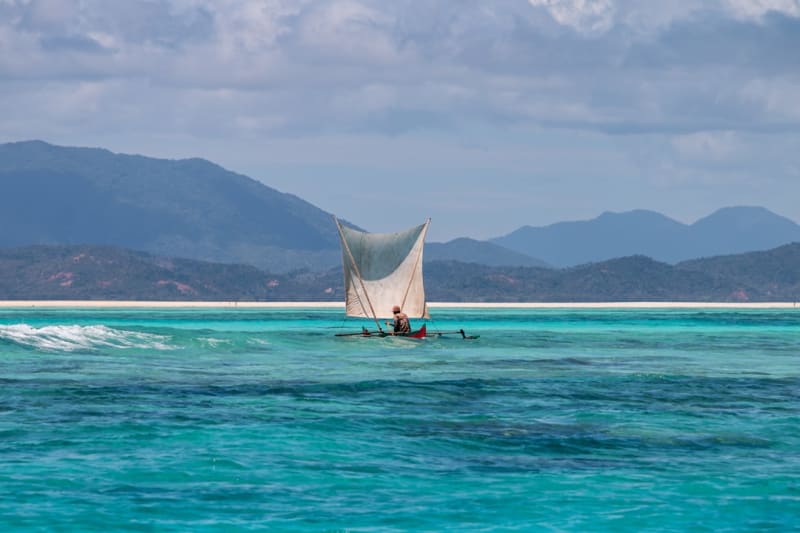 madagascar
 The Emerald Sea
A shifting sandbar off Nosy Be where the lagoon turns an implausible green-gold and you can stand waist-deep a kilometer from any shore.
Explore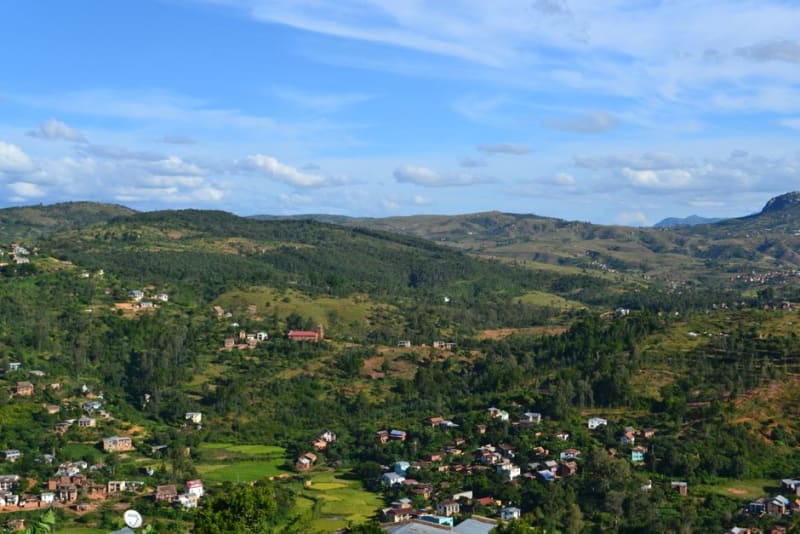 madagascar
 Fianarantsoa
A hillside university town in the southern highlands, home to Madagascar's small, surprising wine industry and a rattling old colonial railway.
Explore madagascar
 Fort Dauphin
Madagascar's dramatic southern tip, where the Indian Ocean hammers one coast while calm lagoons stretch down the other, and the Anosy region holds some of the island's least-visited wilderness.
ExploreAll areas in Madagascar
- Ifaty
- Ile aux Nattes
- Île Sainte-Marie
- Isalo National Park
- Kirindy Forest
- Mahajanga
- Mantadia National Park
- Masoala National Park
- Montagne d'Ambre National Park
- Morondava
- Nosy Be
- Nosy Komba
- Nosy Mangabe
- Nosy Tanikely
- Pangalanes Canal
- Ranomafana
- Toliara
- Tsingy de Bemaraha
- Tsiribihina River
- Zombitse-Vohibasia National Park